Custom mailer boxes have become the gold standard for e-commerce packaging. They combine protection, branding, and unboxing experience into one efficient package. Whether you're shipping skincare, apparel, accessories, or subscription products, this comprehensive guide covers everything you need to know about mailer boxes.
What Are Custom Mailer Boxes?
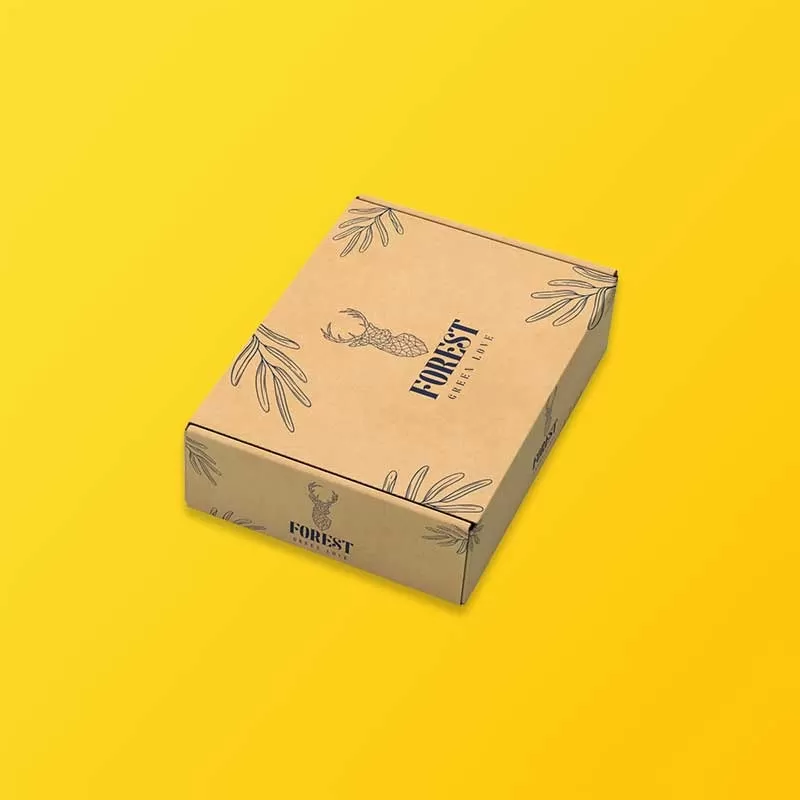
Mailer boxes are self-locking, corrugated boxes designed specifically for shipping products directly to customers. Unlike standard shipping boxes, they're meant to be seen—serving as both protection AND presentation.
Key Features of Mailer Boxes:
- Self-locking design: No tape needed for assembly
- Tuck-top closure: Easy open, professional look
- Corrugated construction: E-flute or B-flute for protection
- Fully customizable: Inside and outside printing available
- Flat-pack shipping: Efficient storage before use
Types of Mailer Boxes
1. Standard Tuck-Top Mailers
The most popular choice for e-commerce. Features a tuck-in flap closure.
Best for: Apparel, accessories, general merchandise Price range: $0.45-$1.50/unit
2. Roll-End Tuck-Top (RETT)
Premium option with full flaps on both ends for enhanced protection and presentation.
Best for: Fragile items, luxury products Price range: $0.60-$2.00/unit
3. Tab-Lock Mailers
Features interlocking tabs for secure closure without adhesive.
Best for: Subscription boxes, easy-return products Price range: $0.50-$1.75/unit
4. Literature Mailers
Slim profile designed for flat items like books, prints, or documents.
Best for: Books, prints, flat products Price range: $0.35-$1.00/unit
Choosing the Right Size
Proper sizing is crucial for both cost efficiency and customer experience.
Standard Mailer Box Sizes
| Size Name | Dimensions (L×W×H) | Common Uses |
|---|---|---|
| XS | 6" × 4" × 2" | Jewelry, small accessories |
| Small | 8" × 6" × 3" | Cosmetics, small apparel |
| Medium | 10" × 8" × 4" | T-shirts, multiple items |
| Large | 12" × 10" × 4" | Shoes, larger apparel |
| XL | 14" × 12" × 5" | Bulky items, gift sets |
How to Determine Your Ideal Size
- Measure your product at its largest dimensions
- Add 0.5-1" on each side for cushioning
- Consider inserts: Will you use tissue paper, foam, or cards?
- Plan for variants: Choose a size that works for your product range
Pro Tip: A slightly larger box filled beautifully looks better than a tight-fitting box that's difficult to unpack.
Material Options
Corrugated Grades
- E-Flute (1.5mm): Standard choice, excellent print quality
- B-Flute (3mm): Extra protection for heavier items
- F-Flute (0.8mm): Ultra-thin, premium print surface
Paper Types
- Kraft (Brown): Natural, eco-friendly, cost-effective
- White Coated: Bright colors, premium appearance
- Black: Luxury look, dramatic unboxing
Sustainability Options
- FSC Certified: Responsibly sourced paper
- Recycled Content: 30-100% post-consumer materials
- Soy-Based Inks: Eco-friendly printing
- Plastic-Free: No laminations or coatings
Design Best Practices
Outside Design
- Logo Placement: Center-top for immediate brand recognition
- Color Psychology: Use colors that reflect your brand personality
- White Space: Don't overcrowd—let your design breathe
- Contact Info: Include website and social handles
Inside Design
The inside is where the magic happens. Options include:
- Full interior print: Complete coverage for luxury feel
- Thank you message: Personal touch customers remember
- Instructions: Unboxing guide, product care tips
- Social media callout: Encourage sharing with hashtags
Design Elements That Boost Sharing
Instagram-worthy packaging drives free marketing:
- Surprise pop of color inside
- Clever copy that makes customers smile
- Photography-friendly patterns
- Branded tissue paper pairing suggestion
Printing Options Explained
Digital Printing
- Best for: 100-1,000 units
- Benefits: No setup fees, full-color standard
- Limitation: Slightly higher per-unit cost at scale
Offset Printing
- Best for: 1,000+ units
- Benefits: Lower cost at volume, Pantone matching
- Limitation: Setup fees, color minimums
Finishing Options
| Finish | Effect | Best For |
|---|---|---|
| Matte Lamination | Soft, elegant feel | Luxury brands |
| Gloss Lamination | Shiny, vibrant colors | Bold designs |
| Soft-Touch | Velvety texture | Premium products |
| Spot UV | Glossy highlights | Logo emphasis |
| Foil Stamping | Metallic accents | Luxury appeal |
Cost Breakdown for Mailer Boxes
Factors Affecting Price
- Size: Larger = more expensive
- Quantity: Higher volume = lower unit cost
- Print coverage: More ink = higher cost
- Finishing: Premium finishes add cost
- Material grade: Thicker = more expensive
Sample Pricing (250 quantity)
| Specification | Price/Unit |
|---|---|
| 8×6×3" Kraft, 1-color | $0.55 |
| 8×6×3" White, full-color | $0.75 |
| 8×6×3" White, inside+outside print | $0.95 |
| 8×6×3" With matte lamination | $1.05 |
| 8×6×3" With foil stamping | $1.35 |
Assembly and Usage Tips
Efficient Assembly
- Pre-fold boxes during slow periods
- Create an assembly station with all supplies ready
- Train staff on proper technique to avoid damage
- Store flat until needed to save space
Packing Best Practices
- Tissue paper first: Creates anticipation
- Product centered: Focus attention
- Include extras: Cards, samples, notes
- Secure without tape: Use crinkle paper or tissue
Common Mistakes to Avoid
1. Wrong Size Selection
- Too small: Difficult packing, damaged products
- Too large: Wasted materials, shifting contents
2. Ignoring the Inside
The interior is your secret weapon. Don't leave it blank!
3. Skipping Samples
Always get physical samples before ordering. Colors look different on screen.
4. Over-Designing
Clean, simple designs often outperform busy, cluttered ones.
5. Forgetting Functionality
Beautiful packaging means nothing if it's hard to open or damages products.
Mailer Boxes vs. Shipping Boxes
| Feature | Mailer Boxes | Shipping Boxes |
|---|---|---|
| Appearance | Premium, branded | Plain, utilitarian |
| Assembly | Self-locking | Tape required |
| Print quality | High | Limited |
| Cost | Higher | Lower |
| Unboxing experience | Excellent | Basic |
Verdict: Use mailer boxes for direct-to-consumer. Use shipping boxes when packed inside another box or for B2B shipments.
Getting Started with Custom Mailers
Ready to create your custom mailer boxes? Here's your action plan:
- Define your needs: Size, quantity, budget
- Gather inspiration: Save designs you love
- Request samples: Feel different materials and finishes
- Work with designers: Bring your vision to life
- Start small: Order 100-250 to test before scaling
At Brisk Packaging, we make the process simple:
- Free design assistance
- Free 3D mockups before production
- 100-unit minimum orders
- 7-10 day turnaround
- Free shipping
Your packaging is your first physical brand touchpoint. Make it count.
FAQ: Frequently Asked Questions
What is custom mailer boxes?
The definitive guide to custom mailer boxes for e-commerce and subscription brands. Learn about materials, sizes, design options, and how to create packaging that customers love to unbox.
Why is custom mailer boxes important for brands?
Custom Mailer Boxes: Everything You Need to Know matters because packaging affects product protection, first impressions, customer trust, and repeat purchases. The right packaging also supports branding, shipping performance, and the overall unboxing experience.
What should businesses consider when planning custom mailer boxes?
Businesses should consider product size, material strength, print quality, sustainability goals, order quantity, budget, shipping conditions, and how the package will look in retail or during delivery.
How can Brisk Packaging help with custom mailer boxes?
Brisk Packaging can help with custom box structure, artwork guidance, material selection, finishing options, samples, and production support so the final packaging fits the product and brand goals.
How do I get started with custom mailer boxes?
Start by sharing your product details, preferred dimensions, quantity, artwork, and any design requirements. The Brisk Packaging team can review the project and recommend a practical custom packaging solution.