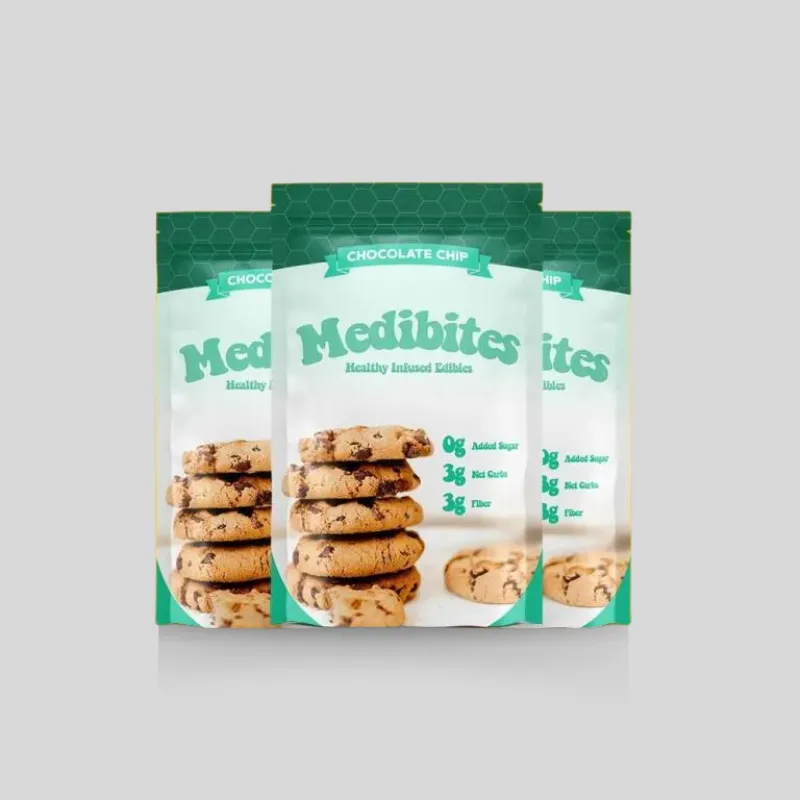
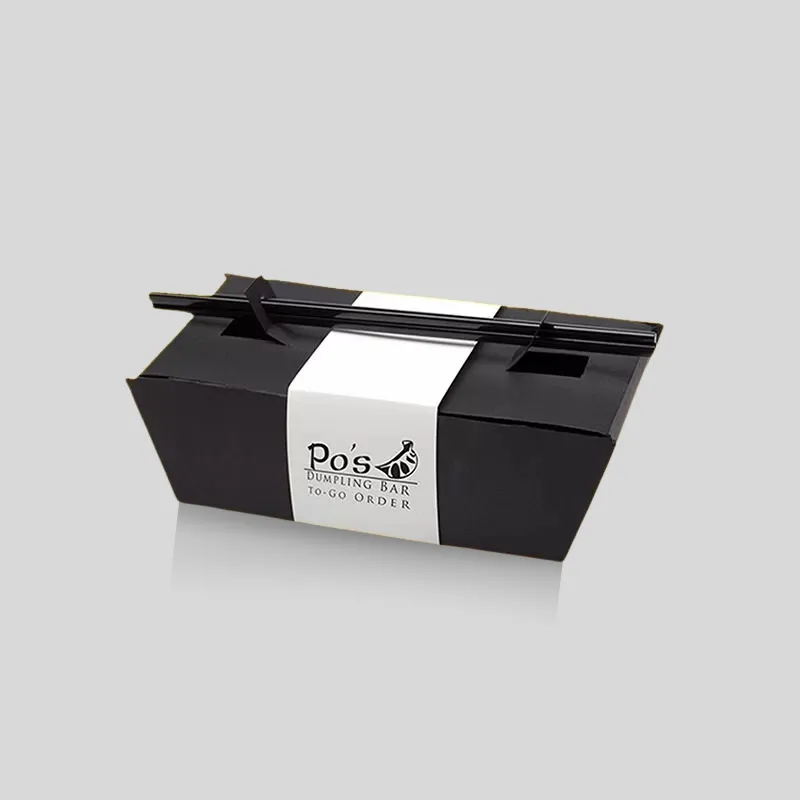
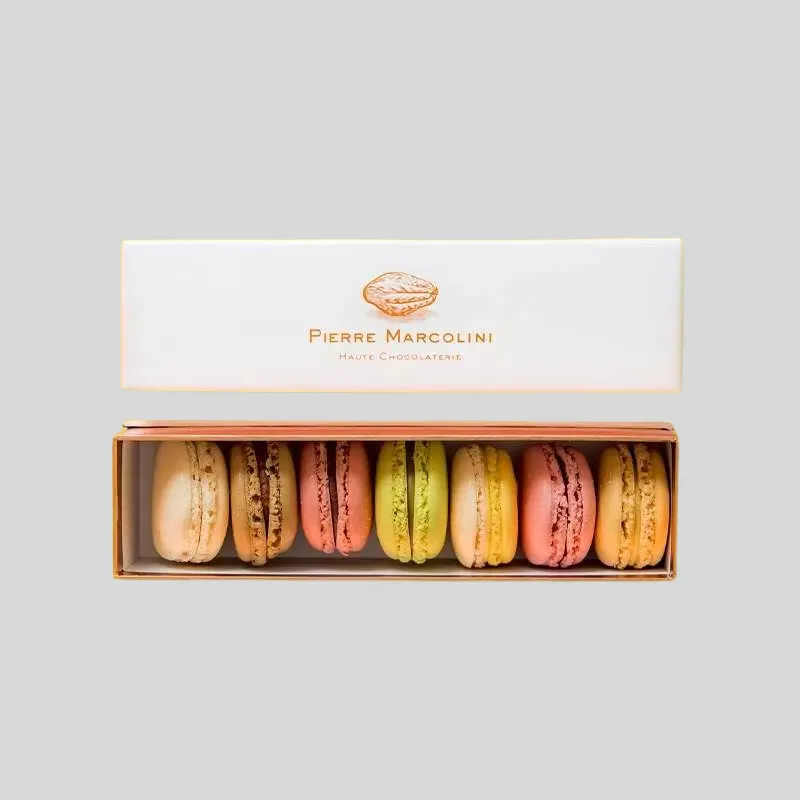
If you're packaging food products, compliance isn't optional—it's the law. The Food and Drug Administration (FDA) has strict requirements for materials that contact food, and failing to comply can result in recalls, fines, and legal liability.
This guide breaks down everything you need to know about FDA-compliant food packaging.
Understanding FDA Food Contact Regulations
What the FDA Regulates
The FDA regulates any material that:
- Directly contacts food
- Could reasonably be expected to contact food
- Becomes part of food through contact
This includes:
- Primary packaging (boxes, bags, containers)
- Liners and coatings
- Inks and adhesives that contact food
- Labels on food-contact surfaces
Key Regulatory Framework
21 CFR (Code of Federal Regulations)
- Part 174-178: Indirect food additives
- Part 182-186: GRAS substances
- Part 170-171: Food additive petitions
Food Contact Notification (FCN)
- Modern pathway for new food contact materials
- Manufacturers submit safety data to FDA
- 120-day review process
- More common than petitions today
Food-Safe Packaging Materials
Paper and Paperboard
Paper products for food must meet:
- Purity standards (no harmful substances)
- Specific requirements for bleaching
- Heavy metal limits
- Migration limits for any coatings
Safe Options:
- Virgin kraft paperboard
- FDA-compliant recycled content
- Grease-resistant treatments (PFC-free preferred)
- Aqueous coatings
Avoid:
- Recycled paper with unknown content
- Papers with non-food-safe inks
- Unapproved coatings
Corrugated Cardboard
Requirements for corrugated food packaging:
- Outer liner: No specific requirements (no food contact)
- Inner liner: Must meet food-contact standards
- Adhesives: Must be food-safe if contact possible
Coatings and Liners
Common Food-Safe Coatings:
- Polyethylene (PE): Moisture barrier
- Polypropylene (PP): Heat and moisture resistant
- PLA (polylactic acid): Compostable option
- Aqueous coatings: Water-based barrier
Grease Resistance:
- Traditional PFCs being phased out
- New PFC-free alternatives available
- Must verify FDA compliance
Certification Requirements
What Certification Means
"FDA compliant" means materials meet:
- Composition requirements
- Testing requirements
- Good Manufacturing Practices (GMPs)
- Specific use conditions
Required Documentation
Suppliers should provide:
Letter of Compliance/Guarantee
- States materials meet FDA requirements
- References specific CFR sections
- Covers specific use conditions
Material Specifications
- Composition details
- Manufacturing process
- Testing certifications
Migration Testing (if applicable)
- Overall migration limits
- Specific migration limits
- Test conditions matching intended use
Important Certifications
Safe Quality Food (SQF)
- Recognized by GFSI
- Manufacturing quality standard
- Covers packaging facilities
BRC Global Standard
- Packaging and packaging materials
- International recognition
- Retailer requirements often cite BRC
Labeling Requirements
Required Information
Food packaging typically must display:
- Product identity
- Net quantity
- Manufacturer information
- Ingredient list
- Nutrition facts
- Allergen warnings
Placement Rules
- Principal Display Panel (PDP): Name, net weight
- Information Panel: Ingredients, nutrition, manufacturer
- Must be legible and conspicuous
- Size requirements based on package size
Common Labeling Mistakes
- Missing allergen declarations
- Incorrect net weight placement
- Font size too small
- Missing manufacturer address
- Nutritional information errors
Types of Food Packaging Compliance
Direct Food Contact
For packaging touching food:
- All materials must be food-safe
- Inks must not migrate through
- Consider fat/oil/acid content
- Time and temperature factors
Indirect Food Contact
For outer packaging:
- Less stringent requirements
- Still consider migration potential
- Ink on inside of outer box matters
Functional Barriers
A layer preventing migration:
- Allows non-compliant outer materials
- Must be proven effective
- Adds complexity and cost
Special Considerations by Food Type
Dry Foods
- Lower migration risk
- Standard food-safe materials
- Moisture protection focus
Fatty/Oily Foods
- Higher migration potential
- Need appropriate barriers
- Grease resistance required
- More stringent testing
Acidic Foods
- Can increase migration
- Specific material requirements
- pH considerations
Hot Foods
- Temperature affects migration
- Heat-stable materials required
- Special testing conditions
Refrigerated/Frozen Foods
- Moisture resistance critical
- Cold temperature performance
- Condensation considerations
Bakery Packaging Specifics
Common Bakery Products
Cakes and Cupcakes:
- Window boxes with food-safe windows
- Grease-resistant base
- Venting for moisture
Cookies and Pastries:
- Food-safe ink critical
- Grease resistance for butter items
- Oxygen barrier for freshness
Bread Products:
- Moisture management
- Venting requirements
- Bag vs. box considerations
Bakery-Specific Requirements
- Grease barriers for butter/oil items
- Windows must be food-safe film
- Consider product moisture levels
- Shelf life requirements
Getting Compliant Packaging
What to Ask Suppliers
- "Are your materials FDA compliant for direct food contact?"
- "Can you provide a letter of compliance?"
- "What CFR sections do your materials comply with?"
- "Has the material been tested for my specific food type?"
- "Are your inks food-safe?"
- "Do you follow GMPs?"
Red Flags to Watch For
- Unable to provide documentation
- Vague "food safe" claims without specifics
- No reference to CFR sections
- Reluctance to discuss compliance
- Significantly lower prices than competitors
Common Compliance Questions
Q: Can I use regular custom boxes for food?
A: Not necessarily. Standard custom boxes may use materials or inks not intended for food contact. Always verify food-grade compliance.
Q: Is recycled cardboard food-safe?
A: It can be if sourced from controlled recycled streams and processed appropriately. Verify with supplier documentation.
Q: Do I need to test my packaging?
A: Testing depends on risk level. High-risk (fatty, acidic, hot) foods may need migration testing. Consult with your supplier and consider third-party testing for peace of mind.
Q: What if my food doesn't directly touch the box?
A: If there's a functional barrier (sealed inner bag), outer packaging requirements are less stringent. Document the barrier's effectiveness.
Working with Brisk Packaging
Our food packaging solutions include:
Standard Compliance:
- FDA-compliant materials
- Food-safe inks and coatings
- Letter of compliance included
- GMP-compliant manufacturing
Available Options:
- Grease-resistant coatings
- Custom window films
- Temperature-appropriate materials
- Various barrier options
Documentation Provided:
- Material compliance letters
- Specification sheets
- Certification copies upon request
We've helped hundreds of food businesses navigate packaging compliance. Our team understands the requirements and can guide you to the right solution.
Whether you're packaging cookies, cakes, prepared foods, or specialty products, we ensure your packaging meets FDA requirements while looking great and protecting your products.
FAQ: Frequently Asked Questions
What is food packaging FDA compliance?
Navigate FDA food packaging regulations with confidence. Learn about food-safe materials, required certifications, labeling requirements, and how to ensure your food packaging meets all legal standards.
Why is food packaging FDA compliance important for brands?
Food Packaging Requirements: FDA Compliance Guide matters because packaging affects product protection, first impressions, customer trust, and repeat purchases. The right packaging also supports branding, shipping performance, and the overall unboxing experience.
What should businesses consider when planning food packaging FDA compliance?
Businesses should consider product size, material strength, print quality, sustainability goals, order quantity, budget, shipping conditions, and how the package will look in retail or during delivery.
How can Brisk Packaging help with food packaging FDA compliance?
Brisk Packaging can help with custom box structure, artwork guidance, material selection, finishing options, samples, and production support so the final packaging fits the product and brand goals.
How do I get started with food packaging FDA compliance?
Start by sharing your product details, preferred dimensions, quantity, artwork, and any compliance requirements. The Brisk Packaging team can review the project and recommend a practical custom packaging solution.