
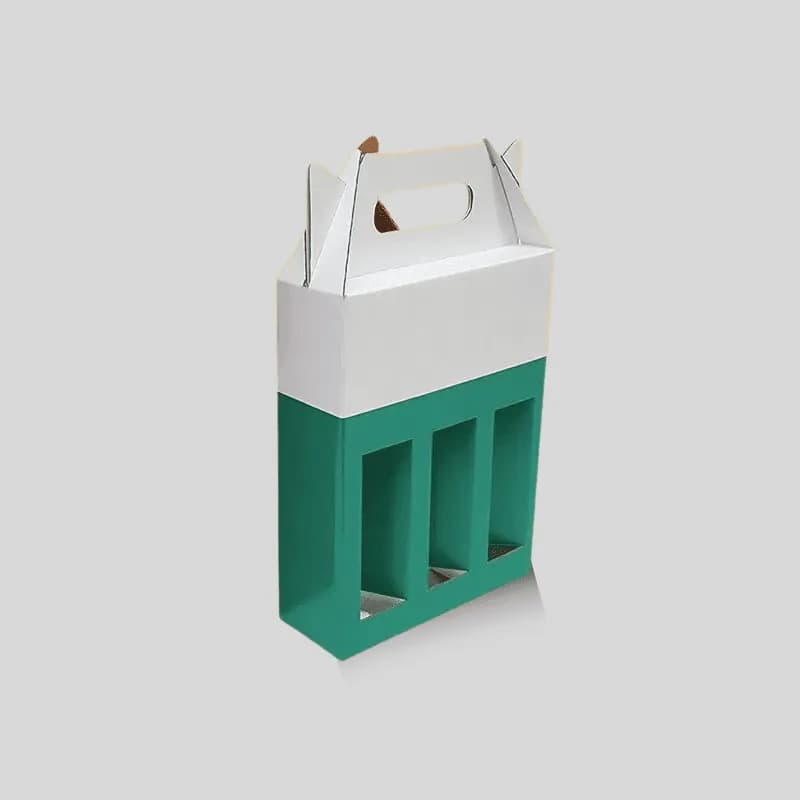
To choose custom beverage boxes, start with the filled bottle or can weight, the number of units per pack, the sales channel, and the amount of moisture exposure the box will face. A single premium bottle can use a rigid or folding carton. A 4-pack or 6-pack needs reinforced handles and tear-resistant board. E-commerce wine or bottled beverage shipping needs corrugated dividers, crush resistance, and drop testing. Cold products need moisture-resistant coatings so condensation does not soften the carton.
Beverage packaging is different from standard retail packaging because liquid creates dynamic load. Bottles shift, glass can clink, cans dent, and cold surfaces create condensation. A strong beverage box should protect the container, carry the real packed weight, keep branding visible, and make packing practical for your team.
This guide explains how beverage brands can select structure, board grade, inserts, moisture barriers, print methods, and quote details before ordering custom beverage boxes from Brisk Packaging.
---
1. Match the Box Style to the Beverage Format
The best beverage box depends on whether you are packing cans, glass bottles, plastic bottles, boxed samplers, wine, champagne, or luxury gift sets. Do not choose only by appearance. Choose by packed weight, bottle geometry, and handling route.
Multi-Pack Beverage Carrier Boxes
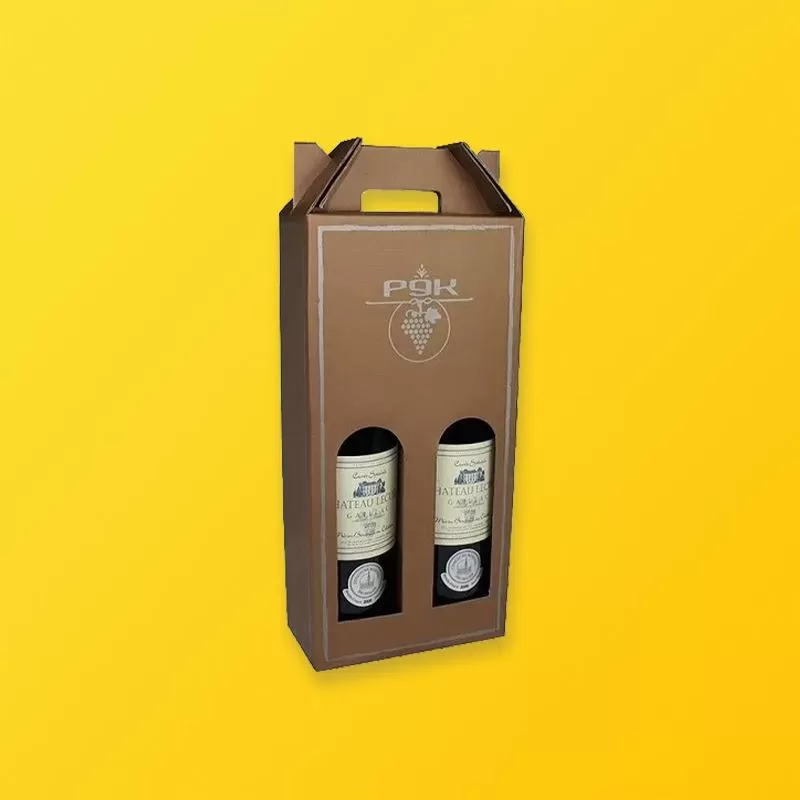
Carrier boxes are common for craft beer, canned cocktails, specialty soda, cold brew, juice, kombucha, and promotional drink sets. The handle is the critical design feature. It must carry the filled product weight without tearing through the top panel.
A proper carrier design usually needs:
- Reinforced die-cut handle areas
- Tear-resistant kraft or coated board
- Bottom panels sized for the real bottle or can footprint
- Internal separation so containers do not rub or clink
- Enough clearance for caps, crowns, pull tabs, or neck shapes
For heavier glass bottles, ask Brisk to review a reinforced handle dieline and test it with the actual packed product, not an empty sample. Review custom beverage boxes with handle if your packaging needs retail carryout strength.
Single Bottle Retail Boxes
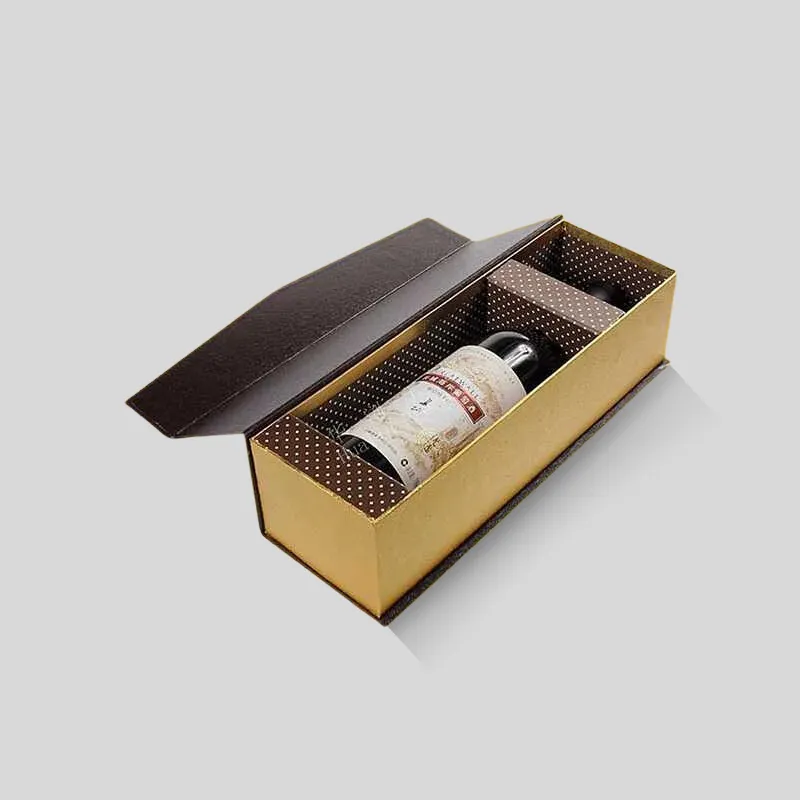
Single bottle boxes work well for premium water, spirits, olive oil, syrups, wellness drinks, and giftable beverages. These boxes often use straight tuck, reverse tuck, auto-lock bottom, or sleeve structures.
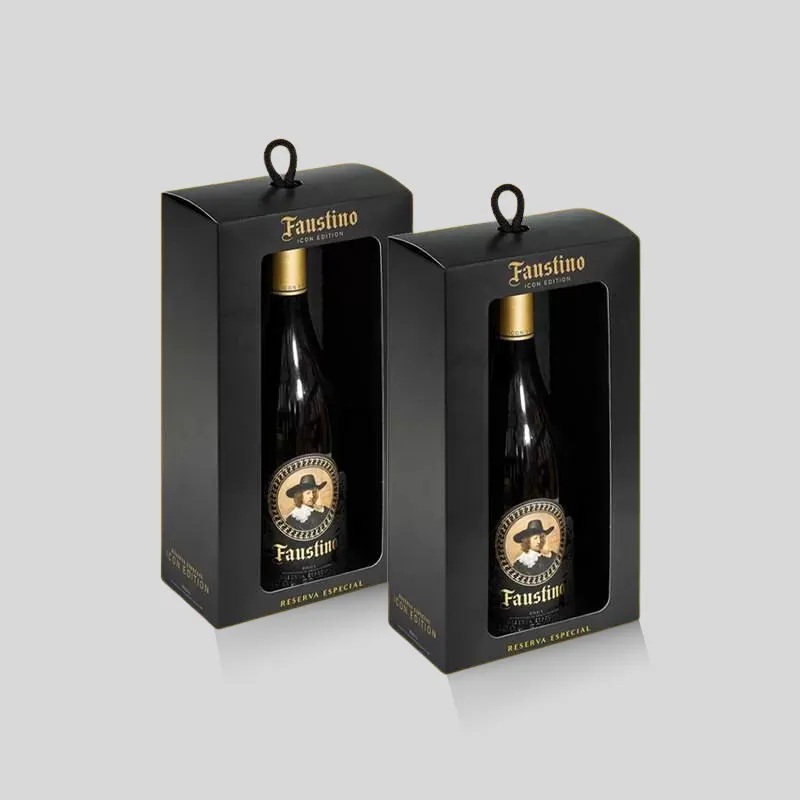
The main decision is whether the bottle must be fully hidden, partially visible, or protected for shipping. A full carton maximizes print space and light protection. A die-cut window shows the label and bottle shape. A sleeve-style carton can be useful when the product already has a strong primary container but needs branded shelf presence.
See Brisk's custom bottle boxes for examples of individual bottle packaging formats.
Wine, Spirits, and Champagne Gift Boxes
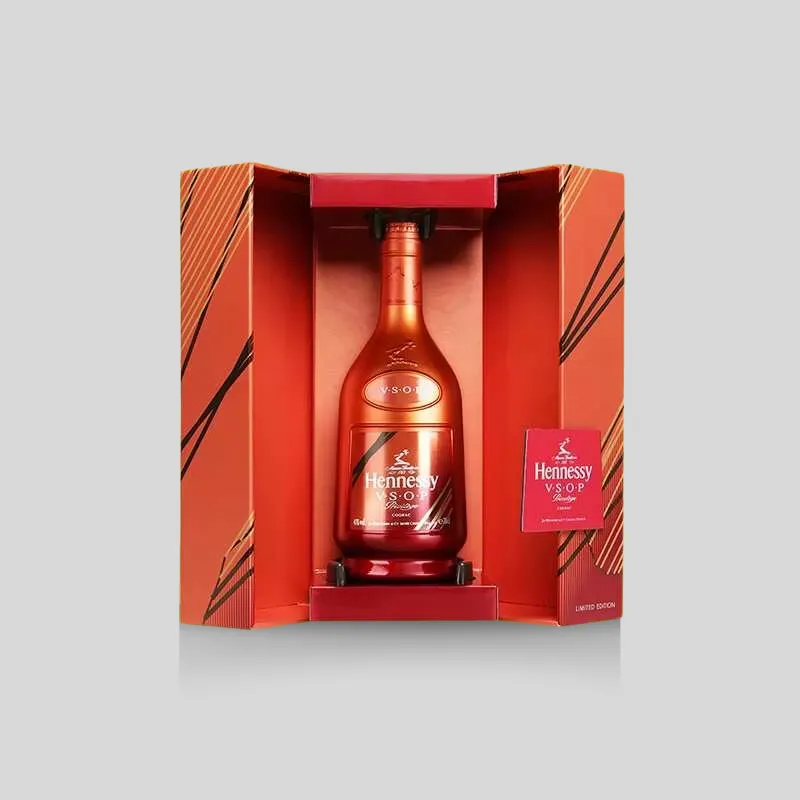
Wine, spirits, and champagne packaging has a higher presentation requirement. A simple folding carton may be enough for shelf retail, but gifting and collector products often need rigid chipboard, magnetic closures, two-piece telescoping structures, or foam cradles.
For fragile glass bottles, the neck, shoulder, and base need controlled support. A bottle can survive a loose carton in a retail store but fail during parcel shipping if it can move vertically or strike the sidewall. Premium structures such as custom wine boxes and custom champagne rigid boxes with inserts help combine protection with a gift-ready opening experience.
Corrugated Beverage Shipping Boxes
If beverages will travel through parcel carriers, wholesale freight, or distributor warehouses, corrugated packaging becomes more important than decoration. Corrugated beverage boxes should be designed around stack strength, side impact, compression, and internal dividers.
A beverage freight carton may use:
- E-flute for clean print and compact retail strength
- B-flute for puncture resistance and carrier structure
- C-flute for shipping cartons and stronger cushioning
- Double-wall board for heavier bottle counts or long distribution routes
- Interlocking partitions to separate glass containers
Explore custom design beverages corrugated boxes when the shipment route is rougher than normal shelf handling.
---
2. Choose Material by Weight, Moisture, and Print Needs
Beverage packaging materials must balance presentation with strength. A beautiful carton that sags under condensation or tears at the handle can damage both product and brand trust.
| Material | Best Use | Strength | Print Quality | Watchout | | :--- | :--- | :--- | :--- | :--- | | SBS paperboard | Premium retail cartons, single bottles, luxury print | Medium | Excellent | Needs coating for wet/cold environments | | CUK/SUS kraft board | Multi-packs, natural branding, stronger tear resistance | High | Good with coated exterior | Natural interior may affect color perception | | E-flute corrugated | Premium retail shipping, display cartons | Medium-high | Very good | Less cushioning than C-flute | | B-flute corrugated | Beverage carriers and stronger retail cartons | High | Good | Slightly thicker profile | | C-flute corrugated | Shipping cartons and freight | Very high | Moderate | Less refined for premium shelf graphics | | Rigid chipboard | Gift boxes, champagne, luxury spirits | High presentation strength | Excellent with wrap paper | Higher cost and setup complexity |
Paperboard Caliper
For individual beverage cartons, many projects use 18pt to 28pt board depending on product weight and box size. Lighter cans or plastic bottles may work with thinner board. Heavy glass bottles need stronger caliper, reinforced bottoms, or corrugated alternatives. If the product is cold-filled, refrigerated, or displayed in coolers, ask for a moisture barrier coating before approving the final board.
Corrugated Flute Selection
Corrugated beverage packaging should not be chosen only by thickness. The flute affects stacking strength, print quality, and cushioning.
- E-flute: clean print surface and compact structure for premium beverage retail cartons.
- B-flute: strong puncture resistance and good support for multi-pack carriers.
- C-flute: stronger cushioning and vertical stacking strength for shipping cartons.
- Double-wall: useful for heavier case packs, glass bottle freight, and higher-risk routes.
If you are unsure, share bottle count, filled weight, route, and pallet pattern during the quote process so Brisk can recommend the right flute.
---
3. Design Handles and Bottom Panels for Real Packed Weight
The most common beverage carrier failure is not a weak sidewall; it is a handle or bottom panel that was designed for appearance instead of load. A 6-pack of glass bottles places major stress on the top panel when a customer lifts it quickly or swings it while walking.
A durable carrier should consider:
- Handle shape: Rounded handle corners reduce tear concentration compared with sharp inside corners.
- Board grain direction: The direction of paper fibers affects tear resistance around handle cuts.
- Reinforcement panels: Fold-over top panels or laminated handle strips improve load capacity.
- Bottom lock strength: Auto-bottom, crash-lock, or reinforced glued bases carry more weight than simple tuck closures.
- Grip comfort: A handle that is strong but painful still creates a poor customer experience.
For multi-pack carriers, ask for a physical sample and lift-test it with filled bottles or cans. A clean dieline alone cannot prove performance.
---
4. Use Dividers and Inserts to Stop Bottle Movement
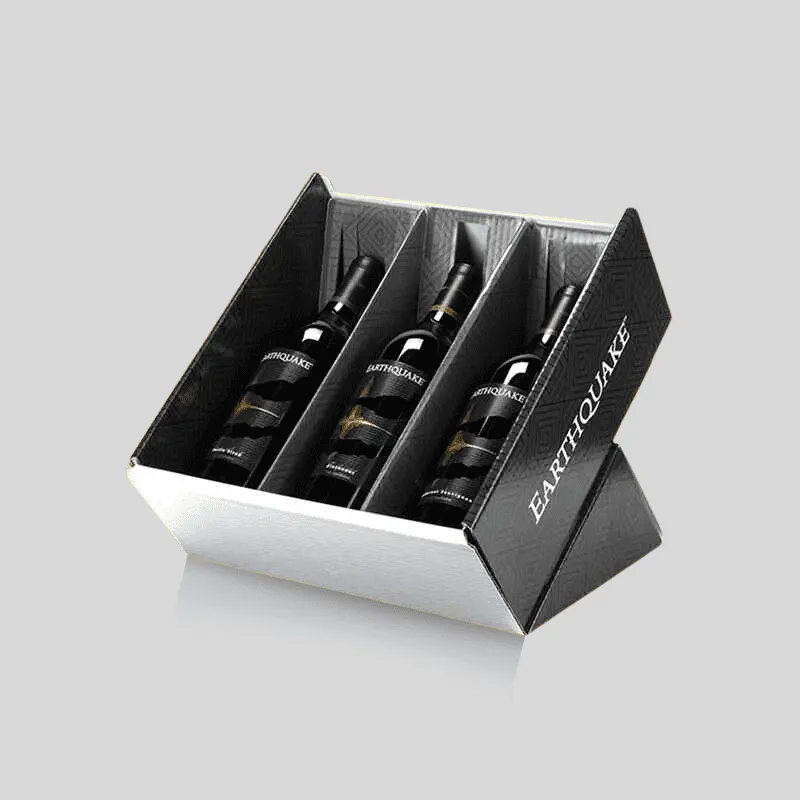
Beverage containers are usually round, smooth, and heavy. Without dividers, bottles can strike each other in transit. Even if glass does not break, label scuffing and cap damage can make a product look rejected before the buyer opens it.
Corrugated Cell Dividers
Corrugated cell dividers are ideal for shipping multiple glass bottles in one outer carton. They prevent bottle-to-bottle impact and organize the pack for quick loading. Dividers should be sized to the widest bottle diameter, not only the label panel. Allow for shoulders, neck taper, caps, corks, closures, and any tamper-evident bands.
Paperboard Neck Locks
For retail cartons, paperboard neck locks or collar supports can hold a bottle in position without bulky foam. These are useful when a box includes a die-cut window and the bottle must sit centered for shelf presentation.
Foam, Molded Pulp, and Luxury Inserts
Luxury wine, spirits, and champagne boxes often need EVA foam, molded pulp, or wrapped board inserts. EVA foam provides a premium fit and strong presentation, while molded pulp supports sustainability goals and can cushion irregular shapes. The insert choice should match product price point, breakage risk, and brand positioning.
---
5. Plan Moisture Protection Before the Carton Gets Wet
Cold beverages create condensation. That moisture can soften uncoated paperboard, blur print, weaken glued seams, and cause carriers to sag. If your beverage is sold from refrigerators, ice tubs, coolers, or outdoor events, moisture resistance should be part of the packaging specification.
Common options include:
- Water-resistant aqueous coatings: a practical option for many refrigerated retail cartons.
- Gloss or matte lamination: protects print from scuffing and light moisture while changing the finish feel.
- PE or bio-barrier coating: improves resistance when the carton will face heavier condensation.
- Kraft with protective coating: keeps a natural look while improving moisture handling.
Avoid claiming a carton is waterproof unless the structure and coating are specifically engineered and tested for that condition. For most beverage boxes, the correct phrase is moisture-resistant or condensation-resistant.
---
6. Make the Packaging Sell on the Shelf
Beverage shelves are crowded. Your box must communicate flavor, pack size, container count, product type, and brand identity quickly.
Use Windows When the Bottle Is the Hero
Window beverage boxes are useful when the bottle label, bottle shape, or liquid color sells the product. A clear PET window can show premium glass, foil labels, or distinctive silhouettes. The window must not weaken the box panel or expose fragile areas to impact. Use a reinforced border around large window cuts.
Choose Print Method by Volume and Artwork Complexity
- Digital printing: good for short runs, seasonal flavors, launch tests, and multiple SKUs.
- Offset printing: strong for high-quality retail graphics and larger planned runs.
- Flexographic printing: practical for corrugated shippers and high-volume distribution cartons.
If you sell many flavors, build a packaging system with shared base artwork and variable flavor panels. This keeps the line consistent while reducing design complexity.
Premium Finishes for Gift Beverage Packaging
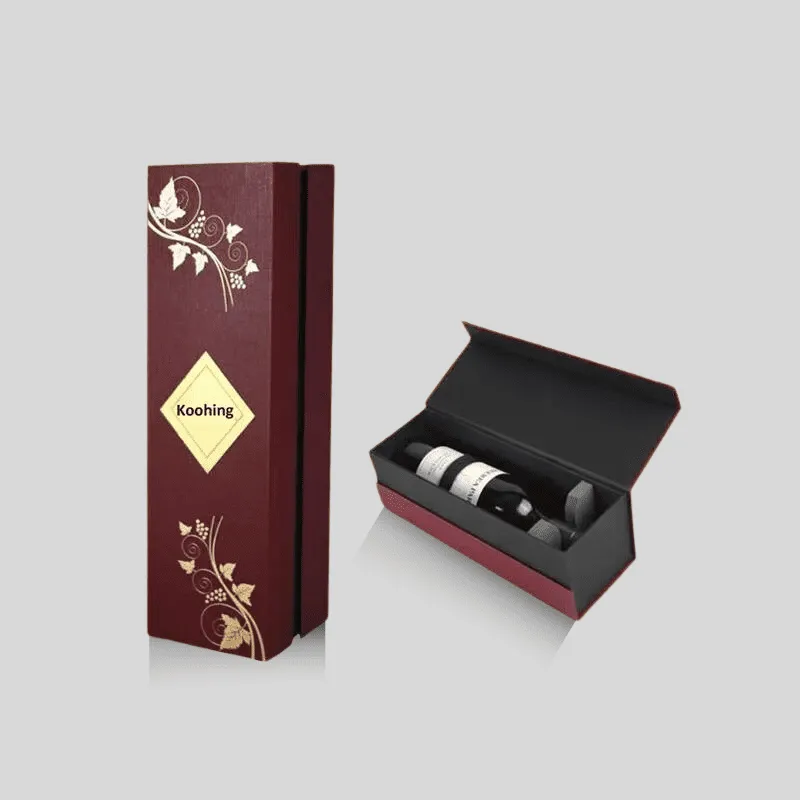
Luxury beverage packaging can use hot foil stamping, embossing, debossing, spot UV, soft-touch lamination, textured paper wrap, ribbon pulls, or magnetic closures. Use these finishes selectively. Foil around a logo, crest, vintage year, or limited-edition badge often looks stronger than covering every panel.
---
7. Include Compliance and Labeling Space Without Making Claims
Packaging can support required product information, but beverage compliance depends on product type, market, alcohol status, ingredients, and distribution location. Do not rely on a generic box template for legal requirements.
Leave clear zones for:
- Product name and flavor variant
- Net contents or volume statement
- Barcode and SKU
- Lot or batch code area
- Recycling and material marks where applicable
- Alcohol warnings or ABV statements when applicable
- Manufacturer, importer, or distributor information
- Nutrition or ingredient information when required
Ask your regulatory or legal advisor to confirm final label content before print approval. Brisk can help create print-ready artwork zones, but the brand is responsible for final compliance review.
---
8. Common Mistakes to Avoid
Choosing the Box Before Measuring the Filled Product
Bottle height, cap diameter, shoulder width, label position, and base punt all matter. Measure the physical item and provide Brisk with filled weight, not only empty container dimensions.
Ignoring Handle Strength
A carrier that looks good empty can fail when loaded with cold glass bottles. Reinforced handles and proper grain direction are essential.
Leaving No Room for Dividers
If dividers are added after the outer box is already sized, the interior can become too tight. Design the carton and insert together.
Using Uncoated Paperboard in Wet Environments
Refrigerator shelves, ice buckets, delivery bags, and outdoor events expose packaging to moisture. Select coatings before production.
Overusing Premium Finishes
A beverage box can look expensive without becoming hard to recycle or too costly. Use foil, embossing, and spot UV where they highlight the brand story.
---
9. Beverage Packaging Quote Checklist
Before requesting a quote, prepare the following details:
- Beverage type: cans, glass bottles, plastic bottles, pouches, jars, or gift bottles
- Container count per box: 1, 2, 4, 6, 12, or custom count
- Filled product weight and empty container weight
- Bottle/can dimensions: height, diameter, shoulder, cap, closure, and label area
- Sales channel: retail shelf, refrigerated shelf, e-commerce, wholesale, events, or gifting
- Preferred box style: carrier, folding carton, rigid gift box, corrugated shipper, sleeve, or window box
- Insert needs: corrugated partitions, paperboard neck locks, molded pulp, EVA foam, or no insert
- Moisture exposure: dry shelf, refrigerated, ice bucket, outdoor event, or delivery bag
- Print method and number of SKUs/flavors
- Finish preferences: matte, gloss, soft-touch, foil stamping, embossing, spot UV, window film
- Shipping destination, timeline, and estimated order quantity
Send these details to Brisk when requesting beverage packaging samples or a project-specific quote. The more complete the brief, the easier it is to recommend a reliable board grade, dieline, insert, and finish.
---
FAQ
What are custom beverage boxes used for?
Custom beverage boxes are used to package, carry, display, gift, or ship beverage containers such as cans, glass bottles, plastic bottles, wine bottles, champagne bottles, specialty drinks, and multi-pack retail sets.
What is the best material for beverage carrier boxes?
The best material depends on filled weight and moisture exposure. Many beverage carriers use strong kraft paperboard or B-flute corrugated board with reinforced handles. Refrigerated products may need moisture-resistant coatings.
Do beverage boxes need dividers?
Dividers are strongly recommended for glass bottles, multi-bottle shippers, wine packs, and any product that can clink or move during transit. Corrugated cell dividers reduce bottle-to-bottle impact and improve packing organization.
Can beverage boxes be made with windows?
Yes. Window beverage boxes can show the bottle label, liquid color, or premium container shape. The window size and placement should preserve panel strength and protect fragile container areas.
Are beverage boxes waterproof?
Most beverage boxes are not fully waterproof unless specifically engineered for that use. However, water-resistant coatings, laminations, and barrier treatments can improve performance against refrigerator condensation and light moisture exposure.
What information should I provide for a beverage packaging quote?
Provide the container type, filled weight, dimensions, pack count, sales channel, moisture exposure, insert requirements, artwork needs, quantity, and timeline. You can also request a dieline review and sample guidance from a Brisk packaging specialist.
---
Build Your Custom Beverage Packaging With Brisk
If your beverage box needs to carry real weight, survive refrigeration, separate fragile bottles, or present a premium drink as a gift, treat the packaging as a structural project, not only a print job. Brisk Packaging can help you compare board grades, reinforced handle dielines, dividers, luxury inserts, and finish options for your product line.
Request custom beverage packaging samples, share your bottle or can measurements, and ask for a project-specific quote with dieline review before production.