

Choosing custom candle boxes comes down to three decisions made in order: the structure that fits your vessel, the board and insert that keep a heavy glass jar from moving, and the finish that survives handling without scuffing. Candles are one of the hardest products to package well because the item is dense, often fragile, and frequently bought as a gift — so the box has to protect a glass vessel through parcel shipping and look worth the price on a shelf. This guide walks through each decision with the structures Brisk actually produces, then gives you a checklist to gather before requesting a quote.
Start with the vessel, not the box
Candle packaging failures almost always trace back to the same mistake: the brand designed the box around a rough size instead of the real vessel. Measure the actual filled candle before anything else.
- Jar candles — glass tumblers, apothecary jars, and lidded vessels. Heavy, smooth-sided, and prone to sliding. These need a snug interior or an insert.
- Pillar candles — free-standing wax with no vessel. Surface damage and denting are the main risks, so interior friction matters more than crush strength.
- Votives and tealights — small, sold in multiples, usually needing a multi-cavity layout rather than a single-unit box.
- Taper candles — long and thin, with breakage risk along the length. Requires a structure that supports the full span.
- Tin candles — durable but with lids that can pop under compression, so the box should not press on the lid seam.
Record the vessel's outside diameter (or width and depth), the total height with the lid on, and the filled weight. Those three numbers drive every downstream decision, including whether a folding carton is sufficient or a rigid box is required.
Structure options for candle packaging
Two-piece boxes (lid and base)
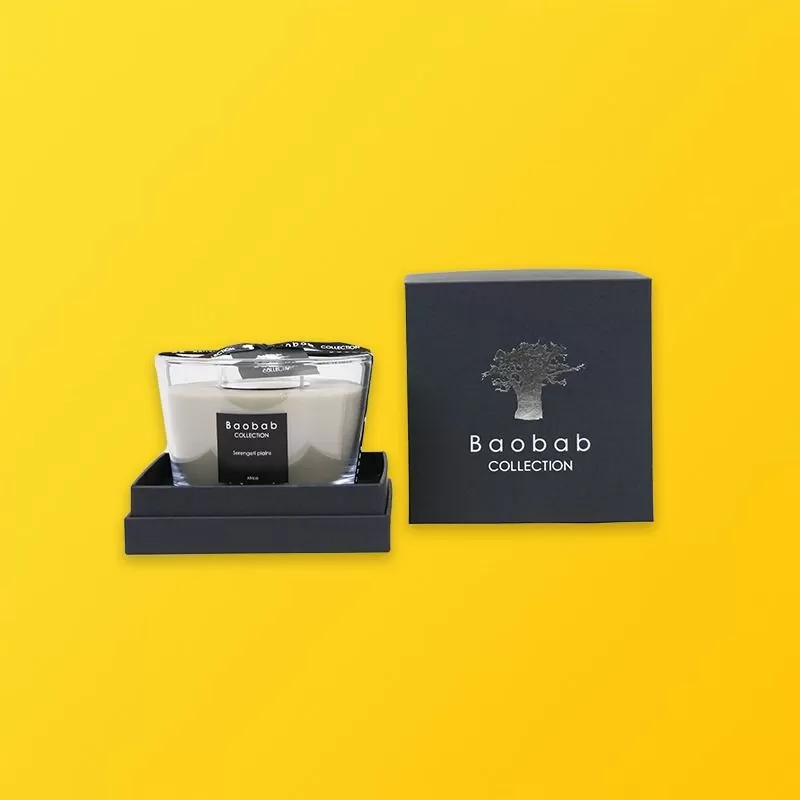
A two-piece candle box separates into a lid and a base, giving the slow, deliberate reveal that gift buyers respond to. Because the lid lifts straight off, the candle is never tipped or slid out, which reduces the chance of chipping a glass rim. Two-piece construction also handles weight well, since the base walls carry the load rather than a single glued seam. It costs more per unit than a tuck-end carton, so it fits candles at gift and premium price points rather than everyday retail.
Rigid candle boxes
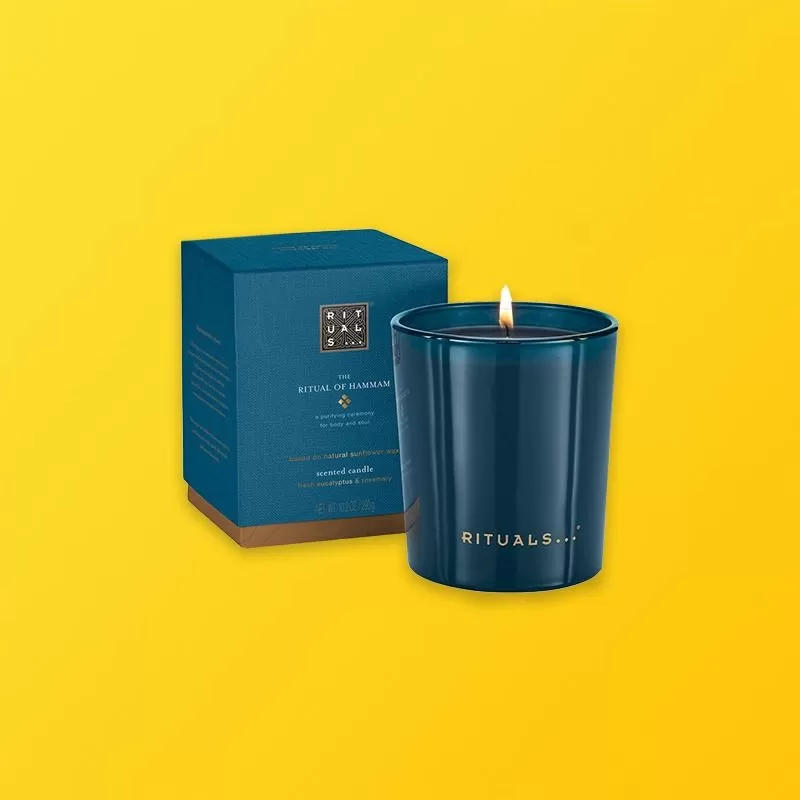
Rigid candle boxes use a thick chipboard core wrapped in printed paper. They do not collapse, they hold a sharp edge, and they give the substantial hand-feel buyers associate with luxury home fragrance. The trade-offs are real: rigid boxes ship flat-packed only in limited styles, they take up more warehouse space, and tooling and unit costs are higher. Choose rigid when the candle sells above a premium threshold, when it is positioned as a gift, or when the box is intended to be kept and reused. If you are weighing this against a printed carton, our guide to rigid boxes vs folding cartons breaks down the cost and structure differences in detail.
Folding cartons and tuck boxes
Printed folding cartons remain the workhorse for candle retail. They ship and store flat, run efficiently at volume, and print beautifully. For a jar candle, a cardboard candle box in a sufficient board caliper handles shelf duty well. Where cartons struggle is unsupported parcel shipping of heavy glass — a carton alone is rarely enough protection, which is why the insert decision below matters so much.
Window boxes
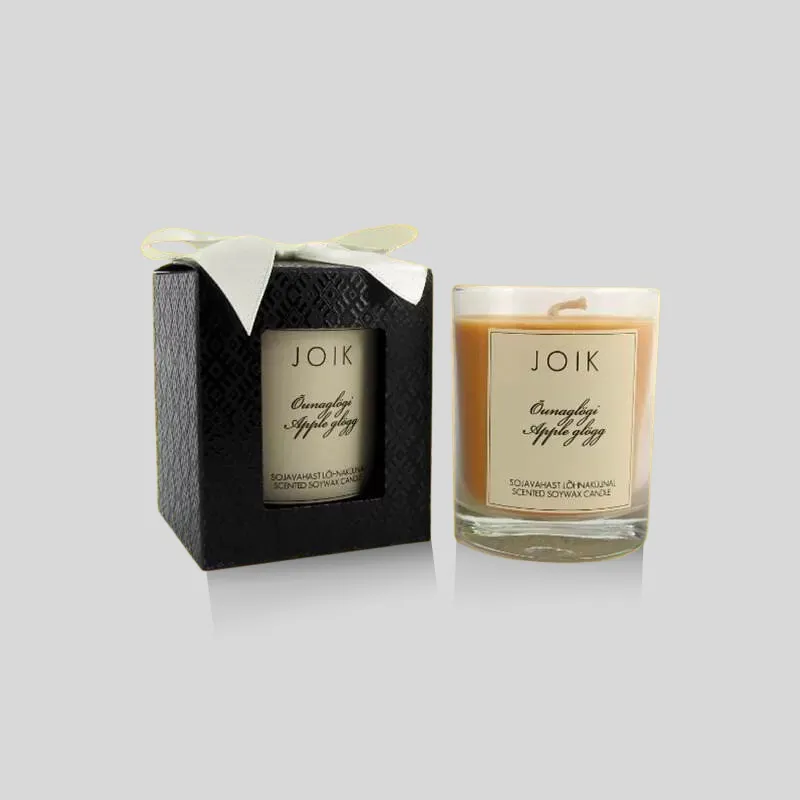
Candle boxes with a window let the buyer see wax color, layering, and vessel shape before purchase — genuinely useful when the candle itself is the visual selling point. The cost is structural: a die-cut opening removes panel strength, and the film patch adds a step. Keep windows away from load-bearing corners and away from the panel that takes stacking pressure. Our window boxes guide covers film choices and placement rules.
Inserts: the decision that prevents breakage
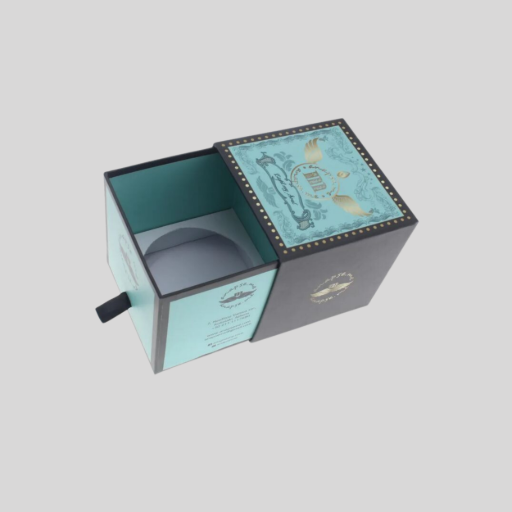
A candle that can move inside its box will eventually break something. Candle boxes with inserts solve this by immobilizing the vessel.
| Insert type | Best for | Notes |
|---|---|---|
| Corrugated cavity insert | Jar and tin candles shipped direct | Cost-effective, recyclable, holds heavy vessels well |
| Foam insert | Fragile or irregular vessels | Highest protection, higher unit cost |
| Molded pulp | Eco-positioned brands, jar candles | Recyclable and protective, needs volume to justify tooling |
| Paperboard platform | Pillars and tapers | Lightweight, keeps wax from contacting box walls |
| Multi-cavity divider | Votive and tealight sets | Prevents unit-to-unit collision in multipacks |
The rule of thumb is simple: if the candle is glass and it will travel through a parcel network, budget for an insert rather than hoping a tight box is enough. For a full comparison of insert materials and when each earns its cost, see the full range of insert-ready box options.
Material and board selection
- SBS / white paperboard — the default for full-color retail candle cartons. Clean white surface, excellent print reproduction, good for gradient and photographic artwork.
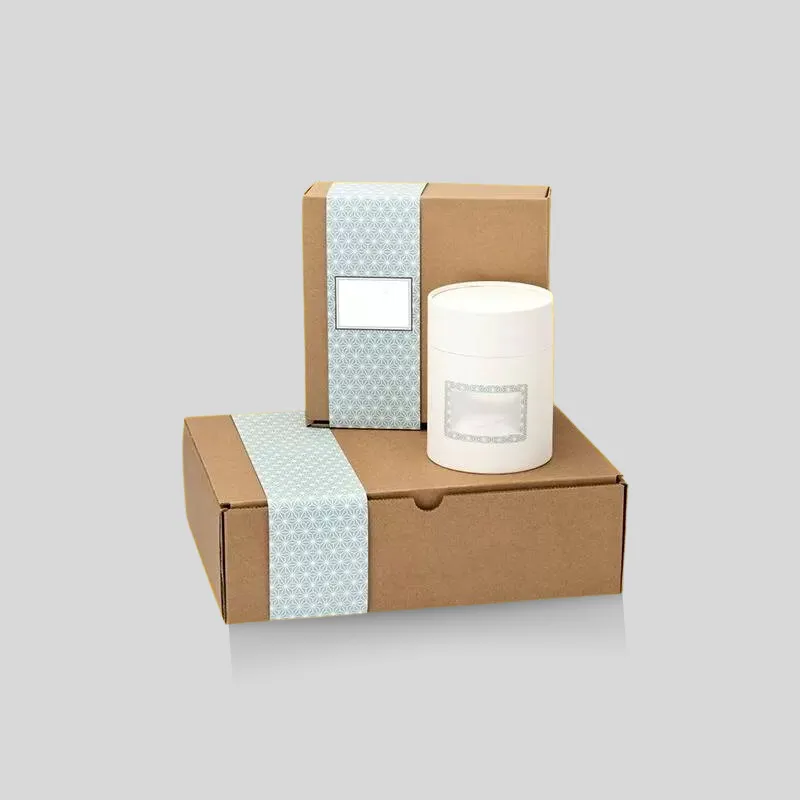
- Kraft board — kraft candle boxes suit natural, soy-wax, and small-batch positioning. The brown substrate shifts printed colors, so expect muted results and design accordingly; one- or two-color designs usually look better on kraft than four-color photography.
- Corrugated (E-flute) — adds real crush resistance for heavy jars and shipper-ready candle packaging. Thicker walls mean a slightly less refined print surface than SBS, though litho-lamination narrows that gap.
- Rigid chipboard with wrap — the premium route described above, used where structure and hand-feel matter more than unit cost.
Heavier vessels need heavier board. A 4 oz travel tin and a 16 oz three-wick jar should not be packed in the same caliper. If you are unsure which substrate family fits, a packaging specialist can compare board options against your vessel weight and shipping method.
Finishes that work for candle packaging
Candle boxes are handled a lot — picked up, turned over, compared against a competitor on the same shelf. Finish choice should account for that.
- Matte lamination gives a soft, contemporary feel favored by home-fragrance brands, and it hides fingerprints better than gloss. It does show scuffs on dark solids, so consider a scuff-resistant matte film for very dark artwork.
- Gloss lamination boosts color saturation and wipes clean easily, which suits vivid seasonal or scent-forward designs.
- Soft-touch coating delivers the velvety hand-feel that reads as premium and pairs naturally with rigid construction.
- Foil stamping on a logo or scent name adds shelf presence at a modest cost when applied to a small area.
- Spot UV creates contrast against a matte base — effective for botanical patterns and wordmarks.
- Embossing or debossing adds tactile depth and works especially well on uncoated and kraft stocks.
Two practical cautions. First, avoid heavy full-coverage coatings on the interior surface that contacts wax directly, and confirm any direct-contact requirement with your packaging specialist. Second, request a physical sample before committing — finish decisions look very different on screen than in hand.
Sizing, tolerances, and dielines
Candle vessels vary more than most product categories, particularly hand-poured glass. Build tolerance into the design:
- Add clearance for vessel diameter variation, especially with artisanal or recycled glass.
- Account for lid height and any knob or finial on the lid.
- Confirm whether the candle ships with a dust cover or shrink band, which changes the effective outside dimension.
- Decide early whether the box must fit a specific mailer or shipper for your fulfillment setup.
Send your packaging partner the measured vessel dimensions and, ideally, a physical sample. A dieline built against a real vessel almost always beats one built from a spec sheet. Getting these measurements right the first time is what prevents costly re-tooling later.
Shipping candles without breakage
Retail packaging and shipping packaging are two different jobs. A beautiful candle carton is not a shipper.
- Immobilize the vessel inside the primary box with an insert.
- Use an outer shipper with void fill for direct-to-consumer orders rather than shipping the retail carton bare.
- Consider temperature — soy and coconut wax soften in heat, and a candle that sits in a hot delivery vehicle can develop a rough or uneven surface. Packaging cannot prevent this, but a snug fit reduces the sloshing that makes it visible.
- Test before you scale. Ship a small batch to yourself and to a few customers in different regions before ordering ten thousand units.
Cost factors to expect
Candle box pricing moves with a predictable set of levers: order quantity, board type and caliper, structure complexity (a rigid two-piece costs more than a tuck-end carton), the number of print colors, special finishes such as foil or soft-touch, whether an insert is included, and any custom die tooling. Window cutouts and inserts each add a step. Volume is usually the single biggest lever, which is why it is worth pricing more than one quantity tier when you request a quote.
We do not publish blanket per-unit pricing, because a 4 oz kraft tealight carton and a 16 oz soft-touch rigid gift box are not comparable products. A specialist can price your specific configuration accurately once the specs below are in hand.
Quote checklist for custom candle boxes
Bring these to your first conversation and you will get an accurate quote on the first pass:
- [ ] Vessel type (jar, tin, pillar, votive, tealight, taper)
- [ ] Exact vessel dimensions and total height with lid
- [ ] Filled weight per unit
- [ ] Single candle or multipack, and how many units per box
- [ ] Preferred structure (two-piece, rigid, tuck carton, window)
- [ ] Insert required, and preferred insert material
- [ ] Material preference (white board, kraft, corrugated, rigid)
- [ ] Print colors and whether you have Pantone brand colors
- [ ] Desired finishes (matte, gloss, soft-touch, foil, spot UV, emboss)
- [ ] Quantity tiers you want priced
- [ ] Target in-hand date
- [ ] Whether you have artwork and a dieline, or need design support
FAQ: Custom candle boxes
What is the best box style for a jar candle?
For retail shelf use, a printed folding carton sized tightly to the jar works well. For gifting or premium positioning, a two-piece or rigid box is the stronger choice. If the candle ships direct to consumers, add a corrugated or molded-pulp insert regardless of which style you pick.
Do I need an insert for candle packaging?
If the vessel is glass and the box will travel through a parcel network, yes. Inserts are the single most effective way to prevent breakage, because a candle that cannot move cannot build momentum against the box wall.
Are kraft candle boxes suitable for full-color printing?
Kraft accepts printing, but the brown substrate shifts and mutes colors. Designs with one or two colors, or with white ink, generally look better on kraft than photographic four-color artwork. Ask for a printed sample on your chosen kraft stock before finalizing artwork.
Should candle boxes have a window?
A window helps when the wax color, layering, or vessel design is a selling point. It slightly reduces panel strength and adds a production step, so place windows away from load-bearing corners and away from the primary stacking panel.
What is the difference between rigid and folding-carton candle boxes?
Rigid boxes use a thick chipboard core wrapped in printed paper and do not fold flat; they feel substantial and hold sharp edges. Folding cartons ship and store flat, run more economically at volume, and print excellently. Rigid suits premium and gift candles; folding cartons suit everyday retail.
Can candle packaging be made sustainable?
Yes. Kraft board, uncoated stocks, corrugated or molded-pulp inserts, and recyclable mono-material construction are all available. Avoid mixed-material combinations that complicate recycling, and talk to a specialist about which options fit your structure and budget.
How do I make sure the box fits my hand-poured vessels?
Send a physical vessel sample. Hand-poured and recycled glass varies enough that a spec sheet alone can produce a box that fits some units and not others. A dieline built against a real sample, with tolerance designed in, avoids re-tooling.
Get candle packaging that fits your vessel
The fastest way to a candle box that protects your product and looks worth its price is to start with the real vessel and work outward. Send us your candle dimensions and positioning, and a Brisk packaging specialist will recommend a structure, board, and insert combination, review your artwork or build a dieline for you, and price the quantity tiers you are considering.
Browse custom candle boxes to see the full range of structures, then request a quote and candle box samples so you can evaluate the finish and fit in hand before you commit to a production run.