
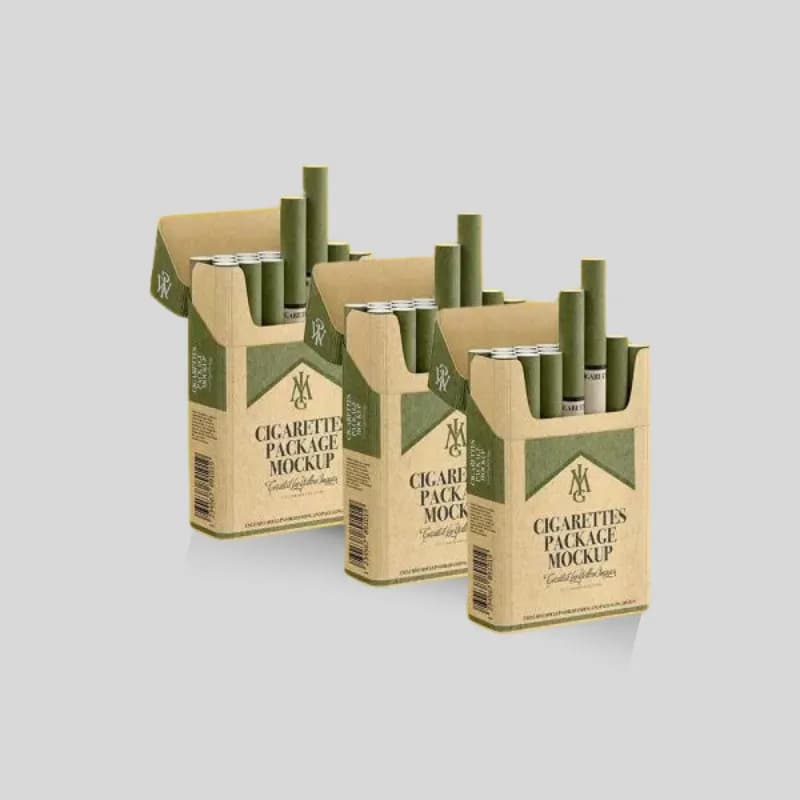
To choose custom cigarette boxes, start with the exact product format: single cigarette pack, carton, cigar box, lighter box, e-cigarette accessory pack, or retail counter display. Then match that format to the right structure, such as folding paperboard for standard packs, carton boxes for multi-pack sales, rigid boxes for premium presentation, kraft boxes for natural branding, or drawer boxes for a slide-out reveal. Finally, plan print, finishes, warning-panel space, barcode zones, and compliance-ready artwork before requesting a quote.
Cigarette packaging has to do more than look polished. It must protect slim products from crushing, hold artwork in precise positions, support retail scanning, and leave room for buyer-supplied regulatory information. A good custom box makes the pack easy to fill, easy to merchandise, and consistent across repeat production runs.
Browse Brisk Packaging's Custom Cigarette Boxes category for available structures, or use this guide to compare materials, finishes, inserts, and quote requirements before you approve a dieline.
---
1. Start with the Product Format and Sales Channel
The first decision is not color or finish; it is use case. A box for a single slim pack has different structural requirements than a carton box for multi-pack retail, a rigid cigar presentation box, or a lighter package hanging near the checkout counter.
Ask these questions before choosing a structure:
- Is this a single cigarette pack, a carton, cigar packaging, or accessory packaging?
- Will the box sit on a shelf, behind a counter, inside a master carton, or in an e-commerce parcel?
- Does the product need a tuck closure, hinge-lid feel, drawer pull, or two-piece rigid presentation?
- Will labels, warning panels, excise marks, or barcode areas be applied after printing?
- Is the buyer prioritizing low unit cost, premium feel, fast assembly, or retail durability?
A standard paperboard pack can work for high-volume retail runs, while a rigid or drawer structure fits gift sets, promotional bundles, and premium products. A carton box is better when the product is sold as a multipack or distributed in shelf-ready quantities.
2. Choose the Right Cigarette Box Structure
Folding Cardboard Cigarette Boxes
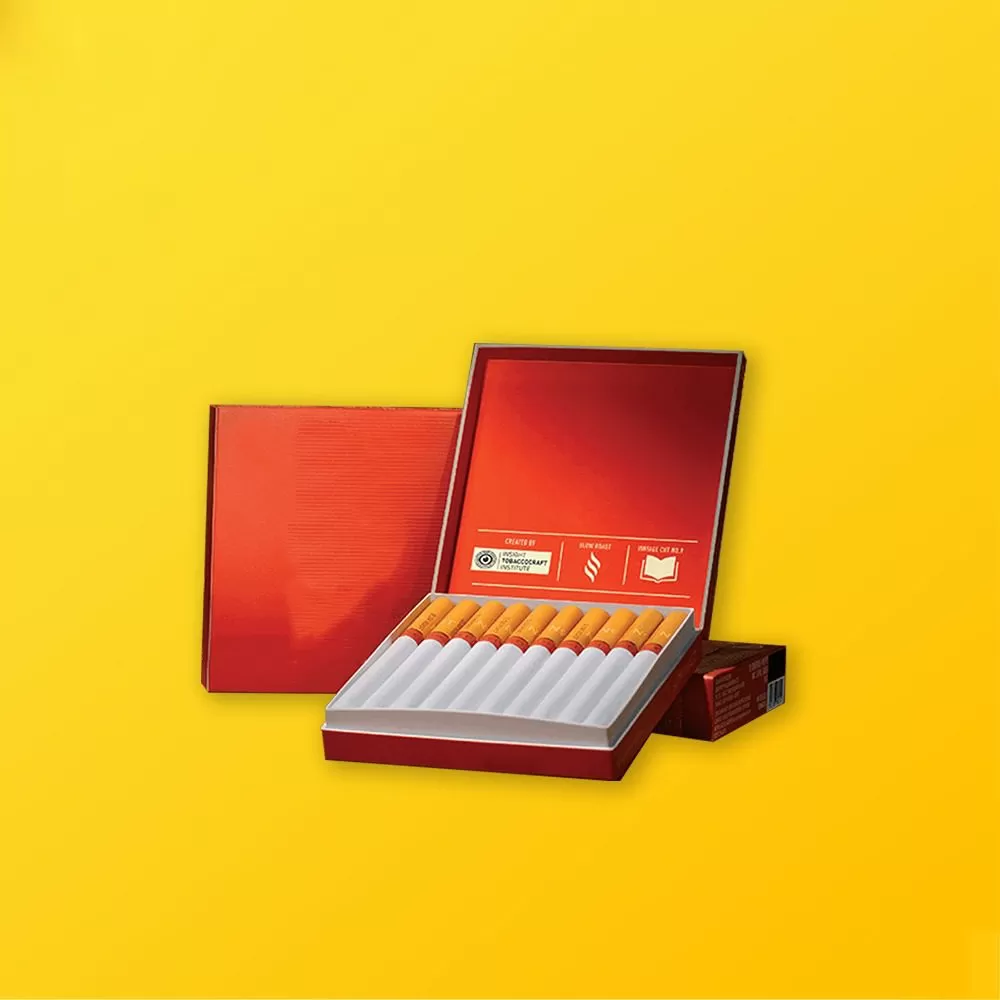
Custom Cardboard Cigarette Boxes are a practical choice for branded retail packaging. They are usually made from SBS, kraft, or coated paperboard and can be die-cut into straight tuck, reverse tuck, auto-bottom, or hinge-inspired formats.
They work well when you need:
- Lightweight packaging for single packs
- Full-color print on all panels
- Efficient flat shipping and storage
- Consistent retail presentation
- Reasonable cost at repeat order quantities
For most cigarette brands, cardboard boxes are the baseline option because they balance structure, print quality, and production efficiency.
Rigid Cigarette Boxes
Custom Rigid Cigarette Boxes use thicker chipboard wrapped with printed paper. They cost more than folding cartons, but they create a heavier, more premium hand feel. Use them when the packaging is meant to feel like a keepsake, collector item, gift set, or luxury smoke-shop product.
Rigid structures can support magnetic closures, two-piece lids, foil stamping, embossing, soft-touch lamination, and specialty inserts. They are less suitable for ultra-low-cost disposable retail packs but useful for premium launches and limited editions.
Drawer Cigarette Boxes
A Custom Drawer Cigarette Box has an outer sleeve and inner tray that slides out. This format creates a controlled reveal and can hold a pack, rolling papers, filters, cards, or accessory inserts. It also gives brands more surface area for sequential messaging: sleeve exterior, tray face, inner tray, and insert card.
Drawer boxes require tighter tolerances than basic folding cartons. The sleeve must grip without sticking, and the tray must slide smoothly without opening accidentally in transit.
Cigarette Carton Boxes
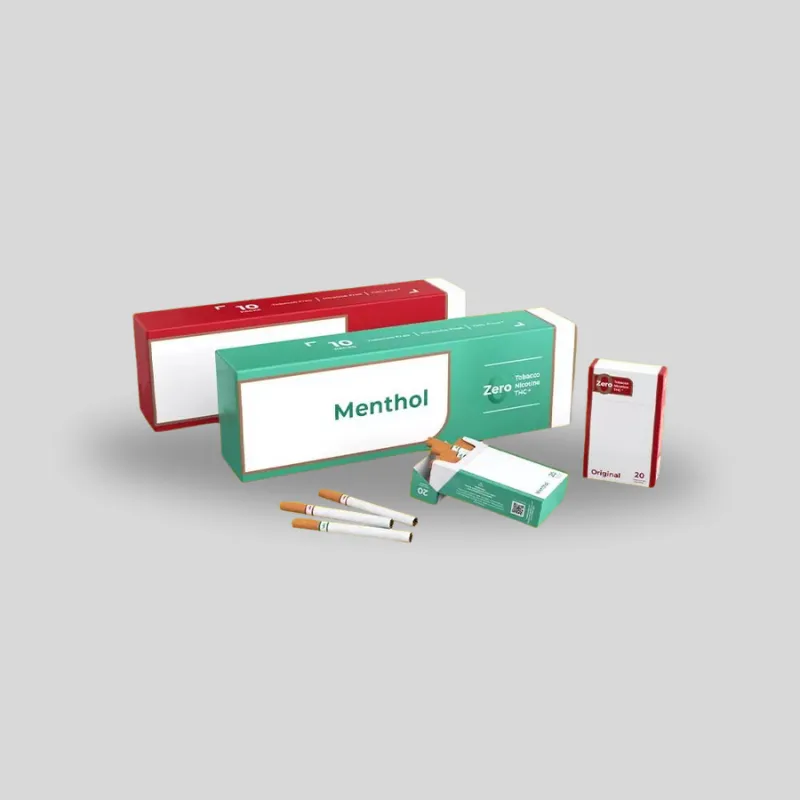
Custom Cigarette Carton Boxes are designed for multi-pack organization, retail display, and distribution. They are useful for brands selling bundled quantities or shops that need clean shelf-ready grouping.
Carton boxes should be sized around the finished pack dimensions, not only the product itself. Leave room for label thickness, friction, and easy removal. If the carton will be stacked, test side-wall compression and corner strength before approving a large run.
Blank and Label-Ready Cigarette Boxes
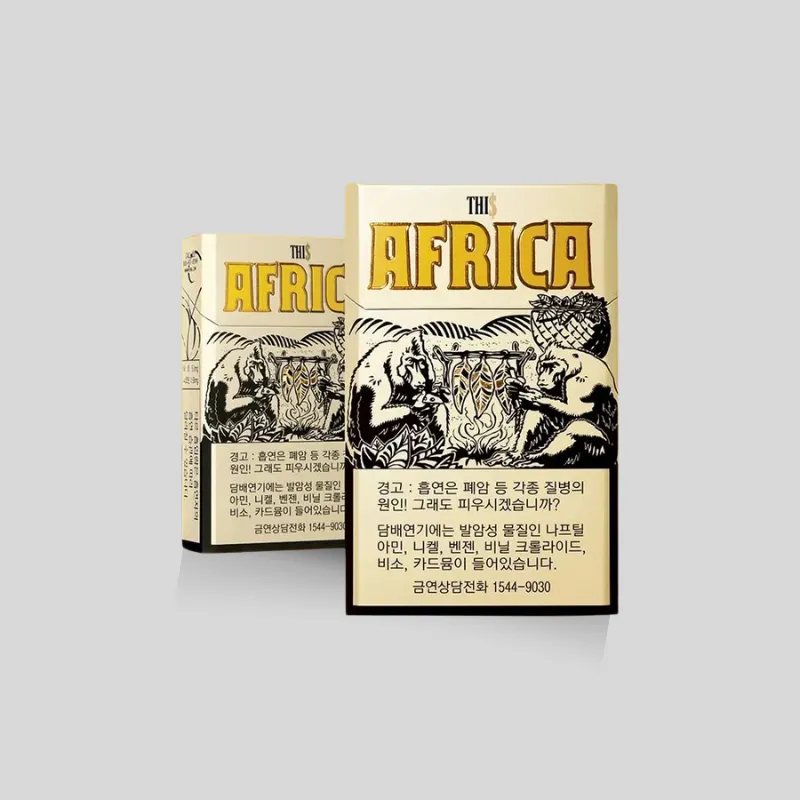
Blank Cigarette Boxes suit brands that apply labels, stamps, or short-run artwork after production. They are helpful for sample runs, private label programs, regional artwork variations, or businesses still finalizing brand identity.
The tradeoff is that blank boxes rely on the quality and placement of the applied label. If the label wrinkles, peels, or covers important panels, the package can look less polished than direct print.
3. Select Materials by Protection, Print, and Brand Positioning
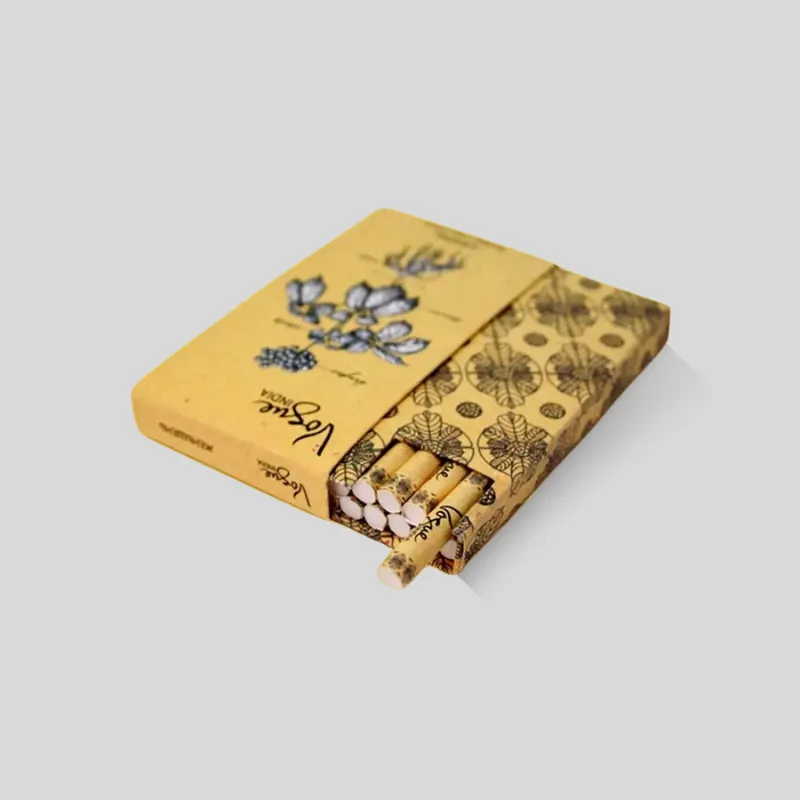
Material choice affects durability, print sharpness, sustainability perception, and cost.
SBS Paperboard
Solid bleached sulfate is a common option for crisp printed graphics. It supports bright colors, fine typography, and premium finishes. If your design relies on clean white backgrounds, detailed illustration, or accurate brand colors, SBS is often the right starting point.
Kraft Paperboard
Custom Kraft Cigarette Boxes create a natural, earthy look. Kraft works well for minimalist brands, organic positioning, and muted ink palettes. It is less bright than white paperboard, so light colors and photographic artwork may appear softer. Use kraft when the material texture is part of the brand story.
Coated Paperboard
Coated board improves ink holdout and finish consistency. It is useful for gloss, matte, soft-touch, or spot UV effects. If the package needs a premium shelf appearance but must remain a folding carton, coated paperboard is often a strong choice.
Rigid Chipboard
Rigid chipboard is used for premium boxes, gift sets, and heavier presentation packaging. It supports luxury wraps and inserts but increases unit cost, shipping space, and assembly considerations.
4. Plan Artwork Zones Before Designing the Box
Cigarette packaging often carries more required information than ordinary retail boxes. Brisk can help prepare dielines and print-ready packaging, but the buyer should confirm all warning statements, age restrictions, tax marks, product claims, and legal text with their compliance team before production.
A practical artwork map should include:
- Front brand panel
- Back product information panel
- Side flavor, variant, or SKU panel
- Barcode and retail scan zone
- Lot, batch, or traceability area
- Warning-panel space supplied by the buyer
- Seal, stamp, or label area if required
- Tamper-evident label placement if applicable
Keep high-value branding away from folds, glue flaps, and tuck friction points. Thin text should not sit directly on score lines. If the pack will receive labels after production, mark those label zones on the dieline before final artwork approval.
5. Compare Printing and Finish Options
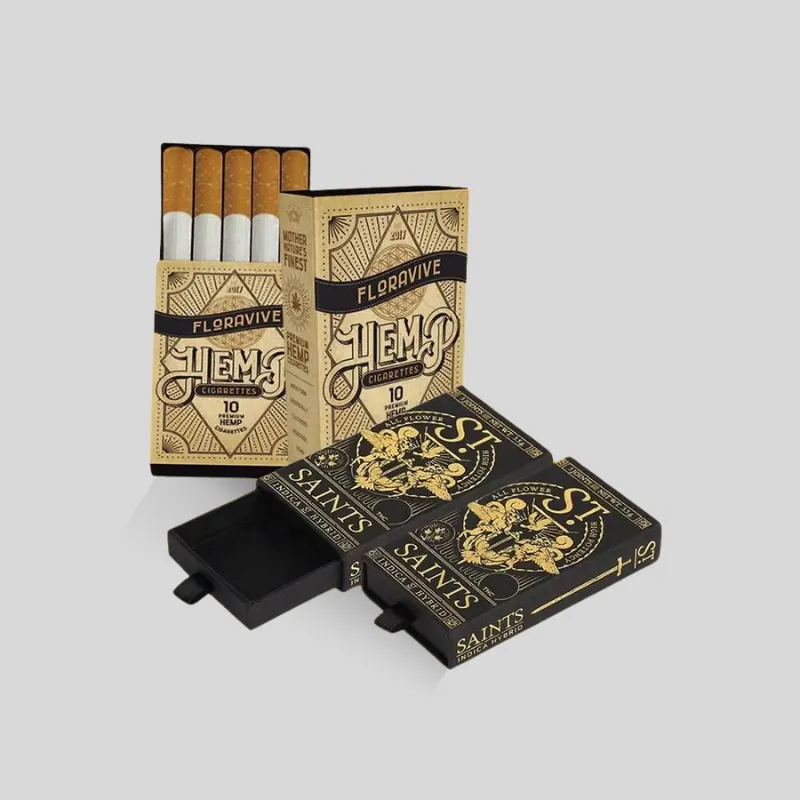
Printing and finishing should support hierarchy, not overwhelm the pack. Cigarette boxes are small, so every effect needs a purpose.
CMYK and Pantone Color
CMYK works for full-color graphics and gradients. Pantone spot colors help when brand color consistency matters across repeat runs. If your pack uses a signature red, black, gold, or green, ask for color guidance and proofing before final production.
Matte and Gloss Lamination
Matte lamination gives a softer, more understated look. Gloss lamination creates brighter contrast and a polished retail shine. Soft-touch coatings can make a premium pack feel smoother, though they may require extra care around scuffing and fingerprint visibility.
Foil Stamping
Foil can highlight a logo, border, badge, or limited-edition mark. Use it selectively. On a small cigarette pack, too much foil can make the design harder to read and raise cost without improving the buyer experience.
Embossing, Debossing, and Spot UV
Embossing raises the design, debossing presses it down, and spot UV creates contrast on selected areas. These effects work best for logos, icons, monograms, and simple pattern details. They are less suitable for small compliance text or complex photography.
6. Build for Retail Handling and Distribution
Cigarette boxes are often handled repeatedly: stocked, scanned, opened, reclosed, packed into cartons, or moved behind a counter. A package that looks good in a render may fail if the tuck tab tears or the carton corners crush during distribution.
Review these structural details:
- Tuck depth and locking tab strength
- Board caliper matched to pack weight
- Glue flap width and bonding area
- Carton side-wall compression
- Drawer sleeve friction and pull clearance
- Corner reinforcement for rigid packs
- Label adhesion on laminated surfaces
- Master carton fit for shipping or wholesale delivery
If the product will ship directly to customers, consider an outer mailer or corrugated shipper. A retail cigarette box is not always enough protection for parcel networks.
7. Think Through Cost and MOQ Factors
Custom cigarette box pricing depends on more than size. The main cost drivers are material, structure, print method, finish count, order quantity, artwork complexity, proofing, inserts, and packing requirements.
Lower-cost builds usually use standard folding cartons, simple CMYK print, and minimal finishes. Premium builds may use rigid board, magnetic closure, drawer structure, foil stamping, embossing, inserts, and specialty lamination.
Before requesting pricing, prepare:
- Finished product dimensions
- Desired box style
- Quantity or estimated monthly volume
- Material preference
- Print coverage and color requirements
- Finish requests
- Compliance/warning panel space requirements
- Barcode and label placement
- Shipping destination and deadline
- Whether you need samples or a dieline first
This information helps Brisk recommend a structure that fits both the product and the budget instead of quoting a generic box.
8. When to Use Blank, Kraft, Carton, Drawer, or Rigid Boxes
Use this quick selection guide:
| Packaging need | Best-fit option | Why it works | | --- | --- | --- | | Standard branded retail pack | Cardboard cigarette box | Efficient, printable, and cost-conscious | | Natural or minimalist positioning | Kraft cigarette box | Material texture supports earthy branding | | Multipack retail or wholesale grouping | Cigarette carton box | Keeps packs organized and shelf-ready | | Premium launch or collector edition | Rigid cigarette box | Higher perceived value and sturdy hand feel | | Accessory kit or reveal experience | Drawer cigarette box | Sleeve-and-tray structure creates controlled unboxing | | Short-run labels or test market | Blank cigarette box | Flexible for stickers, stamps, and private label runs |
9. Internal Links for Brisk Buyers
For the fastest quote path, start with the category page and the product style closest to your intended structure:
- Custom Cigarette Boxes
- Custom Cardboard Cigarette Boxes
- Custom Cigarette Carton Boxes
- Custom Rigid Cigarette Boxes
- Custom Kraft Cigarette Boxes
- Custom Drawer Cigarette Boxes
- Blank Cigarette Boxes
10. Quote Checklist for Custom Cigarette Boxes
Send this information when requesting a project-specific quote:
- Product type and exact finished dimensions
- Number of units per box or carton
- Preferred structure: tuck, carton, drawer, rigid, kraft, or blank
- Board material and thickness preference if known
- Print colors and brand color references
- Finish choices such as matte, gloss, foil, embossing, or spot UV
- Warning-panel, barcode, label, and stamp areas required by your team
- Sample, prototype, or production timeline
- Shipping location and packing method
- Any buyer-supplied compliance artwork or dieline requirements
Brisk Packaging can help with dieline setup, design support, material recommendations, and sample planning before production.
FAQ
What is the best material for custom cigarette boxes?
SBS paperboard is often best for bright, detailed print. Kraft paperboard works for natural or minimalist branding. Rigid chipboard is better for premium gift-style packs. The best choice depends on your product weight, brand style, print needs, and budget.
Can Brisk Packaging make cigarette carton boxes for multipacks?
Yes. Brisk offers Custom Cigarette Carton Boxes for grouped retail packs, wholesale presentation, and shelf-ready organization. Provide the finished pack dimensions and the number of packs per carton for accurate sizing.
Are custom cigarette boxes available with foil or embossing?
Yes. Foil stamping, embossing, debossing, spot UV, matte lamination, gloss lamination, and soft-touch finishes can be used depending on the selected material and structure. Use premium finishes on logos or key design areas rather than small required text.
Can I use blank cigarette boxes and add my own labels?
Yes. Blank boxes are useful for test runs, private label products, regional variants, or brands that apply labels after production. For the cleanest result, plan label size and placement before the dieline is approved.
Do cigarette boxes need special compliance information?
Many tobacco and nicotine products are subject to market-specific labeling, warning, age-restriction, tax, and advertising requirements. Brisk can help reserve artwork space and produce print-ready boxes, but buyers should confirm all required statements with their own compliance or legal team before production.
How do I reduce the cost of custom cigarette boxes?
Choose a standard folding carton structure, limit premium finishes, use efficient print coverage, order at a practical quantity, and finalize artwork before production. Rigid boxes, drawer boxes, multiple finishes, and complex inserts usually increase cost.
Ready to Build Custom Cigarette Packaging?
If you know your pack size, sales channel, and desired box style, request a custom quote from Brisk Packaging. The team can help compare cardboard, kraft, rigid, drawer, carton, and blank cigarette box options, then prepare dielines, samples, and print-ready packaging for your project.