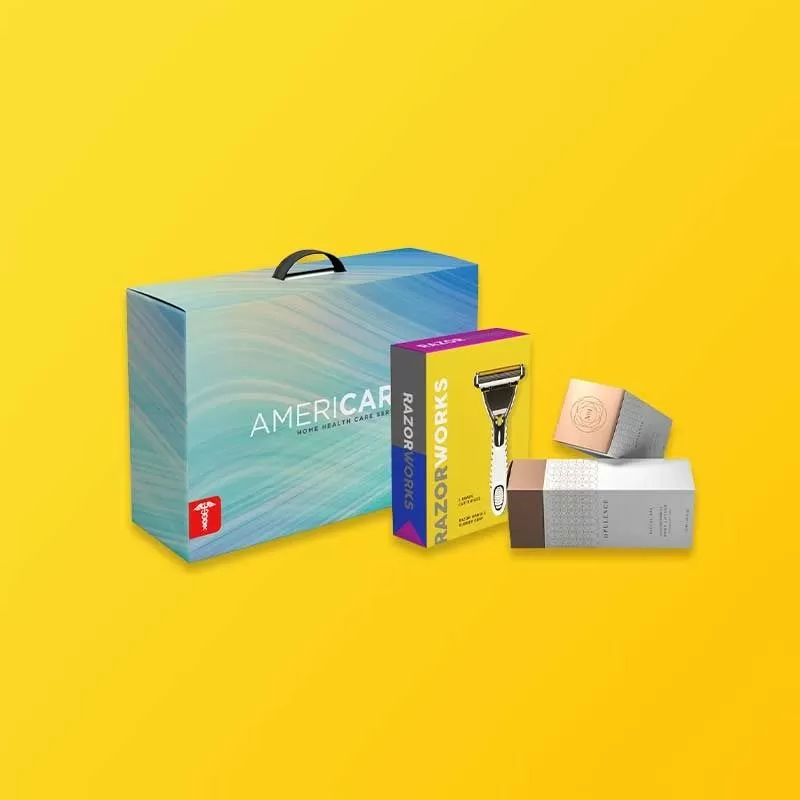
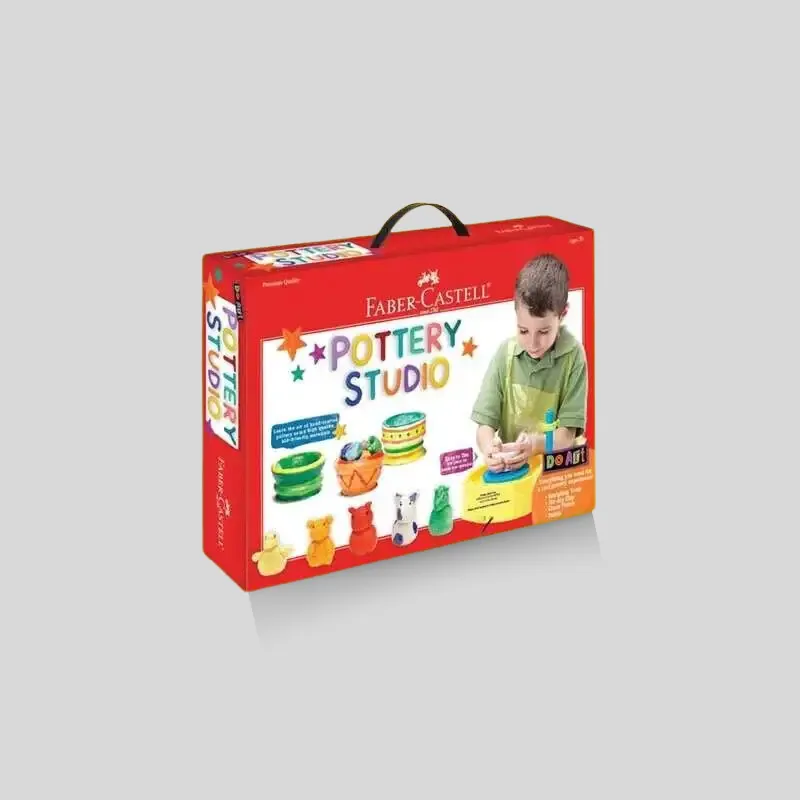
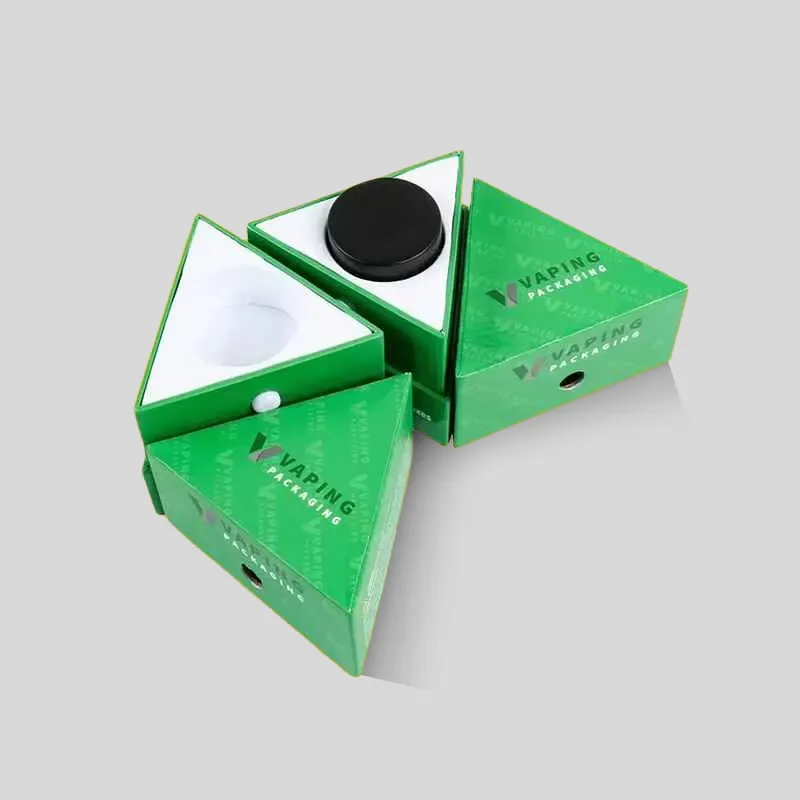
When bringing a new electronic gadget or tech appliance to market, the first physical touchpoint a customer experiences is your custom electronics packaging. You need a design that does more than look good on a retail shelf—it must physically protect fragile components, manage static electricity, provide space for necessary instructional inserts, and reinforce a high perceived value. This guide walks you through every major consideration for electronic product packaging, from material selection to structural choices and special finishes.
If you are currently evaluating options and need immediate visualization, you can request a free custom 3D digital box design & vector dieline from Brisk Packaging. Our team will help map out your structure before moving to bulk manufacturing.
Why Custom Electronics Packaging Matters
Standard, off-the-shelf boxes rarely fulfill the rigorous demands of electronics packaging. Creating a dedicated custom structure offers several non-negotiable benefits:
- Shock and Impact Protection: Electronics are inherently fragile. A custom fit ensures the device does not shift during transit.
- Dust and Moisture Resistance: Specialized materials and coatings can prevent environmental degradation of delicate ports and circuits.
- Enhanced Brand Perception: A premium unboxing experience, matching the quality of the device inside, helps justify a higher price point and reduces buyer's remorse.
- Regulatory and Instruction Space: Electronics often require lengthy spec lists, barcodes, safety warnings, and compatibility symbols. Custom printing ensures you have maximum real estate to satisfy both legal requirements and consumer inquiries.
Popular Structural Styles for Electronics
Not every electronic product needs a heavy rigid box, nor can every product survive in a thin folding carton. Understanding the main structural styles is paramount to optimizing your packaging budget and product safety.
| Box Style | Best For | Typical Thickness | Cost Profile |
|---|---|---|---|
| Rigid Setup Boxes | Smartphones, smartwatches, premium headphones | 1.5mm - 3.0mm | High |
| Corrugated Mailers | E-commerce electronics, routers, keyboards | E-Flute or B-Flute | Moderate |
| Folding Cartons | USB cables, small chargers, flash drives | 18pt - 24pt | Low |
| Sleeve Boxes | Highlighting premium primary packaging | 16pt - 20pt paper | Low to Moderate |
Rigid boxes are the industry standard for high-end consumer electronics (like standard smartphone boxes). They do not fold flat and offer incredible structural integrity, ensuring that delicate internal components are never crushed during transit. The manufacturing process of rigid boxes involves wrapping sturdy, high-density chipboard with a premium paper veneer. This creates clean, sharp 90-degree edges that communicate absolute luxury. Because they are not shipped flat, rigid setup boxes do incur higher shipping and volume storage costs; however, for top-tier electronics, the reduced product damage rates and the superior perceived value easily outweigh these logistical challenges.
Corrugated mailers are preferred for direct-to-consumer businesses where the product box is also the shipping box. These are incredibly resilient, especially when using a robust B-Flute or E-Flute structure. They can survive the rough handling of post offices and couriers without requiring an additional over-box. Folding cartons work beautifully for smaller, lighter accessories. These cartons ship flat, making them incredibly cheap to store and transport.
Choosing the Right Materials and Inserts
The exterior box is only half of the equation; the internal inserts keep the electronics secure. The right combination guarantees that the product stays in place no matter how rough the shipping journey is.
Paperboard vs. Corrugated Board
For consumer-facing electronics packaging, paperboard (often coated on one side, C1S) is fantastic for vibrant, high-resolution printing. This is heavily utilized for smaller accessories. On the other hand, corrugated board supplies superior crush resistance. For products over 0.5kg, corrugated mailers or rigid boxes are virtually mandatory to avoid returns due to damage.
Foam Inserts (EVA and EPE)
Foam is commonly used in custom electronics packaging.
- EVA (Ethylene Vinyl Acetate): High density, smooth finish, and easily dyeable. It looks incredibly premium and is often found in luxury electronics packaging.
- EPE (Expanded Polyethylene): Lower density, excellent shock absorption, but visually softer and less premium than EVA.
Molded Pulp and Custom Cardboard Inserts
Brands pursuing aggressive sustainability goals often move away from foam toward molded pulp inserts or precisely die-cut cardboard trays. Molded pulp uses recycled paper material modeled to hug the exact contours of an electronic device, absorbing shock remarkably well.

Essential Finishing Options
To make your electronics packaging feel cutting-edge, you must invest in high-quality finishes. These subtle tactile elements signal quality before the user even opens the box.
- Soft Touch Lamination: Providing a velvety, premium feel, soft touch is extremely popular for lifestyle and personal electronics.
- Spot UV Coating: Applying a high-gloss finish only to specific elements (like a logo or screen reflection on a product rendering).
- Foil Stamping: Metallic foils (silver, gold, or holographic) draw attention and create an expensive shimmer.
- Embossing and Debossing: Raising or depressing elements of the packaging surface, adding physical depth to logos or product names.
Designing for Unboxing and Returns
When designing custom electronics packaging, the user journey is critical. Because electronics have high return rates, your box should ideally be reusable for returns.
- Easy Open Mechanisms: Tear strips or magnetic closures make opening the box effortless and reduce the risk of the user damaging the packaging—or themselves—with scissors.
- Layered Unboxing: Placing the premium device right at the top, while hiding cables, manuals, and accessories in a lower compartment, builds anticipation and organization.
- Resealability: Adding a self-sealing adhesive strip on corrugated mailer boxes simplifies customer returns, an often-overlooked factor in e-commerce strategy.
Compliance and Barcode Readiness
Before placing a bulk order for your packaging, you must design for compliance. You need sufficient space for barcodes, tracking numbers, recycling symbols, certifications (CE, FCC, RoHS), and manufacturing origin. These should ideally reside on the back or bottom panel to preserve the front presentation.
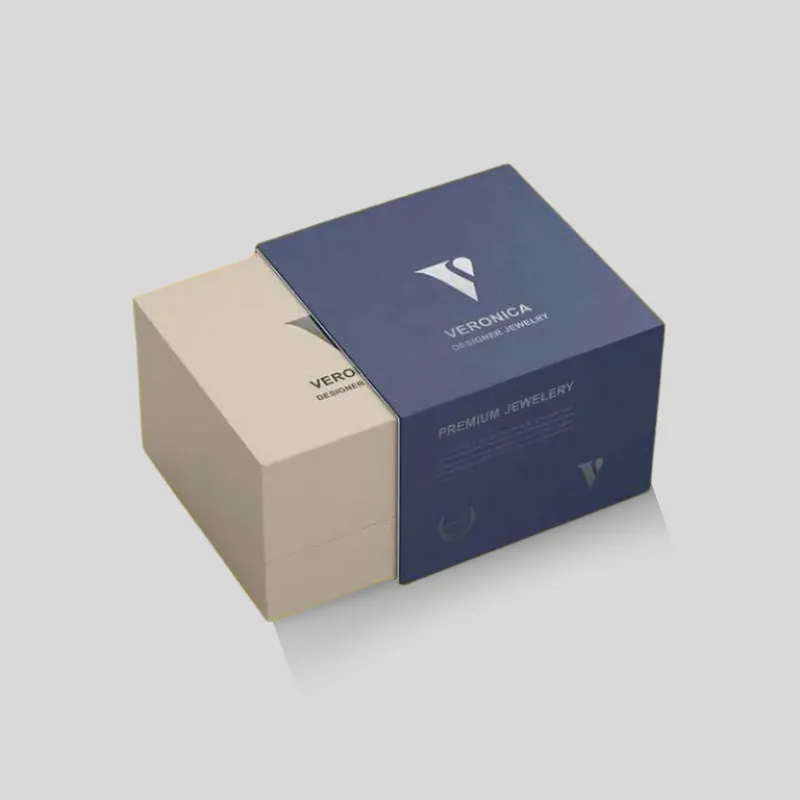
Utilizing custom box sleeves is a clever way to handle variable data or regional legal differences. You can print a universal box structure, then slide a localized sleeve over it for different languages or specific regional compliance marks.
How to Get Started with Your Packaging Strategy
Transitioning to custom packaging for your electronics brand doesn't have to be overwhelmingly complex. Partnering with a dedicated supplier streamlines the structural engineering and graphic design.
Brisk Packaging provides free structural engineering consultations to ensure your specific device fits perfectly within its new housing. Rather than hoping physical dimensions match your vision, we strongly encourage brands to request a Free Custom 3D Digital Box Design & Vector Dieline. This fast-tracks approval without wasting weeks waiting for rudimentary physical shipped samples.
FAQ: Frequently Asked Questions
What is the minimum order quantity (MOQ) for custom rigid electronics boxes?
Most high-quality rigid box manufacturing requires a starting threshold of at least 500 units to be economically viable due to setup and tooling costs. However, consulting directly with a packaging specialist can clarify custom runs.
Do I need foam inserts or can I use cardboard for electronics?
You can absolutely use cardboard inserts instead of foam. Intricately die-cut corrugated or paperboard inserts can provide phenomenal shock protection, are fully recyclable, and appeal to eco-conscious consumers.
Can Brisk Packaging assist with the structural design of my electronics box?
Yes. Our packaging engineers can assist by creating perfect-fit dielines based on your product's dimensions, optimizing both the outer box and inner tray structures.
What is the typical turnaround time for custom electronics packaging?
For standard corrugated or folding carton boxes, turnaround times generally range between 10 to 14 business days. Complex rigid boxes with specialty finishes and multipart foam inserts normally require 3 to 4 weeks.
How do I sample an electronics box before a full production run?
While we don't send generic physical sample kits in the mail, we offer free custom 3D photorealistic digital box designs and vector dielines. Once the digital proof is approved and bulk production is initiated, a physical pre-production proof is typically created for final sign-off.