To choose child-resistant packaging, match your product's regulatory risk profile and physical form (dry botanicals, concentrated liquids, vape hardware, tablets, or single-dose edibles) to an engineered dual-action locking mechanism, then select tear-resistant substrates (heavyweight SBS paperboard or multi-layer barrier films) that balance child security with senior-friendly adult accessibility. Effective child-resistant packaging prevents accidental ingestion by young children while remaining intuitive for adult customers, preserving brand prestige through high-definition printing and luxury tactile finishes.
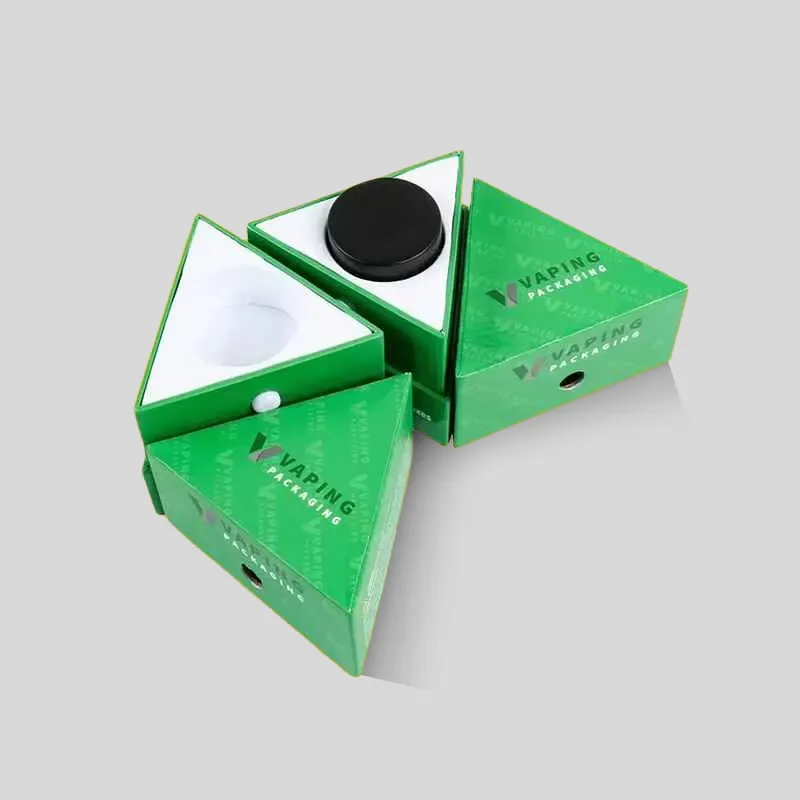
Whether launching a botanical wellness line, pharmaceutical product, concentrated household cleaner, or premium electronic hardware, navigating child-resistant (CR) packaging requires technical precision. At Brisk Packaging, our packaging specialists engineer compliance-ready structures that protect children, satisfy rigorous jurisdictional standards, and deliver an exceptional unboxing experience.
---
What Is Child-Resistant (CR) Packaging?
Child-resistant packaging is specialized structural packaging designed and constructed to be significantly difficult for children under five years of age to open within a reasonable time, yet not difficult for normal adults to use properly. Rather than relying solely on brute physical strength to prevent opening, modern CR packaging utilizes cognitive dual-action mechanics—requiring two coordinated physical actions (such as pushing an internal tab while sliding a tray, or pinching an offset ridge while pulling a zipper) to access the product.
In regulated commercial markets, child resistance is not merely a safety recommendation; it is often a strict legal prerequisite for retail sale and interstate commerce. Deploying compliant packaging safeguards public health, protects your brand from costly inventory recalls or distributor rejections, and builds long-term consumer trust.
---
Core Structural Mechanisms of Child-Resistant Packaging
Selecting the right container begins with understanding the primary mechanical formats used across folding paperboard, rigid boxes, flexible barrier pouches, and rigid containers.
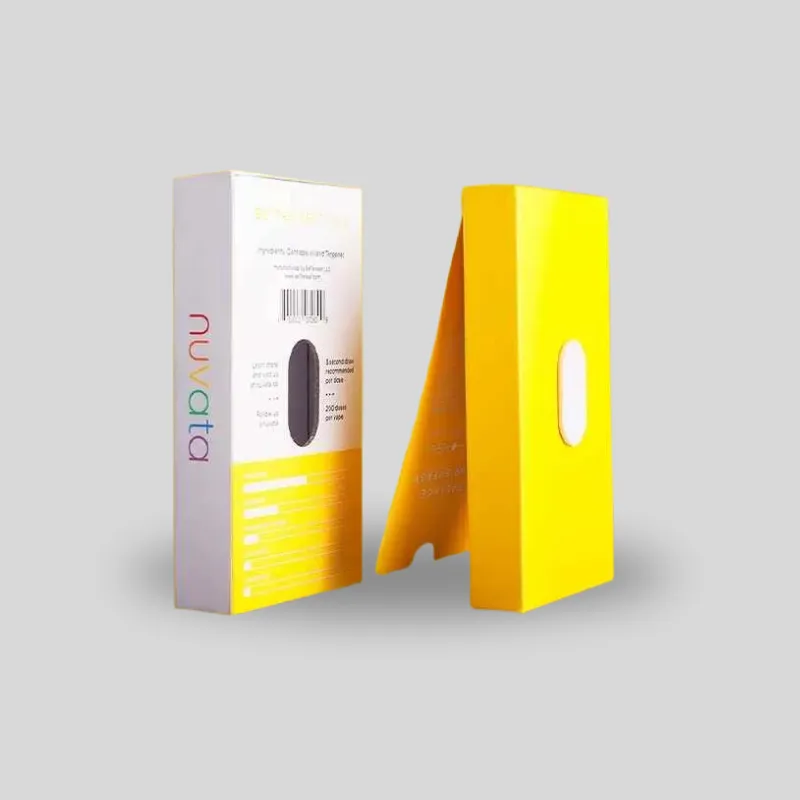
1. Push-and-Slide Locking Folding Cartons
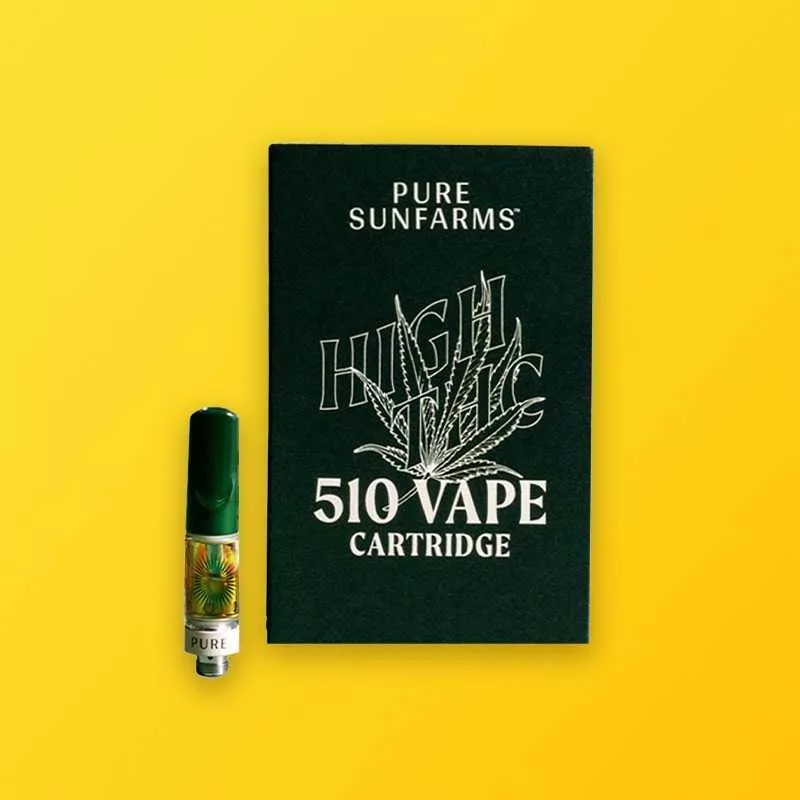
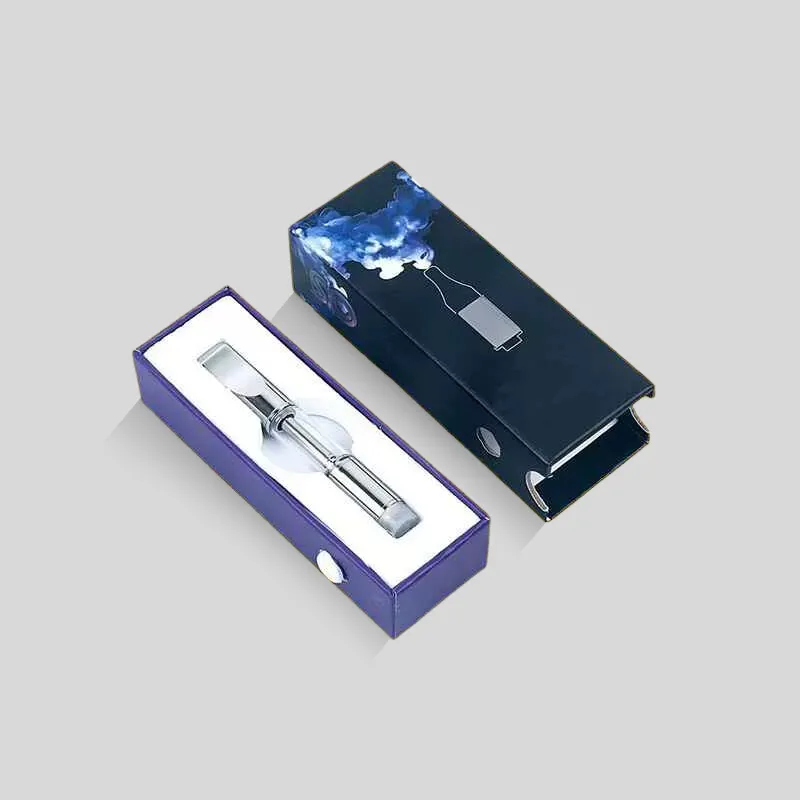
Push-and-slide folding cartons are among the most popular formats for pharmaceuticals, single-cartridge hardware, and boutique botanical products. The outer sleeve features an internal die-cut locking tooth or retention hook. When the inner tray is inserted, the tooth catches against an internal lip, locking the tray securely inside the sleeve.
- Opening Mechanism: The adult user must press a designated, reinforced pressure point on the outer sleeve to disengage the internal locking catch while simultaneously pulling the inner tray outward.
- Key Advantages: Made from sustainable, recyclable paperboard substrates; ships and stores flat before filling; supports vivid multi-color offset and digital printing across all exterior panels.
- Ideal For: Blister packs, pre-roll multi-packs, vape hardware, and compact luxury retail presentation. Explore our Child Resistant Cannabis Packaging options.
2. Dual-Button Rigid Slider Boxes
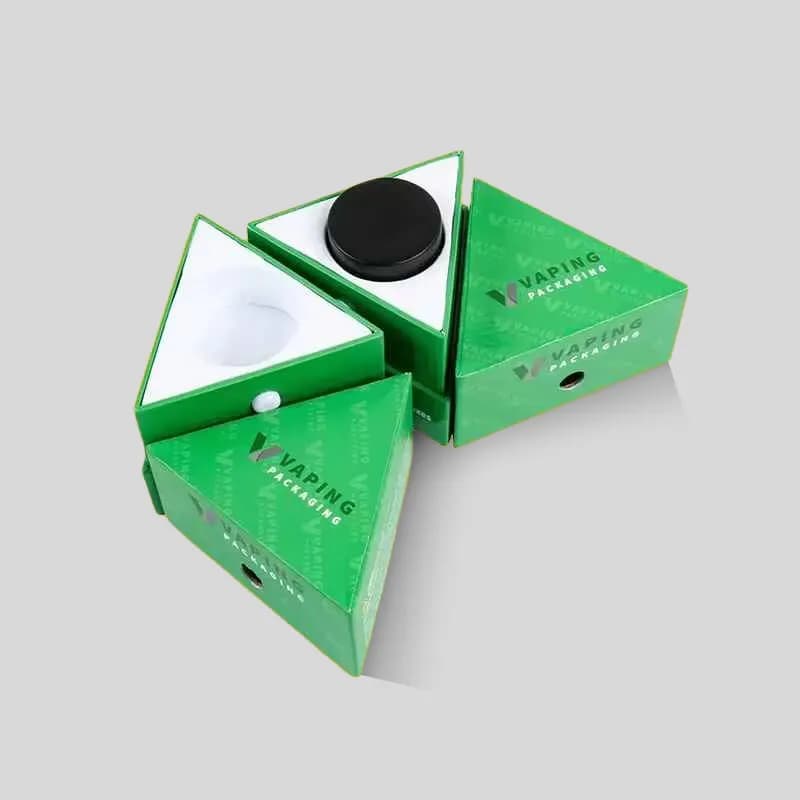
For luxury consumer goods and high-value hardware, dual-button rigid slider boxes provide exceptional physical rigidity and premium tactile appeal. Built from thick chipboard wrapped in litho-laminated art paper, these boxes integrate a spring-loaded mechanical lock.
- Opening Mechanism: The user must simultaneously squeeze two concealed release buttons located on opposite side walls of the outer case while pulling the inner drawer forward.
- Key Advantages: Exceptional crush resistance; reusable storage lifespan; premium heft and hand feel that elevates perceived brand value.
- Ideal For: Reusable vaporizers, concentrated botanical oils, luxury tinctures, and premium pharmaceutical starter kits. Learn more about our Child Resistant Vape Packaging.
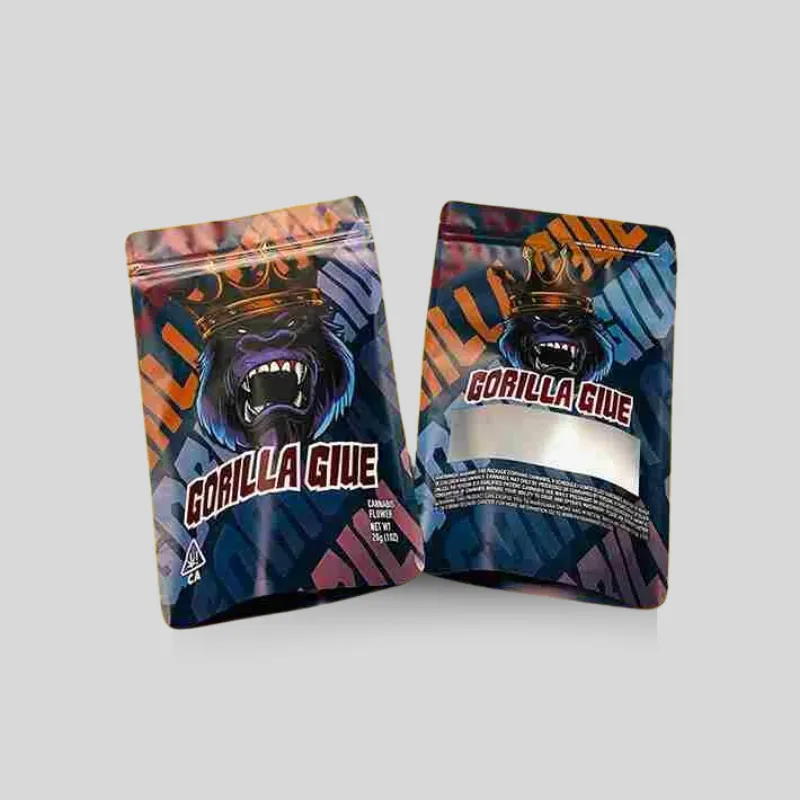
3. Pinch-and-Slide Certified Mylar Pouches
Flexible barrier pouches offer lightweight, moisture-proof, and airtight containment for loose dry goods, botanicals, and multi-serving edibles.
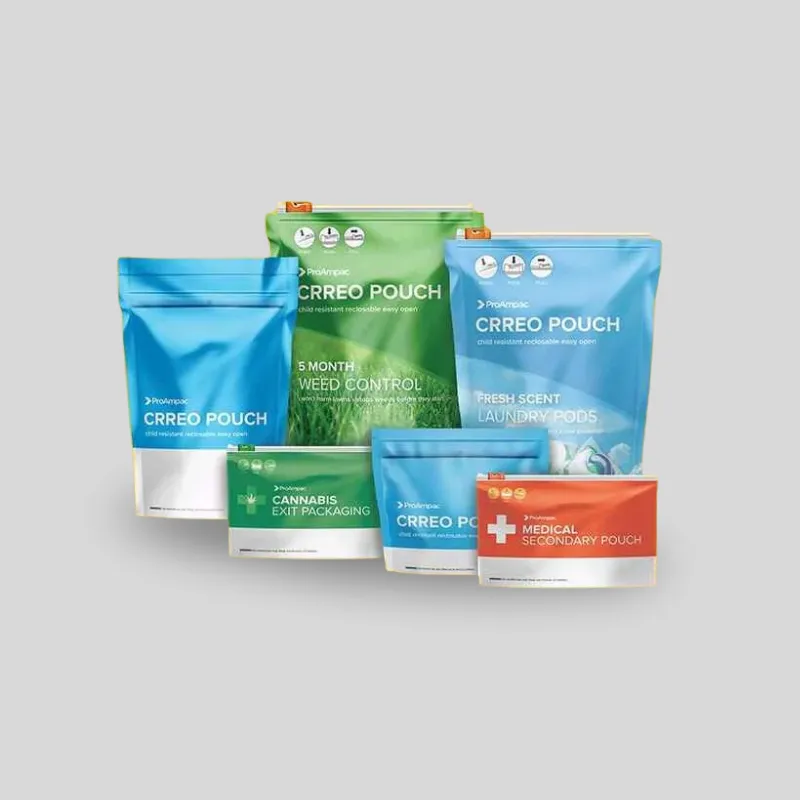
- Opening Mechanism: Unlike standard single-track zippers, child-resistant pouches feature an offset double-track or hidden pull-tab zipper. To open, the user must firmly pinch a specific textured grip zone on the back lip while sliding the front zipper track across.
- Key Advantages: High barrier protection against moisture, oxygen, light, and aroma transmission; significantly reduced shipping volume and freight costs; puncture-resistant film lamination.
- Ideal For: Edible gummies, powders, dried herbs, household laundry pods, and dietary supplements. Explore our dedicated Child Resistant Packaging Bags and Child Resistant Mylar Bags.
4. Push-and-Turn Caps and Specialty Closures
Widely used for rigid glass jars, plastic bottles, and tincture droppers, push-and-turn closures use dual-action threading. The outer cap spins freely around the inner cap unless downward vertical force is applied to engage interlocking plastic ratchet teeth.
- Opening Mechanism: Simultaneous downward palm pressure and counter-clockwise rotation.
- Key Advantages: Hermetic liquid sealing; precise dosage dropper integration; long-term multi-use durability.
- Ideal For: Liquid tinctures, syrups, topical lotions, and gummy jars.
---
Child-Resistant Structural Comparison
| Packaging Format | Primary Locking Action | Key Substrates | Best Product Applications | Reusability Rating | | :--- | :--- | :--- | :--- | :--- | | Push-and-Slide Paperboard Carton | Press internal catch tab + pull slide tray | 18pt–24pt SBS Paperboard with tear film | Blister packs, single vape carts, pre-rolls | High (multi-access) | | Dual-Button Rigid Slider Box | Squeeze twin side buttons + pull drawer | 60pt–80pt Greyboard + Litho Wrap | Vape battery kits, concentrates, luxury botanicals | Maximum (durable rigid) | | Pinch-and-Slide Barrier Pouch | Pinch offset guide ridge + pull zipper | Multi-layer BOPET / VMPET / AL / LLDPE | Edibles, herbal teas, powders, cleaning pods | High (resealable zipper) | | Push-and-Turn Cap with Bottle | Downward palm pressure + rotate counter-clockwise | Glass / PET container + Polypropylene cap | Tinctures, topicals, oral liquids, capsule jars | Maximum (continuous reseal) | | Hinged Locking Tinplate Box | Press release button on seam + lift lid | Food-grade tinplate steel with internal clasp | Mints, small confectionery, lozenges, pills | Maximum (crush-proof) |
---
Regulatory Standards and Compliance Testing Frameworks
Understanding the formal testing standards that govern child-resistant packaging helps brands design packaging that meets legal standards without costly trial-and-error delays.
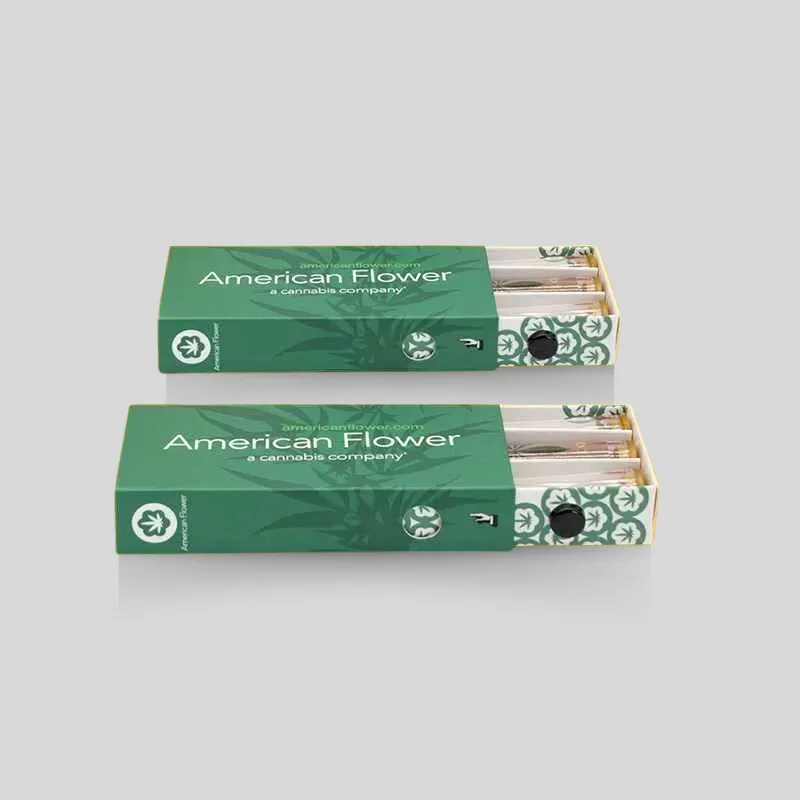
1. 16 CFR § 1700.20 (Poison Prevention Packaging Act)
In the United States, the Consumer Product Safety Commission (CPSC) enforces test protocols established under Title 16 of the Code of Federal Regulations, Part 1700.20. The standard requires independent panel testing involving two distinct demographic groups:
- Child Panel Testing (42 to 51 months old): Pairs of children are given 5 minutes to attempt opening the test package. If unopened, they are given a single visual demonstration without verbal instruction and allowed an additional 5 minutes (using teeth or hands). To pass, at least 85% of children must fail to open the package before the demonstration, and at least 80% must fail after the demonstration.
- Senior Adult Panel Testing (50 to 70 years old): Adults are given 5 minutes to read instructions and open the package, followed by a 1-minute test on a second package. To pass, at least 90% of senior adults must successfully open and properly reclose the package without difficulty.
2. ASTM D3475 Standard Classification
The American Society for Testing and Materials (ASTM) standard D3475 provides the formal classification system for child-resistant package types based on their structural opening mechanisms (e.g., Type I push-and-turn, Type II squeeze-and-turn, Type IV combination locks, Type IX mechanical sliders). Specifying the exact ASTM classification on your production specifications ensures alignment between packaging engineers, testing laboratories, and regulatory authorities.
3. ISO 8317 International Standard
For brands distributing into Canada, the European Union, the United Kingdom, or Australian markets, ISO 8317 governs reclosable child-resistant packaging requirements, utilizing standardized child and adult panel evaluation methodologies similar to CPSC protocols.
> Compliance Guidance Note: While Brisk Packaging manufactures compliance-ready structures incorporating proven ASTM-classified mechanical mechanisms, regulatory certification legally applies to the fully assembled finished pack (including container, closure, liner, insert, and filled product). We recommend conducting physical sample validation before launching large-scale retail distribution.
---
Balancing Child Resistance with Senior-Friendly Accessibility
The fundamental engineering challenge of child-resistant packaging is ensuring that a package difficult for a 4-year-old child remains effortless for a 65-year-old adult suffering from reduced grip strength or mild arthritis.
To achieve this balance, modern packaging engineering relies on cognitive sequencing rather than high physical force:
- Intuitive Visual Iconography: Print clear, high-contrast instructional diagrams on the exterior surface showing exact finger placement and directional arrows (e.g., "1. Press Here / 2. Slide Out").
- Tactile Grip Indicators: Incorporate embossed ridges, debossed thumb pockets, or textured matte spot varnishes directly over the functional release zones to guide finger positioning naturally.
- Ergonomic Leverage Geometry: Engineer slider catches and push-tabs with broad surface areas rather than tiny pinpoints, distributing necessary activation force evenly across the adult thumb pad.
- Smooth Internal Clearances: Maintain precise manufacturing tolerances so that once the locking catch is depressed, the interior tray glides smoothly without catching on internal raw paper edges.
---
Material Substrates and Tear-Resistant Engineering
A child-resistant locking mechanism is useless if a child can easily tear open the box corner or bite through the pouch wall. Specifying the correct substrate ensures complete structural integrity.
1. Heavyweight Paperboard with Tear-Resistant Film
Standard folding cartons use 14pt to 16pt board, which can tear under sustained manual force. For child-resistant paperboard cartons:
- We utilize 18pt to 24pt Solid Bleached Sulfate (SBS) paperboard laminated with a micro-thin, tear-resistant internal polymeric film layer (such as oriented polyester or polyethylene).
- This hidden film reinforcement prevents edge tearing and corner punctures while preserving the carton's clean, recyclable exterior appearance.
2. Multi-Layer High-Barrier Flexible Laminates
For flexible pouches, multi-layer co-extruded and adhesive-laminated barrier films provide structural puncture resistance and complete barrier performance:
- Outer Layer: 12-micron Biaxially Oriented Polyethylene Terephthalate (BOPET) for print quality and tensile strength.
- Barrier Layer: Metallized PET (VMPET) or pure Aluminum Foil (AL) providing near-zero Moisture Vapor Transmission Rates (MVTR) and Oxygen Transmission Rates (OTR).
- Seal & Strength Layer: 60-to-100-micron Linear Low-Density Polyethylene (LLDPE) ensuring heavy puncture resistance and airtight hermetic heat seals.
- Discover our complete barrier specifications in our Child Resistant Smell Proof Mylar Zipper Bags collection and our in-depth Custom Mylar Bags Guide.
3. Custom Interior Inserts (EVA Foam and Molded Fiber)
Compliant child-resistant packaging requires the primary product to remain firmly positioned away from opening catches and seams. We engineer custom high-density EVA foam and molded pulp trays tailored to the exact millimeter dimensions of vape carts, bottles, or blisters. For related structural insert choices, review our Packaging Inserts Guide.
---
Tamper Evidence, Opaque Walls, and Label Architecture
Beyond the locking mechanism, regulated product packaging often mandates additional security and labeling features:
``text ┌────────────────────────────────────────────────────────┐ │ TAMPER-EVIDENT HEAT SEAL │ <-- Factory sealed ├────────────────────────────────────────────────────────┤ │ ┌────────────────┐ ┌────────────────────┐ │ │ │ WARNING ICON │ │ BATCH & QR CODE │ │ │ └────────────────┘ └────────────────────┘ │ │ │ │ [ PRODUCT BRANDING / ARTWORK ] │ <-- Clean display area │ │ ├────────────────────────────────────────────────────────┤ │ ◄◄ PINCH HERE ◄◄ ►► PULL SLIDE ►► │ <-- Dual-action CR zipper └────────────────────────────────────────────────────────┘ ``
- Tamper-Evident Top Headers: Child-resistant pouches feature an upper tear notch located above the resealable zipper. Once heat-sealed by your production line, the package cannot be accessed without tearing off the upper header, providing visual proof of factory integrity.
- 100% Opaque Barrier Walls: Many state and national regulatory bodies mandate that child-resistant packaging for botanical edibles and supplements be completely opaque, preventing children from seeing enticing colors or candy-shaped products inside.
- Mandatory Compliance Label Real Estate: Plan your dieline layout carefully to accommodate mandatory regulatory icons (universal THC/wellness warning symbols), health advisories, batch tracking numbers, expiration dates, net weight declarations, and scannable QR authentication codes.
---
Luxury Printing and Finishing on Compliant Boxes
Safety compliance does not require sacrificing luxury aesthetics. At Brisk Packaging, we combine high-security structural engineering with world-class decorative finishing:
- Soft-Touch Velvet Matte Lamination: Creates an ultra-smooth, premium tactile feel that resists smudging and scuffing during retail handling.
- Metallic Hot Foil Stamping: Apply brilliant gold, silver, copper, or holographic foils to highlight brand typography and logos. Explore our finish comparison in Foil Stamping vs Spot UV Packaging.
- Precision Spot UV Varnishing: Apply glossy raised clear polymer over brand patterns to create striking light reflection against matte backgrounds.
- Blind and Registered Embossing: Add three-dimensional tactile depth to your branding without interfering with internal locking tabs. For details, see Embossing vs Debossing Packaging.
---
Common Mistakes to Avoid When Ordering Child-Resistant Packaging
- Assuming the Primary Cap Makes the Whole Package Compliant: Pairing a child-resistant bottle with a non-compliant outer paperboard box can cause regulatory confusion if retail guidelines require the outer secondary carton to be child-resistant.
- Ignoring Post-Use Reclosability: For multi-serving products, the packaging must remain child-resistant for every subsequent use until empty. Single-use tear strips do not qualify for multi-dose items unless each dose is individually sealed in child-resistant blister packaging.
- Neglecting Senior Accessibility Testing: Over-tightening locking mechanisms may prevent children from opening the box, but if senior adults cannot open it within 5 minutes without scissors or tools, the package fails federal compliance standards.
- Ordering Mass Production Runs Without Physical Prototyping: Always test a physical pre-production sample with your actual filled product weight, insert fit, and automated filling equipment before approving large-scale manufacturing runs.
- Overcrowding Instructional Real Estate: Placing opening instructions in tiny, low-contrast typography leads to user frustration and torn packaging. Keep instructional diagrams prominent, clear, and high-contrast.
---
Step-by-Step Quote Checklist for Child-Resistant Packaging
When you are ready to order custom child-resistant packaging, preparing these project details ensures an accurate, rapid quote from our engineering team:
- [ ] Product Classification: Product form (vape cartridge, dry botanical, edible gummy, tincture bottle, capsule blister, or cleaning concentrate).
- [ ] Exact Dimensions: Length × Width × Depth (or pouch Width × Height + Bottom Gusset) of the product and primary container.
- [ ] Mechanism Selection: Push-and-slide carton, dual-button rigid slider, pinch-and-slide barrier pouch, or push-turn closure.
- [ ] Substrate & Caliper: 18pt–24pt tear-reinforced SBS paperboard, 60pt–80pt rigid chipboard, or multi-layer barrier film (specify mil thickness).
- [ ] Barrier Needs: OTR/MVTR moisture barrier, light protection, smell-proof containment, or opaque exterior walls.
- [ ] Printing & Finishes: CMYK full color, Pantone spot color matching, soft-touch matte, metallic hot foil stamping, or Spot UV.
- [ ] Interior Inserts: Custom die-cut EVA foam, molded paper pulp, or paperboard divider trays.
- [ ] Order Quantities & Timelines: Target initial production batch (MOQ typically starts at 500–1,000 units) and target delivery schedule.
Explore our Child Resistant Packaging Wholesale solutions or connect directly with a Brisk Packaging specialist for personalized dieline guidance.
---
FAQ
What makes packaging officially child-resistant?
Packaging is officially child-resistant when its structural design and closure mechanism pass standardized protocol testing (such as CPSC 16 CFR § 1700.20 or ISO 8317), proving that at least 85% of children aged 42 to 51 months cannot open the container within 5 minutes, while at least 90% of adults aged 50 to 70 can open and properly reclose it without difficulty.
What is the difference between child-resistant and tamper-evident packaging?
Child-resistant packaging features a repeatable mechanical locking mechanism designed to restrict access by young children throughout the product's lifespan. Tamper-evident packaging features a one-time barrier (such as a perforated tear strip, shrink band, or holographic seal) that provides visible, irreversible evidence if the package has been opened prior to purchase. Many regulated products require both features.
Can custom child-resistant boxes be made from recyclable paperboard?
Yes. Modern push-and-slide child-resistant boxes are engineered primarily from recyclable Solid Bleached Sulfate (SBS) paperboard. High-durability designs incorporate an ultra-thin, tear-resistant internal film layer that provides necessary bite- and tear-resistance while allowing standard industrial paperboard recycling in compatible recovery streams.
What is the minimum order quantity (MOQ) for custom child-resistant packaging?
At Brisk Packaging, custom child-resistant folding cartons, rigid slider boxes, and printed barrier pouches typically start at an accessible minimum order quantity of 500 to 1,000 units, with substantial volume discounts available for larger wholesale production runs.
Are pre-production physical samples available for testing?
Yes. We strongly recommend ordering a custom pre-production physical sample prior to full manufacturing. This allows your team to test exact product fit, verify filling line compatibility, test closure ergonomics, and evaluate physical substrate strength under real-world conditions.
---
Request Your Custom Child-Resistant Packaging Quote Today
Ready to elevate your brand with certified, high-impact child-resistant packaging? Whether you need push-and-slide folding cartons, luxury rigid slider boxes, or smell-proof mylar barrier pouches, our packaging engineers and prepress specialists are ready to guide you from 3D dieline development to final production delivery.
Request a Custom Child-Resistant Packaging Quote or speak with a Brisk Packaging specialist today for complimentary dieline review and physical sample support.