
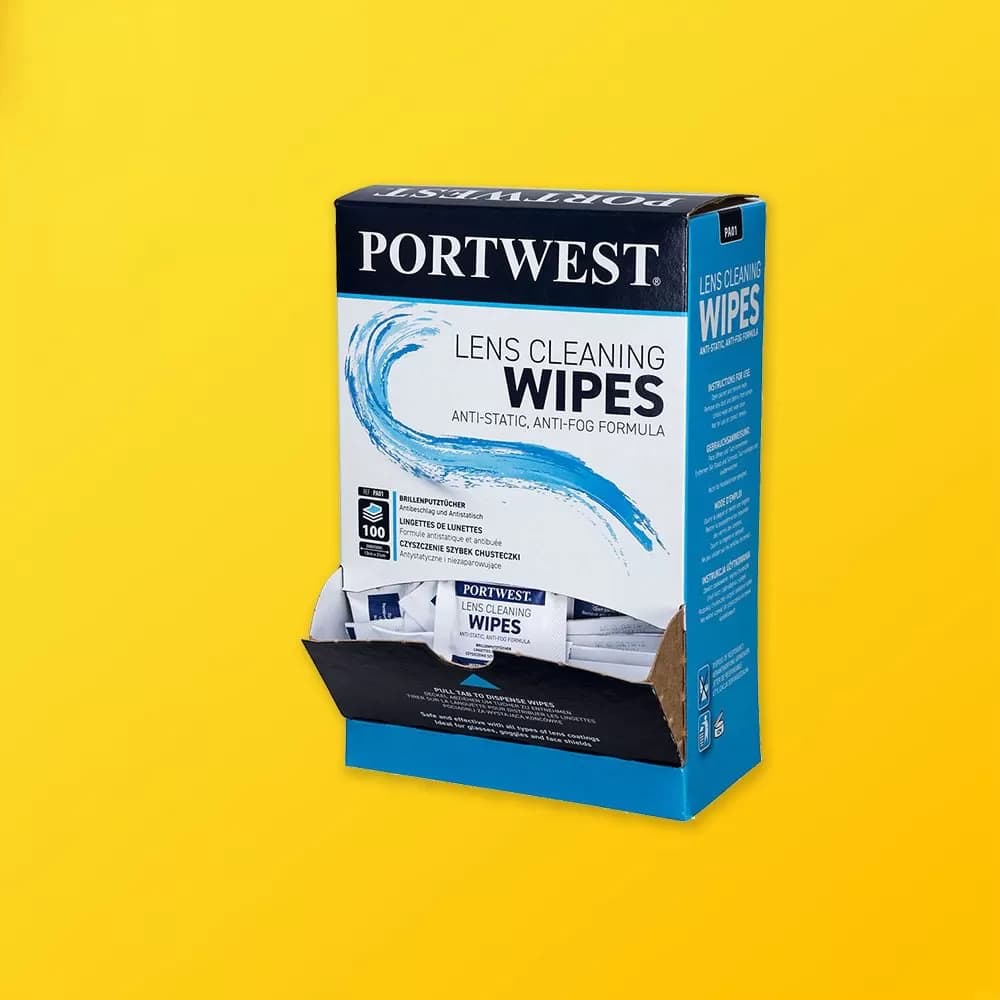
Custom gravity dispenser boxes are best when a retailer needs small products to stay organized, visible, and easy to pick one at a time. The right box is not just a printed carton with a tear-away front. It must hold the filled weight, dispense without jamming, protect the front opening during transit, and keep the brand message readable after the display panel is removed. Start by confirming product dimensions, count per box, retail placement, material needs, opening style, and how staff will refill or replace the display.
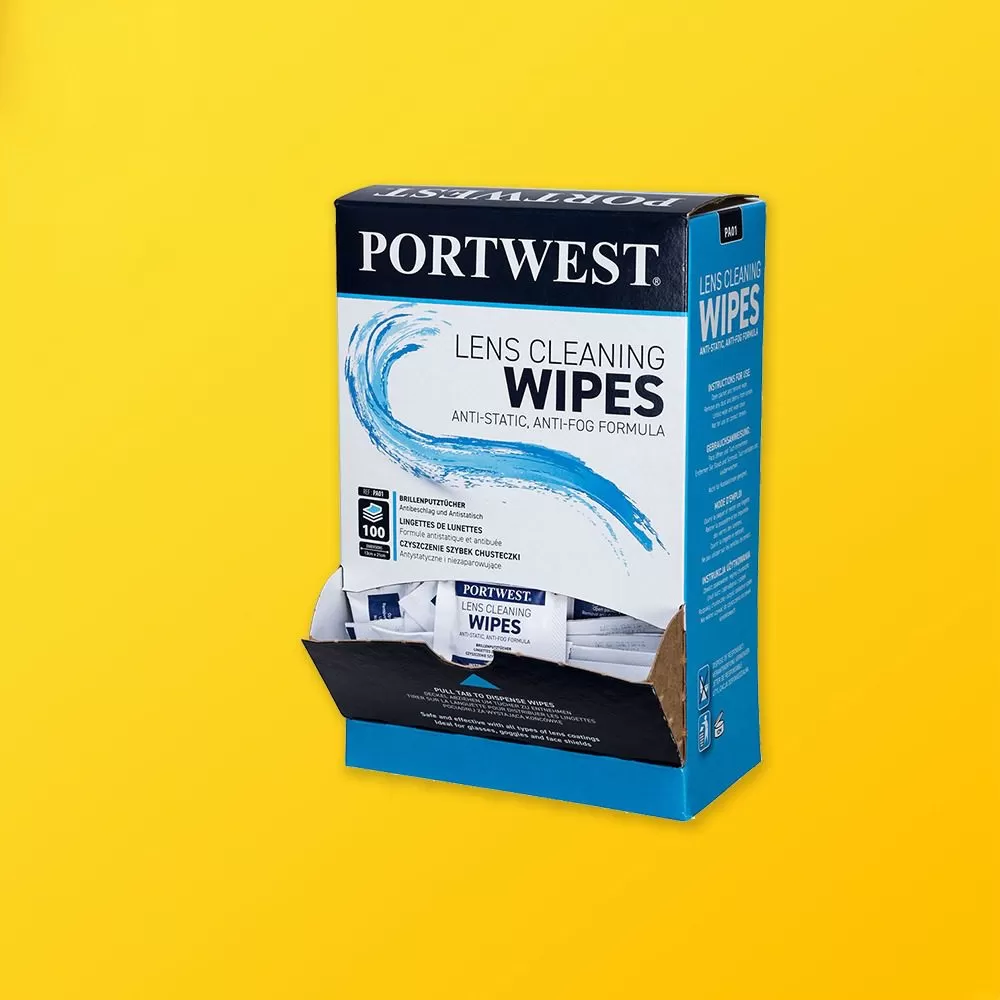
When a gravity dispenser box is the right choice
A gravity dispenser box works for products that are sold repeatedly from the same display: sachets, bars, small pouches, lip balm, packets, wrapped food items, wellness products, sample packs, and compact retail accessories. The box usually ships or stores the product, then converts into a shelf-ready or counter-ready display when the front panel is opened.
Choose this format when your selling environment needs speed and order. A loose pile of small products can look messy, hide lower items, or make flavor and variant rotation harder. A dispenser box keeps the stack angled toward the opening so customers can pull one unit while the next unit slides forward.
It may not be the best structure for fragile glass, irregular products that catch on each other, very heavy items, or premium products that need a slower luxury reveal. In those cases, a rigid box, tray, insert, or separate display system may protect the product better. For compact retail SKUs, though, custom gravity dispenser boxes can combine storage, display, and brand communication in one structure.
Decide how the dispenser will open
The opening style controls how the product is accessed and how much artwork stays visible after setup. The common options are front tear-away, perforated, flip-out, and open-tray dispenser formats.
A front tear-away panel is simple for retailers. Staff remove the marked section and the lower opening becomes the dispensing area. This is useful for pouches, sachets, wrapped snacks, and small cartons. The tradeoff is that any artwork or product information printed on that removable section disappears when the box is displayed. Keep required claims, ingredients, warnings, barcodes, QR codes, and key brand messages away from the tear-off panel unless they are duplicated elsewhere.
A perforated dispenser box gives a cleaner opening when the perforation is planned correctly. The perforation should tear without shredding the surrounding board, but it must also survive filling, case packing, and delivery. Ask for a dieline that clearly marks cut lines, score lines, glue areas, and the removable panel.
A flip-out opening can create a small front tray or lip. This helps retain the first few products, creates a more deliberate display shape, and can give the front panel more branding space. It is helpful when products are light and could slide too far forward.
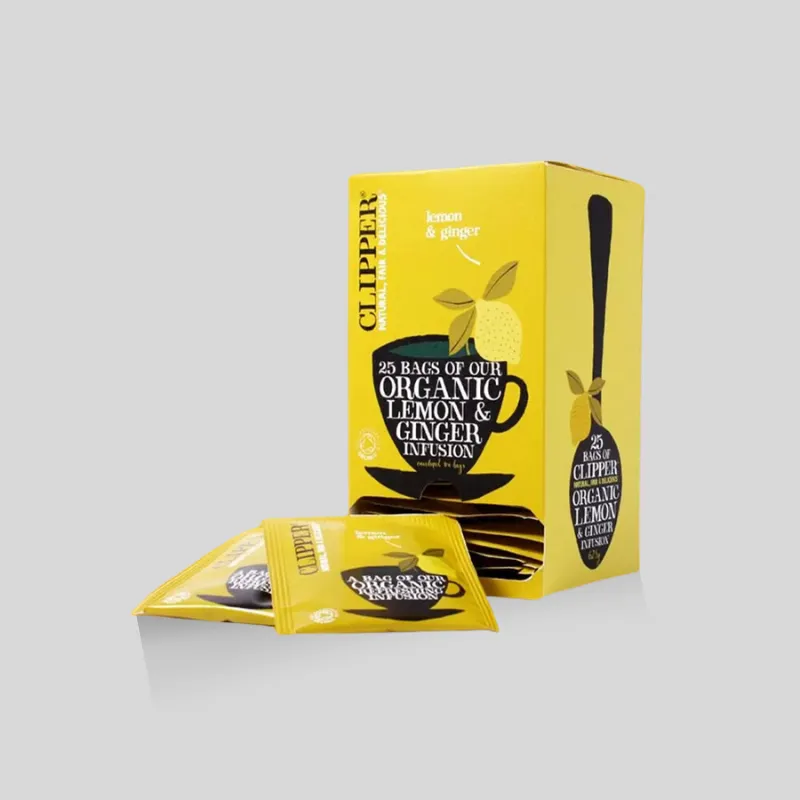
Size around product flow, not only product fit
Dispenser packaging fails when it is sized only to the outer product dimensions. The better approach is to size around product behavior inside the box. A pouch, tube, sachet, or small carton may measure correctly but still jam if the box angle, front opening, or stack depth is wrong.
Confirm five measurements before requesting a dieline:
- Product width, height, and depth after final filling.
- Target units per dispenser box.
- Total filled weight and whether the stack compresses lower products.
- Product surface texture: matte pouch, glossy pouch, paper wrap, carton, or tube.
- Retail placement: counter, shelf, peg/wall, checkout lane, or aisle display.
The opening should let one item come forward while preventing several from spilling out. For tall or narrow products, the box may need more depth, a retaining lip, or an insert. For soft pouches, allow enough tolerance so sealed edges do not catch. For lip balm, cosmetics, wellness sticks, or narrow tubes, consider dividers or an inner tray if the products roll, rotate, or fall sideways.
If the product will be restocked by replacing the entire box, prioritize simple setup and a clean tear-away front. If store staff will refill the same dispenser, the top or back access must be strong enough for repeated opening.
Choose board strength and finish for the retail environment
Most dispenser boxes use cardstock, SBS paperboard, kraft board, or lightweight corrugated/cardboard depending on the product weight and display duty. The material choice should reflect the product, not only the desired look.
SBS or white cardstock is useful when crisp color, cosmetic-style printing, or detailed artwork matters. It works well for branded sachets, small retail goods, beauty samples, and lightweight products. Kraft board gives a more natural look and can fit food, wellness, and eco-positioned retail products, but color output will look different on brown substrate than on white board.
Cardboard or corrugated-style dispenser boxes make sense when the dispenser has to carry more weight, ship filled, or hold up through heavy retail handling. For large count packs, heavier product density, or wholesale counter displays, board stiffness matters more than a thin premium feel.
Coatings and finishes should be chosen carefully. Matte or gloss lamination can improve handling and visual finish, but it may affect recyclability expectations and cost. Aqueous coating can protect print for many retail uses. If the dispenser touches food directly, confirm the food-contact system, liners, coatings, and ink requirements for the specific use case instead of assuming a decorative retail board is suitable.
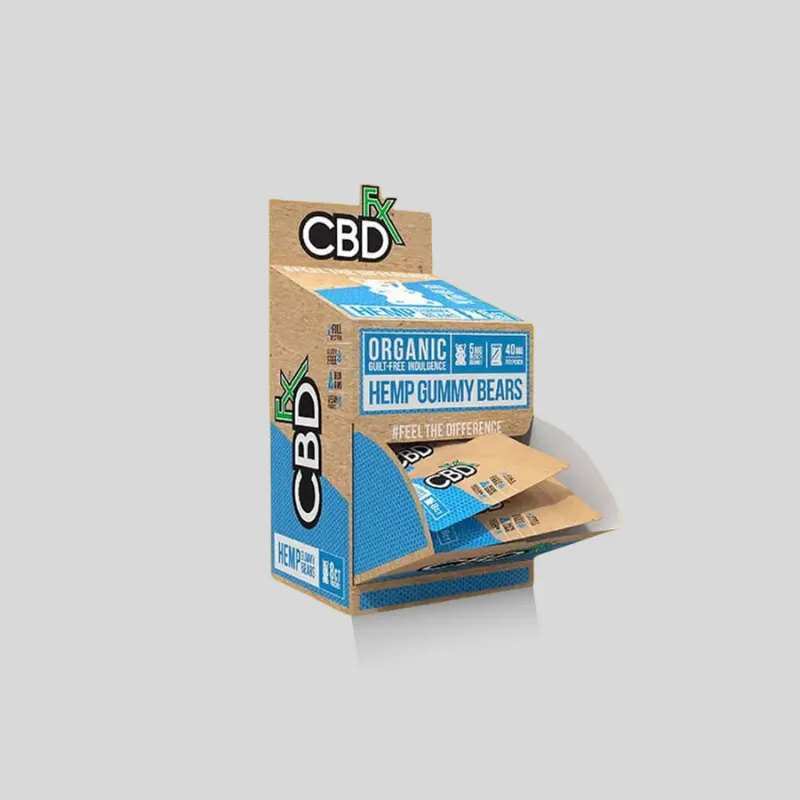
Plan the artwork after the box is opened
A dispenser box has two lives: closed pack and opened display. Your artwork has to work in both states. The front face may look complete before setup, but after the retail team tears or folds the panel, the visible brand zones change.
Place the logo on the header, side panels, and front retaining lip when possible. Put product names, flavor or variant identifiers, usage cues, and important compliance text on areas that remain intact. If the product itself has a barcode, the dispenser may not need a scannable barcode, but wholesale cartons, store labels, QR codes, or reorder information may still need a stable panel.
For checkout counters, shoppers see the display from a short distance and often at an angle. Use larger product cues and fewer tiny claims. For shelf placement, side-panel branding can matter because adjacent products may hide the front. For wall or peg display, confirm hanging holes, load limits, and product removal angle before artwork is finalized.
Custom printing can include brand colors, product photography, icons, flavor coding, QR codes, reorder prompts, and retail instructions. Finishes such as spot UV, embossing, foil, or soft-touch coating can be used when the dispenser supports a premium SKU, but they should not interfere with perforations or folding areas.
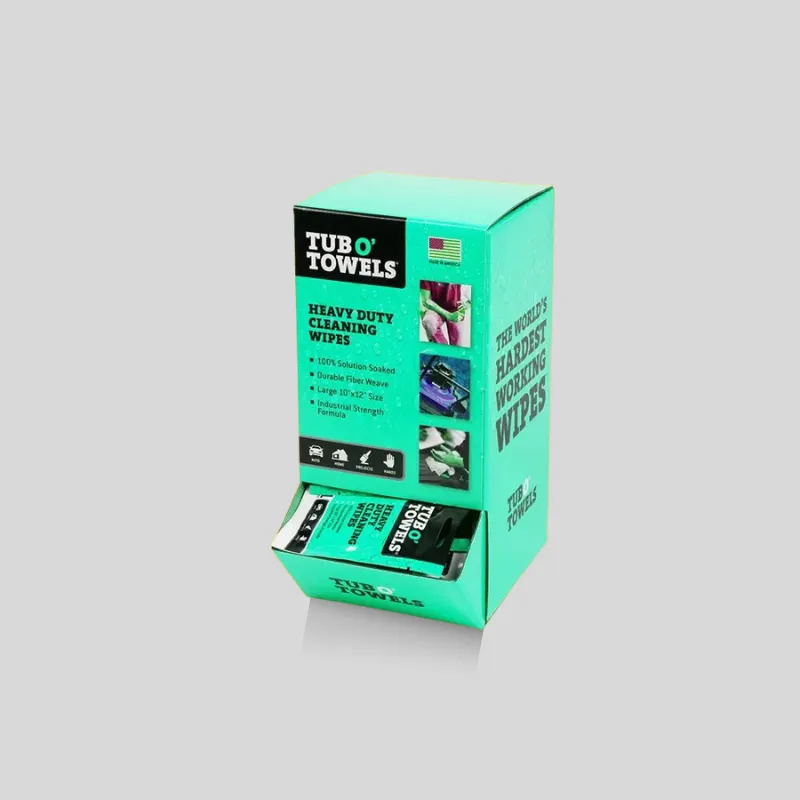
Use perforations and scores with care
Perforations create convenience, but they also introduce weak points. The goal is controlled removal, not accidental tearing. This is why the dieline stage matters.
Ask the packaging team to show where the tear-away panel begins, where it stops, and how the first product will be accessed after removal. Avoid placing fine text, critical claims, or small logos directly over the tear path. If the removable panel doubles as a setup instruction area, keep the instruction short and clear.
A good perforated dispenser box should pass three basic checks. First, the panel should not open during shipping or unpacking. Second, store staff should be able to remove it without tools or messy tearing. Third, the remaining front edge should not look ragged or weaken after the first few products are removed.
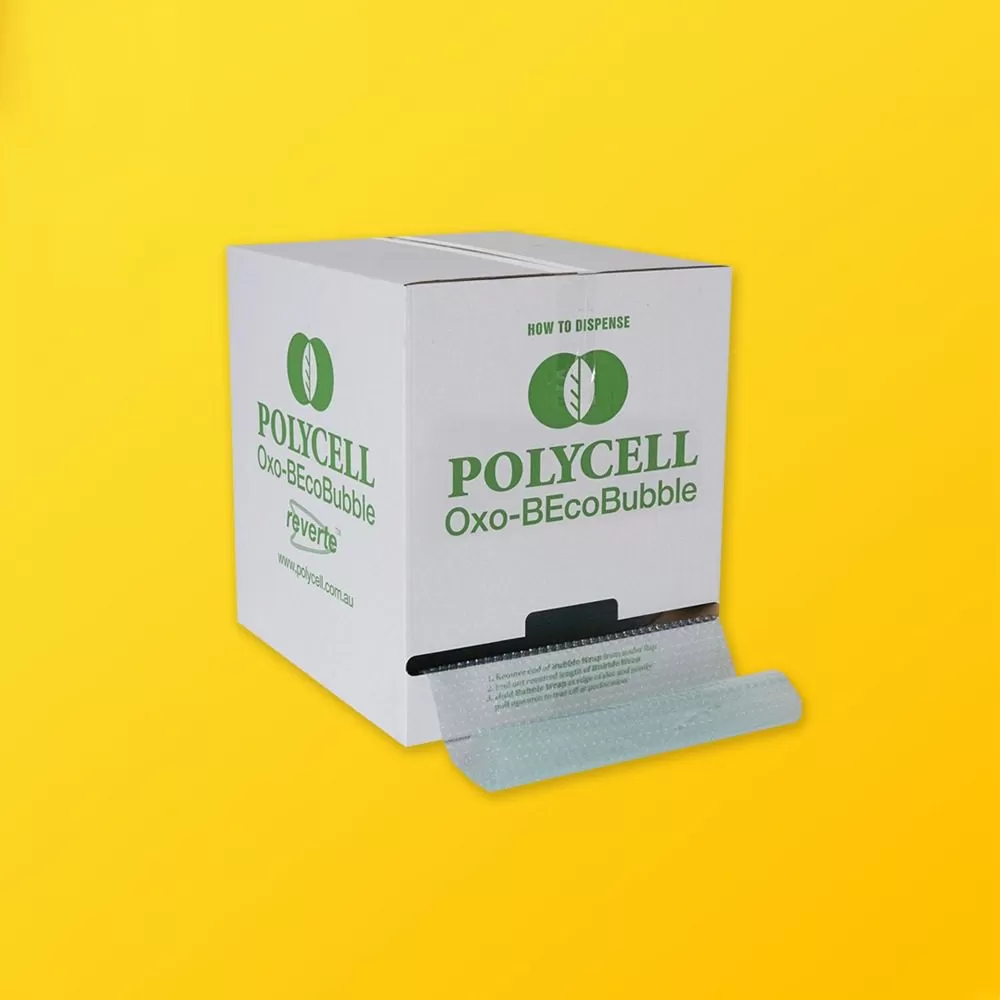
Consider inserts, dividers, and product retention
Not every gravity dispenser needs an insert, but many benefit from internal control. Products can rotate, bridge, slide unevenly, or tumble forward if the box is too open. Inserts, dividers, sloped bases, inner trays, and retaining tabs can guide product movement.
For single-serve food packs, the internal surface should allow smooth movement without crushing the package. For cosmetics and wellness products, dividers can keep tubes or sticks aligned. For mixed assortments, use separate lanes or clear variant labeling so customers do not dig through the display.
If the product count is high, test lower products for compression. A stack that looks good at the start may deform the lower units by the time the box reaches a retail shelf. If the product is packed in flexible pouches, check whether sealed seams catch near the side walls or opening lip.
Match the dispenser to retail operations
A dispenser box should be easy for the retailer as well as attractive for customers. If store staff have to fight the packaging, the display may be opened badly, placed sideways, or removed from the counter.
Think through the retail workflow:
- How will the box be case packed and shipped?
- Will the retailer display the shipping unit directly or remove it from an outer carton?
- Where is the tear instruction printed?
- Does the box need a top header, side branding, or shelf-ready front?
- Can staff identify the product variant without opening the box?
- Can the dispenser be replenished, or is it replaced when empty?
- Will the front opening survive customers pulling product throughout the day?
These answers shape the final structure. A pharmacy counter, coffee shop, salon, convenience store, and trade-show table all place different stress on the packaging.
Cost factors to discuss before quoting
Custom dispenser box pricing depends on size, board grade, order quantity, printing method, coating, structural complexity, inserts, windows, special finishes, and proofing or sample requirements. A simple SBS dispenser with standard printing will price differently from a heavy corrugated dispenser with multiple perforations, spot UV, foil, or internal lanes.
The quote conversation becomes faster when you provide product samples, filled weight, count per dispenser, retail placement, artwork goals, and any handling concerns. If the product is still in development, share the best available dimensions and ask for a dieline that can be adjusted after a packed-product test.
For Brisk Packaging, the safest next step is to request dispenser-box samples or a dieline review before committing to a full production run. A packaging specialist can help compare cardboard, kraft, and cardstock options; check opening style; and align the print layout with the removable panel.
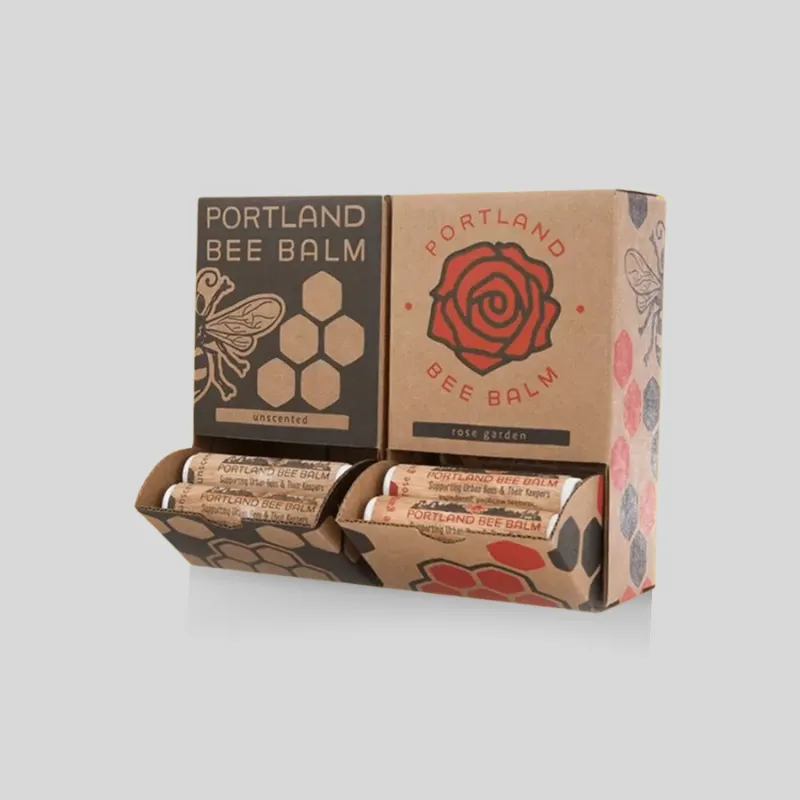
Quote checklist for custom gravity dispenser boxes
Bring this information to the quote request:
- Product type, product dimensions, and filled weight.
- Units per dispenser box and number of variants.
- Retail placement: counter, shelf, wall, checkout, or trade show.
- Preferred opening style: tear-away, perforated, flip-out, or open tray.
- Material preference: white cardstock/SBS, kraft, cardboard, or corrugated.
- Food-contact, wellness, pharmacy, or child-resistant considerations if relevant.
- Artwork files, brand colors, finish preferences, and barcode or QR needs.
- Whether the dispenser ships filled or is filled at the retail location.
- Sample, dieline, or prototype requirements before production.
FAQ
What are custom gravity dispenser boxes used for?
They are used to organize and present small retail products so customers can remove one item at a time. Common uses include sachets, wrapped snacks, lip balm, sample packs, wellness items, cosmetic tubes, packets, and other compact SKUs sold from a counter or shelf.
Are dispenser boxes the same as display boxes?
They overlap, but they are not always the same. A display box may simply present products. A gravity dispenser box is designed so products feed toward an opening, often after a front panel is removed or folded down.
Should I choose kraft or white board for dispenser packaging?
Choose kraft when a natural retail look fits the product and print expectations are realistic. Choose white SBS or cardstock when crisp color, detailed artwork, or cosmetic-style branding is more important. For heavier products, ask whether a stronger cardboard or corrugated option is needed.
Can a dispenser box ship filled and become the retail display?
Yes, many dispenser boxes are designed for that purpose, but the structure should be tested. The perforated panel, glue seams, bottom, and front lip must survive transit and then perform cleanly as a display.
Where should important artwork go on a perforated dispenser box?
Keep important information on panels that remain after opening, such as the header, side panels, back panel, or front retaining lip. Avoid putting required details only on a tear-away section.
How do I start a custom dispenser box project with Brisk Packaging?
Share product dimensions, count per box, filled weight, retail placement, artwork goals, and whether you need tear-away, perforated, flip-out, or countertop display packaging. Brisk can help review the dieline, material options, samples, and a project-specific quote before production.
Next step
If your product needs organized counter or shelf display, request a custom gravity dispenser box quote from Brisk Packaging. Include your packed product size, target count, retail placement, and preferred opening style so the team can recommend the right board, dieline, printing method, and sample path.