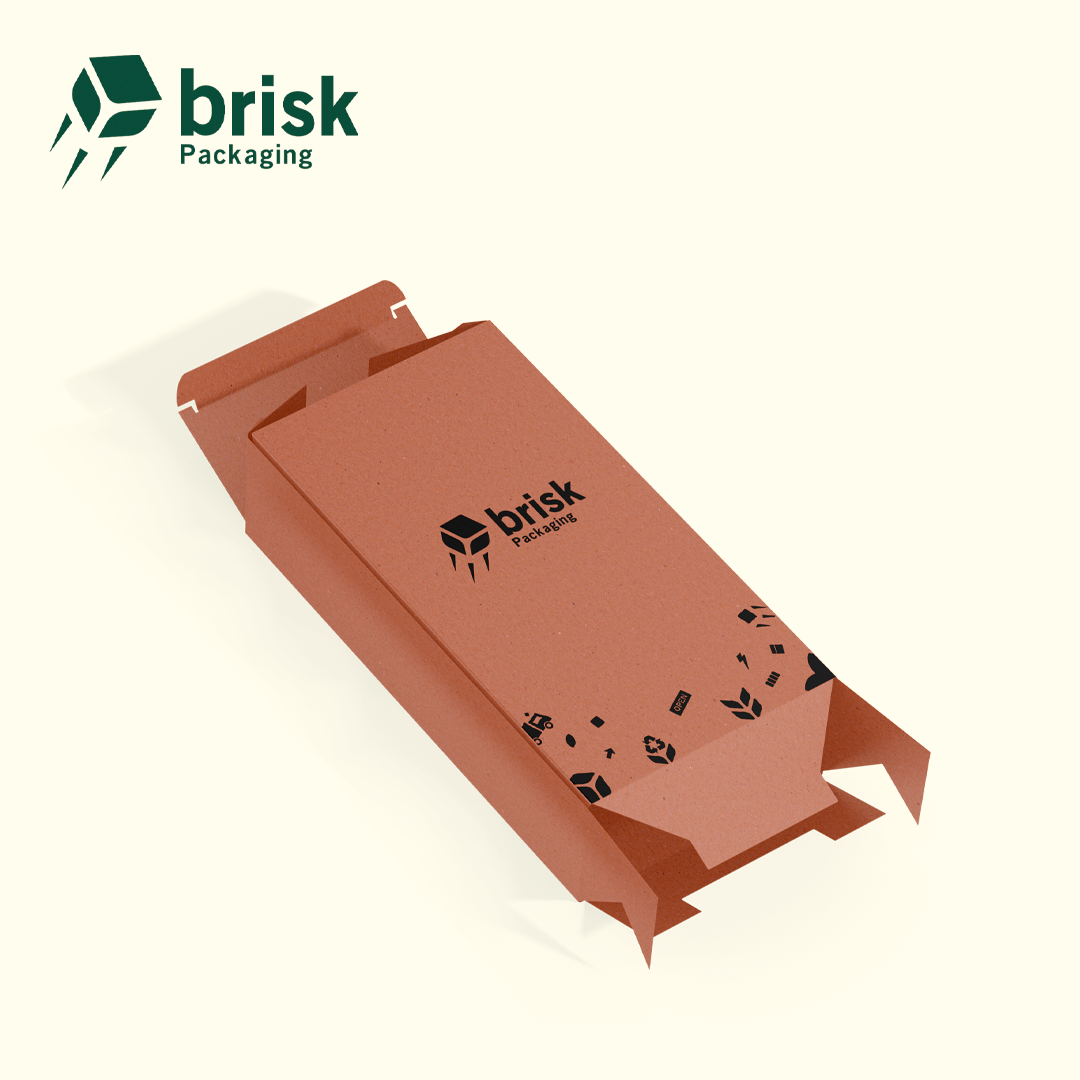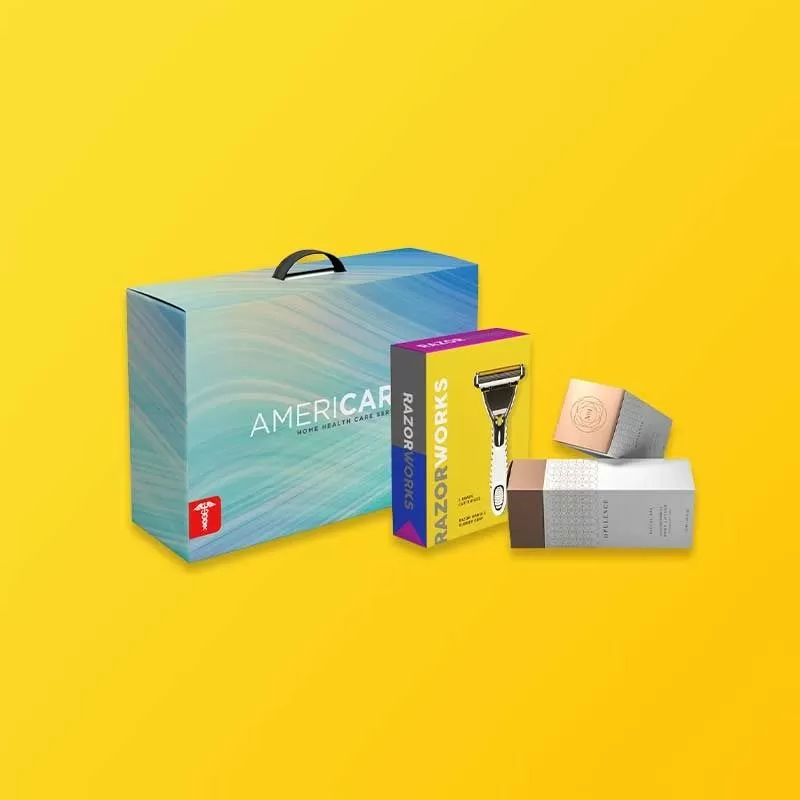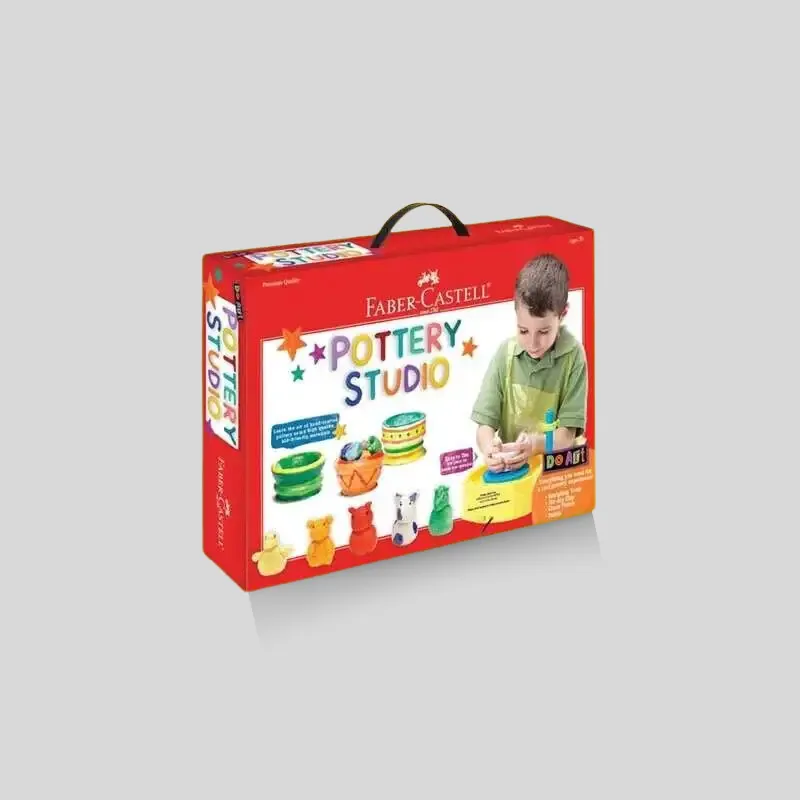
Kraft boxes are made from uncoated, recycled-content paperboard — strong enough for shipping, printable for branding, and widely recognized as an eco-credible choice. To specify them correctly, decide on structure (mailer, rigid, folding carton, pillow, sleeve, gable), print method (digital vs offset on uncoated kraft), recycled percentage and certifications (FSC, post-consumer content), finish (matte lamination, aqueous, foil, embossing), and basis weight. This guide walks through each decision and ends with a quote-ready checklist.
What Kraft Board Is — and What It Isn't
Kraft refers to the pulping process (long fibers, high tear strength) and the typical unbleached brown color. In packaging, you will encounter:
- Virgin kraft — longer fibers, higher burst strength, lighter tan color. Used when maximum durability or food-contact compliance is required.
- Recycled kraft — contains post-consumer waste (PCW), typically 30–100% PCW. Slightly shorter fibers, darker brown, minor speckling. Most custom kraft packaging uses recycled kraft for sustainability claims.
- Coated kraft (CKB / white-top kraft) — a clay-coated surface on one side for higher print fidelity. Less common for "natural kraft" branding but available when color accuracy is critical.
- Basis weight / caliper — common ranges: 14–24 pt for folding cartons, 18–32 pt (E-flute to B-flute equivalent) for rigid and mailer structures. Thicker board = higher shipping protection but higher material cost and minimum order quantities.
Key distinction: kraft is a material family, not a single box style. The same kraft board can be converted into mailers, rigid boxes, folding cartons, tuck boxes, sleeves, pillow boxes, or gable boxes. Your structural choice drives tooling, MOQ, and per-unit cost.
Structural Styles Available in Kraft
| Structure | Typical Use | Tooling | MOQ Range* |
|---|---|---|---|
| Mailer box (self-locking, dust flaps) | Ecommerce subscription, apparel, accessories | Die-cut + scoring | 250–500+ |
| Rigid box (wrapped chipboard + kraft wrap) | Luxury, gift, electronics, cosmetics | Wrapping + glue + die-cut wrap | 300–500+ |
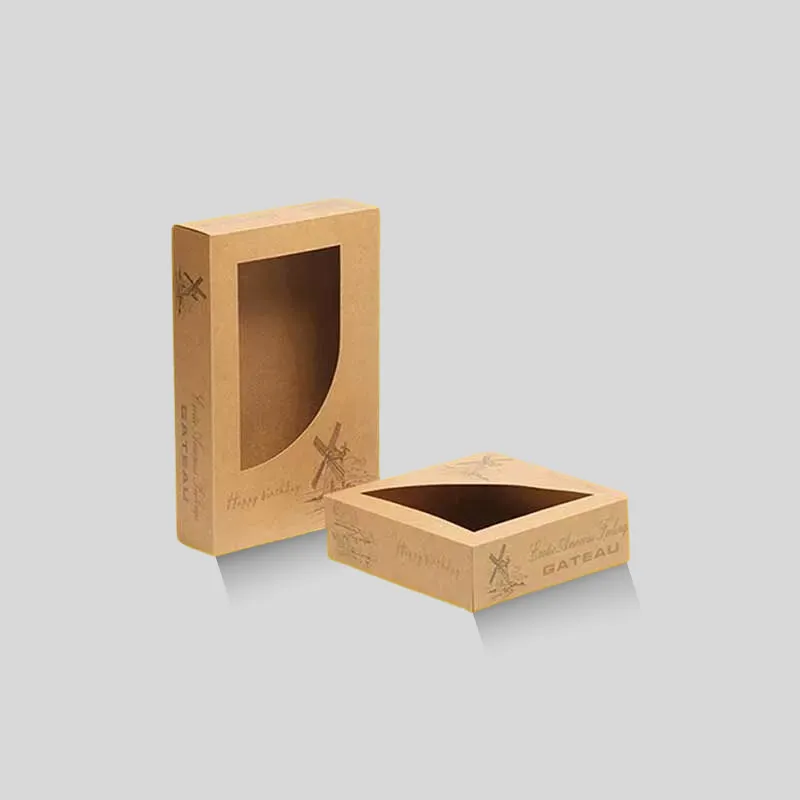
| Folding carton (glued or auto-lock) | Retail shelf, food, cosmetics, supplements | Die-cut + glue lap | 500–1,000+ |
| Tuck box (straight or reverse tuck) | Light retail, samples, software, candles | Die-cut | 500–1,000+ |
| Sleeve box (tray + slide sleeve) | Premium unboxing, multi-SKU kits | Two die-cuts | 300–500+ |
| Pillow box (curved ends, tuck flaps) | Jewelry, favors, small gifts | Die-cut | 500–1,000+ |
| Gable box (integrated handle) | Food takeout, gift sets, events | Die-cut + glue | 500–1,000+ |
| Shipping / corrugated mailer | Heavy/bulky products, multi-unit packs | Die-cut corrugated | 100–250+ |
*MOQ ranges are qualitative indicators from typical Brisk production runs; exact numbers vary by structure, size, and print method. Confirm with a packaging specialist.
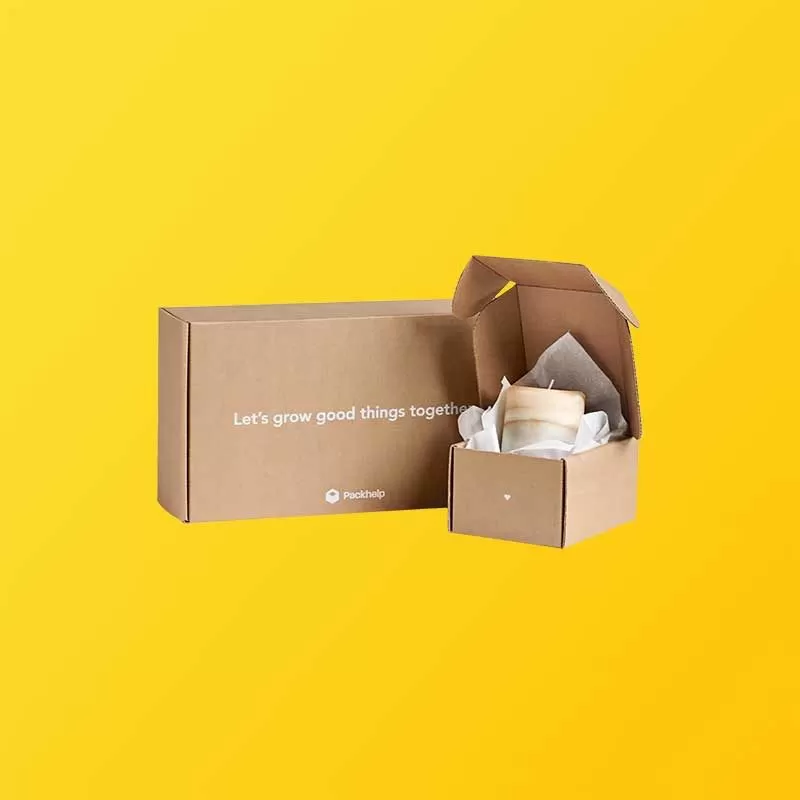
Choosing structure: Start with the product — weight, dimensions, fragility, retail vs. shipper, unboxing importance. A 200 g candle in a sleeve box feels premium; a 2 kg supplement bottle needs a mailer or corrugated shipper. If you sell both, you can share artwork across structures but each needs its own dieline.
Printability on Uncoated Kraft
Uncoated kraft absorbs ink differently than coated boards. This affects every color decision:
- Digital printing (HP Indigo / toner) — lower setup cost, no plates, excellent for short runs (250–1,000). Ink sits on surface; color gamut is narrower than offset. Best for 1–3 colors, logos, patterns. White ink underprint is available on some digital presses to boost vibrancy on brown board.
- Offset printing — wider gamut, tighter registration, lower per-unit at volume (1,000+). Requires plates. On uncoated kraft, expect dot gain (ink spreads) and color shift (colors appear muted/earthier). Ask for a press proof if brand color accuracy is critical.
- Flexographic — common for very high volume corrugated; less common for premium folding cartons.
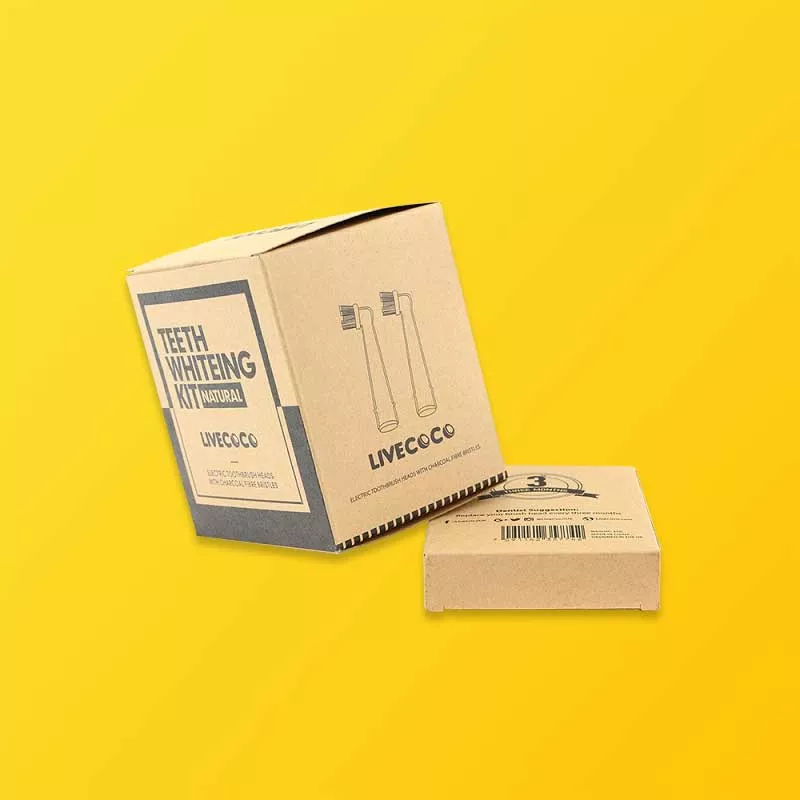
- Color expectations: Pantone colors on kraft will not match coated swatches. Reds/oranges shift warmer; blues can look dull. Request a material-specific print sample on the actual kraft board before full production.
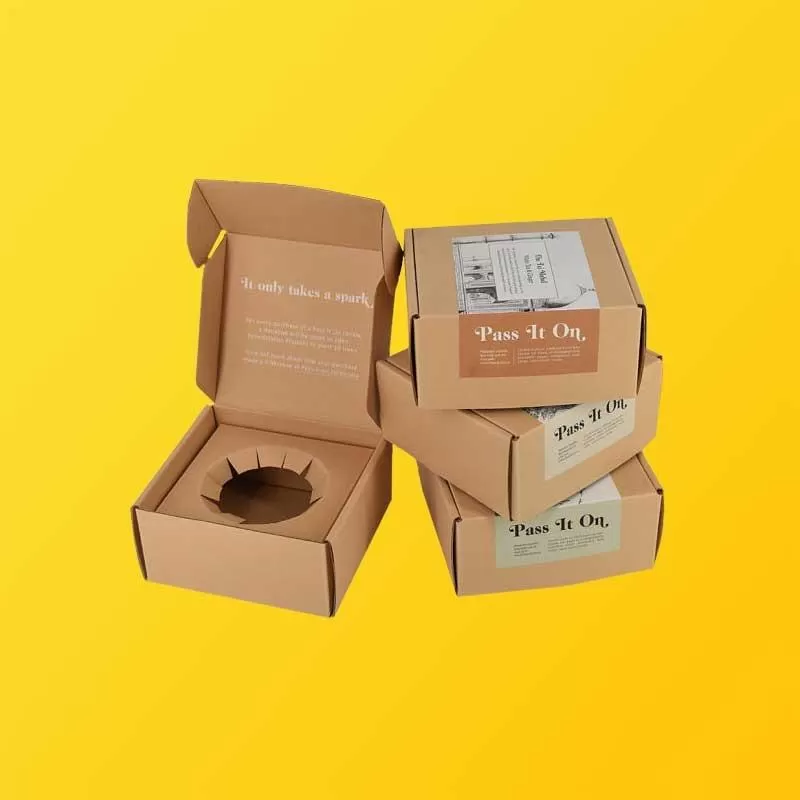
Design tips for kraft:
- Embrace the brown — use it as a design element (negative space, knock-out text).
- Avoid large solid flood coats; they crack on fold lines and show fiber texture unevenly.
- Minimum line weight: 0.5 pt for offset, 0.75 pt for digital.
- Reverse text (white on brown) needs 8 pt minimum for legibility.
- Consider a white underprint layer for critical brand colors, then overprint CMYK.
Finishes on Kraft
| Finish | Effect on Kraft | Durability | Cost |
|---|---|---|---|
| Matte lamination | Softens texture, reduces fiber show-through, adds scuff resistance | High | Medium |
| Gloss lamination | High contrast, makes colors pop, but fights the "natural" look | High | Medium |
| Aqueous coating | Light protection, minimal visual change, recyclable | Low–Medium | Low |
| Spot UV | Glossy highlights on matte base; striking on kraft | Medium | Medium–High |
| Foil stamping (gold, silver, copper, holographic) | Premium metallic contrast on brown | High | High |
| Embossing / debossing | Tactile depth; works well with kraft's fiber texture | High | High |
| No finish | Raw, authentic, fully recyclable/compostable | None | None |
Practical note: Lamination (matte or gloss) makes the box not compostable in most municipal streams and can complicate recycling if the film doesn't separate cleanly. For brands marketing "plastic-free" or "home compostable," skip lamination and use aqueous or no finish.
Sustainability Specifics — What to Ask For
"Eco-friendly" is a claim; certifications are evidence. Specify and verify:
- Post-consumer recycled content (PCW %): Ask for the exact percentage (e.g., "100% PCW," "80% PCW / 20% pre-consumer"). Higher PCW = darker board, more speckle.
- FSC certification: FSC Mix, FSC Recycled, or FSC 100%. Request the supplier's FSC certificate number and confirm chain-of-custody to your shipment.
- SFI / PEFC: Alternative forestry certifications; less common in North American consumer packaging but valid.
- Compostability: Only uncoated, unlaminated, water-based-ink kraft can claim industrial compostability (ASTM D6400 / EN 13432). Home compostable claims require additional testing (AS 5810 / NF T 51-800).
- Recyclability: All uncoated kraft is curbside recyclable. Lamination, foil, and some adhesives can reduce recyclability — ask for a recyclability assessment if this is a brand pillar.
- PFAS-free: Confirm no intentionally added PFAS in coatings or adhesives, especially for food-contact packaging.
- Carbon footprint / LCA: Some suppliers offer cradle-to-gate LCA data per box. Useful for sustainability reporting.
Cost and MOQ Drivers for Kraft
- Structure — Rigid > Sleeve > Mailer > Folding carton > Tuck > Pillow/Gable (roughly).
- Basis weight / caliper — Thicker board = more material + heavier shipping.
- Print method — Offset has plate fees (~$150–400 per color); digital has none.
- Colors — Each offset plate adds cost; digital is flat per-sheet regardless of color count.
- Finish — Lamination adds ~$0.10–0.30/unit; foil/embossing adds tooling + per-unit.
- Quantity breaks — Typical tiers: 250, 500, 1,000, 2,500, 5,000, 10,000+. Per-unit drops 30–60% from lowest to highest tier.
- Size / yield — Larger boxes = fewer per press sheet = higher per-unit.
- Tooling — Die-cut tooling is a one-time cost ($300–1,500+ depending on complexity). Amortized over the run.
Rule of thumb: For runs under 1,000, digital on mailer or folding carton is usually most economical. For 2,500+, offset on any structure wins. Rigid boxes almost always require 500+ due to hand-wrapping labor.
Common Mistakes When Specifying Kraft Packaging
- Assuming all kraft looks the same. PCW %, basis weight, and mill source change color and texture visibly. Request a material swatch kit before finalizing design.
- Designing for coated board, printing on uncoated. Color shifts, dot gain, and ink absorption will surprise you. Proof on kraft.
- Skipping white underprint for brand colors. That signature teal will look muddy on brown without it.
- Over-finishing a "natural" claim. Matte lamination + foil + spot UV on a "plastic-free" box contradicts the message.
- Under-specifying dimensions for the structure. A mailer box needs inside dimensions; a rigid wrap needs outside dimensions + tray depth. See our guide on how to measure a box for packaging.
- Not planning for insert fit. If you need a custom insert (EVA, molded pulp, corrugated die-cut), the box inside dimensions must accommodate it with clearance.
- Ordering one structure, needing another later. Artwork does not transfer 1:1 between a mailer dieline and a rigid wrap dieline. Plan your structure roadmap early.
Quote-Ready Checklist for Custom Kraft Boxes
Prepare this before contacting a packaging supplier:
- [ ] Structure: Mailer / Rigid / Folding carton / Tuck / Sleeve / Pillow / Gable / Shipping
- [ ] Inside dimensions: L × W × D (mm or in) — measured per box measurement guide
- [ ] Product weight & fragility: Determines board grade and insert needs
- [ ] Board spec: Virgin vs recycled kraft; target PCW %; basis weight / caliper (pt or gsm)
- [ ] Certifications required: FSC (Mix/Recycled/100%), SFI, compostable, PFAS-free
- [ ] Print method preference: Digital (short run) vs Offset (volume) — or "recommend best"
- [ ] Colors: Pantone references + CMYK values; note which need white underprint
- [ ] Artwork status: Print-ready PDF with bleed, dieline layer, color-separated? Or need design support?
- [ ] Finish: None / Aqueous / Matte lam / Gloss lam / Spot UV / Foil / Emboss / Deboss
- [ ] Quantity tiers: Target MOQ + 2–3 higher breaks for price comparison
- [ ] Timeline: Prototype → approval → production → delivery dates
- [ ] Shipping destination: Postal codes for freight estimates; any retail compliance labels needed
- [ ] Samples requested: Material swatch, printed proof, structural prototype, finished unit
FAQ
What is the difference between kraft and corrugated?
Kraft is a paperboard (solid fiber); corrugated is a fluted sandwich (liner + medium + liner). Kraft mailers use thick paperboard (18–32 pt); corrugated shippers use flute (E, B, C). Kraft = retail/unboxing feel; corrugated = heavy-duty shipping.
Can I print full-color photos on kraft boxes?
Yes, but expect muted, vintage-toned results. Uncoated kraft absorbs ink. For photographic fidelity, consider coated kraft (white-top) or a laminated finish. Digital handles photos better than offset on uncoated kraft.
Is kraft packaging food-safe?
Virgin kraft can be food-contact compliant (FDA 21 CFR 176.170 / 176.180). Recycled kraft may not be unless specifically certified for food contact (migration testing). Always confirm with your supplier and request a declaration of compliance for your specific application.
What is the minimum order for custom kraft boxes?
Varies by structure and print method. Digital mailers/folding cartons: ~250. Offset: ~500–1,000. Rigid: ~300–500. Corrugated shippers: ~100–250. Ask for tiered pricing — the per-unit drop at the next tier often justifies ordering slightly more.
Can I get a sample before ordering?
Yes. Request a material swatch kit (board samples), a printed proof (digital proof on actual board), and a structural prototype (blank, unprinted box). Brisk provides sample kits — talk to a packaging specialist to coordinate.
How do I ensure my kraft boxes are recyclable?
Use uncoated board, water-based or soy inks, no lamination, no foil, and water-based adhesives. If you need lamination or foil, communicate "recyclable" as a goal and ask the supplier for a recyclability assessment (e.g., Western Michigan University / Fibre Box Association protocol).
Next Steps
Kraft packaging works when the material, structure, print, and finish align with your product, brand, and sustainability commitments. The shortest path to a confident decision:
- Request a kraft material swatch kit to see/feel board options.
- Share your product specs (dimensions, weight, retail vs. shipper) with a packaging specialist.
- Get a tiered quote with 2–3 quantity breaks, including tooling and prototype costs.
- Approve a physical prototype before full production.
Ready to specify your kraft boxes? Request kraft material samples and a packaging quote with your structure, recycled content %, and print requirements — or talk to a packaging specialist for FSC-certified options and design support.