Custom retail packaging is the physical handshake between your product and the shopper. On a crowded shelf, you have roughly seven seconds to communicate quality, value, and brand identity before the customer moves on. The right packaging protects your product through transit and merchandising, answers the shopper's questions at a glance, and creates an unboxing moment that drives repeat purchases and social sharing. This guide walks through the key decisions — box style, material, printing, finish, and cost drivers — so you can brief a packaging partner confidently and get a quote that matches your actual needs.
What Custom Retail Packaging Is (and Who It's For)
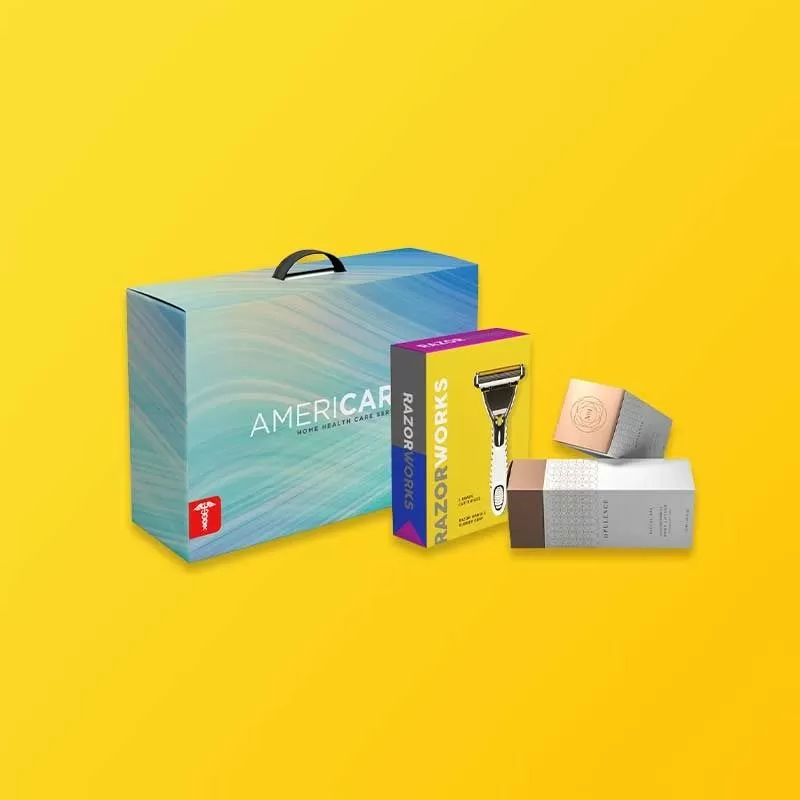
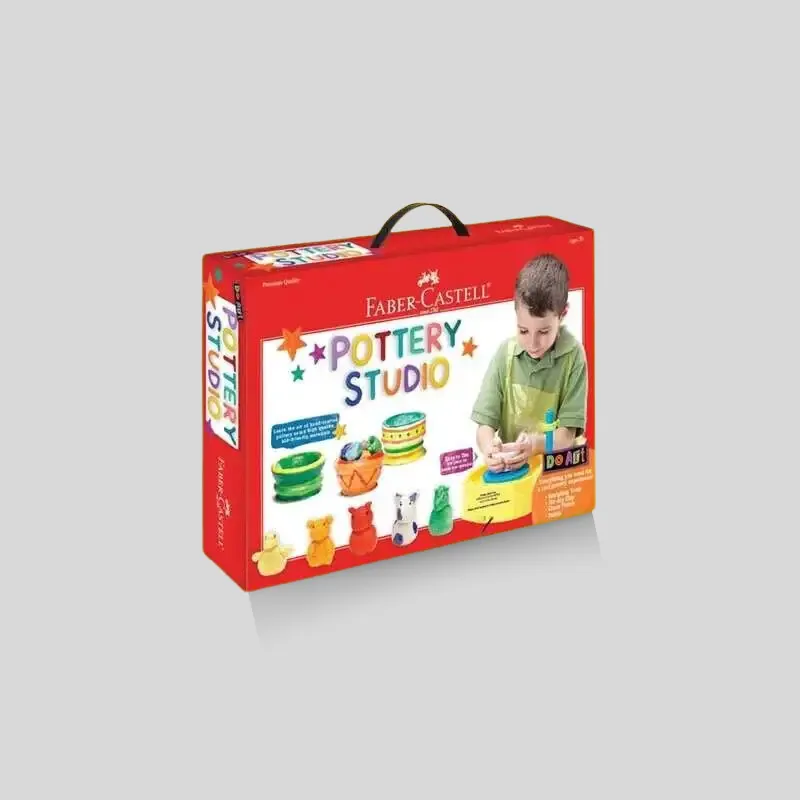
Retail packaging refers to the primary or secondary box that sits on a store shelf, in a boutique display, or inside a shipped e-commerce parcel. Unlike plain shipping cartons, retail packaging is designed to be seen, handled, and judged. It typically combines structural protection with full-color branding, finish embellishments, and sometimes window cutouts or inserts that hold the product in place.
Brands that benefit most from custom retail packaging include:
- Consumer packaged goods — food, beverage, supplements, cosmetics, and personal care where shelf differentiation drives trial
- Specialty and gift brands — candles, jewelry, artisan foods, and curated sets where the box is part of the product experience
- Electronics and accessories — headphones, chargers, wearables where perceived value must match price point
- Health and wellness — CBD, nutraceuticals, pharmaceutical-adjacent products where compliance and credibility are inseparable
If your product lives on a retail shelf, in a subscription box, or in a customer's hands after delivery, the packaging is a marketing asset — not just a container.
Common Retail Box Styles and When to Use Them
The box structure you choose determines how the product is protected, displayed, and opened. Each style has distinct structural advantages and aesthetic signals.
2-Piece Rigid Boxes (Lid and Base)
Separate lid and base construction using thick chipboard (typically 1.5–3 mm) wrapped in printed or specialty paper. These boxes convey premium positioning immediately. They are ideal for luxury cosmetics, jewelry, high-end electronics, and gift sets where the unboxing experience is a core brand touchpoint. Magnetic closures, ribbon pulls, and foam or velvet inserts are common additions.
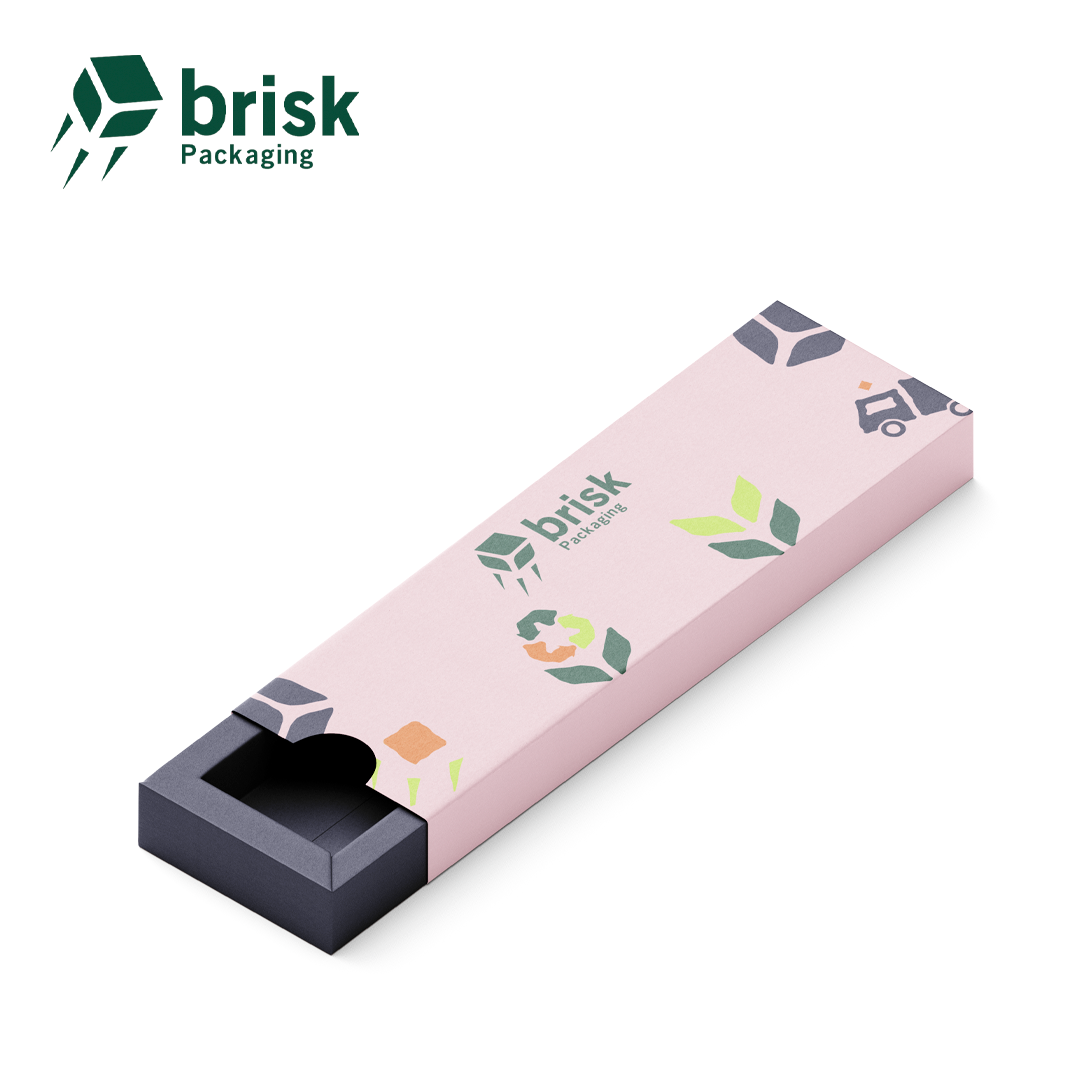
Sleeve Boxes (Slide-Out Tray + Outer Sleeve)
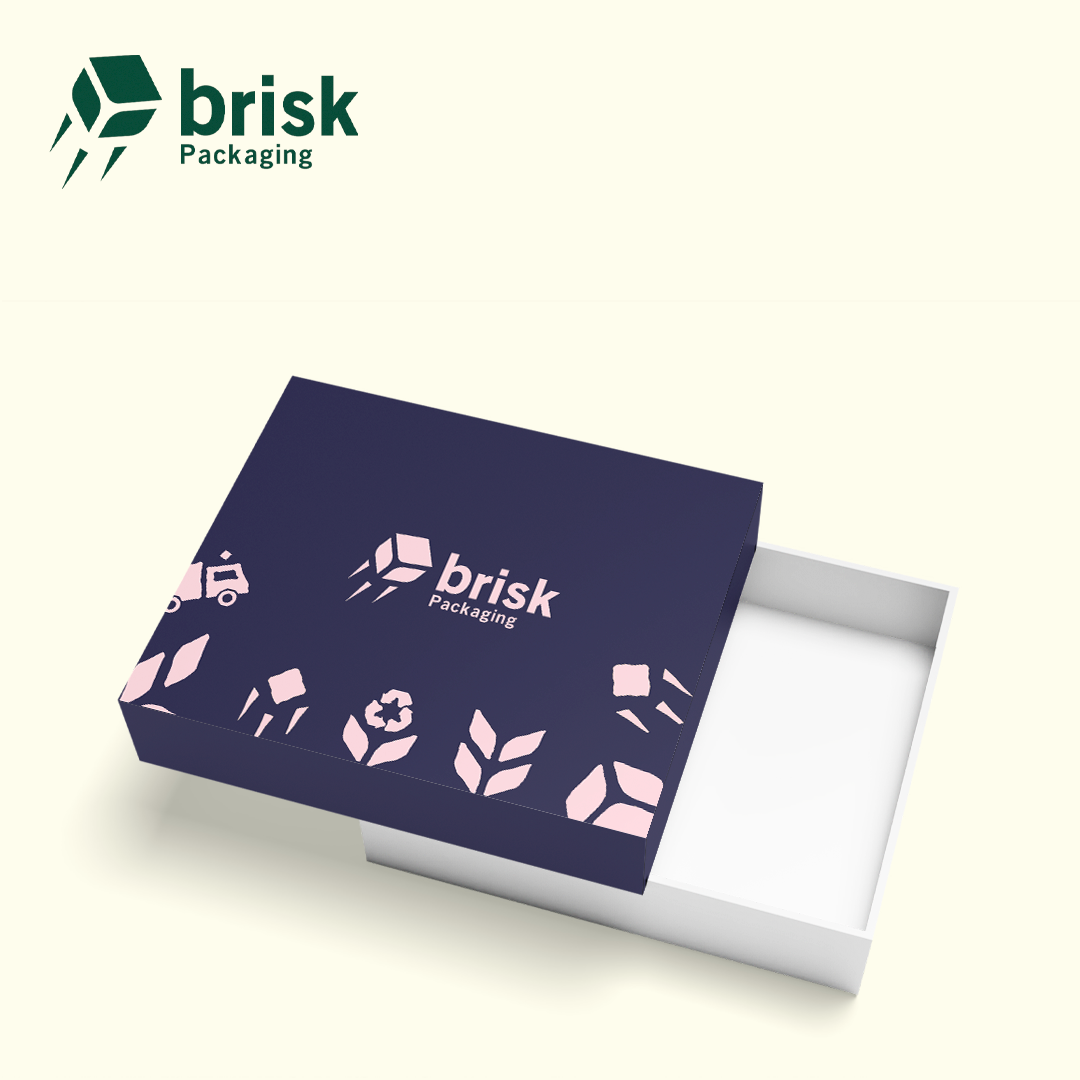
A two-component system: an inner tray that holds the product and an outer sleeve that slides over it. The sliding motion creates a deliberate, premium reveal. Sleeve boxes work well for cosmetics, tech accessories, and multi-item gift sets. They offer strong branding real estate on both the sleeve exterior and the tray interior.
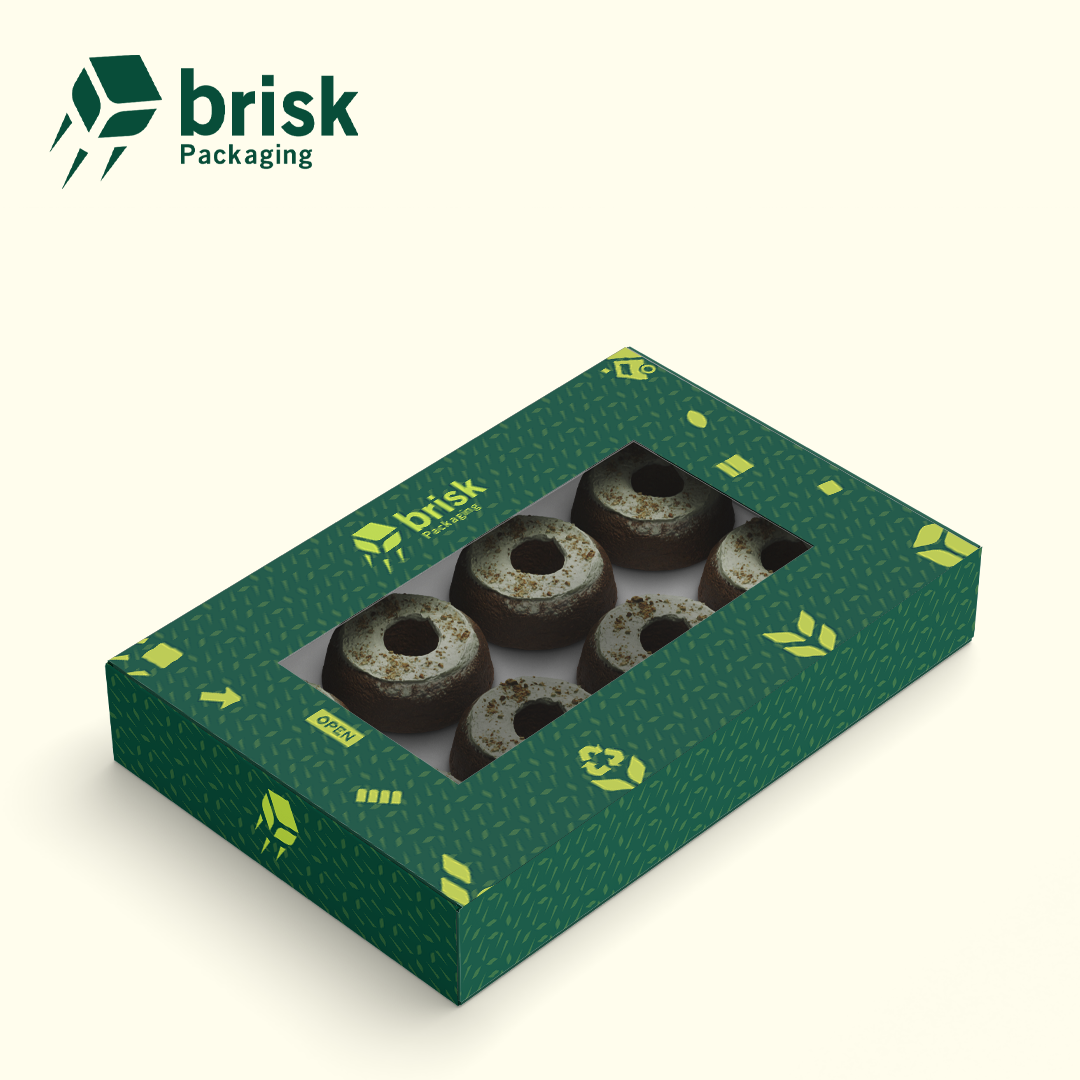
Window Boxes (Folding Cartons with Die-Cut Windows)
Folding cartons (typically 12–24 pt SBS or kraft paperboard) with a die-cut window backed by clear PET or biodegradable film. The window lets shoppers see the product — critical for food, bath products, toys, and any item where visual confirmation drives purchase. Window placement and film choice affect both shelf appeal and structural integrity.
Auto-Lock Bottom Boxes (Crash-Lock / 1-2-3 Bottom)
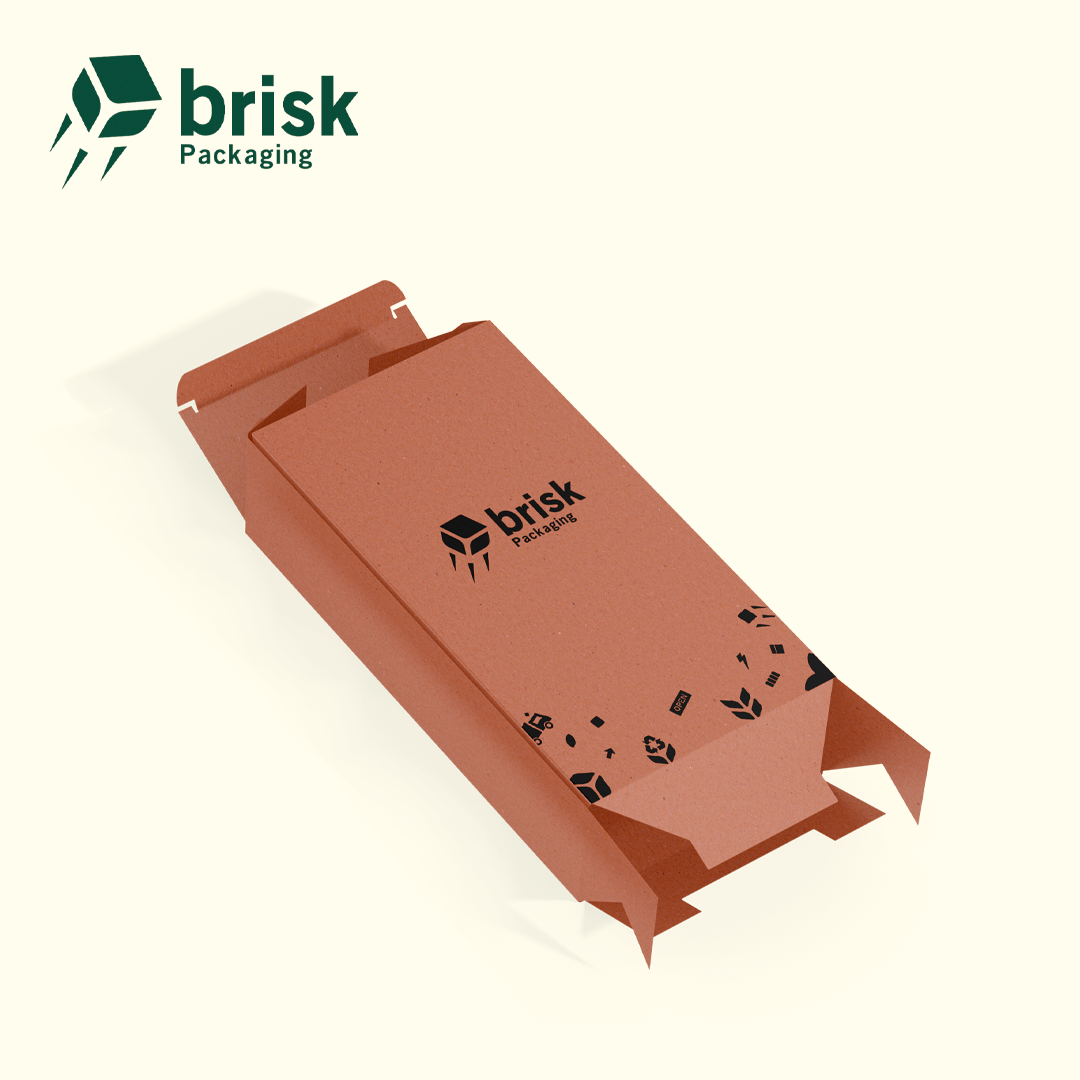
Folding cartons with a pre-glued bottom that locks into place when folded — no manual gluing required on the production line. These are efficient for high-volume runs and moderate-weight products (supplements, coffee, small electronics). They ship flat, reducing warehousing and freight costs.
Tuck-End Boxes (Straight Tuck / Reverse Tuck)
Classic folding carton styles with tuck flaps at top and bottom. Straight tuck has both flaps on the same side; reverse tuck has them on opposite sides for cleaner front-panel presentation. Cost-effective for lightweight products (cards, small cosmetics, software boxes) but less suited for heavy or premium items.
Drawer Boxes (Slide-Out Inner Tray)
Similar to sleeve boxes but with a fully enclosed outer case and a pull-out drawer. Often used for luxury chocolates, tea collections, and jewelry. The drawer mechanism adds perceived weight and ritual to the unboxing.
Dispenser / Counter Display Boxes
Perforated or open-front cartons designed to sit on a retail counter and dispense individual units. Common for sample sachets, impulse-buy items, and promotional packs. The box itself becomes a point-of-purchase display.
Pillow Boxes and Specialty Shapes
Curved pillow boxes, hexagon boxes, and custom die-cut shapes stand out on shelf but require careful structural engineering to protect contents. Best for lightweight, non-fragile items (jewelry, cosmetics samples, party favors) where novelty drives attention.
Materials: Matching Substrate to Product and Brand
Material choice affects print quality, structural performance, sustainability profile, and cost. The three most common retail packaging substrates are:
SBS (Solid Bleached Sulfate) Paperboard
Virgin-fiber, clay-coated board with a bright white surface. Delivers the highest print fidelity — sharp detail, accurate color, and consistent finish adhesion. Food-safe (FDA-compliant for direct contact on the unprinted side) and widely used for pharmaceutical, cosmetic, and premium food cartons. Available 12–24 pt. Higher cost than recycled alternatives.
Coated Recycled Board (CRB) / Uncoated Recycled Board (URB)
Post-consumer recycled fiber with a clay coating (CRB) or without (URB). Lower cost, strong sustainability story, but print holdout and brightness are lower than SBS. URB has a natural kraft-like appearance suited to eco-positioned brands. Common for secondary packaging, shelf-ready trays, and budget-conscious retail lines.
Corrugated (Fluted Board)
Fluted medium sandwiched between linerboards. Used for heavier products, shipping-ready retail packaging, and counter displays. Flute profile (E-flute, F-flute, B-flute) determines print surface smoothness and crush resistance. E- and F-flute accept litho lamination for high-quality graphics.
Specialty Wraps for Rigid Boxes
Rigid boxes use a separate wrap material over chipboard: specialty papers (linen, metallic, pearlescent, soft-touch), fabrics, or leather. The wrap defines the tactile and visual luxury signal. Foil stamping, embossing, and spot UV are applied to the wrap before mounting.
Printing, Finishes, and Design Decisions
Printing Methods
- Offset lithography — Best color accuracy, sharpness, and consistency for runs above ~2,000–5,000 units. Supports Pantone spot colors, metallics, and extended gamut.
- Digital (HP Indigo / toner) — No plates, fast turnaround, cost-effective for short runs (100–2,000 units), variable data, and versioning. Color gamut narrower than offset; some specialty inks unavailable.
- Flexography — Common for corrugated and high-volume folding cartons. Lower resolution than offset but improving; cost-effective for very large runs.
Finish Options
| Finish | Effect | Best For |
|---|---|---|
| Matte lamination | Non-reflective, sophisticated, soft-touch feel | Premium cosmetics, wellness, minimalist brands |
| Gloss lamination | High shine, color vibrancy, scuff resistance | Food, beverage, playful brands, kids' products |
| Soft-touch lamination | Velvety texture, premium tactile signal | Luxury, high-end electronics, gift sets |
| Spot UV | Gloss highlight on matte base | Logo emphasis, pattern accents, premium shelf pop |
| Foil stamping (gold, silver, holographic) | Metallic reflectivity, luxury cue | Premium positioning, holiday editions, jewelry |
| Embossing / debossing | Raised or recessed texture | Logo, monogram, pattern — adds tactile dimension |
Practical tip: Combine finishes strategically. Matte lamination + spot UV on the logo is a classic premium combination. Avoid stacking too many finishes — each adds cost, production time, and potential registration issues.
Interior Printing
Full-color interior printing transforms the unboxing moment. Consider brand patterns, usage instructions, a thank-you message, or a QR code linking to onboarding content. Interior print adds minimal cost on offset runs and significant brand value.
Inserts and Fitments
- Foam inserts — Custom-cut PE or EVA foam for fragile or high-value items (electronics, glass, cosmetics).
- Paperboard inserts — Die-cut trays, platforms, or partitions. Recyclable, cost-effective, brandable.
- Molded pulp — Sustainable, protective, good for bottles and jars.
- Thermoformed plastic (PET/PVC) — Clear, precise fit for product visibility; less sustainable.
Inserts add per-unit cost but reduce damage returns and elevate perceived quality.
Cost and MOQ Factors (Without Invented Numbers)
Every project is quoted individually, but the main drivers are consistent:
- Box style complexity — Rigid boxes > sleeve/drawer > folding cartons > tuck-end
- Material — SBS > CRB/URB > standard corrugated; specialty wraps add cost
- Dimensions — Larger boxes use more material and may require larger press sheets
- Print specs — Spot colors, metallics, and extended gamut cost more than CMYK-only
- Finishes — Each finish (lamination, foil, spot UV, embossing) adds a pass
- Inserts — Custom die-cut or foam inserts add tooling and assembly labor
- Quantity (MOQ) — Unit cost drops sharply at volume breaks (typically 500, 1,000, 2,500, 5,000+)
- Turnaround — Expedited production incurs rush fees
Brisk Packaging's MOQs start at 100–500 units depending on box style, with standard production at 9–14 business days after proof approval. Free dielines, unlimited artwork revisions, and a digital proof are included.
Common Mistakes to Avoid
- Choosing structure by price alone — A tuck-end box may cost less but fail to protect a heavy candle or convey the premium positioning a $60 serum needs.
- Skipping the dieline proof — Always review the 3D digital proof and, if possible, a physical prototype before full production.
- Over-designing for the wrong channel — Retail shelf packaging needs strong front-panel hierarchy; e-commerce unboxing packaging benefits from interior print and inserts.
- Ignoring compliance early — Food, CBD, supplement, and pharma packaging have label panel requirements (net weight, ingredient list, warnings, barcodes). Build these into the dieline from the start.
- Under-specifying materials for weight — A 12 pt board may crush under a 500 g product. Match board caliper to product weight and transit stress.
- Forgetting the unboxing flow — Test the open experience: does the lid lift smoothly? Does the insert hold the product securely? Is the brand visible at every stage?
- Assuming one size fits all SKUs — A modular box system (shared outer sleeve, SKU-specific inserts) can reduce tooling cost across a product line.
Quote Checklist: What to Prepare Before Requesting Pricing
Have the following ready to get an accurate, fast quote:
- Product dimensions (L × W × H) and weight
- Target quantity (and any anticipated reorder cadence)
- Box style preference (or willingness to accept a recommendation)
- Material preference (SBS, kraft, recycled, rigid wrap) or sustainability requirements
- Print specs — CMYK only, or Pantone spot colors / metallics needed?
- Finishes — Matte/gloss/soft-touch lamination, spot UV, foil, embossing?
- Interior print — Yes/no; if yes, artwork scope
- Inserts — Type (foam, paperboard, pulp, none), product cavity count
- Window — Required? If yes, dimensions and film preference (PET, compostable)
- Shipping destination — For freight estimation
- Timeline — When do you need delivery? Standard vs. expedited?
- Artwork status — Print-ready files, or need design support from Brisk's team?
FAQ
What is the minimum order quantity for custom retail packaging?
Brisk Packaging's MOQs start at 100–500 units depending on box style. Folding cartons typically start lower (100–250 units); rigid and specialty boxes start higher (200–500 units) due to setup complexity.
How long does custom retail packaging take to produce?
Standard production is 9–14 business days after design approval, plus 3–5 business days for shipping to the USA, Canada, UK, and Australia. Expedited options are available for tighter deadlines.
Can I order a sample before committing to a full run?
Yes. Brisk offers sample kits with physical boxes, material swatches, and finish samples. You can also request a prototype of your specific design before full production.
What file formats do you accept for artwork?
Print-ready PDF (preferred), AI, EPS, or high-resolution PSD/TIFF. Files should be CMYK, 300 DPI at final size, with 3 mm bleed and safe zones observed. Brisk's design team provides free dielines and unlimited revisions.
Do you offer sustainable or recycled material options?
Yes. FSC-certified SBS, recycled-content paperboard (CRB/URB), kraft board, compostable window films, soy-based inks, and water-based coatings are available across most box styles.
Can you help with regulatory label compliance (FDA, CBD, supplements)?
Brisk's packaging engineers verify that your dieline accommodates required label panels (net weight, ingredients, warnings, barcodes, track-and-trace codes). Final legal compliance remains the brand's responsibility, but structural support is built in.
What's the difference between retail packaging and e-commerce packaging?
Retail packaging prioritizes shelf appeal, front-panel communication, and in-store protection. E-commerce packaging prioritizes ship-safe structure, dimensional weight efficiency, and unboxing experience. Many brands use a retail box inside a protective mailer; some use a single box designed for both channels.
Ready to get a custom retail packaging quote?
Brisk Packaging provides free design support, no die plate charges, and direct-to-manufacturer pricing. Request a retail packaging quote or contact our packaging engineers to discuss your project.