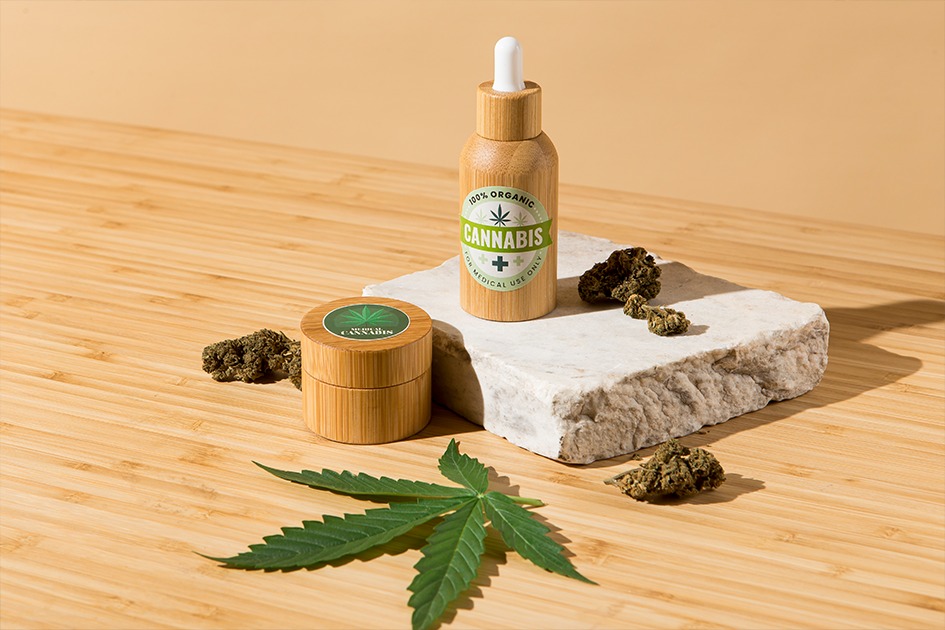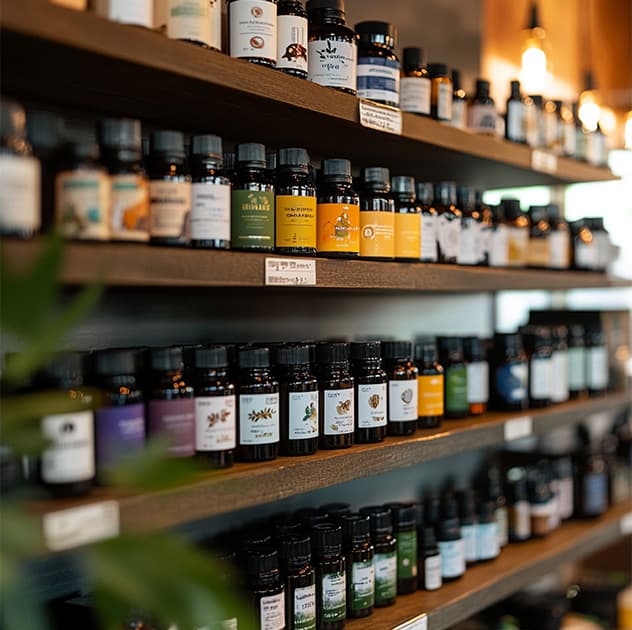
What Makes Good CBD Packaging Stand Out on Store Shelves.
Walk down any wellness aisle and the shelf tells the story before a single product description is read. With the U.S. CBD market valued at roughly $9.78 billion in 2026 (Fortune Business Insights) and new SKUs launching every week, the package is often the first and sometimes only thing that earns a shopper's attention. Good CBD packaging is no longer a finishing touch. It's the difference between a product that gets picked up and one that gets passed by.
So what actually separates CBD packaging that sells from packaging that simply contains? It comes down to a balance most brands underestimate: meeting strict compliance rules while still looking premium, trustworthy, and unmistakably yours. Below is a breakdown of the elements that consistently help CBD products win the shelf.
Table of Contents
Why cbd packaging is your silent salesperson
Compliance comes first: the non-negotiables
Design elements that win the shelf
Sustainable materials as a real differentiator
Smart features that build buyer trust
How smaller CBD brands can still compete
Bringing it all together
1. Why CBD packaging is your silent salesperson
In a crowded category, packaging does the selling when no sales rep is present. Retail stores still captured around 46% of CBD distribution revenue in 2025, while e-commerce is the fastest-growing channel at roughly a 21.86% CAGR through 2031 (industry research aggregated by multiple firms). That means your CBD packaging has to perform in two very different environments: holding its own under bright retail lighting next to a dozen competitors, and looking just as sharp in a thumbnail photo or an unboxing video.
The brands that stand out treat packaging as a marketing asset rather than a cost line. Strong CBD packaging communicates quality, signals safety, and tells a brand story in the three seconds it takes a shopper to scan a shelf.
2. Compliance comes first: the non-negotiables
Here's the reality every CBD brand has to accept: design choices that ignore compliance never make it to the shelf in the first place. Many CBD products especially ingestible like gummies, oils, and capsules must use child-resistant packaging under federal CPSC standards (16 CFR 1700.20, tied to the Poison Prevention Packaging Act). Certification matters; packaging should be tested and verified, not just labeled "child-resistant."
Requirements vary widely by state, and 2026 has seen a broad tightening of the rules. Stricter states such as California, Colorado, and New York layer on additional demands, which commonly include:
Child-resistant and tamper-evident construction that visibly shows if a seal has been broken
Opaque packaging so contents aren't visible from outside
Resealable closures for any multi-serving product
No imagery that could appeal to minors cartoons, toy-like graphics, or candy-mimicking designs are typically prohibited
Clear, legible labeling with potency, batch/lot numbers, and required warnings
The takeaway: bake compliance into the structural design from day one and verify the specific rules for every state you sell into before approving a production run. Good CBD packaging makes safety look effortless child-resistant doesn't have to mean clunky or generic.
3. Design elements that win the shelf
Once compliance is handled, design is where brands separate themselves. The dominant direction in 2026 CBD packaging design is clean and confident:
Minimalist, legible layouts. Clutter reads as cheap. Generous white space, a tight color palette, and clear typography signal a premium, trustworthy product exactly the cues a CBD shopper is looking for.
A strong brand anchor. A distinctive logo, a consistent color, or a recognizable pattern helps your product become a repeat purchase instead of a one-time experiment. Shelf recognition is brand equity.
Tactile, structural interest. Raw kraft textures, soft-touch finishes, and rigid boxes for premium lines all create a "pick me up" moment. A satisfying physical experience translates directly into perceived value.
Honest, benefit-led messaging. Skip vague medical claims and focus on clear, factual product details. Trust is a major purchase driver in CBD, and overpromising erodes it fast.
4. Sustainable materials as a real differentiator
Sustainability has moved from a nice-to-have to a genuine competitive edge in CBD packaging. Many U.S. consumers now factor environmental impact into purchasing decisions, and regulation is pushing the same direction states including California, New York, and Washington have enacted restrictions on certain PFAS uses, making compliant, responsible material sourcing a priority for ingestible products.
For CBD brands, eco-friendly packaging does double duty: it aligns with the wellness values your customers already hold, and it future-proofs you against tightening material rules. Choices that resonate include recyclable kraft cartons, FSC-certified paperboard, and minimized packaging that cuts waste without sacrificing protection. Done well, sustainable CBD packaging looks like its values earthy textures and clean design that quietly say "responsible brand."
5. Smart features that build buyer trust
In 2026, shoppers expect verification, not just claims. A growing number of states require a scannable QR code or barcode that links to a Certificate of Analysis (COA) Florida's hemp extract rules, for example, mandate exactly that. Even where it isn't required, a working QR code that leads to current lab results is a powerful trust signal on the shelf.
Smart, functional touches that elevate CBD packaging include:
QR codes linking to a live COA (always test that the link works a 404 undermines the whole effort)
Clear dosage and serving information that's easy to find, not buried in decorative type
Resealable, travel-friendly formats that improve the everyday user experience
These features cost little but signal a lot: that your brand is transparent, professional, and built to last.
6. How smaller CBD brands can still compete
You don't need an enterprise budget to produce CBD packaging that stands out. The biggest advantage smaller and newer brands have is agility the ability to test designs, pivot quickly, and order what they actually need.
That's where flexible production matters most. Working with a packaging partner that offers no minimum order quantity lets you launch a SKU, validate it on the shelf, and refine without sinking capital into thousands of units up front. Pair that with free design support and a fast turnaround, and a lean brand can ship compliant, premium-looking packaging that competes directly with established players. The goal isn't to outspend the big names — it's to out-think them on clarity, sustainability, and shelf appeal.
7. Bringing it all together
Good CBD packaging stands out because it does several jobs at once: it stays compliant, it looks premium, it earns trust, and it carries your brand story in a single glance. Compliance gets you on the shelf; design, sustainability, and smart features get you into the cart.
If you're building or refreshing a CBD line, start with the structure (child-resistant, tamper-evident, state-compliant), layer on clean and confident design, choose materials that reflect your values, and add the small trust signals that close the sale. That's the formula for CBD packaging that doesn't just sit on the shelf — it sells from it.
Brisk Packaging helps CBD and wellness brands create custom, eco-friendly, FSC-certified packaging with no minimum order quantity, free design support, and a fast turnaround. Get a free packaging consultation →