
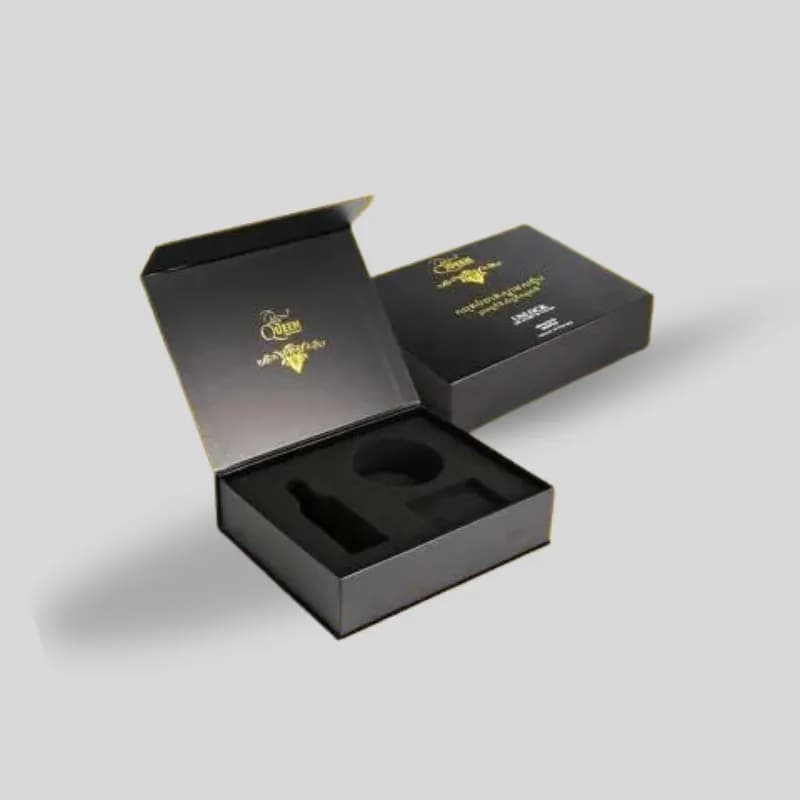
Custom foil boxes are best when the package needs a premium metallic effect, stronger shelf contrast, or a specialty barrier-style presentation that standard ink cannot create on its own. The right choice depends on the product, the amount of metallic coverage, the structure, the artwork, and whether you need decorative foil, functional foil material, or a foil bag. For most brands, the safest path is to request swatches, confirm the dieline, test the finish on the actual board, and compare a few structures before placing a production order.
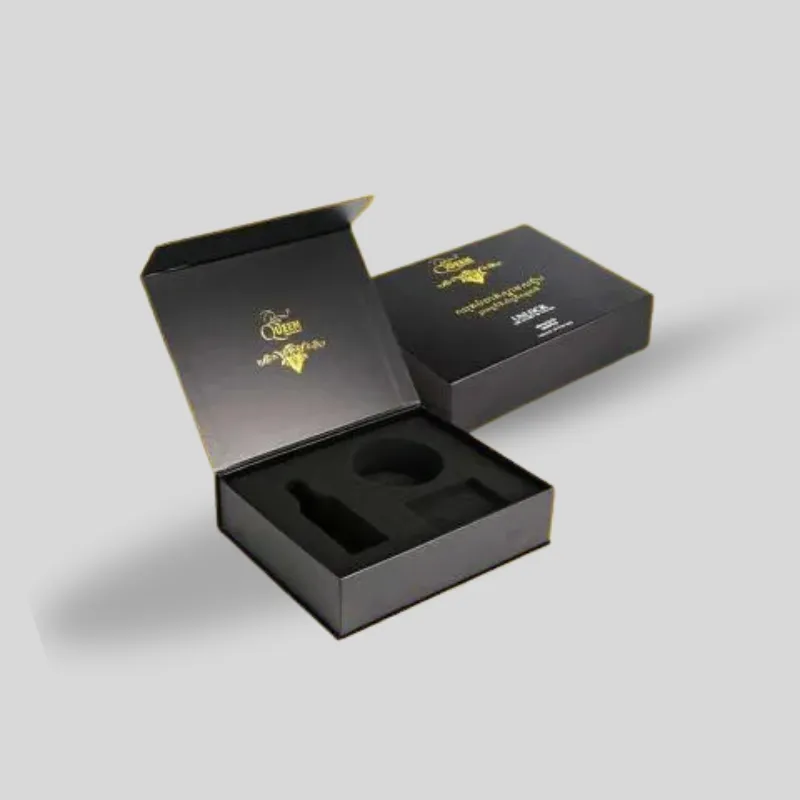
This guide explains how to choose custom foil boxes without guessing. It covers gold, silver, copper, holographic, aluminium, and foil bag packaging, plus structure choices, artwork setup, durability, cost factors, and the quote details Brisk Packaging needs to recommend the right option.
What are custom foil boxes?
Custom foil boxes are packaging boxes or flexible packages that use metallic foil, metallic film, or foil-facing materials to create shine, reflectivity, and a higher-end look. Some projects use foil as a small logo or accent. Others use a full metallic stock or holographic surface across the entire box. Barrier-focused projects may use aluminium foil packaging or foil bag packaging where product protection is part of the decision.
Foil packaging is common for cosmetics, fragrances, gift products, confectionery, CBD and vape retail packaging, boutique apparel accessories, promotional kits, and limited-edition launches. It works especially well when the product competes in a crowded retail environment and the packaging needs to signal premium value quickly.
The most important decision is not simply gold versus silver. It is whether the foil should be decorative, structural, protective, or all three. A perfume box may need small gold foil typography on coated paperboard. A luxury gift set may need a rigid drawer box with foil stamping. A snack, botanical, or supplement pouch may need foil bag packaging for barrier performance and print impact.
Main types of foil packaging
Gold foil boxes
Gold foil boxes create a warm, premium impression and are often used for fragrances, chocolate, candles, cosmetics, jewelry, gift packaging, and seasonal retail. Gold works well with black, navy, ivory, forest green, burgundy, and deep matte backgrounds. It is also effective for logos, borders, monograms, seals, and small typography.
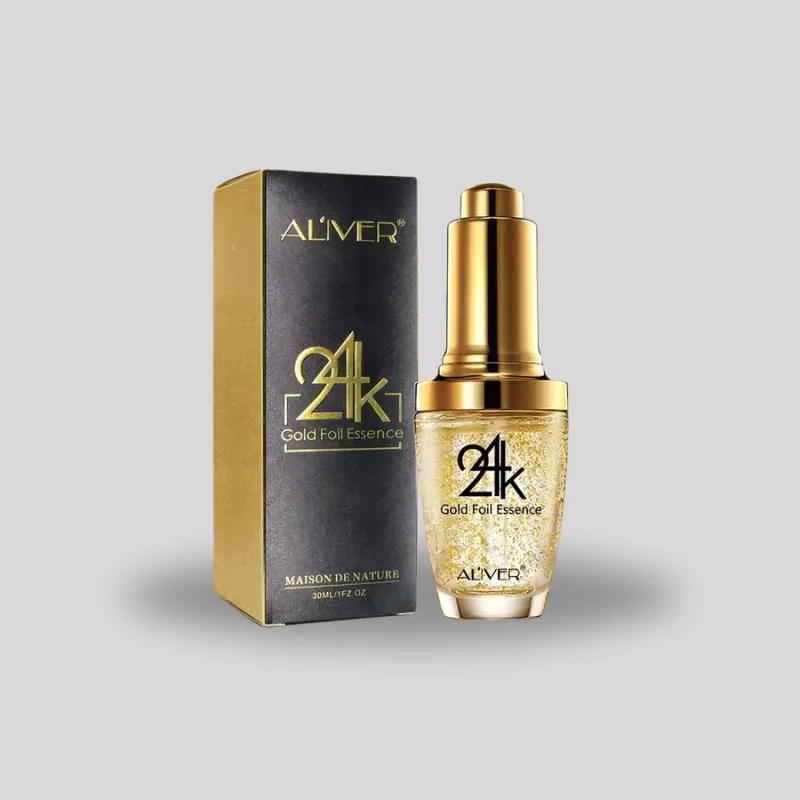
Gold foil can become too loud if it covers every visible panel without contrast. For most premium retail boxes, the best result comes from disciplined placement: brand mark on the front panel, a thin border, product name, and a restrained accent on the top or closure flap.
Silver foil boxes
Silver foil has a cooler and more modern look. It fits skincare, technology accessories, healthcare-adjacent products, premium stationery, fragrance, and minimalist luxury packaging. Silver also pairs well with white, charcoal, blue, black, and soft-touch matte finishes.
Use silver foil when the brand language is clean, technical, fresh, or understated. If the artwork includes fine lines, ask for a dieline and print review so the foil areas do not close up or lose detail during production.
Copper foil boxes
Copper foil sits between luxury and craft. It has warmth like gold but feels less traditional. Copper works for candles, grooming products, boutique foods, gift products, wellness packaging, and seasonal boxes where the brand wants a premium look without using the most common metallic choices.
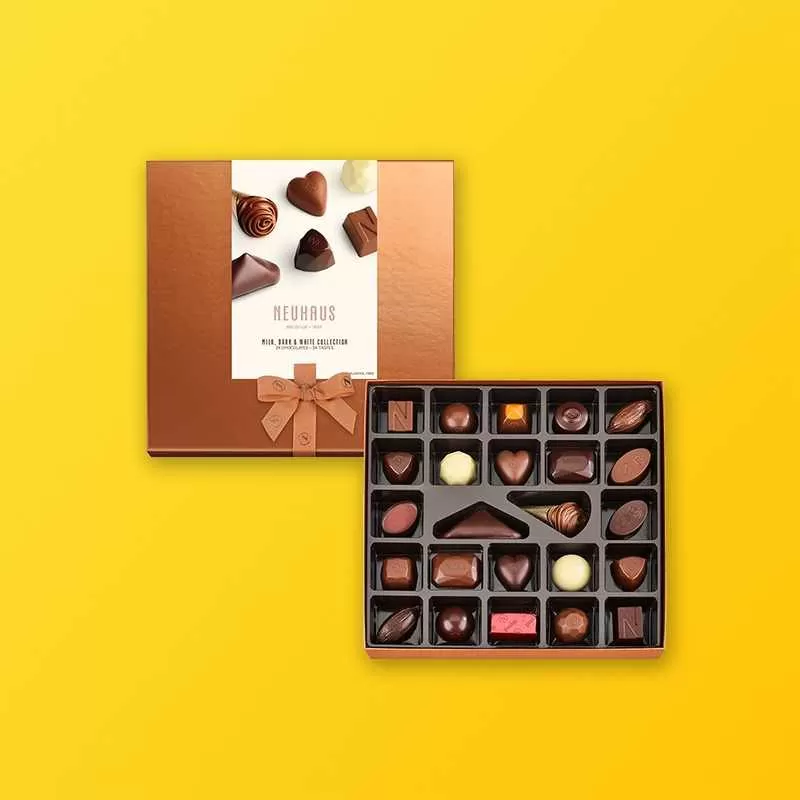
Copper is useful when the product has earth-tone branding, natural ingredients, artisan positioning, or a warm holiday palette. It should be tested against the final board color because copper can shift visually depending on the base stock and lamination.
Holographic foil packaging
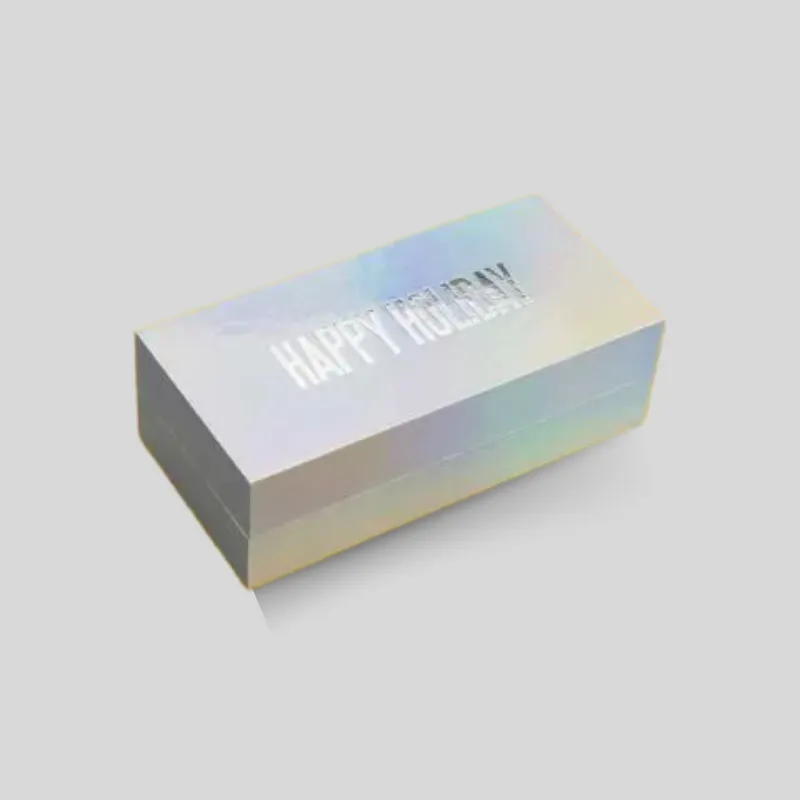
Holographic foil packaging creates a rainbow, iridescent effect. It is useful for limited editions, beauty launches, youth-focused products, promotional kits, collectible items, cannabis/CBD retail packaging where allowed, and specialty gift packaging.
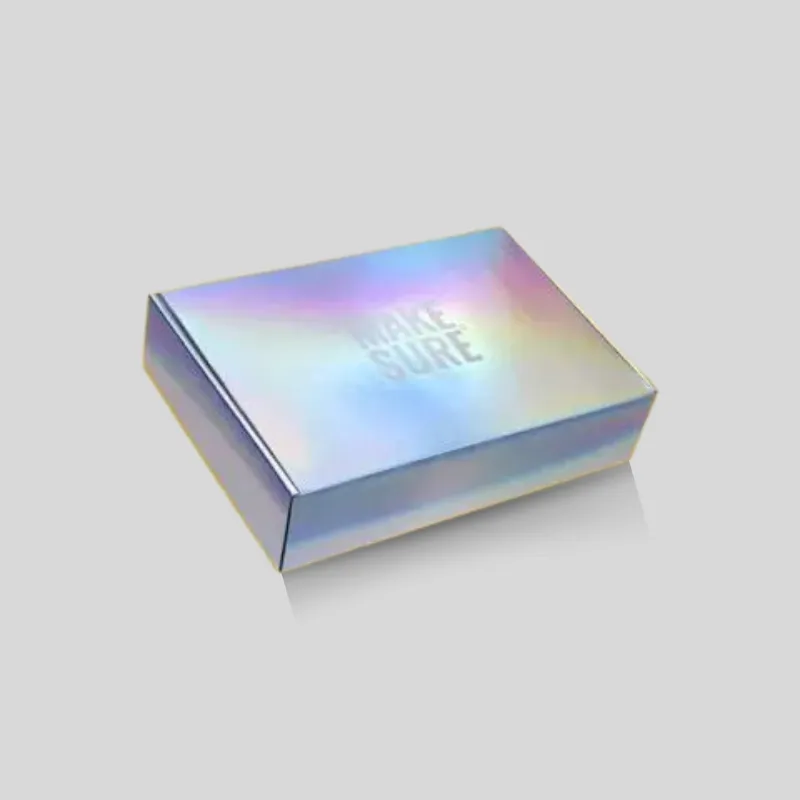
Holographic effects are high impact, but they can overwhelm small typography or complex artwork. Keep the hierarchy simple: bold product name, clean logo, readable claims, and strong contrast between foil and ink areas. If the package requires regulatory or ingredient panels, keep those panels readable and avoid placing critical information on busy holographic fields.
Aluminium foil packaging and foil bags
Aluminium foil packaging and foil bag packaging are often chosen for barrier-focused projects, not just decoration. Foil-facing films and laminated pouch materials can support moisture, light, aroma, and freshness goals depending on the full structure. Exact barrier performance depends on the film layers, thickness, seals, closures, and product requirements, so confirm specifications before production.
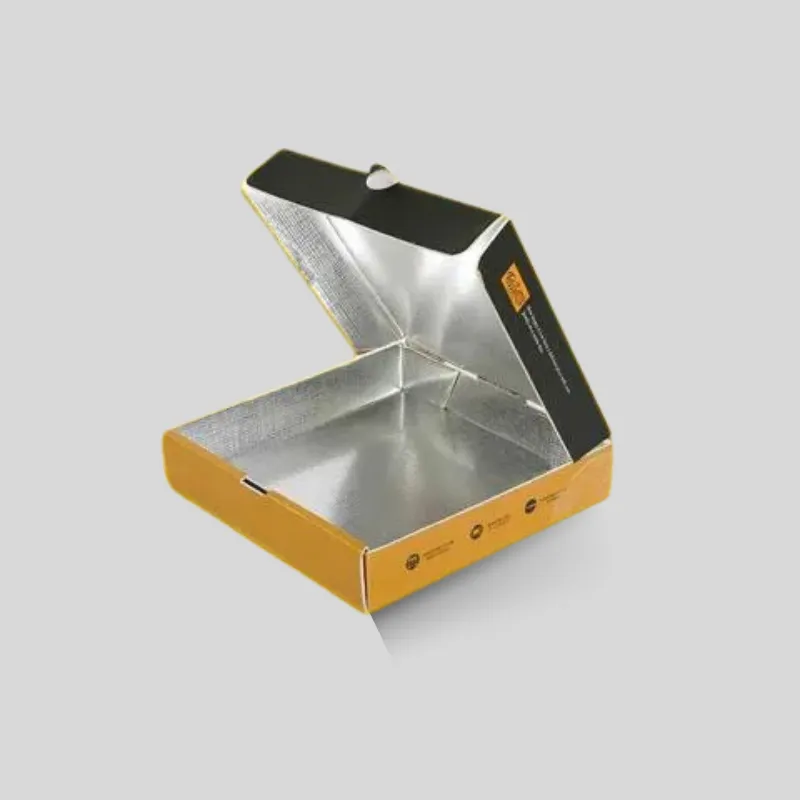
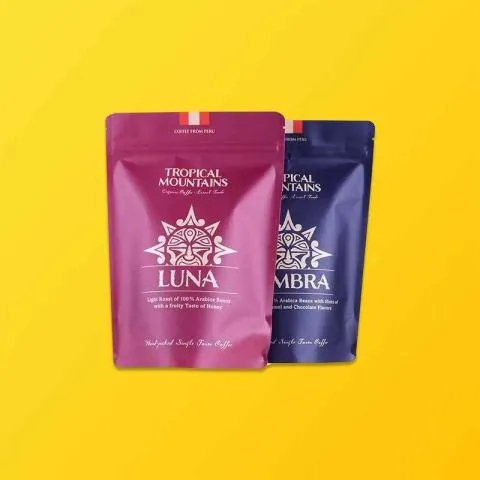
Choose foil bags when the product needs a pouch or packet format, such as snacks, powders, coffee, supplements, botanicals, samples, or refill packs. Choose folding cartons or rigid boxes when the product needs retail shelf presence, product protection, gift presentation, or a structured unboxing experience.
Full foil packaging vs foil stamping
A common mistake is treating all foil packaging as the same production method. Full foil packaging, metallic board, foil stamping, and foil bag laminates serve different purposes.
Foil stamping applies a metallic foil layer to selected areas of the printed sheet, often with heat and pressure. It is ideal for logos, seals, typography, borders, icons, and premium accents. It keeps the rest of the package printable and readable.
Full foil or metallic packaging uses a larger metallic surface as the visual base. This can create a strong luxury or futuristic look, but it requires careful artwork planning. Large reflective areas can show fingerprints, scuffs, and glare more easily than standard matte paperboard.
Foil bags and aluminium laminated packaging are different again. They are flexible packaging structures where the foil layer may contribute to barrier properties. If the package needs food-contact suitability, odor control, moisture resistance, or heat-seal performance, the project should be reviewed by material and compliance specialists before production.
If you are unsure, start by deciding the job of the foil:
- Is it a small luxury detail?
- Is it the main visual identity of the box?
- Is it part of a barrier pouch or packet?
- Is it needed for a seasonal or limited-edition line?
- Does the product need a rigid presentation structure?
That decision will narrow the correct structure faster than choosing a foil color first.
Best structures for custom foil boxes
Folding cartons
Folding cartons are practical for cosmetics, skincare, fragrance sleeves, CBD/vape boxes, supplements, small retail goods, and lightweight products. They can use foil accents on SBS, kraft, or coated paperboard, depending on the finish and print method.
Folding cartons are usually efficient for retail shelves because they ship flat before assembly and support clean dielines. They are a good choice when cost control, product volume, and shelf consistency matter.
Rigid boxes
Rigid boxes use thicker board and are suited for premium gifts, jewelry, fragrance sets, luxury cosmetics, accessories, corporate kits, and high-end product launches. Foil details feel more substantial on rigid setups because the structure already signals premium value.
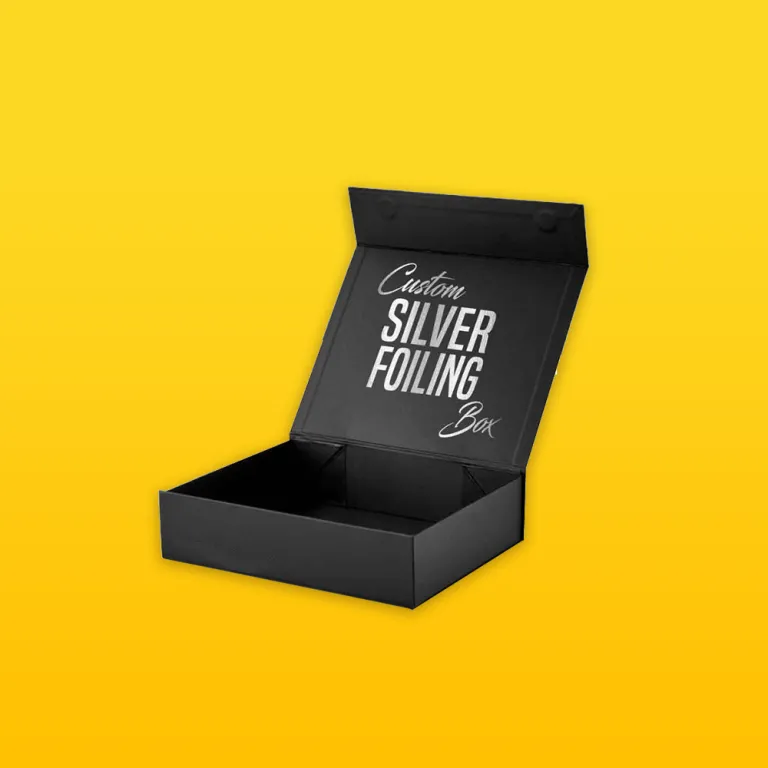
Use rigid foil boxes when the product must feel giftable or when the unboxing experience is part of the brand promise. Add inserts when the product needs to sit in a fixed position instead of moving inside the box.
Drawer and sleeve boxes
Drawer boxes create a reveal moment and work well with foil accents on the sleeve, pull tab, or inner tray. They are useful for cosmetics, jewelry, vape devices, fragrance samples, candles, and accessory kits.
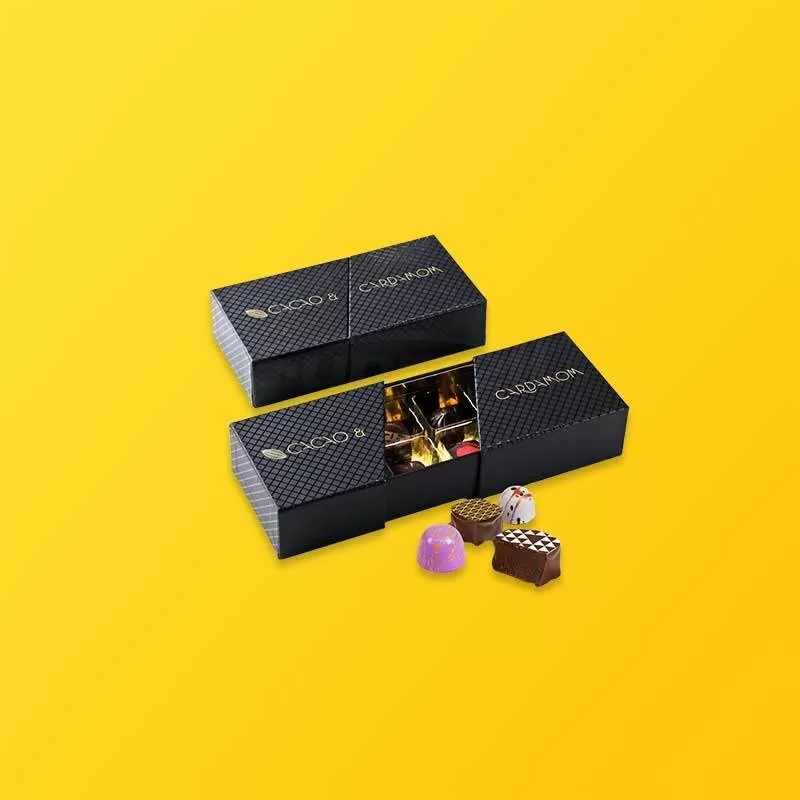
If the drawer must slide smoothly, the structure needs tolerance planning. Too much lamination, thick foil areas, or tight sleeve dimensions can create friction. Share product dimensions and expected insert material so the dieline can account for the full packed item.
Foil bags and pouches
Foil bags fit flexible packaging use cases. They may include zip closures, tear notches, hang holes, gussets, or heat-seal areas. The structure should be chosen around the product fill, weight, storage environment, and opening behavior.
For example, a light sample pouch has different needs than a stand-up pouch for powder or snack portions. Ask for material guidance and confirm whether the bag requires a clear window, matte finish, gloss finish, or metallic print surface.
Artwork setup for foil packaging
Foil is less forgiving than standard ink. Small design issues become visible in production, especially on reflective surfaces. Before requesting a quote, prepare artwork with these rules in mind.
Use vector artwork for foil areas. Logos, borders, icons, and typography should be clean vector shapes, not low-resolution raster images. If the foil shape is fuzzy in the artwork, it may reproduce poorly on the package.
Keep fine lines realistic. Very thin foil lines can break, fill in, or lose sharpness depending on substrate, foil type, and production method. Ask Brisk to review line weights and minimum text size before approving the dieline.
Plan contrast. Gold foil on cream board can look elegant, but it may not read from a distance. Silver foil on a pale grey background may disappear under some retail lighting. Holographic foil can reduce readability if placed behind small copy. Product names, flavor names, ingredient panels, barcodes, and compliance text should remain clear.
Separate foil layers in the artwork. Foil areas should be marked clearly, often as a separate spot color or production layer. This helps prepress understand exactly what receives foil and what remains ink.
Test lamination and coating. Soft-touch matte lamination with foil can look excellent, but the order of operations and compatibility must be confirmed. Gloss coatings, aqueous coatings, and matte films each change the final look of metallic detail.
Material, durability, and handling considerations
Foil packaging is visually strong, but it still has to survive packing, shipping, shelving, and handling. The structure and finish should match the real use case.
A gift box handled gently in a boutique has different needs from a folding carton moving through ecommerce fulfillment. A foil bag for powdered product has different needs from a foil-stamped rigid perfume box. Consider abrasion, fingerprints, humidity, seal strength, crushing, and edge wear before approving the final option.
For folding cartons, board thickness and coating influence how premium the foil feels. SBS can create a clean, bright print surface. Kraft creates a natural base but changes foil contrast. CCNB or other boards may fit cost and rigidity requirements depending on the product.
For rigid boxes, board wrap quality and corner finish matter. Metallic details should align with panels and not crack at fold or wrap points. For drawer boxes, sliding friction must be tested with the final finish.
For foil bags, ask about film structure, thickness, zipper options, heat-seal area, hang hole needs, pouch dimensions, and storage environment. Do not assume a foil-looking pouch automatically meets every barrier requirement. Confirm the material system for the product.
Cost and MOQ factors
Foil packaging cost depends on structure, board or film material, foil coverage, print method, finish complexity, order quantity, dieline complexity, inserts, and shipping destination. Large foil areas, multiple foil colors, embossing, debossing, spot UV combinations, custom inserts, and rigid structures can increase cost compared with a simple printed folding carton.
MOQ can also vary by structure and production method. A simple folding carton with one foil accent may be easier to produce than a rigid drawer box with foil, inserts, ribbon pull, and soft-touch lamination. A foil bag project may require different setup considerations than paperboard boxes.
The best way to control cost is not to remove every premium feature. It is to focus the premium feature where buyers notice it most. A logo, product name, border, and front-panel accent may communicate luxury better than metallic coverage on every panel. Keep back panels and technical information readable and efficient.
Common mistakes to avoid
Do not choose foil only because it looks premium. Choose it because it supports the product position, shelf environment, and customer expectation.
Do not place critical small text on reflective or holographic backgrounds. Barcodes, ingredients, warnings, and product details need contrast and scan/read reliability.
Do not skip swatches. Metallic colors shift under different lighting and against different boards. Gold can look yellow, champagne, or bronze depending on the foil and base stock. Silver can look bright chrome or soft grey.
Do not ignore scuffing and fingerprints. Glossy metallic surfaces can show handling marks. Matte lamination, selective foil placement, and protective coatings may help depending on the final structure.
Do not reuse a standard box dieline without checking foil placement. Foil near scores, folds, glue flaps, or tight corners may create production issues. Ask for dieline review before approving art.
Do not treat foil bags as only decoration. If the product needs protection from moisture, aroma loss, light, or oxygen exposure, discuss the complete material structure and seal requirements.
Quote checklist for custom foil boxes
Before requesting a custom foil packaging quote, prepare these details:
- Product type and packed product dimensions
- Desired structure: folding carton, rigid box, drawer box, sleeve, pouch, or bag
- Quantity range and expected reorder pattern
- Board or film preference, if known
- Foil type: gold, silver, copper, holographic, aluminium, or other metallic finish
- Foil coverage: logo only, front-panel accents, borders, full-panel coverage, or full metallic surface
- Print colors and brand color references
- Finish preferences: matte, gloss, soft-touch, embossing, debossing, spot UV, window, or inserts
- Product weight and protection needs
- Retail, ecommerce, gift, or wholesale use case
- Shipping destination and timeline
- Artwork files, brand guide, and dieline if available
Brisk Packaging can review these details, recommend a practical structure, prepare material/finish options, and help with dieline and sample planning.
When should you request samples?
Request samples whenever foil is central to the buying decision. A screen preview cannot show reflectivity, surface feel, scuff behavior, or color shift accurately. Samples are especially important for holographic foil, copper foil, full metallic surfaces, soft-touch plus foil combinations, and foil bag materials.
Samples also help internal teams align before production. Marketing can judge brand impact, operations can test packing, finance can compare cost levels, and leadership can approve the final look with less uncertainty.
FAQ
Are foil boxes the same as foil stamped boxes?
Not always. Foil stamped boxes usually have metallic foil applied to selected areas such as a logo or border. Foil boxes can also include full metallic stock, holographic film, aluminium foil packaging, or foil bag structures. The right term depends on the production method and material.
Which is better: gold foil or silver foil?
Gold foil is warmer and more traditional for luxury, gift, fragrance, chocolate, and boutique products. Silver foil feels cleaner, cooler, and more modern for skincare, technology, healthcare-adjacent products, and minimalist brands. The best choice depends on brand colors and shelf context.
Can foil packaging be used with matte lamination?
Yes, many premium packages combine matte or soft-touch finishes with foil accents. Compatibility depends on the substrate, foil method, and production sequence, so the artwork and finish should be reviewed before production.
Is holographic foil packaging readable?
It can be readable if the design is controlled. Keep critical copy away from busy holographic areas, use strong contrast, and avoid tiny typography over reflective backgrounds. Holographic effects work best as a visual feature, not as a background for every detail.
Can foil bags protect food or supplements?
Foil bag packaging can support barrier goals, but performance depends on the exact material layers, thickness, seals, closure, and product requirements. Ask for material specifications and confirm suitability for the product before ordering.
What files do I need for custom foil boxes?
Provide vector logo files, editable artwork, brand colors, product dimensions, quantity, structure preference, and any dieline you already have. Foil areas should be clearly marked as a separate production layer or spot color for review.
Build your custom foil packaging with Brisk
If you are comparing custom foil boxes, start with the product, not the shine. Decide how the package will be used, what the foil must communicate, how much protection the product needs, and what details must remain readable. Then compare gold, silver, copper, holographic, aluminium, and foil bag options against the real product and budget.
Brisk Packaging can help you choose the right custom foil box structure, review your artwork, prepare dielines, recommend finish combinations, and provide samples or swatches before production. Request a project-specific quote with your dimensions, quantity, finish goals, and artwork so the packaging specialist can recommend the safest path.