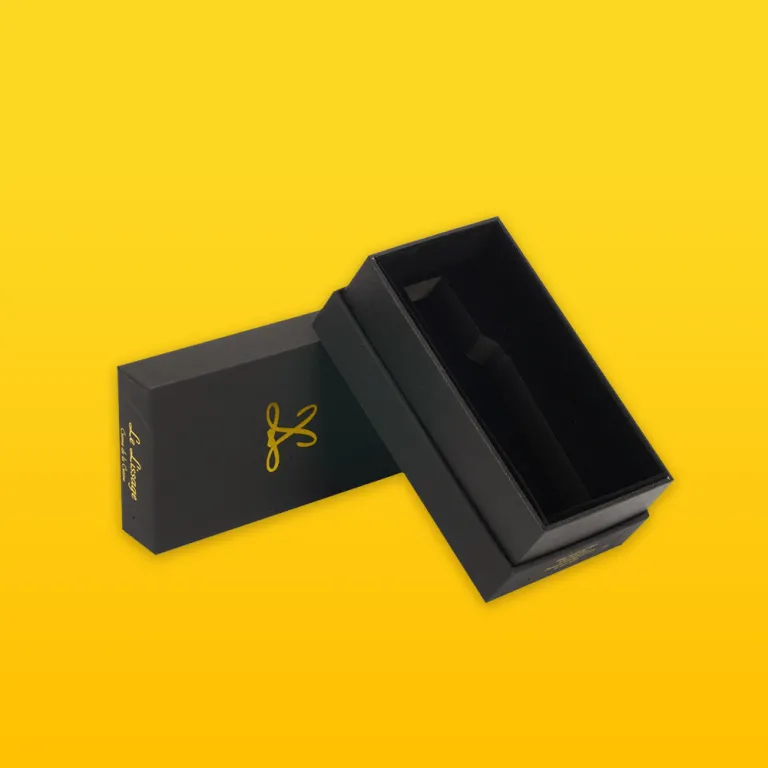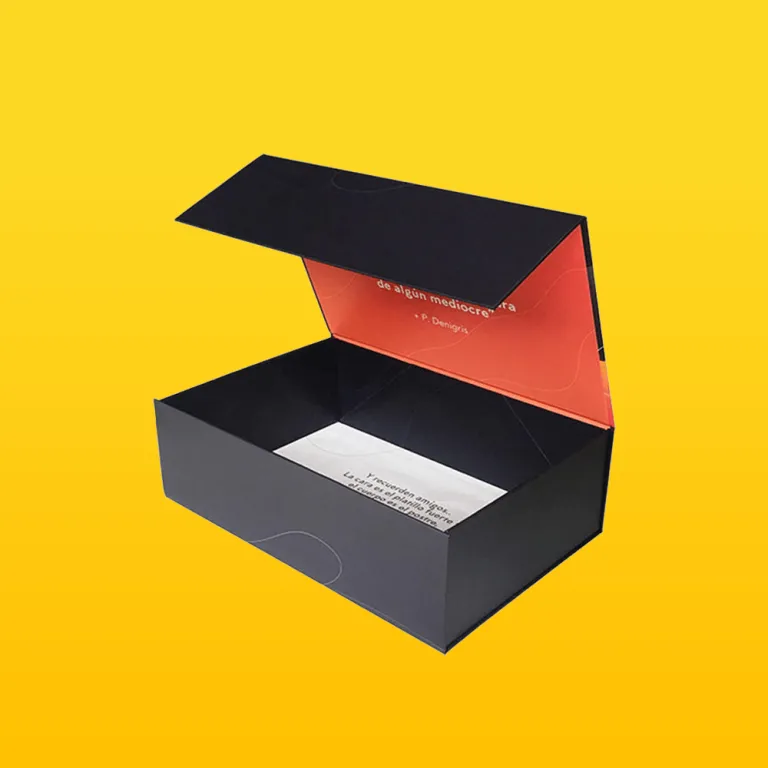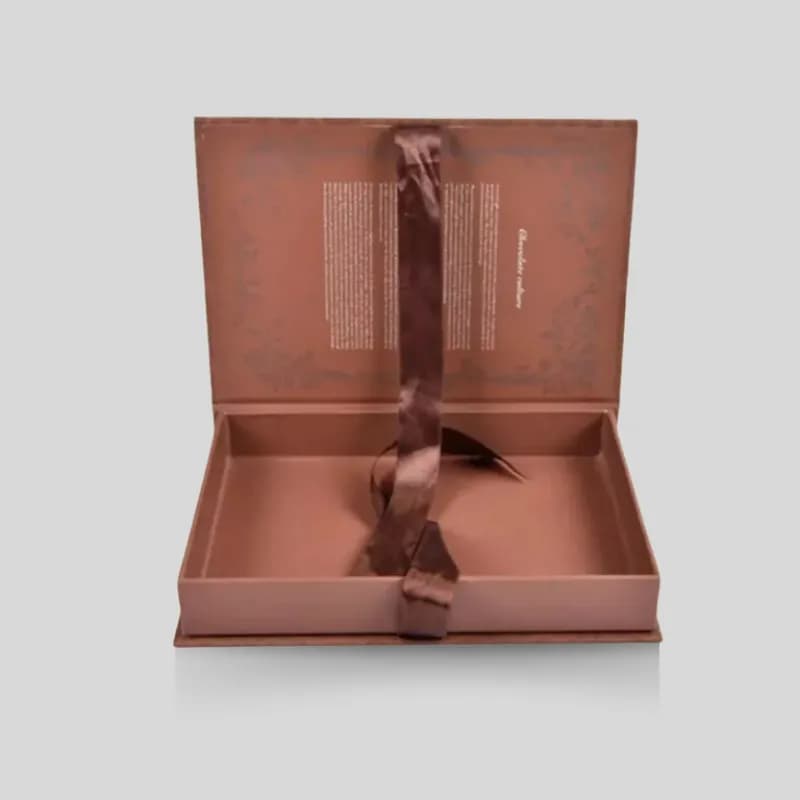
Custom book shaped rigid boxes are premium presentation enclosures engineered with a three-panel hardbound casing—comprising a front cover, structural spine, and back cover—permanently mounted to an interior rigid base tray. By mimicking the physical architecture, tactile weight, and hinged opening mechanics of a classic hardcover volume, book-style boxes transform high-value product unboxings into an engaging, multi-sensory storytelling experience.
Investing in bespoke custom book shaped rigid boxes allows luxury brands, cosmetic formulators, artisan distillers, and corporate marketing teams to command premium price points and build lasting customer loyalty. From VIP influencer launch packages and multi-step skincare routines to collector-edition spirits, fine jewelry, and commemorative media kits, book-shaped packaging communicates permanence, craftsmanship, and exclusivity. This comprehensive guide examines the structural engineering, board calipers, magnetic closure mechanics, custom foam inserts, luxury surface embellishments, and B2B procurement strategies necessary to produce flawless custom book boxes.
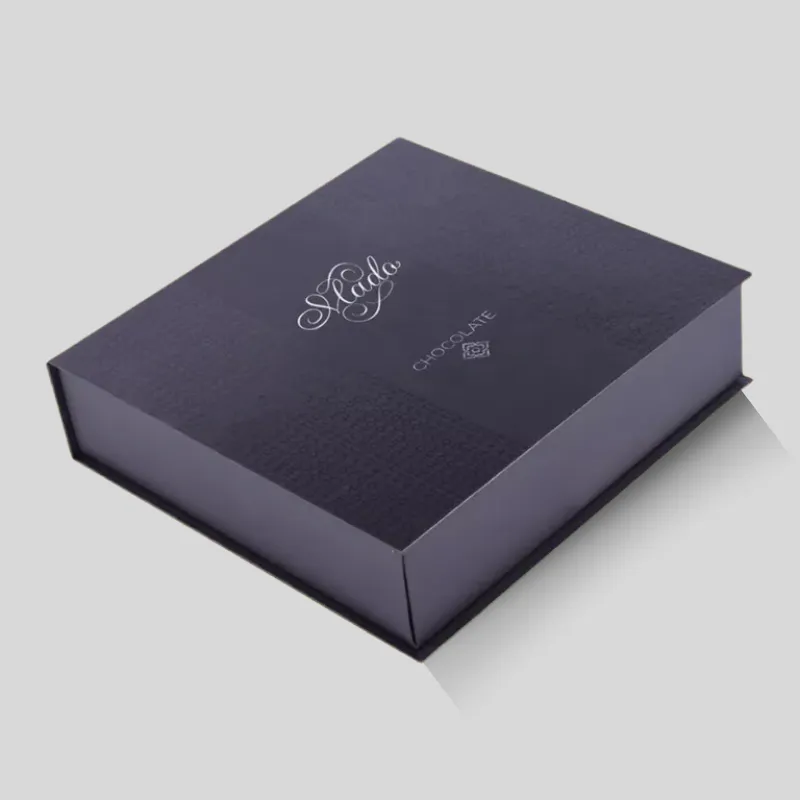
The Anatomy of a Custom Book Shaped Rigid Box
Unlike standard folding cartons or collapsible mailers, book-style rigid packaging relies on case-making techniques derived from traditional hardbound book manufacturing. Understanding its core components is essential for optimizing durability, visual alignment, and manufacturing efficiency:
1. The Three-Panel Case-Made Outer Shell
The exterior case consists of three distinct pieces of high-density chipboard (front cover, spine, and back cover) precisely positioned with controlled hinge gaps (typically 3mm to 6mm) and wrapped in a continuous exterior printed sheet.
- Turned-Edge Construction: The printed wrapping paper wraps cleanly over the outer board edges and turns in 15mm to 20mm onto the interior face, creating crisp, seamless perimeter edges that resist fraying or peeling.
- Hinge Flex Channels: The unglued channels between the spine and cover boards allow the front lid to swing open smoothly past 180 degrees without stressing the wrapped substrate.
2. The Inner Rigid Base Tray
The product-holding foundation is a four-sided rigid tray fabricated from scoring and tape-cornering dense greyboard.
- Base Mounting: The underside of the base tray is glued securely to the interior back panel of the case-made shell using high-tack EVA hot-melt or cold PVA adhesive.
- Lip Margin & Overhang: The front, top, and bottom edges of the outer hardbound case extend 3mm to 8mm beyond the walls of the inner tray, recreating the protective "squares" (board overhang) found on classic hardcover book covers.
3. Concealed Magnetic Latch & Closure Lip
To keep the front cover flush and securely closed during transit and handling, high-performance neodymium rare-earth magnets are embedded directly into the chipboard structure before the outer wrap and inner liner papers are applied.
- Embedded Disc Magnets: Paired N35 or N52 nickel-plated disc magnets (typically 10mm to 15mm in diameter and 1mm to 2mm thick) are routed into matching recesses in the front flap and tray wall.
- Resonant Haptic Snap: When closed, the magnetic polarity provides a clean, audible snap that reinforces the perceived value and engineering precision of the enclosure.
| Component | Function | Standard Material | Thickness / Caliper |
|---|---|---|---|
| Outer Front & Back Boards | Rigid protective covers | Solid Recycled Greyboard | 1.5mm–3.0mm (1000–2000 GSM) |
| Spine Board | Hinged backbone structure | High-Density Chipboard | 1.5mm–3.0mm (Matched to covers) |
| Exterior Wrap Sheet | Primary printed brand exterior | C2S Coated Art Paper / Linen / Kraft | 128 GSM–157 GSM |
| Inner Tray Walls & Base | Internal structural compartment | 4-Wall Setup Greyboard | 1.2mm–2.0mm (800–1400 GSM) |
| Interior Endpaper Liner | Internal face wrap & brand story | C1S Art Paper / Uncoated Woodfree | 120 GSM–140 GSM |
| Concealed Magnetic Latches | Secure lid retention | Neodymium N35/N52 Rare-Earth Discs | Ø10mm–15mm × 1.5mm |
Core Structural Variations of Book-Style Packaging
Depending on the number of products enclosed, retail merchandising environment, and unboxing flow, book-shaped packaging is produced in four primary structural configurations:
1. Classic Single-Tray Magnetic Book Box
The most versatile format features a single deep base tray attached to the back cover, sealed with an overlapping front cover magnetic flap.
- User Experience: Opens like a standard novel from right to left, instantly displaying the hero product resting in a custom insert.
- Best Suited For: Luxury skincare sets, single-bottle spirits, bespoke perfume flacons, and executive corporate gifts.
2. Double-Tray Gatefold / Triptych Book Box
A dramatic dual-panel layout where both the left and right covers feature independent rigid trays that swing open from a central spine like a Renaissance triptych or double-door wardrobe.
- User Experience: Two front panels meet at the center with dual magnetic latches, revealing complementary product pairings (e.g., day cream on the left, night serum on the right; or a whisky bottle alongside crystal glassware).
- Best Suited For: High-end beauty pairing kits, dual-fragrance gift sets, commemorative tech launches, and VIP PR mailers.
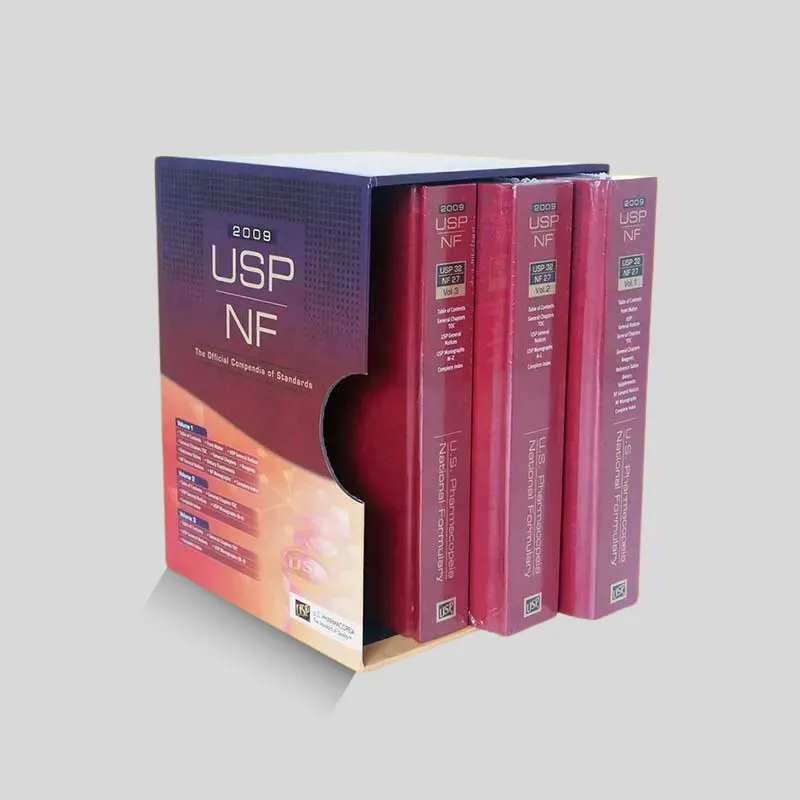
3. Hardbound Book Box with Matching Rigid Slipcase
A two-part luxury presentation system where the magnetic book box slides smoothly into a five-sided, heavy-duty rigid outer sleeve. Similar to the premium builds featured on our custom book slipcase product page, this structure provides double-wall impact defense and exceptional retail shelf presence.
- User Experience: The recipient pulls the book box from the slipcase using an integrated satin pull-ribbon or thumb-cut notch before lifting the magnetic front cover.
- Best Suited For: Limited-edition book releases, archival art prints, ultra-premium wine/cognac bottles, and high-ticket luxury collectibles.
4. Tiered Multi-Level Book Box with Ribbon Pulls
For extensive product lines or complex PR kits, the interior of the book box is engineered with multiple stacked trays or pull-out drawers.
- User Experience: Lifting the top magnetic cover reveals the primary hero product; pulling a grosgrain ribbon tab raises a secondary sub-tray housing accessories, sample vials, or instructional documentation.
- Best Suited For: Comprehensive beauty masterclasses, influencer product unboxings, and multi-component electronics.
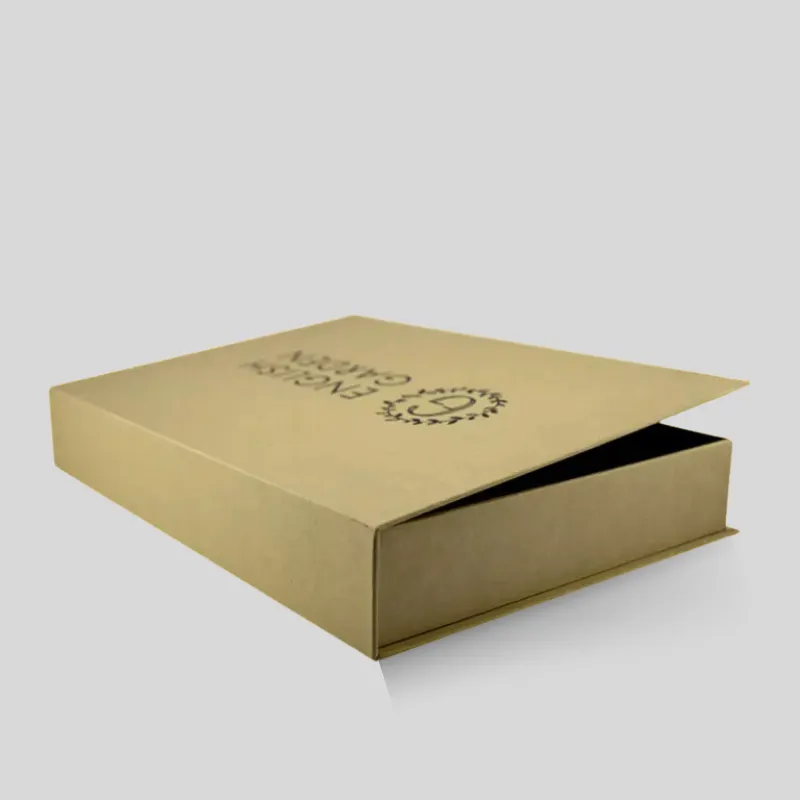
Material Selection & Board Caliper Matrix
The tactile heft and rigidity of a book box immediately signal its quality before the customer even reads the brand name. Selecting the appropriate board grade and wrapping substrate is critical:
1. High-Density Greyboard & Chipboard Cores
The internal skeleton of all custom rigid boxes is rigid chipboard made from recycled cellulose fibers.
- 1.5mm (1000 GSM): Ideal for smaller book boxes (under 6" × 8"), cosmetics, and lightweight gift items where trim elegance is preferred.
- 2.0mm (1400 GSM): The industry standard for retail book packaging; provides unyielding rigidity, crisp 90-degree tray corners, and substantial in-hand weight.
- 2.5mm–3.0mm (1800–2000 GSM): Heavy-duty board engineered for oversized PR presentation kits, heavy glass beverage bottles, and collector slipcase sets requiring maximum crush resistance.
2. Outer Wrapping Substrates
The outer wrap sheet is laminated directly over the rigid greyboard panels:
- 157 GSM C2S Coated Art Paper: The premier substrate for full-color offset CMYK and Pantone printing, allowing high-resolution photography, seamless gradients, and registered foil stamping.
- Natural Unbleached Kraft Paper: Delivers an authentic, eco-friendly tactile texture popular with organic skincare, sustainable apparel, and artisanal wellness brands.
- Linen & Book Cloth Fabric: Woven textile wraps that simulate authentic vintage library bindings, offering unparalleled tactile sophistication for heritage brands.
- Leatherette & Soft-Touch PU: Synthetic leather papers that provide a supple, water-resistant luxury finish ideal for fine jewelry and luxury watches.
3. Interior Endpapers & Brand Story Liners
Just as a classic hardcover book features decorative endpapers pasted inside the front and back boards, a custom book box uses its interior lid space (the inside front cover) as prime storytelling real estate.
- 120–140 GSM Uncoated Woodfree Paper: Provides a smooth, glare-free reading surface for printed founder letters, product application rituals, or illustrated ingredient origins.
| Substrate Type | Basis Weight / Caliper | Surface Texture | Print Compatibility | Best Application |
|---|---|---|---|---|
| C2S Art Paper + Soft-Touch | 157 GSM / 0.18mm | Velvety matte, ultra-smooth | CMYK, PMS, Foil, Spot UV | Prestige cosmetics, PR kits, luxury retail |
| Natural Kraft Paper | 120–150 GSM / 0.20mm | Fibrous, organic, earthy | 1–2 Color PMS, Dark Foils | Organic wellness, sustainable goods, apothecary |
| Linen Book Cloth | 200–240 GSM / 0.35mm | Woven fabric, tactile grain | Blind Deboss, Hot Foil Stamping | Heritage brands, limited editions, art books |
| Metallic Mirrikote Paper | 150 GSM / 0.16mm | Mirror gloss / brushed metal | UV Screen, Opaque White Ink | High-tech devices, nightlife spirits, modern luxury |
| Uncoated Endpaper Liner | 140 GSM / 0.19mm | Crisp, matte, non-reflective | High-density text, line art | Interior cover storytelling & user guides |
Interior Product Protection & Custom Insert Engineering
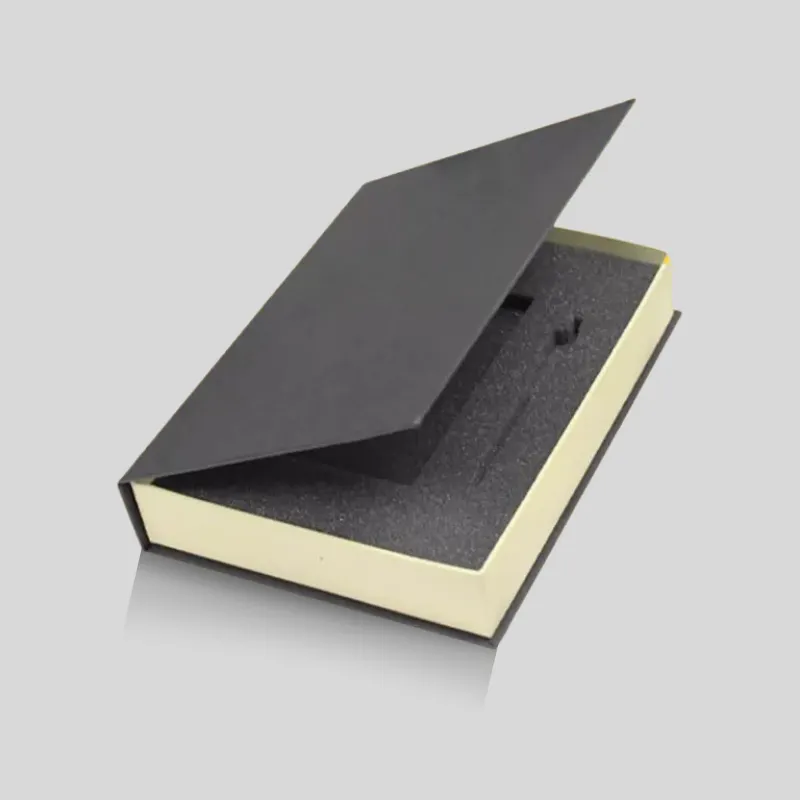
A luxury exterior case requires an equally refined interior cavity to hold the product securely in place during shipping while presenting it at an optimal viewing angle when opened. As detailed in our comprehensive packaging inserts guide, insert design balances physical protection with aesthetic elegance:
1. High-Density Custom-Molded EVA Foam
Ethylene-vinyl acetate (EVA) is the benchmark insert material for luxury presentation boxes.
- Laser-Cut Precision: EVA foam is water-jet or CNC router-cut to match the exact CAD contours of your bottles, jars, or components with 0.5mm tolerances.
- Density & Finish: Ranging from 35kg/m³ to 45kg/m³, EVA foam does not crumb, crack, or shed dust onto glossy product surfaces.
- Velvet Flocking: Top surfaces can be electrostatically flocked with rich velvet in black, cream, burgundy, or custom dyed brand colors for an opulent hand-feel.
2. Multi-Layer Die-Cut Paperboard & Cardstock Cavities
An all-paper, 100% recyclable insert option engineered from folded 18pt–24pt SBS paperboard or rigid E-flute corrugated cardboard.
- Eco-Friendly Presentation: Molded paperboard bridges and custom die-cut collars hold items firmly without using synthetic foams, satisfying stringent corporate sustainability guidelines.
- Custom Surface Printing: Paperboard inserts can be fully printed with interior patterns, ingredient callouts, or contrasting metallic inks.
3. Integrated Accessories & Unboxing Details
- Satin Ribbon Pull-Tabs: 10mm to 15mm grosgrain or double-face satin ribbons placed beneath snug product cavities allow recipients to lift heavy glass bottles smoothly without prying fingernails into the foam.
- Elastic Retention Straps: Sewn or eyelet-anchored elastic bands mounted on the inside front cover to secure instruction booklets, Certificates of Authenticity, or applicator brushes.
- Die-Cut Thumb Notches: Semi-circular relief cuts along tray edges that facilitate effortless removal of cards and components.
Industry Applications & Case-Study Blueprints
Custom book shaped rigid packaging excels across commercial verticals where product differentiation and emotional engagement dictate purchasing decisions:
1. VIP Influencer & PR Launch Mailers
Marketing agencies and DTC lifestyle brands leverage oversized book boxes as hero PR mailers.
- The Strategy: The exterior front cover functions as a campaign teaser; opening the book reveals a personalized welcome note on the inside front cover, while the primary tray showcases full-size products nestled in branded velvet foam.
- Social Media ROI: The structured "page-turning" motion creates organic, highly shareable unboxing videos on Instagram Reels and TikTok, driving viral reach and brand authority.
2. Prestige Skincare & Cosmetic Regimen Kits
Cosmetic houses use book-style packaging to organize multi-step skincare rituals (cleanser, toner, serum, moisturizer).
- The Strategy: Step numbers (1, 2, 3, 4) are printed sequentially across the insert platform, guiding the consumer through the application sequence while elevating the perceived value of bundled products.
- Cross-Selling Support: Pairs naturally with our dedicated custom cosmetics rigid boxes product line.
3. Limited-Edition Spirits, Wine, & Champagne
Artisan distilleries and boutique wineries utilize heavy-gauge book boxes and slipcases for single-barrel releases and collector vintages.
- The Strategy: 3.0mm dense greyboard shields 750ml glass bottles from transit shock, while the book spine creates a commanding display presence when stored vertically in home bar cabinets or wine cellars.
- Complementary Solutions: Explored further in our custom champagne rigid boxes with inserts range.
4. Fine Jewelry, Luxury Watches, & Medals
High-jewelry ateliers and horology manufacturers require heirloom-quality packaging that customers retain for years.
- The Strategy: Plush velvet or microfiber interior linings paired with deep foil-debossed exterior linen cloth transform the box into a permanent keepsake jewelry casket on the customer's dressing table.
Luxury Surface Embellishments & Spine Graphics
Because book-shaped boxes have a defined spine, they offer unique graphic design opportunities that conventional boxes lack:
1. Spine Titling & Library Aesthetic
When stored on a bookshelf or retail display credenza, the spine of the box is often the only visible surface.
- Gilded Spine Foil: Stamping the brand name, volume number, or edition year in metallic gold or silver foil down the center of the spine creates an authentic library book aesthetic.
- Blind Debossed Spine Ribs: Stamping horizontal faux binding ridges (raised bands) across the spine mimics the hand-stitched leather bindings of antiquity.
2. Contrasting Foil Stamping & Tactile Spot UV
Combining reflective metallics with matte textures creates striking contrast on the front cover. As explored in our guide on foil stamping vs spot UV packaging, applying registered raised Spot UV gloss over an anti-scratch matte lamination yields a 3D tactile relief that invites fingertips to trace typography and illustrative line art.
3. Edge Gilding & Specialty Edge Painting
For the ultimate in luxury craftsmanship, the exposed exterior paperboard edges of the inner tray can be gilded with metallic gold or silver foil, mimicking the gilded page edges of rare antiquarian books.
| Finishing Technique | Visual Effect | Tactile Sensation | Durability Rating | Cost Factor |
|---|---|---|---|---|
| Soft-Touch Matte Lamination | Glare-free, deep color depth | Velvety, suede-like softness | High (Anti-scratch) | Moderate |
| Hot Foil Stamping (Gold/Silver/Copper) | High-shine reflective metallic | Flat or slightly sunken relief | High (Permanent bond) | Moderate |
| Registered Raised Spot UV (3D) | High-gloss localized shine | Raised tactile ridge (50–70µ) | High (Abrasion resistant) | Moderate |
| Deep Blind Debossing | Recessed sculptural impression | Crisp indented depth | Exceptional | Low (Tooling only) |
| Gilded Tray Edges (Foil Page Rim) | Shimmering book-page edge look | Smooth metallic rim | High | Premium |
Precision Dieline Design & Prepress Engineering
Engineering a custom book shaped box requires meticulous attention to board thickness accumulation and mechanical clearance:
1. Calculating Exact Spine Width
The width of the spine board must account for the inner tray depth, the thickness of both cover boards, and the clearance required for the magnetic flap to close squarely without binding:
$$\text{Spine Width} = \text{Outer Tray Depth} + (2 \times \text{Cover Board Thickness}) + \text{Hinge Gap Allowance (1.5mm)}$$
For example, if your inner tray depth is 50mm and you are utilizing 2.0mm greyboard for the covers: $$\text{Spine Width} = 50\text{mm} + (2 \times 2.0\text{mm}) + 1.5\text{mm} = 55.5\text{mm}$$ Underestimating this dimension will cause the front cover to flare upward at an angle, preventing the embedded magnets from making full contact.
2. Hinge Creep & Scoring Clearance
During automated case-making, the outer wrap paper must span the 4mm to 6mm gap between the spine chipboard and the cover chipboards.
- Ensure that heavy vector graphics, fold lines, and critical typography are kept at least 3mm away from these flexible hinge channels to prevent ink cracking along flex points.
- Always specify film lamination on coated paper wraps to enhance the tensile flex strength of the paper hinge.
3. Wrap Bleed & Turn-In Margins
Because the printed sheet wraps completely around the edges of the greyboard, standard dieline templates require a minimum 15mm to 20mm turn-in margin (wrap bleed) on all outer perimeters. All background colors and panoramic imagery must extend fully across these wrap borders.
       Three-Panel Case-Making Dieline Layout
 ┌────────────────────────────────────────────────────────┐
 │           15mm–20mm Outer Wrap Turn-In Bleed           │
 │ ┌───────────────┐ ┌────────┐ ┌───────────────┐ ┌──────┐ │
 │ │               │ │        │ │               │ │      │ │
 │ │  Front Cover  │ │ Spine  │ │  Back Cover   │ │ Flap │ │
 │ │   Greyboard   │ │ Board  │ │   Greyboard   │ │ Board│ │
 │ │               │ │        │ │ (Base Glued)  │ │      │ │
 │ └───────────────┘ └────────┘ └───────────────┘ └──────┘ │
 │      4mm Hinge        4mm Hinge       4mm Hinge        │
 └────────────────────────────────────────────────────────┘
Manufacturing Economics & Volume Scaling
Rigid box case-making combines automated machinery for high-speed wrapper gluing with skilled artisan hand-assembly for intricate insert placement and magnetic calibration:
1. Tooling Costs vs Unit Economics
Custom rigid book boxes require two primary tooling sets:
- Steel-Rule Case & Tray Cutting Dies: Custom dies to stamp greyboard panels and paperboard trays with exact precision ($150 to $350 one-time fee, waived on repeat orders).
- CNC Magnet Recessing & Router Plates: Specialized router bits to mill flush recesses for neodymium discs.
2. Volume Tier Analysis
- Short-Run Boutique (100–300 units): Produced using semi-automated case-makers. Unit costs reflect setup calibration, making this tier ideal for VIP influencer campaigns, limited product launches, and investor gifting.
- Commercial Scale (500–2,000 units): The sweet spot for growing brands. Setup expenses are amortized across production volume, driving unit costs down by 35% to 50%.
- Enterprise High-Volume (5,000+ units): Fully automated inline rigid box forming lines produce finished book boxes with rapid cycle times, maximizing profit margins for global retail distribution.
| Production Tier | Recommended MOQ | Manufacturing Method | Typical Turnaround | Primary Advantage |
|---|---|---|---|---|
| Prototype / Sample | 1 Unit | Digital Plotter + Artisan Assembly | 24–48 Hours (Digital 3D) / 5–7 Days (Physical) | Verify dieline geometry & product fit |
| Short-Run Launch | 100–300 Units | Semi-Automated Case-Making | 10–12 Business Days | Low initial capital commitment for PR kits |
| Commercial Retail | 500–2,500 Units | Automated Forming + Hand Finishing | 12–15 Business Days | Optimized unit economics & luxury finishing |
| Enterprise Scale | 5,000+ Units | High-Speed Fully Automated Lines | 15–20 Business Days | Lowest cost-per-unit for national distribution |
Critical Mistakes to Avoid in Book Box Engineering
Avoid these common technical pitfalls when designing and ordering custom book-style rigid packaging:
- Ignoring Hinge Gap Flexibility: Placing brittle, unlaminated heavy cardstock over the hinge channels causes the paper to fracture along the spine after repeated openings. Always use 128–157 GSM paper with durable matte or gloss film lamination.
- Reversed Magnetic Polarity: Failing to verify magnet polarity orientation before gluing into board recesses results in closure flaps that repel each other rather than snapping shut. Quality manufacturers use polarity-keyed assembly fixtures to ensure consistent structural alignment.
- Spine Sizing Without Product Clearance: Sizing the spine strictly to the height of the inner tray without adding clearance for thick velvet inserts or product lids causes the cover to bulge outward.
- Neglecting Shipping Carton Dimensions: Rigid book boxes ship fully assembled, occupying more volume than flat-packed folding cartons. Work with your packaging specialist to optimize box dimensions for master shipping carton density and pallet footprint.
Step-by-Step B2B Custom Book Box Procurement Checklist
To ensure a seamless transition from initial CAD concept to mass production, follow this standardized engineering checklist:
- [ ] 1. Product Dimensions & Weight Audit: Measure exact bottle/product height, diameter, width, and gross weight.
- [ ] 2. Select Structural Format: Choose between Classic Single-Tray, Double Gatefold, Slipcase Pair, or Multi-Tier Drawer styles.
- [ ] 3. Specify Greyboard Caliper: Select 1.5mm (lightweight), 2.0mm (standard luxury), or 2.5mm–3.0mm (heavyweight/large format).
- [ ] 4. Choose Wrapping & Endpaper Papers: Pick 157 GSM C2S Art Paper, Natural Kraft, Linen Cloth, or Leatherette with desired lamination.
- [ ] 5. Design Custom Insert CAD: Choose high-density EVA foam, velvet flocking, or recyclable die-cut SBS paperboard cavities with ribbon pull-tabs.
- [ ] 6. Define Luxury Embellishments: Specify hot foil stamping foils (Pantone or metallic code), registered Spot UV, and spine debossing.
- [ ] 7. Request Free 3D Digital Box Design: Submit dimensions to Brisk Packaging to receive a photorealistic 3D rendering and precision vector dielines within 24–48 hours.
- [ ] 8. Pre-Production Physical Sample Proof: Approve a fully functional pre-production proof on chosen board and paper stock before authorizing mass production.
Ready to create unforgettable book-style packaging for your brand? Request a custom packaging quote today or speak directly with a Brisk Packaging structural specialist. Explore our free digital prototyping services at Brisk Free Design & Dieline Support to receive high-precision 3D vector dielines tailored specifically to your product line.
FAQ: Frequently Asked Questions
What is a custom book shaped rigid box?
A custom book shaped rigid box is a luxury packaging format featuring a three-panel case-made hardbound cover (front cover, spine, and back cover) mounted to an interior rigid base tray. It opens laterally with a hinged motion like a hardcover book and is typically secured with concealed magnetic closures.
Can custom book boxes have magnetic closures?
Yes. High-performance neodymium rare-earth disc magnets (N35 to N52 grade) are embedded directly into the chipboard structure beneath the printed wrap paper on the front flap and tray sidewall, delivering a crisp, audible snap upon closing.
How do I calculate the spine width for a book-style box?
The spine width is calculated by adding the outer height of the interior base tray to twice the cover board thickness, plus an additional 1.5mm to 3.0mm allowance for hinge channel flexing. Brisk Packaging provides free precision vector dielines tailored to your exact product dimensions.
What materials are used to manufacture book-style rigid boxes?
The structural core is fabricated from 1.5mm to 3.0mm (1000 to 2000 GSM) high-density recycled greyboard chipboard. The exterior and interior are wrapped with 157 GSM coated art paper, soft-touch matte laminated paper, natural unbleached kraft paper, specialty linen book cloth, or faux leatherette.
Do you offer custom protective inserts for book boxes?
Yes. We engineer precision custom inserts including high-density laser-cut EVA foam, velvet-flocked platforms, molded thermoformed plastic trays, and 100% recyclable die-cut paperboard bridges equipped with satin ribbon pull-tabs for easy product removal.
Can custom book shaped boxes be paired with an outer slipcase?
Yes. We manufacture matching 5-sided rigid book slipcases that allow your magnetic book box to slide smoothly into a protective outer case, creating an ultra-premium multi-stage unboxing presentation for collector editions and luxury spirits.
What is the minimum order quantity (MOQ) for custom book rigid boxes?
Our standard minimum order quantity starts at 100 units for custom book shaped rigid boxes, with volume pricing discounts available at 500, 1,000, 2,500, and 5,000+ units.
How quickly can I get a 3D digital design and dieline for my project?
Brisk Packaging delivers photorealistic 3D digital mockups and custom vector dielines within 24 to 48 hours for free. Physical pre-production sample proofs on specified board and paper stock are produced upon order approval before full mass production begins.