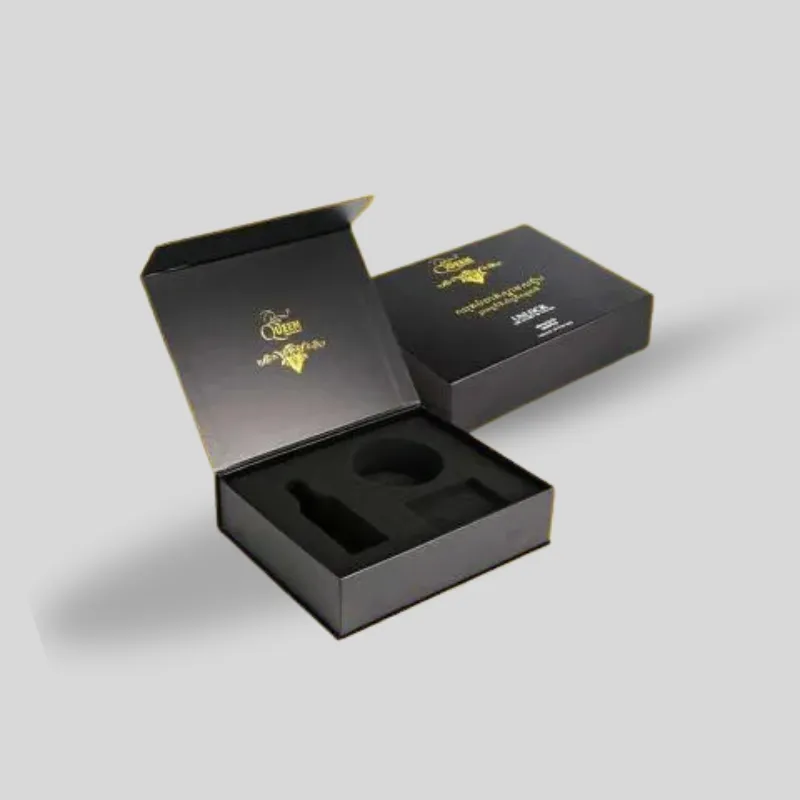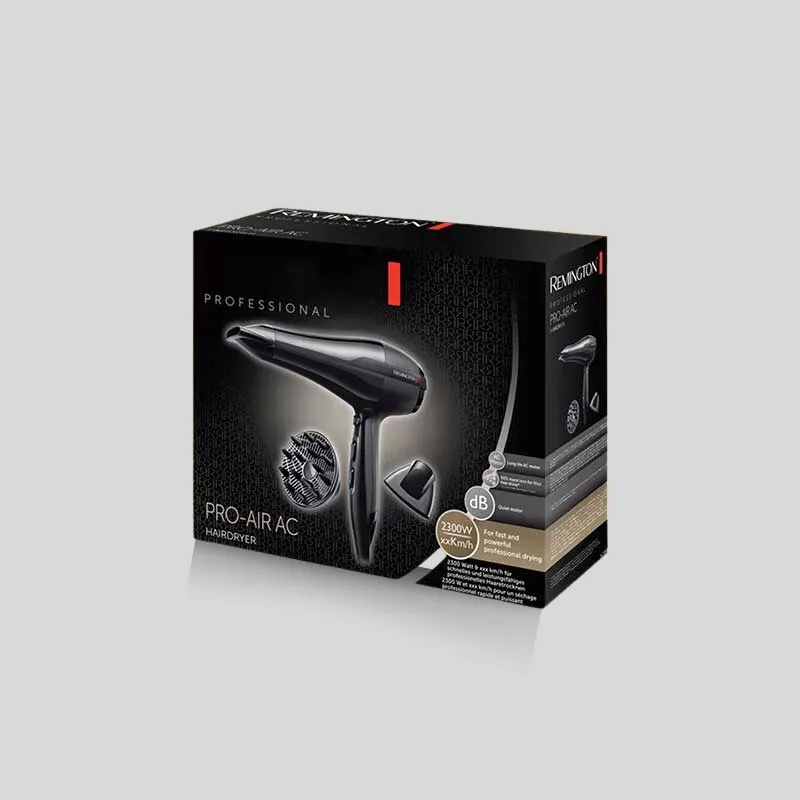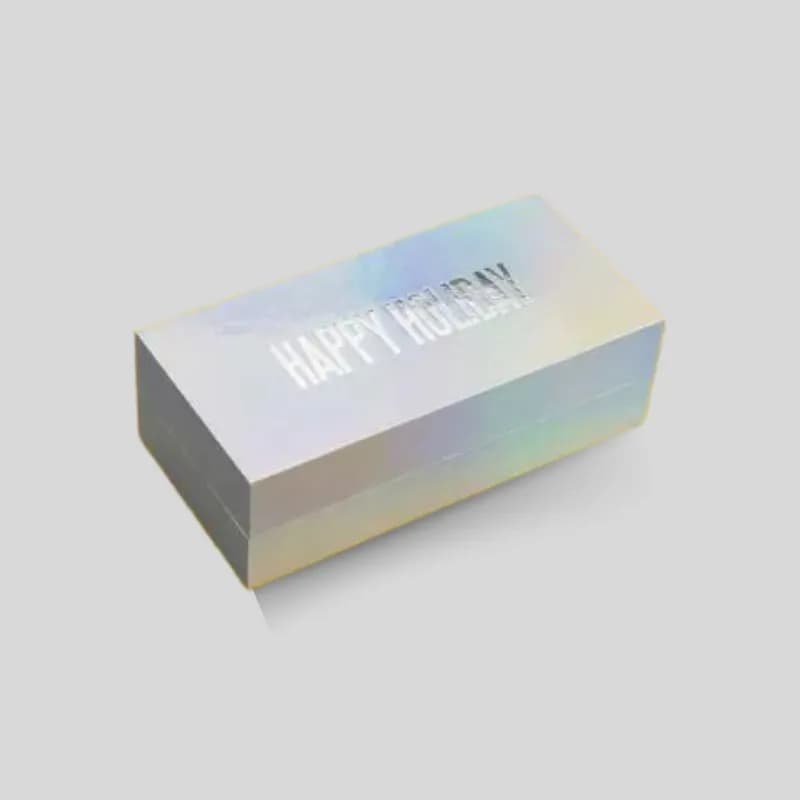
Choose foil stamping when you need an opaque metallic, holographic, or pigmented accent that reflects light like a distinct material. Choose Spot UV when you want selected artwork to become glossy while the printed color beneath remains visible. Foil is usually the stronger choice for a metallic logo or premium seal; Spot UV is often better for tone-on-tone patterns, photography details, and gloss contrast over matte packaging. Neither finish is automatically better or cheaper. Artwork area, detail, substrate, box structure, quantity, and setup decide feasibility and cost.
Brisk offers both options across relevant custom packaging products, including Custom Silver Foil Boxes and Custom Matte Finish Pillow Boxes. This guide explains how the finishes differ and what to send for an accurate sample and quote.
Foil stamping vs Spot UV at a glance
| Decision factor | Foil stamping | Spot UV |
|---|---|---|
| Basic effect | Transfers an opaque foil to selected areas | Applies a clear, selectively cured glossy coating |
| Best-known look | Gold, silver, rose gold, holographic, or colored accents | Gloss-on-matte contrast and highlighted printed details |
| Underlying print | Covered by the foil in stamped areas | Remains visible beneath the clear coating |
| Light response | Metallic or specialty reflection | Wet-look gloss and surface contrast |
| Common artwork | Logos, borders, seals, short display text | Patterns, logos, typography, image details |
| Setup | Typically needs finish-specific tooling and registration | Needs a separate mask/layer and registration |
| Tactile effect | Can feel slightly different at the stamped area | Can create a subtle raised or slick glossy area |
| Key risk | Filling fine gaps, cracking, weak adhesion, or misregistration | Dust, scuffing, pinholes, weak contrast, or misregistration |
Both are decorative enhancements, not substitutes for choosing the right board, structure, printing method, or protective surface. A finish that looks striking on a rigid gift box may behave differently on a scored folding carton or a highly textured kraft stock.
What is foil stamping on packaging?
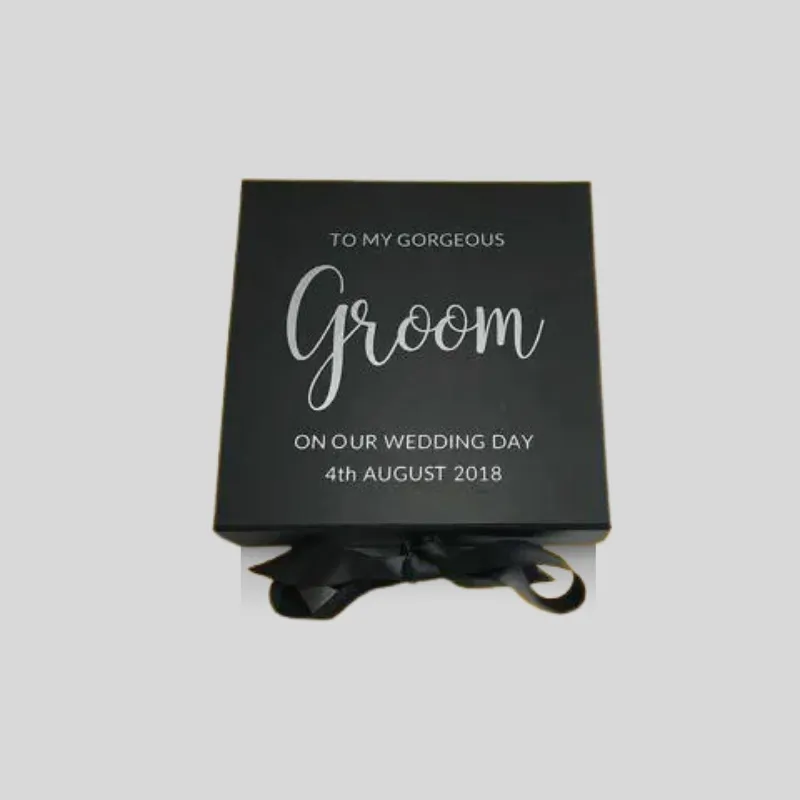
Foil stamping places a prepared foil between the artwork tool and the packaging surface. Heat and pressure are commonly used to release the selected foil layer onto the substrate in the shape of the design. Production methods vary, so the converter should confirm the process suited to the board, print, shape, and quantity.
The key design advantage is opacity. A silver foil logo looks silver because a reflective layer covers the printed surface; it does not rely on the ink color underneath to create the effect. Gold and silver are familiar choices, but rose-gold, holographic, matte metallic, and some pigmented foils can create different visual identities.
Foil is effective when a small area needs to act as a focal point. Consider it for:
- A brand mark on a cosmetics folding carton
- A product name or border on a rigid presentation box
- A limited-edition seal on retail packaging
- A premium cue on confectionery or gift boxes
- A holographic accent that changes as the pack moves
Large solid foil areas demand more production control than a compact logo. Folds, scores, sharp corners, board texture, and heavy ink coverage can affect transfer. Ask whether the design should be simplified, broken into smaller elements, or moved away from a crease.
What is Spot UV on packaging?
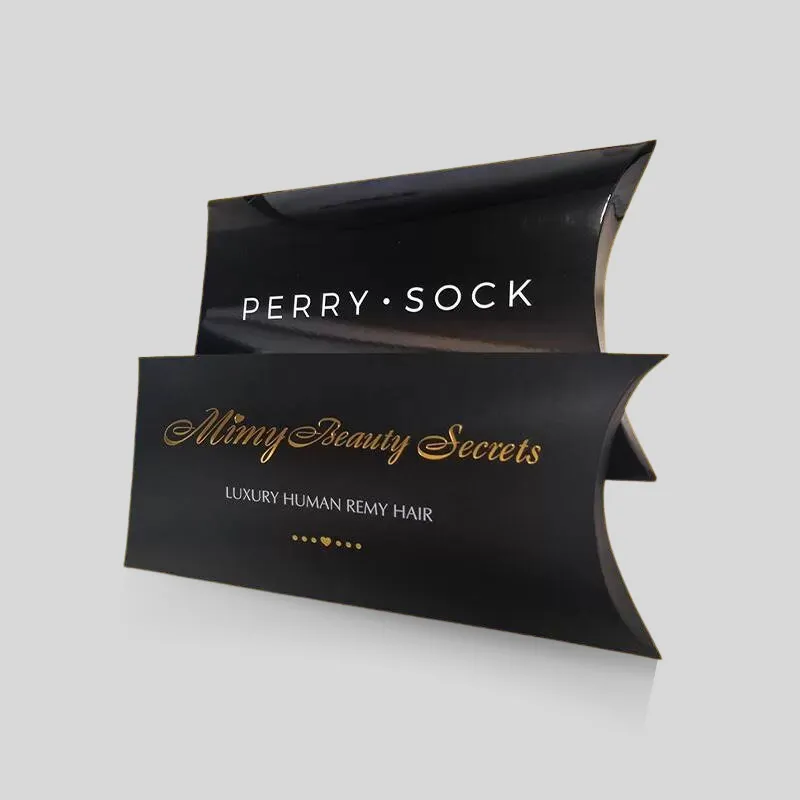
Spot UV is a clear coating applied only to selected parts of the printed sheet and cured with ultraviolet energy. Unlike foil, it normally does not replace the color below. It changes the surface reflectivity, making a logo, pattern, word, or image detail appear glossier than the surrounding area.
Contrast is central to the effect. Glossy Spot UV over a matte-laminated dark box can create a discreet pattern that appears as the viewer tilts the package. The same clear coating over an already glossy background may be much less noticeable. If Spot UV is the hero finish, decide the surrounding surface at the same time.
Spot UV often suits:
- Tone-on-tone logos and repeated patterns
- Water droplets, product textures, or selected photographic details
- Glossy typography over a matte field
- Borders and graphic shapes that should catch light without metallic color
- Modern packaging that needs a restrained rather than overtly metallic accent
Fine lines, reversed gaps, coating thickness, surface energy, and registration all matter. Very small copy or tightly spaced details may close up or lose definition. The supplier should review a dedicated Spot UV mask before production.
The most important visual difference
Ask one question: Should the finish add a new reflective material or reveal the printed artwork through clear gloss?
Foil adds its own visible color and reflection. It can stay recognizable over a wide range of printed backgrounds because the foil is opaque. Spot UV is transparent. The color and image below remain part of the result, while gloss and texture create emphasis.
That distinction changes brand perception:
- Foil can feel ceremonial, giftable, classic, glamorous, or collectible depending on color and restraint.
- Spot UV can feel modern, technical, subtle, editorial, or minimalist, especially as a clear pattern over matte black or another deep color.
- Holographic foil creates a more animated, color-shifting response than clear Spot UV.
- Spot UV can emphasize photographic information without placing a metallic block over it.
Do not judge either effect from a flat PDF. Screens cannot reproduce metallic reflection, gloss level, tactile edges, or how the finish behaves under retail lighting. Request physical finish samples on a comparable substrate.
Which finish fits your product and brand?
Cosmetics, skincare, and fragrance
Foil can isolate a brand name, shade name, or premium range marker. Spot UV can highlight a pattern or ingredient illustration while preserving a quieter front panel. If the box includes small required copy, keep the decorative finish away from text that must remain easy to read.
Chocolate, gifts, and seasonal collections
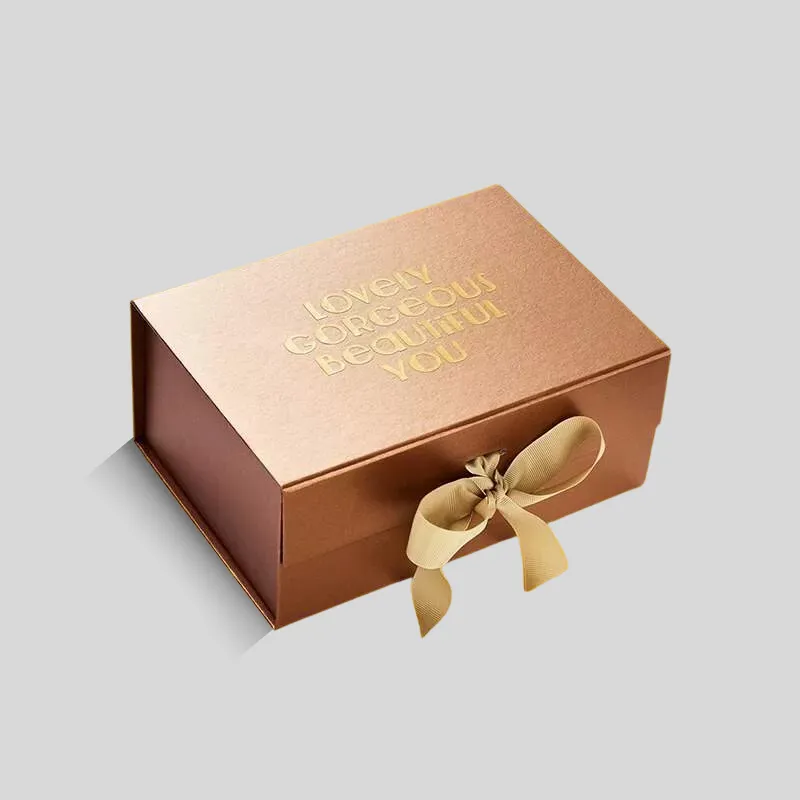
Gold or colored foil can support celebratory presentation and make a seal or border visible from several angles. A custom gold foil chocolate box is a useful visual reference, but food suitability depends on the complete packaging system and product-contact components—not the decorative outer finish alone.
Technology and modern retail goods
Spot UV can pick out interface-inspired lines, diagrams, or a subtle geometric pattern without adding metallic color. Silver foil can instead provide a precise hardware-like accent. Compare both against the product's materials rather than assuming every technology package should look metallic.
Luxury and jewelry packaging
Foil is useful for a compact mark on rigid board or wrapped paper, while Spot UV can make a dark tonal pattern visible only in changing light. Structure, insert, wrap paper, and opening experience usually contribute more to perceived quality than covering every panel with finishes.
Natural or kraft-led brands
Both finishes require testing. An uneven or absorbent texture can change coating smoothness and foil transfer. A high-shine finish may also conflict with an intentionally uncoated, natural visual system. Ask for a drawdown or production-representative sample on the proposed stock.
Can foil stamping and Spot UV be combined?
Yes, subject to supplier review and adequate spacing. Combining them can create a useful hierarchy: foil for the logo, Spot UV for a supporting pattern. It can also create unnecessary cost and visual noise if both compete across the same area.
Use a three-level hierarchy:
- Primary cue: one finish carries the logo or product name.
- Secondary cue: the other finish supports a border, texture, or small detail.
- Quiet space: enough unembellished area remains for contrast.
Confirm the production sequence because lamination, print, foil, coating, cutting, and creasing must be compatible. Avoid placing critical finish edges directly on folds unless the converter approves and tests them. If budget permits only one enhancement, a well-positioned single finish usually communicates more clearly than two underfunded effects.
Materials, lamination, and structure
Finish selection cannot be separated from the substrate. Smooth coated paperboard generally offers a different surface from uncoated kraft, corrugated liner, or wrapped rigid board. Even within one family, coating, caliper, recycled content, ink coverage, and grain can change adhesion and appearance.
Lamination can provide a consistent base and alter contrast. Matte lamination is frequently paired with Spot UV because the difference between the broad matte field and selective gloss is easy to see. Gloss lamination may reduce that contrast. Review Brisk's custom packaging boxes guide when selecting the broader material, structure, and surface specification.
Remember that foil and Spot UV do not strengthen a weak closure or correct poor product fit. Select the box style, internal dimensions, board, insert, and shipping protection first. Then apply decorative finishes where they will survive assembly and handling.
Artwork preparation for foil and Spot UV
Both processes need clearly separated production artwork. Follow the supplier's template rather than improvising layer names or minimum dimensions.
- Use the final dieline. Do not position finishes on an old or estimated structure.
- Create a dedicated mask. Put every foil area on a named foil layer and every Spot UV area on a separate Spot UV layer.
- Use vector shapes where requested. Clean paths make logos, borders, and type easier to evaluate and output.
- Mark a single spot color. A conspicuous placeholder color can identify the mask, but it represents the finish—not the printed result.
- Avoid accidental overprint assumptions. Confirm how the prepress team wants foil or coating layers configured.
- Respect minimum line, gap, and type sizes. These vary by process and supplier; request written production limits.
- Keep important detail away from cuts and scores. Folding can disrupt finish edges or make alignment variation more visible.
- Add notes for foil color and gloss intent. Name gold, silver, holographic, or another approved foil reference; identify the desired Spot UV effect.
- Check registration tolerances. A finish aligned exactly to tiny printed type can reveal normal movement. Trapping or a simpler design may be safer.
- Approve a physical reference. A digital proof confirms position but cannot prove shine, transfer, coating texture, or final tactile feel.
For general planning, use Brisk's custom packaging boxes guide, then ask a packaging specialist to review the dieline and finish masks before output.
What affects foil and Spot UV cost?
There is no responsible universal answer that one finish always costs more. Quotes depend on the actual manufacturing specification. Cost factors include:
- Finished box dimensions and number of finish-bearing panels
- Total foil or coating area and whether it is one compact element or many
- Foil type, color, and availability
- Tooling or plate requirements
- Board, printed coating, wrap paper, and lamination
- Number of artwork versions or SKUs
- Registration complexity and minimum detail
- Order quantity, press-sheet layout, spoilage allowance, and setup
- Sampling, proofing, cutting, folding, gluing, packing, and freight
A large foil flood, multiple foil colors, or precise alignment over tiny artwork can change a quote substantially. Spot UV over many panels can also add complexity. Reduce cost intelligently by prioritizing one customer-facing panel, keeping the mask clean, and standardizing finish positions across variants where practical. Do not remove testing to save money; a rejected production run costs more than a properly specified sample.
Sample and quality checks
Inspect samples in direct and angled light. For foil, look for complete transfer, clean edges, consistent reflection, pinholes, cracking near scores, and adhesion after handling. For Spot UV, inspect gloss consistency, registration, dust marks, pinholes, scuffing, and whether the effect is visible against the chosen background.
Fold and assemble the sample. A flat sheet can look perfect while a finish cracks at a score, rubs during gluing, or lands on an unexpected panel. Place the product inside, handle the package as a customer would, and compare samples under likely shelf, studio, and home lighting.
Quote checklist
Send these details when requesting a finish comparison:
- Product dimensions, weight, and packing orientation
- Finished internal box dimensions and chosen structure
- Quantity, number of SKUs, and artwork versions
- Board or wrap material and desired surface treatment
- Printing colors and whether the inside is printed
- Foil color/type and approximate stamped area
- Spot UV mask and intended matte or gloss background
- Finish location by labeled dieline panel
- Sample or proof requirement
- Delivery destination and required timeline
- Artwork files or a request for dieline and design support
Use Brisk's quote form to request a project-specific comparison. If your artwork is not production-ready, share the product and branding details through contact and ask for finish-mask review.
FAQ
Is Spot UV the same as gloss lamination?
No. Spot UV is applied to selected artwork areas, while gloss lamination usually covers the broader sheet with a film. They can produce different texture, protection, and visual contrast. Confirm the full finishing stack with the supplier.
Does Spot UV add color?
Spot UV is generally a clear coating, so it reveals the printed color below while changing gloss and surface feel. If you need an opaque metallic color, foil stamping is usually the more direct option.
Is foil stamping always metallic?
Metallic gold and silver are common, but specialty options can include holographic, pigmented, and other effects. Availability, suitability, and final color should be confirmed with a physical swatch.
Which finish works best on a matte box?
Both can work. Spot UV creates clear gloss contrast against matte, while foil adds an opaque reflective accent. The better choice depends on whether you want tone-on-tone subtlety or a distinct metallic focal point.
Can either finish cross a fold?
It may be possible, but folds increase risk of cracking, distortion, and visible registration changes. Keep critical artwork away from scores unless the packaging producer reviews and tests the exact board and process.
Can foil or Spot UV be used on kraft packaging?
Potentially, but texture and absorbency can affect transfer and coating appearance. Test on the specified kraft stock rather than approving from a white coated-board sample.
Which finish is more durable?
Durability depends on material, process, finish area, lamination or coating system, handling, and storage. Neither name alone guarantees performance. Ask for production-representative samples and define the expected handling conditions.
Do I need separate artwork files?
You need separate, clearly identified finish information. Many suppliers prefer foil and Spot UV masks as named layers in the production artwork. Follow the printer's specifications and never rely on a visual mockup alone.
Choose the finish by the effect you need
Foil stamping and Spot UV solve different design problems. Use foil to introduce an opaque metallic or specialty accent. Use Spot UV to make selected printed areas glossy while preserving the color beneath. Compare them on the actual board and surrounding surface, then check the folded sample under real light.
Send Brisk your dieline, artwork, quantity, material, and preferred finish areas. A packaging specialist can review production limits, prepare samples, and provide a custom quote without forcing a generic finish choice onto your product.