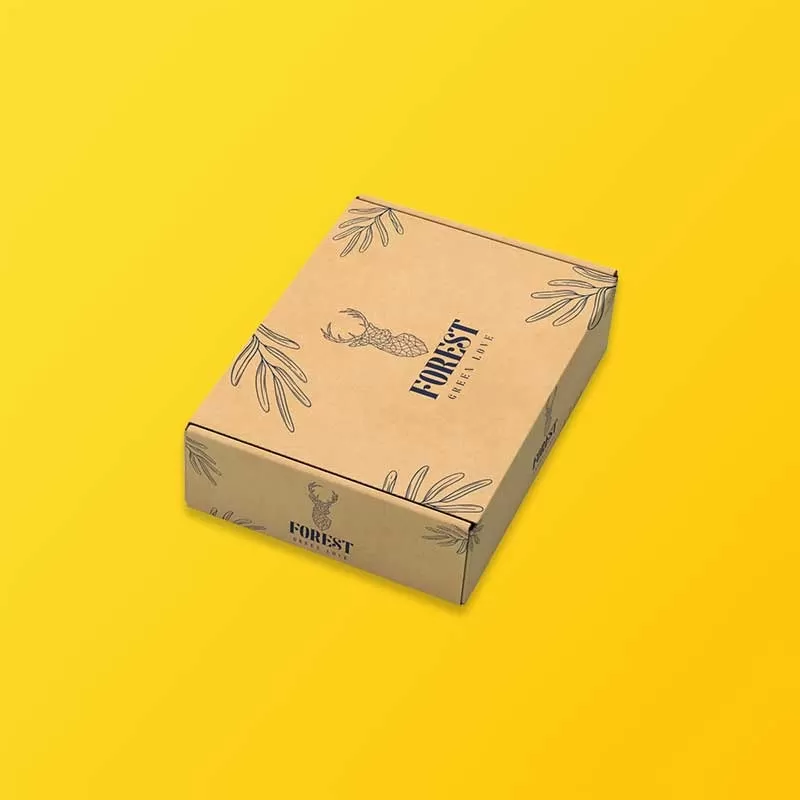
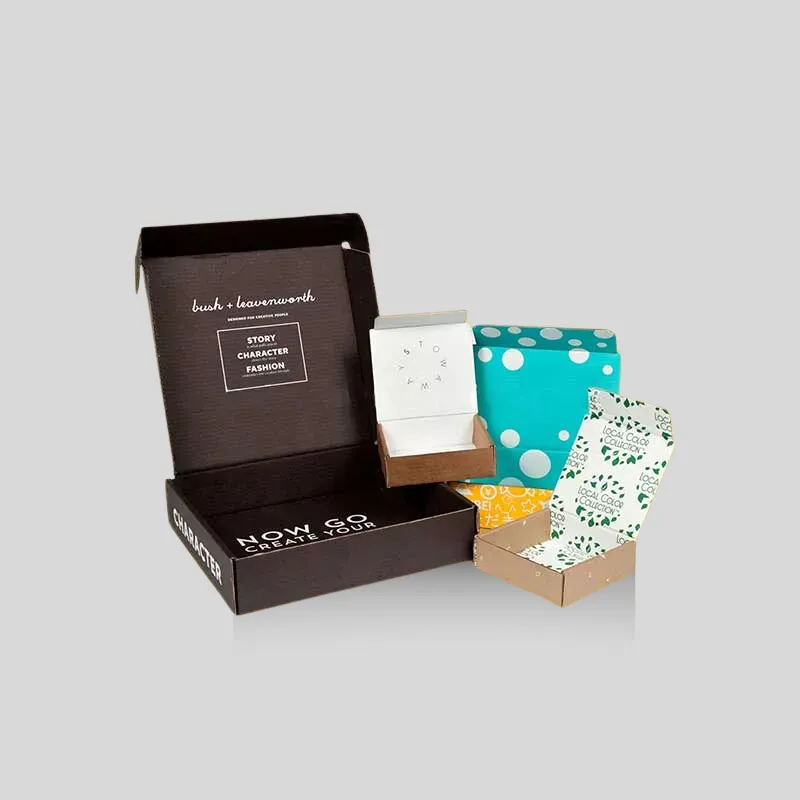
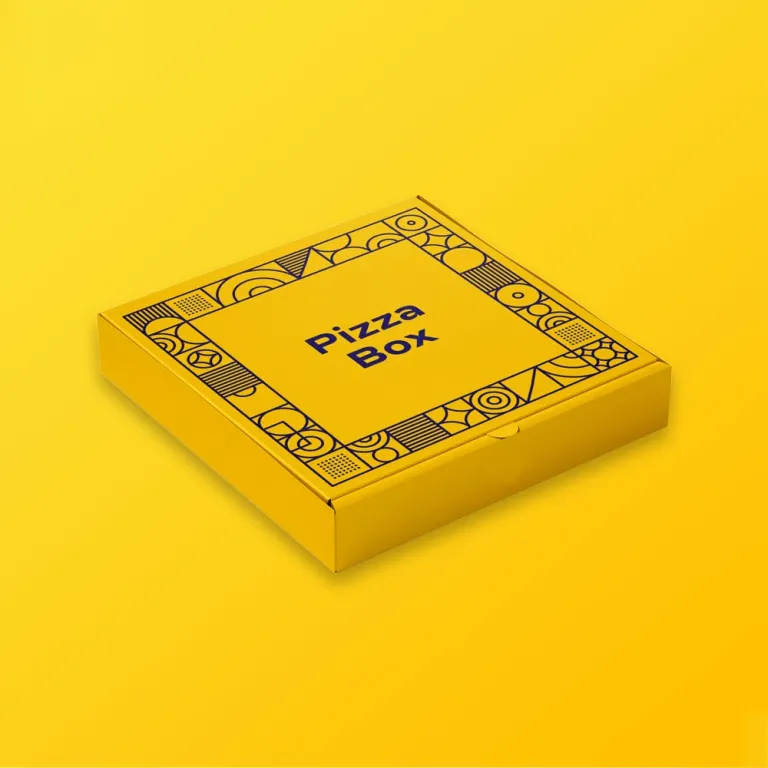
To choose custom household boxes, evaluate three core packaging demands: product weight and distribution density, distribution channel hazards (palletized warehouse freight versus individual ecommerce parcel shipping), and retail presentation format. For heavy liquid cleaning detergents or multi-pack chemical bottles, select high-ECT corrugated cartons with moisture-resistant aqueous barriers and auto-locking bottom structures. For premium kitchenware, tabletop dinnerware, and home textiles, choose two-piece rigid or folding lid-and-tray boxes paired with custom partitions. For high-volume supermarket and club-store merchandising, engineer perforated shelf-ready display trays (PDQ) designed for rapid restocking.
Household products encompass an expansive array of consumer goods, from daily surface cleaners and laundry detergents to fine kitchen cutlery, bathroom accessories, decorative homeware, and utility storage organizers. Packaging for this sector must balance structural strength against shelf appeal. A carton must withstand rigorous stacking loads and dynamic handling throughout logistics networks while delivering clean branding, clear usage instructions, and intuitive consumer unboxing.
Brisk Packaging engineers custom Household Boxes tailored to exact product geometries, weight thresholds, and retail compliance standards. This comprehensive guide covers structural styles, board caliper selection, barrier coatings, multi-item partition grids, retail display mechanics, and cost optimization factors to evaluate before ordering custom household product packaging.
Understanding Household Product Packaging Segments
Household goods place unique physical and visual demands on packaging based on product chemistry, fragility, and consumer display environments:
- Liquid Home Care & Cleaning Chemicals: Heavy gallon jugs, trigger sprayers, and concentrate bottles exert dynamic hydraulic pressure during transport. Packaging requires high Edge Crush Test (ECT) ratings, leak-resistant base flaps, and chemical-resistant barrier coatings to protect against accidental spills.
- Cookware, Kitchenware & Dinnerware: Ceramic plates, glassware, stainless steel cookware, and knife sets require rigid structural containment, scratch-resistant interior liners, and custom die-cut cell partitions to eliminate surface abrasion and transit impact.
- Home Textiles & Bedding: Luxury sheet sets, towels, curtains, and throw blankets demand large-format presentation boxes, transparent viewing windows, or dust-sealed telescoping lid-and-tray structures that protect fabrics during warehouse storage.
- Utility Storage & Hardware Organizers: Tool organizers, modular drawer bins, and garage accessories require durable corrugated cartons that communicate product dimensions, weight capacities, and modular compatibility directly on the exterior carton.
- Home Fragrance & Seasonal Decor: Reed diffusers, essential oil warmers, and holiday tabletop ornaments require protective drop cushioning combined with upscale decorative finishes such as soft-touch lamination, foil stamping, and spot UV accents.
Structural Styles for Custom Household Boxes
The structural architecture of a household box determines its loading speed on production lines, its stacking integrity in warehouses, and how it performs on retail shelves.
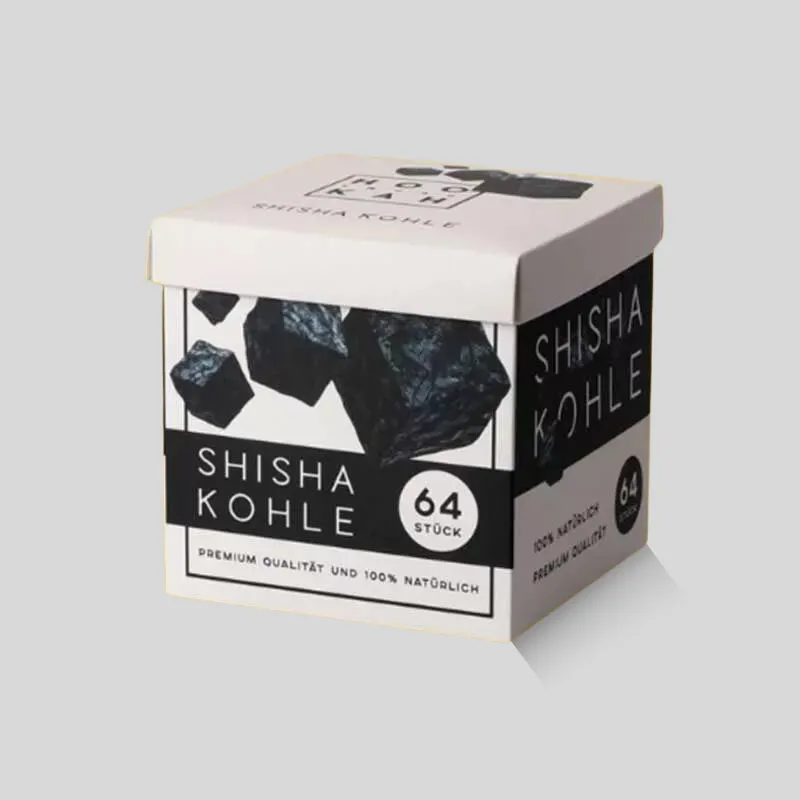
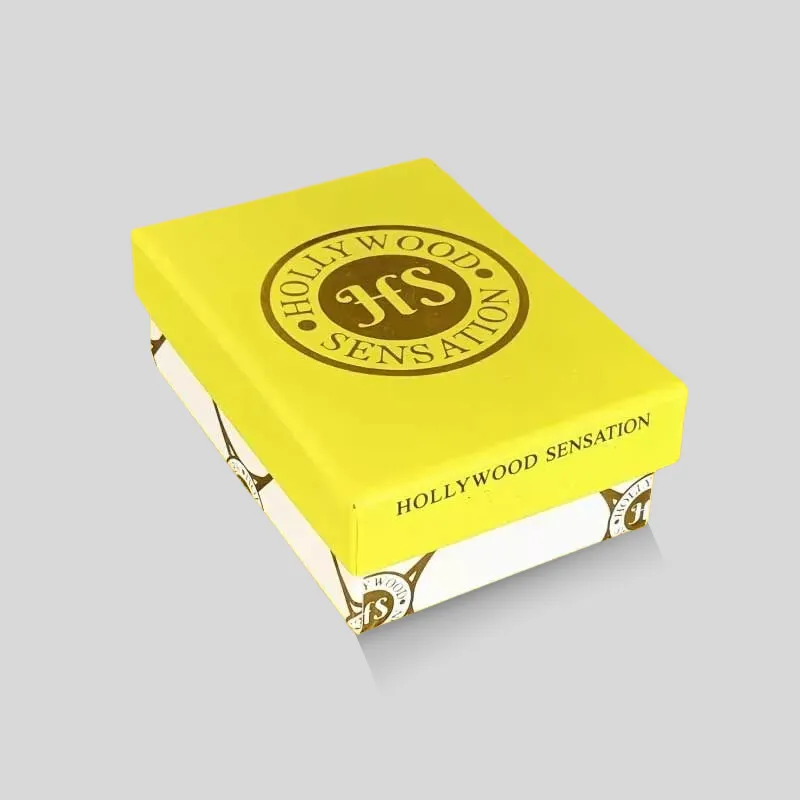
1. Two-Piece Lid and Tray Boxes
Composed of a separate base tray and fitted lid, telescoping lid-and-tray boxes provide wide-aperture product reveals ideal for premium housewares.
- Best For: Dinnerware sets, luxury flatware, linen bundles, glassware gift sets, and home decor items.
- Structural Strength: Double-thickness sidewalls created when the lid telescopes over the tray provide exceptional vertical stacking resistance without requiring heavy fluting.
- Unboxing Appeal: The lift-off reveal creates an elevated tactile experience suitable for retail gifting and high-ticket DTC homeware brands.
- Explore Custom Printed Lid and Tray Household Boxes for premium houseware presentation.
2. Large Shipping & Master Cartons (RSC & FOL)
Regular Slotted Cartons (RSC) and Full Overlap Cartons (FOL) serve as the primary distribution workhorses for bulk household goods.
- Regular Slotted Carton (RSC): All flaps have equal length and meet at the center when folded. Highly economical and efficient for shipping multi-unit consumer cases.
- Full Overlap Carton (FOL): Outer flaps extend across the entire width of the box, overlapping completely. This dual-layer top and bottom construction provides superior puncture resistance and stacking reinforcement when transporting heavy jugs, dense cleaning powders, or bulky home hardware.
- Review Custom Design Large Household Cartons and Custom House Hold Shipping Boxes for heavy-duty freight packaging.
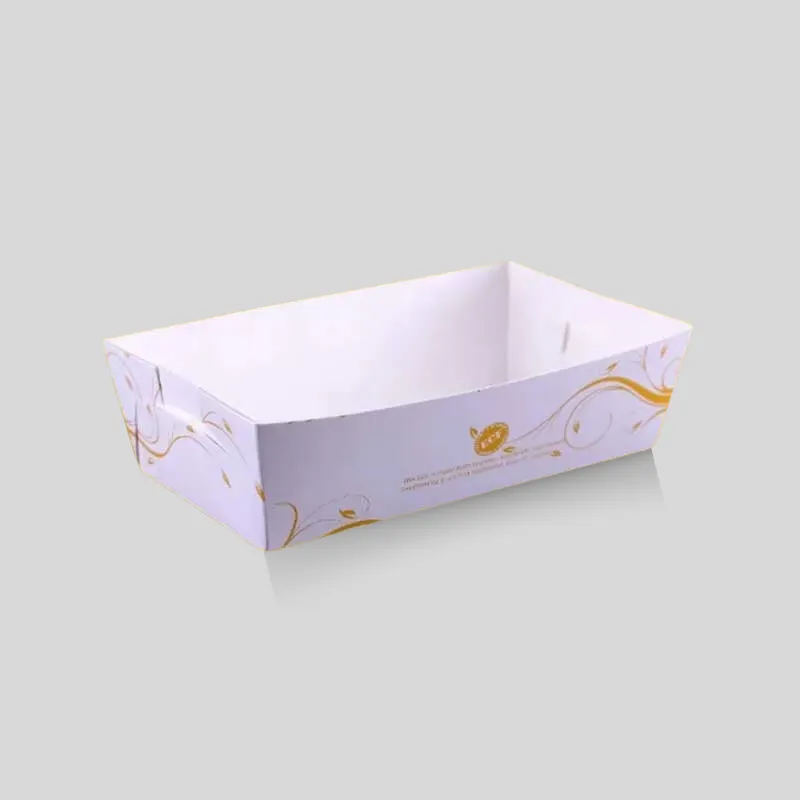
3. Shelf-Ready Display Trays (PDQ & Roll-End Trays)
Retail-ready packaging (SRP) and Point of Display Quick (PDQ) trays streamline retail operations by allowing store associates to move entire multi-packs directly from shipping pallets onto store shelves in a single motion.
- Perforated Tear-Away Shippers: A full master carton that features precision-perforated tear lines. Once stripped at the retail floor, the remaining corrugated base becomes a self-standing, branded retail tray.
- Roll-End Trays with High Display Headers: Solid-wall display trays with integral or slotted backer cards for promotional messaging, pricing banners, and branding on supermarket endcaps and warehouse club racks.
- Learn more about Custom Printed Household Large Trays for club store and supermarket distribution.
4. Auto-Bottom & Snap-Lock (1-2-3) Folding Cartons
For medium-weight consumer bottles, refills, and kitchen accessories packaged individually on retail shelves, bottom closure engineering is critical:
- Auto-Lock Bottom (Crash Bottom): Factory-glued bottom flaps automatically snap into place when the carton is squared. Reduces packing labor by up to 60% compared to standard tuck flaps and safely supports heavy liquids.
- Snap-Lock Bottom (1-2-3 Bottom): Four interlocking flaps fold manually in numerical sequence. Provides a sturdy, cost-effective base for medium-weight household hardware without requiring specialty folding-gluing machinery.
Material Selection: Corrugated Flutes vs. Paperboard Grades
Selecting the correct paper substrate ensures your packaging protects the product without incurring excess material costs or dimensional shipping surcharges.
Corrugated Board Grades and Flute Profiles
Corrugated board consists of an arched fluted medium sandwiched between flat inner and outer linerboards. Flute height and pitch determine compression strength, puncture resistance, and print smoothness:
- E-Flute (1/16" thickness / ~90 flutes per ft): The thinnest common corrugated profile. Offers a dense, ultra-smooth surface for high-resolution direct printing while delivering crush resistance for retail household items up to 5 lbs (small appliances, dish sets, surface cleaner multi-packs).
- B-Flute (1/8" thickness / ~47 flutes per ft): Provides superior puncture resistance and lateral cushioning. Ideal for medium-weight household items, glass jar packaging, and die-cut mailer boxes.
- C-Flute (11/64" thickness / ~39 flutes per ft): The industry standard for shipping master cartons. Provides optimal column stacking strength for palletized warehouse loads.
- Double-Wall BC-Flute or EB-Flute (1/4" to 5/16" thickness): Combines fine flute printability with heavy flute structural rigidity. Essential for heavy chemical drums, large household appliances, iron cookware, and bulk palletized liquids exceeding 40 lbs.
- Discover Custom Printed Card Board Household Boxes for durable paperboard packaging.
Folding Boxboard & Paperboard Options
For lightweight retail goods sold in department stores and boutiques:
- Solid Bleached Sulfate (SBS): Premium virgin fiber paperboard bleached white throughout (14pt to 28pt caliper). Delivers maximum brightness, crisp folding creases, and luxurious tactile print quality for upscale home fragrances, table linens, and designer kitchen tools.
- Coated Recycled Board (CRB / CCNB): Clay-coated newsback paperboard made from 100% recycled paper fibers with a white outer print face and grey interior. A cost-effective, sustainable choice for dry household detergents, light bulbs, and mass-market consumer refills.
- Unbleached Kraft Paperboard: Natural brown virgin or recycled fiber providing rustic, eco-friendly appeal, exceptional tear resistance, and high structural stiffness for organic cleaning products and sustainable homewares.
| Material / Grade | Caliper / Flute | Compression Strength (BCT/ECT) | Best Household Applications | | :--- | :--- | :--- | :--- | | SBS Paperboard | 16pt – 24pt | Lightweight retail support | Home fragrances, linen sets, luxury cutlery | | CCNB Recycled Board | 18pt – 28pt | Moderate folding rigidity | Dry powder detergents, light bulbs, utility items | | E-Flute Corrugated | 1/16" (~1.5mm) | ECT 29 – 32 | Retail multi-packs, small kitchenware, gift kits | | B-Flute Corrugated | 1/8" (~3.2mm) | ECT 32 – 40 | Glassware dividers, medium home decor, mailers | | C-Flute Corrugated | 11/64" (~4.0mm) | ECT 32 – 44 | Master shipping cartons, liquid gallon cases | | Double-Wall BC-Flute | 1/4" (~6.5mm) | ECT 48 – 61 | Heavy appliances, cast iron pans, bulk chemicals |
Protective Barrier Coatings and Internal Inserts
Household products frequently present internal containment risks (liquid chemicals, abrasive powders) or fragility challenges (ceramics, crystal glassware).
Barrier Coatings for Moisture and Chemical Resistance
Standard paperboard absorbs ambient humidity and formulation leaks, leading to fiber softening, delamination, and carton collapse.
- Aqueous Moisture Barriers: Water-based barrier varnishes applied during the printing process create a water-resistant seal that prevents condensation weakening and minor surface liquid penetration while remaining 100% repulpable and recyclable.
- Polyethylene (PE) Extrusion Coating: A thin polymer film laminated directly to the interior paperboard liner. Provides a complete liquid barrier for laundry detergent boxes, wet wipes containers, and concentrated chemical packaging.
- Grease & Oil Resistant Coatings: Essential for silicone-treated household goods, cookware seasoned with protective oils, or furniture polish packaging to prevent unsightly bleed-through onto exterior branding.
Custom Partition Grids and Internal Die-Cut Inserts
Securing multiple product components inside a single master box prevents product-to-product collision, surface scratching, and structural crushing.
- Corrugated Cell Partitions (Egg Crate Grids): Interlocking chipboard or corrugated dividers that create isolated compartments for individual bottles, jars, or drinking glasses. Distributes vertical stacking loads evenly across every interior wall.
- Custom Die-Cut Corrugated Inserts: Engineered folded inserts with precision cutouts that hold irregularly shaped home goods (such as blenders, spray mop heads, or ceramic teapots) firmly suspended away from the box perimeter.
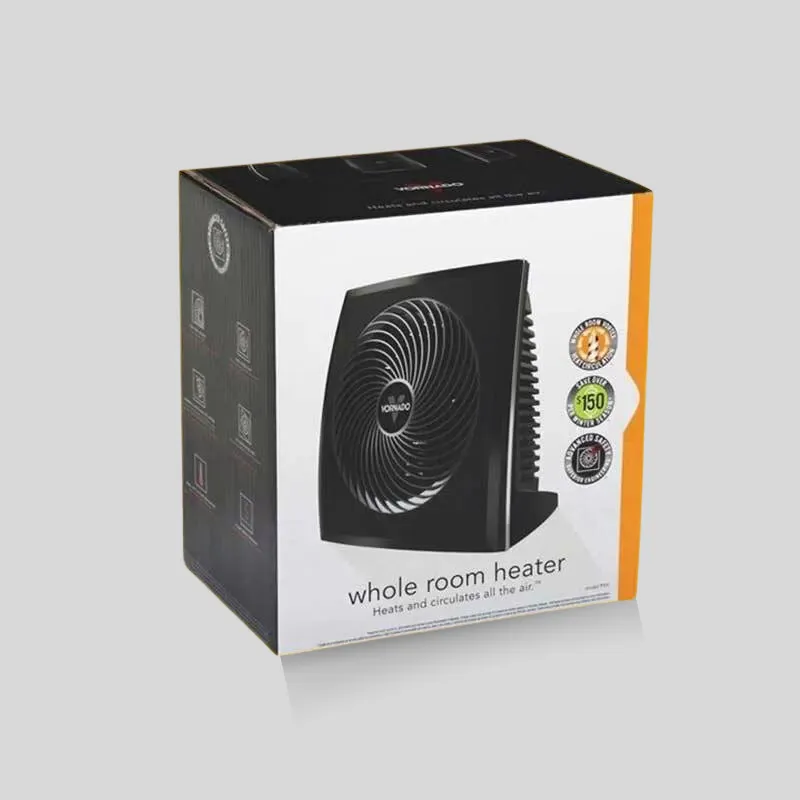
- Check our specialized Custom Home Appliances Boxes for precision internal cushioning designs.
Printing Technologies and Retail Finishing
Your exterior graphics communicate product quality, establish brand credibility, and guide retail shoppers toward purchase.
Printing Methods for Household Packaging
- Litho-Lamination (Offset to Corrugated): High-resolution full-color artwork (175+ LPI) is printed onto high-grade paper sheets via offset lithography, then laminated onto single-face corrugated board before die-cutting. Delivers razor-sharp photographic imagery, rich color gradients, and flawless retail presence for high-end home brands.
- Direct Flexographic Printing: High-speed printing directly onto corrugated linerboards using flexible photopolymer plates and water-based inks. The most cost-effective method for high-volume shipping cartons, bulk master cases, and bold retail display trays.
- High-Definition Digital Corrugated Printing: Direct-to-board digital inkjet printing requiring zero printing plates. Ideal for short-run pilot tests, regional SKU variations, seasonal packaging campaigns, and fast turnaround prototyping.
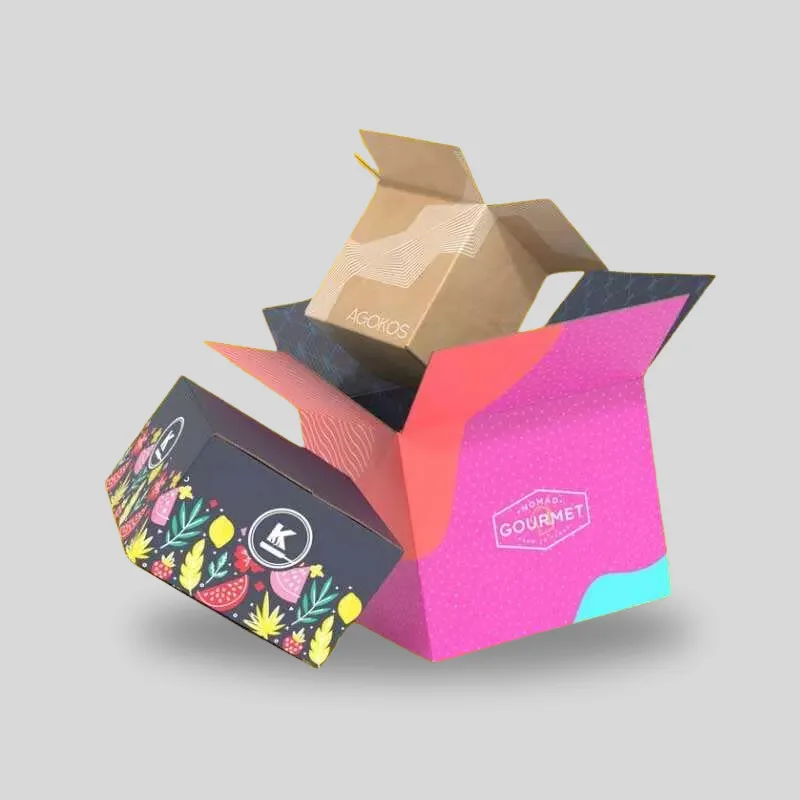
- View Custom Multi Color Household Boxes to explore vibrant full-color printing capabilities.
Protective & Decorative Surface Finishes
Household boxes endure rough handling in distribution warehouses and consumer shopping carts. Surface coatings protect ink layers from scuffing and smudging:
- Matte Lamination: Provides an elegant, non-reflective velvety finish that resists handling scuffs and enhances readability under bright supermarket fluorescent lighting.
- Gloss Lamination & UV Varnish: Adds high-gloss sheen and color vibrancy while forming a durable barrier against dust, moisture, and retail handling.
- Spot UV & Foil Stamping: Adds metallic gold, silver, or raised gloss varnish over logos and product titles, immediately elevating brand perception for premium kitchenware and luxury candle collections.
- Customize your packaging with Custom Made Household Boxes with your Logo for personalized branding.
Retail Compliance, Handling Symbols, and Stacking Calculations
Retailer compliance requirements dictate specific barcode placements, handling iconography, and warehouse stacking capacities.
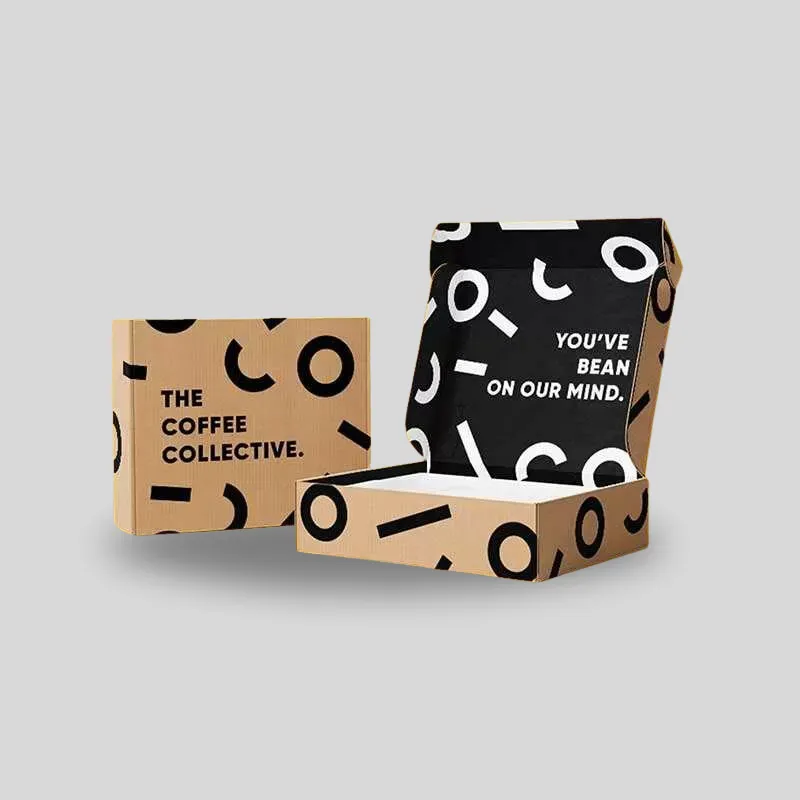
Essential Handling Icons and Regulatory Panels
Master cartons and retail packaging for household products must display international ISO handling symbols to protect goods during freight transit:
- "This Way Up" (Two vertical arrows): Critical for liquid cleaning chemicals, trigger spray bottles, and pre-filled dispensers to prevent leakage caused by inverted shipping.
- "Fragile / Handle With Care" (Cracked glass icon): Required for ceramics, glassware sets, and delicate lighting accessories.
- "Keep Dry" (Umbrella icon): Alerts warehouse staff to avoid damp staging areas that could compromise corrugated load strength.
- "Max Stacking Height" (Layer number icon): Specifies maximum pallet stacking limits to prevent bottom-box crushing in distribution centers.
- Barcode & SKU Scanning Zones: High-contrast UPC-A, EAN-13, or GS1-128 shipping container barcodes must be placed on at least two adjacent sides of master shippers, with a minimum 0.25-inch quiet zone surrounding the code for automated warehouse scanning.
Pallet Stacking Calculations: McKee's Formula and Safety Factors
Corrugated boxes lose compressive strength under dynamic transit vibrations, ambient humidity, and extended warehouse storage times. Packaging engineers calculate required Box Compression Strength (BCT) using industry safety factors:
$$\text{Required BCT} = \text{Bottom Box Load Weight} \times \text{Safety Factor}$$
- Standard Warehouse Storage (Controlled climate, 30 days): Safety factor of $3.0\times$ to $4.0\times$.
- Humid Warehouse / Long-Term Storage (60+ days, fluctuating humidity): Safety factor of $5.0\times$ to $6.0\times$.
- High-Density Liquid Palletization (Liquid jugs, dynamic surge): Safety factor of $5.5\times$ to $7.0\times$.
For example, if a bottom master carton supports 180 lbs of stacked cartons above it in a standard warehouse, the box must be engineered with a laboratory BCT rating of at least $180 \times 4.5 = 810\text{ lbs}$ to prevent carton buckling and maintain structural stability throughout transit.
Cost Drivers and Wholesale MOQ Economics
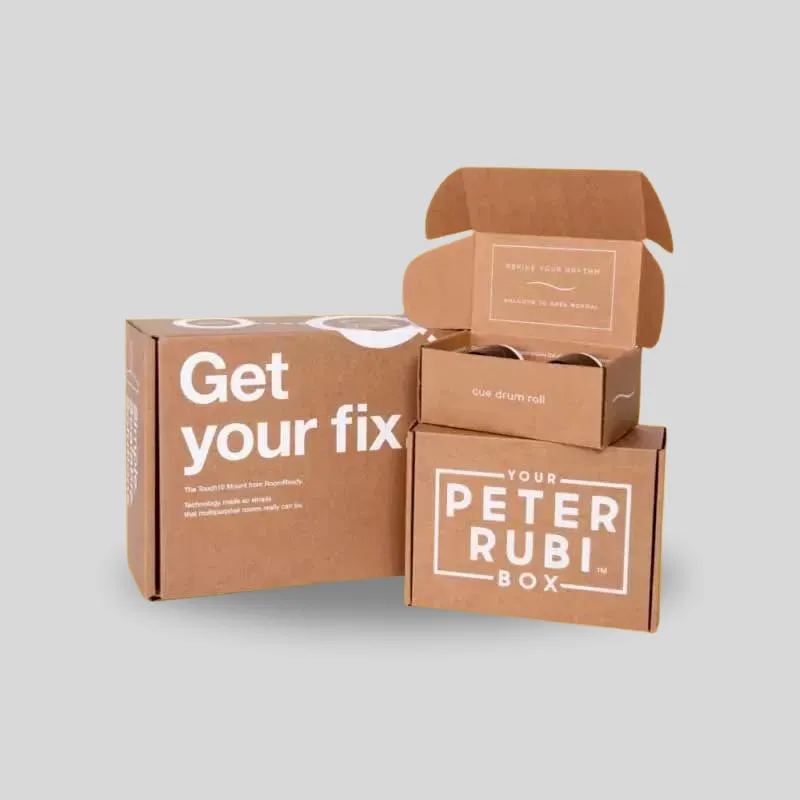
Optimizing custom household box costs requires understanding production scale, material utilization, and tooling investments:
- Volume Scaling: Fixed setup costs—including cutting dies, printing plate mounting, and machine calibration—are distributed across total units. Per-box costs decrease significantly when moving from pilot batches of 500 units to scaled wholesale runs of 2,500, 5,000, or 10,000+ units.
- Sheet Yield & Dieline Nesting: Designing carton dimensions that nest efficiently on standard master corrugated sheet sizes minimizes offcut waste, directly reducing raw material charges.
- Flute & Caliper Right-Sizing: Over-specifying a double-wall box when a high-performance C-flute or heavy E-flute suffices adds unnecessary material cost and increases freight weights.
- Standard vs. Custom Tooling: Using standardized RSC or roll-end tray dielines eliminates custom tooling fees, whereas specialized multi-cavity inserts or custom contour windows require one-time cutting die tooling.
- Partner with Brisk on Custom Household Boxes in Bulk to maximize volume economies of scale.
Common Household Packaging Mistakes to Avoid
- Underestimating Liquid Surge and Hydrostatic Pressure: Liquid bottles slosh during vehicle acceleration and braking. Packaging that only accounts for static weight will fail when hydraulic surge splits bottom carton tape or blows out tuck flaps. Always specify auto-lock bottoms or reinforced tape closures for liquid products.
- Ignoring Humidity Degradation on Stacking Strength: Corrugated board loses up to 50% of its compression strength when relative humidity exceeds 80%. When shipping to or storing in humid climates, incorporate moisture-resistant liner additives or step up to a heavier flute grade.
- Improper Flute Direction Alignment: Corrugated flutes must run vertically (perpendicular to top and bottom flaps) to bear compressive stacking loads. Running flutes horizontally reduces stacking strength by up to 70%, leading to catastrophic stack collapses.
- Omitting Interior Scratch Protection for Glossy Homewares: Matte or unpolished paperboard can abrade polished stainless steel, non-stick coatings, or painted ceramic finishes during transit friction. Always pair delicate finishes with smooth inner liners, poly bags, or tissue wraps.
- Neglecting Retail Display Perforation Testing: Perforated tear-away panels must be easy for retail clerks to open with clean edges, but robust enough not to tear prematurely during conveyor sorting and truck transit.
Pre-Quote Packaging Engineering Checklist
When requesting a custom packaging quote for household products, prepare the following project specifications:
- [ ] Interior Box Dimensions: Exact Length $\times$ Width $\times$ Depth (measured from internal crease to crease in inches or millimeters).
- [ ] Individual & Case Product Weight: Net weight of individual product and total gross weight per packed carton.
- [ ] Physical State & Chemistry: Solid home goods, fragile glass/ceramics, or liquid chemicals requiring leak barrier coatings.
- [ ] Structural Style: RSC shipping carton, two-piece lid and tray, roll-end display tray (PDQ), or auto-bottom retail folding carton.
- [ ] Material & Board Grade: Corrugated flute grade (E, B, C, BC-flute) or paperboard caliper (18pt to 24pt SBS/CCNB/Kraft).
- [ ] Printing Requirements: 1-color flexographic shipping text, 4-color process CMYK branding, or high-definition litho-lamination.
- [ ] Surface Finish: Matte lamination, gloss varnish, aqueous coating, or specialty spot UV accents.
- [ ] Internal Cushioning / Dividers: Corrugated partition grids, folded cardboard inserts, or molded trays.
- [ ] Palletization & Logistics Details: Stacking height (number of layers per pallet), distribution channel (ecommerce parcel vs LTL pallet freight), and warehouse environmental conditions.
- [ ] Order Quantity & Schedule: Initial order volume, annual recurring demand, and required production delivery timeline.
Ready to manufacture custom packaging engineered specifically for your home goods? Request a custom quote from Brisk Packaging today for complimentary dieline review, material samples, and factory-direct volume pricing.
FAQ
What is the difference between household boxes and general storage boxes?
Household boxes are engineered specifically for consumer goods, cleaning chemicals, kitchenware, and retail merchandise moving through active supply chains and retail store environments. They incorporate retail branding, protective barrier coatings against chemical leaks, and retail-ready display features. In contrast, Storage Boxes focus on long-term archival document preservation, office file organization (such as banker boxes), and modular closet storage.
What flute size is recommended for heavy liquid household cleaners?
For multi-packs of liquid detergent jugs or trigger spray bottles weighing 15 to 30 lbs, heavy C-flute (ECT-36 to ECT-44) or double-wall BC-flute corrugated board is recommended. C-flute provides maximum vertical column strength to resist crushing when pallets are stacked two to three tiers high in regional warehouses.
Can custom household boxes be made with eco-friendly and recyclable materials?
Yes. Brisk Packaging manufactures custom household boxes utilizing FSC-certified recycled corrugated board and coated recycled paperboard (CRB/CCNB). We utilize water-based aqueous coatings and soy-based inks, ensuring your household product packaging remains 100% biodegradable and recyclable in municipal paper streams.
What is shelf-ready packaging (SRP) for household goods?
Shelf-ready packaging (SRP), often designed as perforated PDQ trays, is a dual-function master carton that protects products during transit and quickly converts into a branded retail display tray on supermarket shelves. Store associates simply tear along perforated guide lines and place the tray directly on the shelf, reducing stocking labor and maintaining neat product presentation.
How do I protect fragile glassware and ceramic dinnerware inside household boxes?
Fragile home goods should be protected using interlocking corrugated cell partitions (egg-crate dividers) that isolate each glass or plate. These dividers prevent product-to-product contact, eliminate glass-on-glass abrasion, and add vertical column strength to the overall box structure.
What is the minimum order quantity (MOQ) for custom household boxes?
Brisk Packaging accommodates both growing DTC brands and national wholesale distributors. Minimum order quantities typically start at 250 to 500 units for digital short runs, with significant volume cost savings starting at 1,000 to 2,500+ units for high-speed flexographic or litho-laminated production.