How to Choose Custom Pizza Boxes: A Practical Buyer Guide
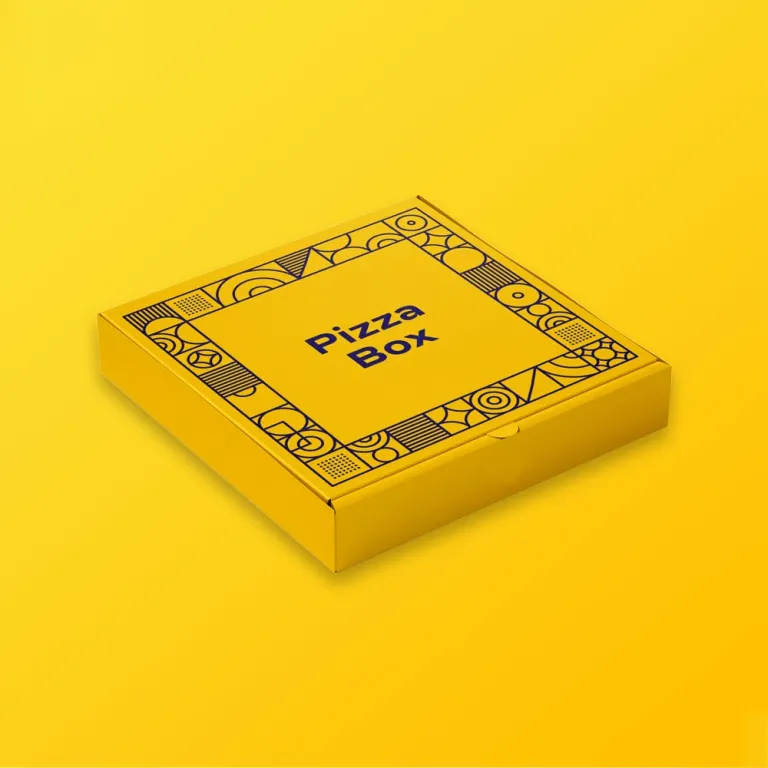
The best custom pizza boxes are chosen around the finished pizza, not just the nominal diameter on the menu. Start with the largest representative pie, measure its crust and toppings, then select a structure, board, flute, grease-control system, vent pattern, print specification, and stacking plan that match your kitchen and delivery route. A reliable decision process also includes a physical sample packed with a real pizza before production.
Brisk's Custom Pizza Boxes with Logo page is the commercial destination for branded pizza packaging. This guide helps restaurant owners, pizzeria operators, food brands, and packaging buyers prepare a useful brief before requesting samples or a quote.
1. Start with the pizza, not the box name
Pizza varies more than a standard menu description suggests. A thin New York-style pie, a thick Detroit-style pizza, a deep-dish format, a loaded pan pizza, and a frozen retail pizza can require different packaging decisions. Crust height, cheese stretch, topping weight, sauce distribution, edge shape, and the time between packing and eating all affect the box.
Document the following for every important pizza SKU:
- Finished length and width or diameter, including irregular crust edges;
- Maximum height at the center and at the edge after baking;
- Crust style, pan dimensions, topping weight, cheese volume, and sauce level;
- Whether the pie is cut before packing and whether a separator, insert, or paper liner is used;
- Expected variation between the smallest and largest production-representative pizzas;
- Typical hold time at the counter, in a pickup area, and inside a delivery bag;
- Number of pizzas commonly stacked in one order and the orientation used in the bag;
- Whether the packaging is for dine-in takeaway, delivery, catering, retail, or frozen distribution.
Do not size the box from the oven pan alone. Bake a representative pizza, allow it to settle as it would during service, and measure the packed food with any liner or separator in place. The internal footprint should allow the pizza to enter without scraping the corners, while the lid should clear toppings and cheese without leaving excessive empty headspace.
2. Choose a structure that suits the service
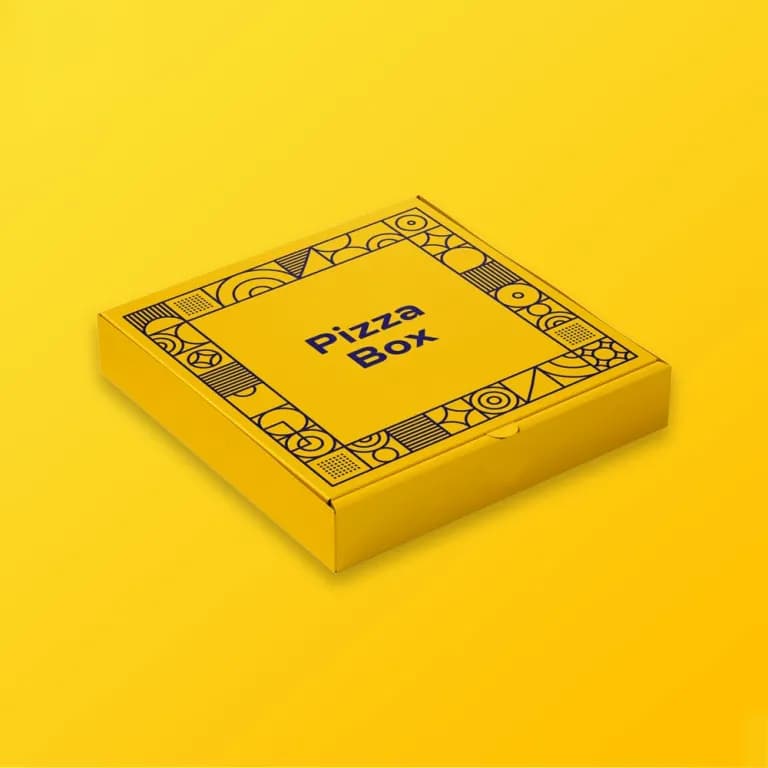
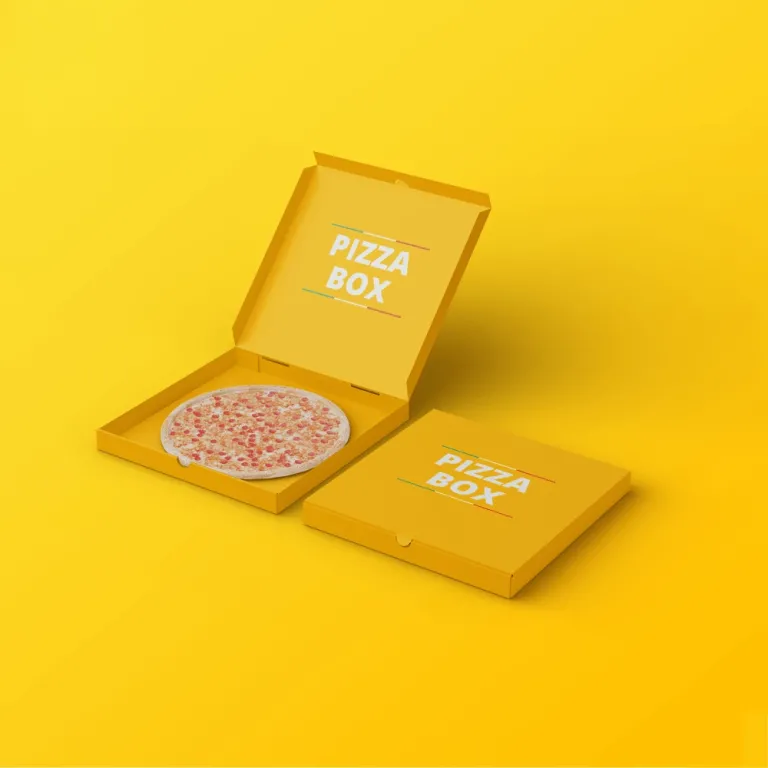
A conventional rolled-front tuck pizza box is familiar to staff and customers. It can be efficient during a rush because the blank folds into a recognizable top-and-bottom format, and the front locking tabs can be closed quickly. It is often a practical starting point for round pies and regular square formats.
A lock-corner or auto-bottom style can improve setup speed when the box needs to be erected repeatedly during high-volume service. The trade-off is that the folding geometry, storage footprint, and tooling need to be reviewed carefully. Ask for a sample that your fastest and newest team members can assemble under normal kitchen conditions.
A square or rectangular box is not the only option. Octagonal or custom-shaped boxes can create a distinctive presentation and may follow a particular pizza format, but unusual corners can change nesting, stacking, die-cut waste, and warehouse storage. Use a shaped structure for a clear operational or brand reason, not simply because the outline looks different in a product photograph.
Slice boxes and small personal-pizza cartons need a separate brief. Their internal geometry, closing tab, grease protection, and display surface are designed around one slice or a smaller portion rather than a full pie. If a menu contains several formats, consider whether one family of artwork and compatible blanks can simplify ordering without forcing an unsuitable compromise.
3. Compare board and flute options
Material selection affects rigidity, print surface, storage, insulation behavior, crease performance, and cost. Brisk's product and category records reference options such as corrugated cardboard, kraft board, and SBS paperboard. The correct choice depends on the exact pizza, route, print plan, and food-contact requirements.
Corrugated cardboard is often considered when the box must resist bending across a wide span or support multiple boxes in a delivery stack. E-flute has a relatively fine profile and can offer a smoother printable surface with useful stiffness for compact formats. B-flute is thicker and can provide more bulk and structural support, although it may change folding behavior and the visual feel of the package. Microflute constructions can be considered when a buyer wants corrugated performance with a more refined printed exterior; confirm the actual specification with the packaging supplier.
Kraft board can support a natural visual direction, but the brown substrate changes color reproduction. Bright brand colors, fine photography, and white areas may need an adjusted print strategy or a coated/white-top construction. Kraft is not automatically the right answer for every sustainability claim or hot-food application; confirm the board, coatings, inks, and disposal guidance for the specific project.
SBS paperboard can provide a clean print surface and crisp folding for certain formats. It may be suitable for lighter, personal, retail, or specialty applications, but a broad flat pizza with heavy toppings must be tested for lid sag, corner stability, and handling. Ask the supplier to recommend caliper and construction based on actual dimensions rather than selecting a stock board from a generic chart.

4. Control grease without trapping all the steam
A pizza box has to manage two competing conditions: oil and sauce can migrate into the board, while hot pizza releases moisture that can soften the crust if condensation is trapped. A completely sealed box is not automatically better. Vent placement, opening size, liner material, board construction, and the delivery bag work together.
Evaluate grease control around the pizza's real failure points: the center under heavy toppings, the front corners, the underside of a deep-dish pie, and any location where cheese or oil contacts the lid. Discuss whether the project needs a grease-resistant paper pad, an approved liner, a barrier treatment, or a separate food-contact component. Do not assume that a coating or ink is suitable for direct food contact. Ask for written material and intended-use information from the supplier and verify requirements for the market in which the food will be sold.
Vents should be reviewed as part of a route test, not copied from a competitor's box. Too few vents can allow condensation to accumulate; too many or poorly placed openings can change structural strength and allow heat and moisture to escape differently than intended. Keep openings away from areas that need lid stiffness, front locking tabs, and critical artwork details. A perforated or vented lid may also affect the customer's visual experience, so test both performance and presentation.
Avoid promising a universal crispness or temperature result. Pizza recipe, oven profile, initial packing temperature, holding time, paper contact, bag insulation, outside weather, stacking, and delivery distance all matter. The right packaging objective is a tested balance for the restaurant's actual operating conditions.
5. Design for the kitchen rush
Packaging that looks excellent but slows the line can create avoidable labor pressure. Store blanks where staff can reach them without crossing hot equipment or blocking the cutting station. Make sure the printed orientation is obvious, tabs are easy to locate, and the box does not require delicate handling when hands are wet or gloved.
Time a simple workflow test:
- Take flat blanks from the normal storage location.
- Erect and close the box using the actual team and tools.
- Place the pizza, liner, separator, and any promotional card.
- Close the lid and load the box into the delivery bag.
- Repeat during a realistic batch rather than judging one box in isolation.
Check whether corners pop open, tabs catch on toppings, a hot box becomes difficult to handle, or stacks slide when the bag is lifted. If the restaurant uses multiple pizza sizes, color-coded artwork or a clear size mark can reduce packing mistakes. Keep size, flavor, allergen, or order-identification information in a location that remains visible after stacking.
6. Plan the print and artwork zones
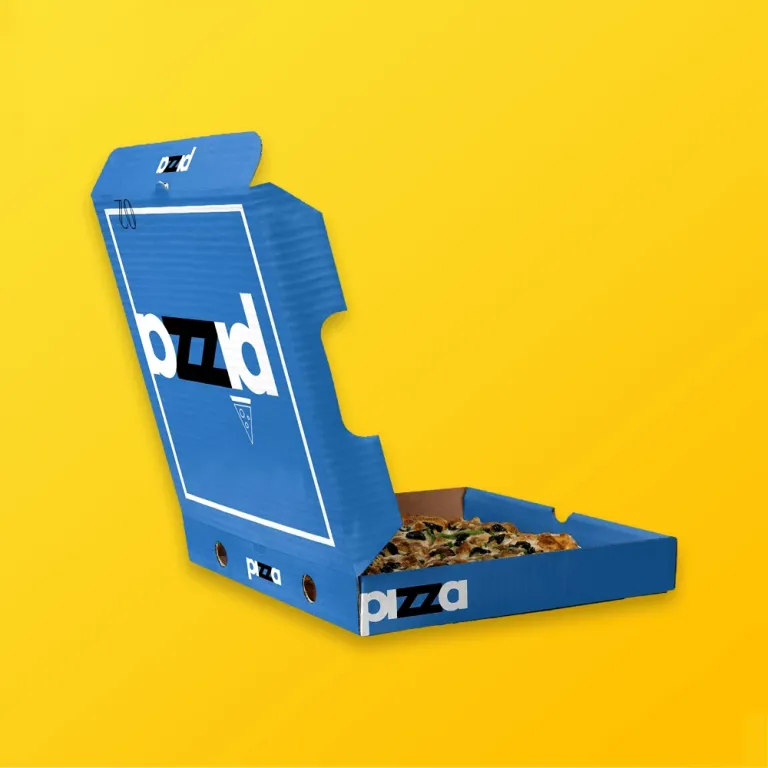
Custom pizza boxes can act as a large brand surface, but every panel has a job. The top panel usually carries the strongest visual identity. Side panels can hold the website, ordering route, social handle, or a short brand message. The interior can be useful for a surprise message or reheating guidance when the ink and substrate are appropriate for the intended use.
Decide whether the design needs one or two spot colors, flexographic printing, digital printing, or offset printing. Short runs and variable artwork may favor a different process from a large, repeatable program. Full-color photographic artwork needs attention to substrate tone, trapping, registration, contrast, and the way a corrugated surface affects fine detail.
Prepare production artwork on the approved dieline. Keep essential text away from score lines, glue zones, vents, lock tabs, and curved or irregular edges. Confirm bleed, safe areas, color references, barcode readability if relevant, and whether white ink is available on kraft or dark substrates. Brisk's guide to preparing artwork files for custom packaging can help organize the prepress handoff, while CMYK vs Pantone for packaging covers color-selection considerations.
7. Test stacking, bag loading, and delivery
A box can perform well on a counter and fail after several minutes inside a loaded delivery bag. Test the complete handling sequence with the real pizza: cutting, boxing, stacking, carrying, vehicle loading, route simulation, and opening at the destination.
Include more than one box in the trial. Test the expected maximum stack, a mixed-size order, a bag that also contains drinks or sides, and the most demanding menu item. Look for lid contact with cheese, corner collapse, sliding, oil marks, sauce leakage, soft bottom panels, and difficulty removing one box without disturbing the others.
Photograph the pizza immediately after packing and at planned checkpoints. Record the actual route conditions and whether boxes were kept level. This is not a substitute for food-safety procedures or qualified advice, but it gives the packaging team evidence about structural and presentation behavior. If the result is poor, change one variable at a time: flute, caliper, vent pattern, liner, internal size, stack height, or bag arrangement.
8. Understand cost and ordering factors
A custom pizza box quote is shaped by more than the printed logo. Relevant factors include:
- Internal length, width, and height;
- Board grade, caliper, flute, and white or kraft outer surface;
- Die-cut complexity, lock style, vent pattern, and special shape;
- Number of print colors, coverage, sides, and finishing requirements;
- Grease-resistant liner, pad, insert, or other food-contact component;
- Quantity by size and artwork version;
- Sample or prototype requirements;
- Packing format, cartons, shipping destination, and requested schedule.
Do not compare quotes using unit price alone. Ask whether the same dimensions, material, printing process, tooling, packaging format, and delivery terms are included. A box that is cheaper per unit but slower to assemble or unstable in a delivery stack may create a larger operational cost.
For a useful request, send the supplier your pizza measurements, photos of the packed product, target quantities by size, material preference, print files or brand assets, delivery destination, required launch date, and test questions. Request a dieline, a physical sample, and confirmation of the proposed food-contact system before approving a production run. Request a Brisk quote or ask the packaging team to review the application.
Pizza box quote checklist
Before contacting a packaging specialist, prepare:
- Pizza style and menu SKU;
- Internal dimensions and maximum topping height;
- Crust, pan, liner, separator, and cut configuration;
- Expected order quantity by size and artwork version;
- Preferred board or a request for material recommendations;
- Required flute or structural performance questions;
- Grease, venting, and food-contact requirements to confirm;
- Print colors, logo files, promotions, and information panels;
- Delivery bag dimensions and typical stack height;
- Sample, dieline, testing, shipping destination, and target schedule.
FAQ
What material is best for custom pizza boxes?
There is no universal best material. Corrugated constructions are worth evaluating for wide spans, heavier pies, and stacked delivery. E-flute, B-flute, microflute, kraft board, and SBS paperboard each create different trade-offs in rigidity, print surface, folding, storage, and cost. Choose after reviewing the actual pizza and testing a production-representative sample.
How do I stop a pizza box from becoming soggy?
Start by controlling the variables that create moisture: pizza recipe, packing temperature, liner contact, venting, hold time, and delivery bag conditions. A supplier can help evaluate vent patterns and grease barriers, but the final design should be tested with the actual pizza and route. Do not assume that sealing every opening will improve the result.
Can custom pizza boxes include a logo and full-color printing?
Yes, custom pizza packaging can be designed with a logo, brand colors, promotional artwork, and information panels. The suitable print process depends on quantity, substrate, image detail, color targets, and whether the exterior is white, coated, kraft, or corrugated. Approve a proof on the proposed material before production.
Should every pizza size have a separate box?
Usually, a box should be matched to the pizza size and height closely enough to prevent movement and lid contact. Some menus may use a compatible family of sizes, but forcing multiple pizzas into one oversized box can affect handling, stacking, and presentation. Test the smallest and largest product that the proposed box will hold.
What should I send when requesting a quote?
Send the pizza dimensions, photos, menu variations, quantities, material or flute preference, print requirements, delivery destination, bag and stacking information, schedule, and any grease or venting concerns. Ask for a sample, dieline review, written material details, and confirmation of the proposed food-contact system.
How can Brisk help with custom pizza boxes?
Brisk can review your dimensions, artwork, structure, material options, and sample requirements for a project-specific recommendation. Visit the Custom Pizza Boxes with Logo page, request samples, or contact the packaging team for a quote and dieline discussion.
Final takeaway
Choose custom pizza boxes as part of the full service system: pizza geometry, board and flute, grease control, steam release, printing, kitchen assembly, stacking, delivery bags, and route testing. A clear brief and a real packed sample will reveal more than a generic box specification. When you are ready, send Brisk your dimensions, artwork, quantities, and operating conditions for sample and quote guidance.