Choosing custom wholesale boxes requires balancing per-unit manufacturing economics, structural performance, warehouse storage footprint, and freight logistics. When transitioning from small short-run digital batches to high-volume commercial production, the procurement process shifts dramatically. Bulk packaging decisions involve tooling amortization, die-cutting press setup, sheet yields, palletization efficiency, and moisture-resistant board grades. The objective is to secure the lowest landed cost per unit while ensuring zero transit failure and consistent retail presentation across thousands of cartons.
This guide is designed for purchasing directors, supply chain managers, ecommerce operators, and expanding brand founders who are evaluating wholesale packaging orders between 500 and 50,000+ units. It provides actionable engineering criteria, material comparisons, unit cost breakdown formulas, and a comprehensive quote checklist to streamline your procurement workflow through Brisk Packaging.
Search intent and wholesale procurement context
A buyer searching for how to choose custom wholesale boxes is rarely looking for introductory branding theory. They need concrete answers to operational questions: How steep are the volume price breaks between 1,000, 5,000, and 20,000 units? When does litho-lamination become more cost-effective than digital printing? How do board caliper and flute selection impact pallet stacking limits in high-bay racking? What quality control measures prevent batch defects across large print runs?
Competitor articles often provide vague marketing platitudes without addressing the real variables that drive wholesale manufacturing costs. This article fills that gap by analyzing the mechanics of industrial box production, tooling amortization, freight logistics, and quality assurance.
To support your specific packaging program, explore dedicated product lines in the Brisk catalog:
- Custom Wholesale Corrugated Boxes for durable bulk parcel and master carton distribution.
- Custom Wholesale Rigid Boxes for luxury retail, gift assortments, and premium product lines.
- Custom Wholesale Shipping Boxes for high-strength supply chain logistics.
- Custom Wholesale Kraft Boxes for eco-friendly, natural-fiber folding cartons.
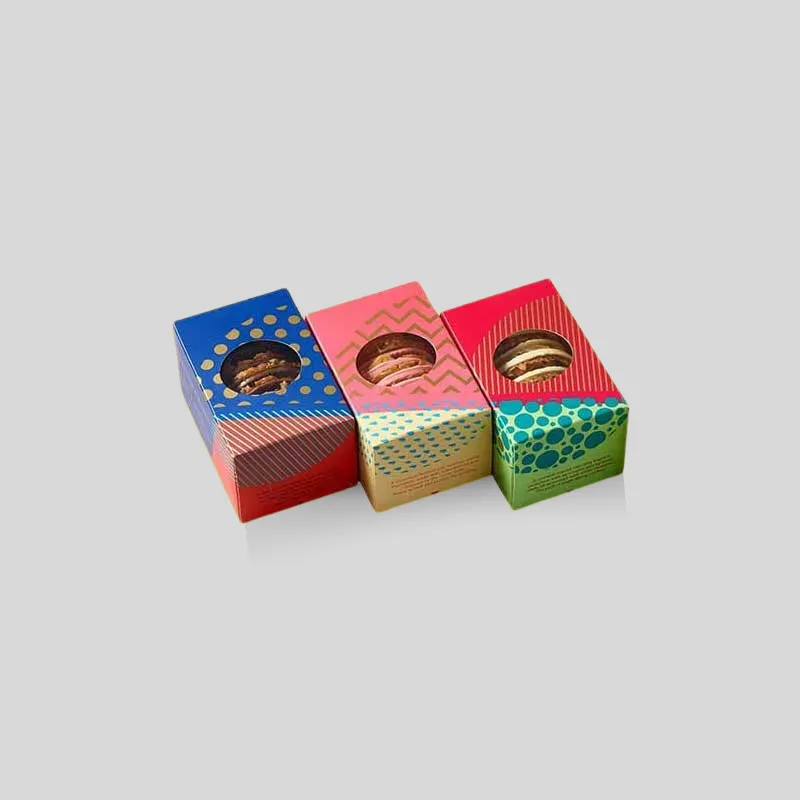
- Custom Wholesale Bakery Boxes and Custom Wholesale Food Boxes for food-contact approved commercial food service packaging.
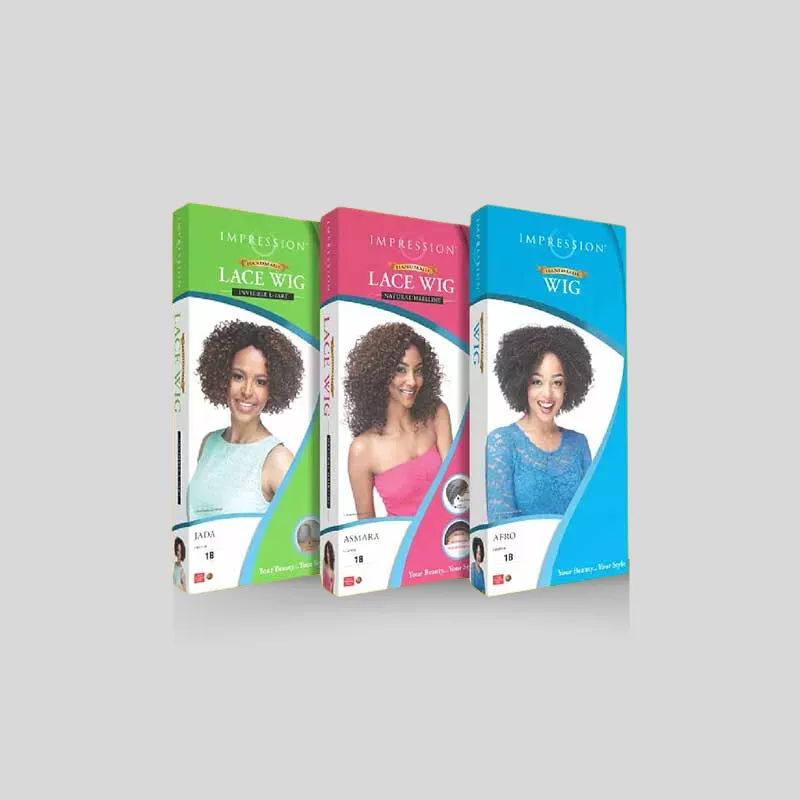
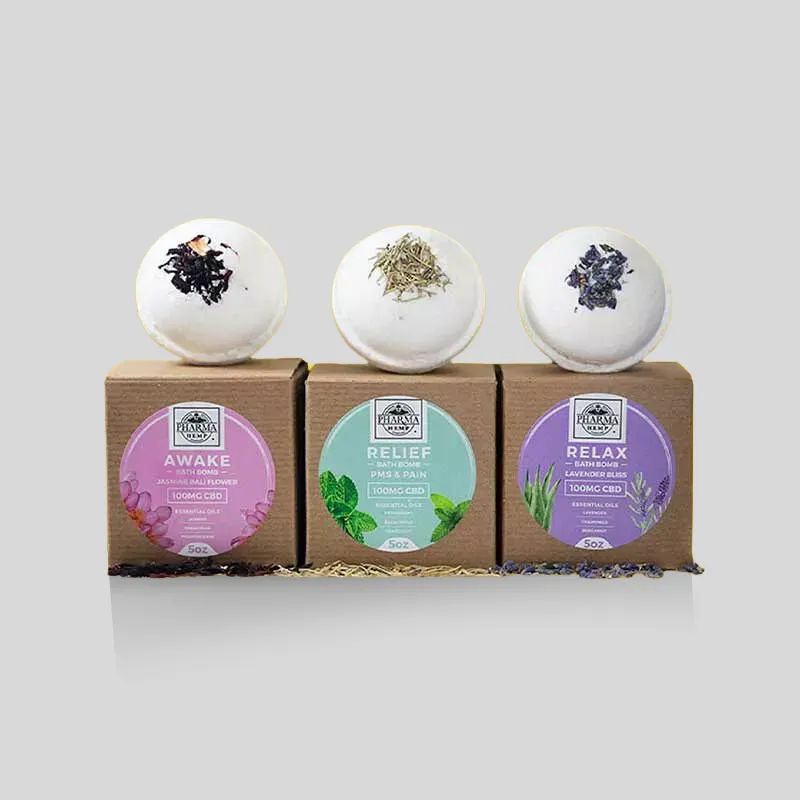
- Custom Wholesale Hair Extension Boxes and Custom Wholesale Bath Bomb Boxes for specialized retail and cosmetic programs.
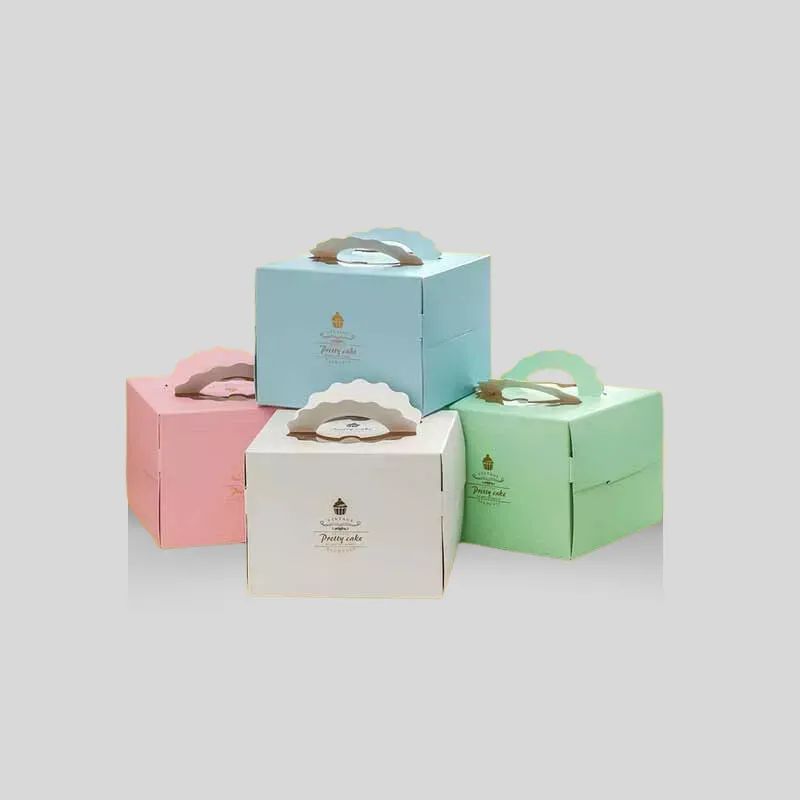
- Custom Wholesale Cake Boxes for heavy-duty structural bakery needs.
- Our full Wholesale Boxes Category and comprehensive products catalog.
If you are ready to review pricing tiers for an active project, you can submit your specifications directly through our custom quote form or reach out to our team via contact.
---
When to transition from short-run to custom wholesale orders
Understanding when to scale into wholesale order volumes prevents both cash flow strain and overpaying on per-unit unit costs.
``` Short-Run Production (50 - 500 units) ├── Method: Digital Print + CNC Knife Cutting ├── Tooling: $0 (No dies, no plates) ├── Unit Cost: High └── Ideal for: Prototypes, seasonal pilots, seed rounds
Wholesale Commercial Production (1,000 - 50,000+ units) ├── Method: Offset / Litho-Lam / Flexo + Steel-Rule Die Cutting ├── Tooling: Fixed upfront die & plate setup ├── Unit Cost: Substantially lower via sheet yields & machine speed └── Ideal for: Active retail distribution, high-volume ecommerce, multi-store rollouts ```
You should transition into wholesale custom box manufacturing when:
- Your monthly box consumption exceeds 500 units consistently. Digital short-run pricing carries a premium per unit because digital presses run at slower linear speeds and sheet material costs are higher.
- You require custom specialty structural features. High-speed automated die-cutters handle intricate locking tabs, friction-fit inserts, perforations, and precise scoring that CNC cutting plotters cannot produce economically at scale.
- You need exact Pantone (PMS) brand matching. Offset and flexographic presses allow direct spot-ink blending, ensuring precise color fidelity across recurring production runs that digital four-color process cannot always replicate identically.
- You are optimizing pallet and container freight. Custom-tailored carton dimensions eliminate dead air, allowing more units per pallet tier and reducing Less-Than-Truckload (LTL) and Full-Truckload (FTL) transportation expenses.
- You need specialty protective coatings or luxury finishes. Large-format roll and sheet presses apply all-over aqueous (AQ) sealers, soft-touch laminates, UV spot gloss, and foil stamping inline at fractional per-unit costs.

---
Wholesale packaging structures and substrate selection
Selecting the correct board substrate and structural style determines package durability, aesthetic finish, assembly speed, and overall freight density.
1. Corrugated board for shipping and master distribution
Corrugated board consists of fluted medium sandwiched between flat inner and outer linerboards. It is the global standard for outer shipping cartons, ecommerce mailers, and palletized bulk transport.
| Corrugated Flute Grade | Approximate Thickness | Flutes per Linear Foot | Best Application in Wholesale Orders | | :--- | :--- | :--- | :--- | | E-Flute | ~1/16 in (1.5 mm) | 90 ± 4 | Retail mailers, cosmetic subscription boxes, high-resolution direct print | | B-Flute | ~1/8 in (3.0 mm) | 47 ± 3 | Heavy retail mailers, canned food trays, wrap-around blanks, impact resistance | | C-Flute | ~11/64 in (4.0 mm) | 39 ± 3 | Standard RSC shipping cartons, master cartons, warehouse stacking strength | | EB Double-Wall | ~3/16 in (4.8 mm) | Combined E+B | Heavy hardware, bulk industrial components, export shipping crates |
For wholesale corrugated shipping boxes, review the Edge Crush Test (ECT) rating rather than just burst strength. A 32 ECT single-wall box handles up to 35 lbs of distributed load in moderate stacking conditions, while a 44 ECT single-wall or 51 ECT double-wall box is recommended for bottom-tier warehouse pallet racking.
For detailed engineering comparisons on flute profiles and bursting strength, consult our Custom Corrugated Cardboard Boxes Guide and Paperboard vs Corrugated Packaging Guide.
2. Paperboard folding cartons for primary retail packaging
Folding cartons are manufactured from single-layer paperboard sheets ranging from 14 pt (0.014 in) to 28 pt (0.028 in) in caliper. They ship completely flat, occupying minimal warehouse space.
- Solid Bleached Sulfate (SBS): Premium 100% virgin bleached hardwood and softwood fiber with a smooth white clay coating on one or both sides (C1S or C2S). Offers superior brightness, high structural rigidity, and razor-sharp color rendering for cosmetics, pharmaceuticals, food, and luxury retail.
- Coated Unbleached Kraft (CUK / SUS): Made from virgin unbleached kraft fibers with a white clay top coating. Provides high tear resistance and puncture durability for heavy hardware, beverage multi-packs, and bottle cartons.
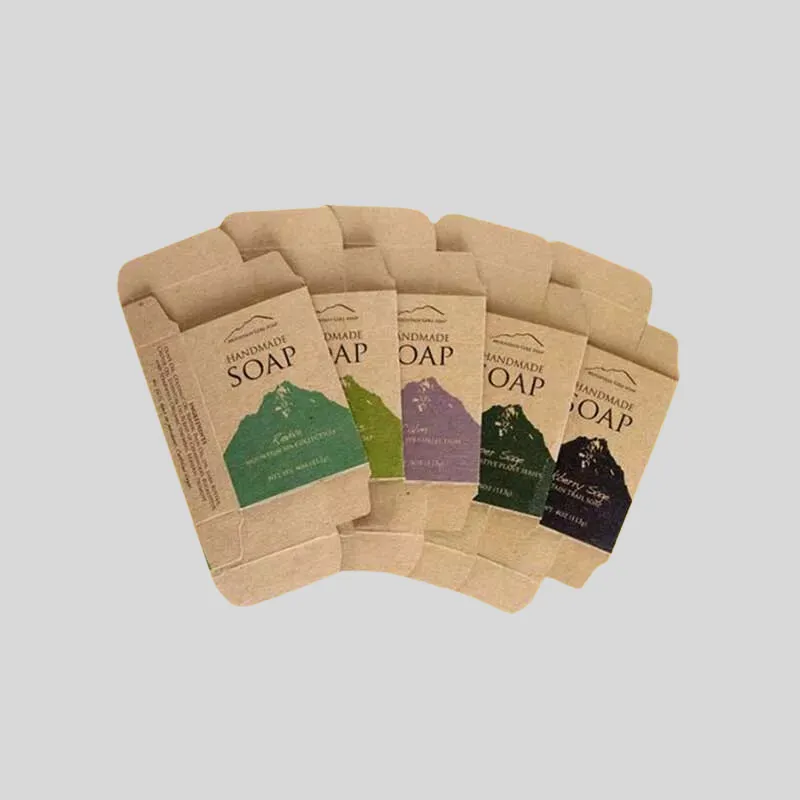
- Natural Kraft Paperboard: Unbleached brown board offering a raw, organic texture and strong eco-friendly appeal. Widely used for organic personal care, artisanal food, and sustainable lifestyle products. Explore our Custom Wholesale Kraft Boxes.
- Clay Coated News Back (CCNB / CRB): Recycled board containing post-consumer newsprint and recovered fibers with a white clay coated top side and grey interior. A cost-effective solution for dry goods, secondary packaging, and hardware where virgin interior brightness is not required.
3. Rigid setup boxes for premium retail and presentation sets
Rigid setup boxes are constructed by wrapping a printed and laminated paper wrap around heavy 60 pt to 120 pt chipboard (greyboard). Unlike folding cartons, rigid boxes maintain a three-dimensional form and do not fold flat.
- Volume Considerations: In wholesale quantities (1,000+ units), rigid boxes require substantial warehouse volume. However, automated rigid box wrapping machines significantly reduce labor costs per unit compared to semi-manual assembly.
- Structural Formats: Two-piece lid-and-base, shoulder-and-neck boxes, book-style magnetic closure boxes, and sliding drawer cartons.
- Applications: High-end beauty collections, jewelry, electronics, premium spirits, and PR launch kits. Explore options at Custom Wholesale Rigid Boxes.
---
Unit economics: volume tiers, tooling amortization, and cost curves
Understanding the cost equation in custom packaging allows you to pinpoint the most economical order quantity for your inventory forecast.
`` Total Manufacturing Cost = Fixed Tooling & Setup Costs + (Variable Cost per Unit × Quantity) Unit Cost = (Fixed Tooling & Setup Costs / Quantity) + Variable Cost per Unit ``
`` Cost per Unit ($) │ 10.00 ┼──● Short-Run Digital ($8.50) 8.00 ┤ 6.00 ┤ ● 1,000 units ($3.80) 4.00 ┤ ● 2,500 units ($2.10) 2.00 ┤ ● 5,000 units ($1.45) 1.00 ┤ ● 10,000 units ($0.95) 0.00 ┼───┴──────────┴──────────┴──────────┴──────────┴──── 50 1,000 2,500 5,000 10,000+ Quantity ``
1. Fixed setup costs and tooling amortization
Industrial production lines require setup time and physical tooling before the first carton is cut:
- Steel-Rule Cutting Die: A hardwood die board fitted with laser-cut steel cutting rules, creasing rules, and perforating blades. Die costs are a one-time charge amortized across the run. On an order of 500 boxes, a $400 die adds $0.80 per unit. On an order of 10,000 boxes, that same die adds only $0.04 per unit.
- Flexographic / Offset Printing Plates: Flexographic printing requires polymer printing plates for each ink color (CMYK + spot colors). Offset printing uses aluminum CTP (computer-to-plate) plates.
- Press Make-Ready: Setting up ink fountain keys, registering color plates, aligning die stations, and adjusting folder-gluer belts typically takes 30 to 90 minutes. During this setup, 50 to 150 test sheets (make-ready waste) are consumed to dial in perfect registration and color density.
2. Variable material and machine speed efficiencies
Once the press is calibrated, modern commercial presses operate at high linear speeds:
- Sheet-fed offset presses run at 10,000 to 18,000 sheets per hour.
- High-speed folder-gluers fold and apply hot-melt or cold-set adhesives at up to 40,000 cartons per hour.
- Paperboard and corrugated linerboard suppliers provide volume discounts when raw master rolls and parent sheets are purchased in bulk tonnages.
3. Comparing volume tier break points
When evaluating wholesale packaging quotes, request pricing across multiple quantity tiers (e.g., 1,000 / 2,500 / 5,000 / 10,000 / 25,000). You will frequently discover that increasing your order from 2,500 to 5,000 units increases total spend by only 30% to 40% while reducing your per-unit cost by nearly half, providing substantial margin relief.
---
Printing methods for large-scale production
Choosing the right printing technology ensures high visual fidelity while keeping production costs aligned with volume requirements.
`` Wholesale Printing Options: ├── Sheet-Fed Offset Lithography │ ├── Best for: Folding cartons, rigid box wraps, litho-lam corrugated │ ├── Color: 4-color CMYK + spot Pantone (PMS), high line screen (175 - 200 LPI) │ └── Advantage: Superior halftone clarity, rich solid ink densities ├── Direct Flexography (Flexo) │ ├── Best for: Corrugated shipping cartons, retail master boxes, industrial shippers │ ├── Color: 1 to 4 spot ink colors printed directly on corrugated linerboard │ └── Advantage: Lowest cost for large-run outer carton branding └── Digital Printing (High-Speed Inkjet / Toner) ├── Best for: Short runs, variable data, multi-SKU versioning under 1,000 units └── Advantage: Zero plate fees, fast turnaround, economical for testing new SKUs ``
Coating and finish durability for bulk handling
Bulk packaging must withstand vibration, friction, and scuffing during warehouse handling and cross-country transit.
- All-Over Aqueous (AQ) Coating: A fast-drying, water-based varnish applied inline on offset presses. Provides basic scuff resistance and smudge protection at minimal cost.
- UV Gloss / Matte Varnish: Cured instantly with ultraviolet lamps, creating a high-gloss reflective sheen or smooth satin touch with strong chemical and rub resistance.
- Polypropylene (PP) Film Lamination: A thin plastic film (available in gloss, matte, or velvet soft-touch) thermal-bonded to the paperboard surface. Provides tear resistance, water repellency, and prevents score line cracking on dark, heavy-ink solid backgrounds.
- Spot UV & Foil Stamping: Applied selectively over logos or hero typography to create tactile and visual contrast on premium retail cartons.
For comparison of finishes, refer to our Foil Stamping vs Spot UV Guide and Matte vs Gloss Lamination Guide.
---
Palletization, warehousing, and freight logistics
A common packaging procurement oversight is ignoring freight and warehousing costs. A box that is 10% larger than necessary can increase pallet footprint, inflate shipping rates, and reduce warehouse storage efficiency.
`` Standard GMA Wood Pallet (48 in × 40 in / 1219 mm × 1016 mm) ├── Pallet Ti (Tie): Number of cartons per horizontal layer ├── Pallet Hi (High): Number of layers stacked vertically ├── Total Pallet Load = Ti × Hi └── Stacking Rule: Column stacking maximizes vertical compression; Interlocking brick-stacking adds stability but reduces top-to-bottom strength by 20-30%. ``
Key logistics optimization guidelines
- Optimize Flat-Pack Bundling: Folding cartons and corrugated boxes are shipped flat-packed in strapped master bundles (e.g., 25 or 50 boxes per bundle) or packed in master corrugated cases. Specify bundle quantities that match your packing line's shift requirements.
- Design to Standard Pallet Footprints: Ensure your shipping master carton dimensions nest cleanly onto standard 48" x 40" GMA pallets without overhang (which reduces stacking strength by up to 32%) or excessive underhang (wasted trailer cube).
- Verify Warehouse Humidity and Compression: Standard corrugated board loses up to 50% of its vertical compression strength in high-humidity warehouse environments (80%+ relative humidity). If cartons will be stored in non-climate-controlled distribution hubs, specify higher ECT liners or water-resistant coatings.
- Freight Class & LTL Calculations: Packaging materials ship under specific National Motor Freight Classification (NMFC) codes based on density. Flat-packed paperboard cartons have high density and lower freight classifications than bulky pre-assembled containers.
---
Quality assurance and defect prevention in mass production
When producing 10,000+ cartons, catching errors before mass printing is essential. A single incorrect dimension or misspelled ingredient label multiplies across the entire run.
`` Wholesale Quality Assurance Protocol: ├── Stage 1: Pre-Press File Verification (Dieline overlay, bleed, font outlining, 300 DPI images) ├── Stage 2: Structural Prototyping (Unprinted CAD sample to verify product fit & clearance) ├── Stage 3: Color Proofing (Calibrated digital press proof or wet proof on production stock) ├── Stage 4: Inline Press Checks (Densitometer color density, registration, score line folding test) └── Stage 5: Post-Production Lot Sampling (Glue bond fiber tear test, barcode ISO scan verification) ``
Critical QA checkpoints:
- Dieline Clearances: Ensure internal dimensions account for paperboard thickness and fold-over clearances. For rigid inserts, verify that cavities hold products securely without excessive pinching.
- Barcode & 2D Code Verification: Test barcodes with a verification scanner to ensure ANSI/ISO grades of A or B. Verify minimum quiet zones (margins) around UPC and QR codes.
- Fiber Tear Glue Testing: On auto-bottom and side-glued cartons, test that the adhesive forms a permanent substrate fiber tear bond rather than a surface peel failure.
---
Common wholesale packaging procurement mistakes
Avoid these common pitfalls when ordering wholesale custom packaging:
- Ordering based on external rather than internal dimensions: Custom box dies are engineered using interior usable dimensions ($L \times W \times D$). Supplying exterior dimensions can result in cartons that are too tight for your product or primary containers.
- Ignoring score line cracking on heavy ink coverage: When dark solid ink crosses a fold or crease line, unlaminated coated paperboard can exhibit micro-cracking where white fibers show through. Specify film lamination or creasing rule adjustments to eliminate cracking.
- Failing to plan for seasonal lead-time spikes: Standard commercial production turnaround is typically 8 to 12 business days following proof approval. However, during Q3/Q4 holiday peak seasons, raw material mills and freight carriers face extended lead times. Plan wholesale reorders 4 to 6 weeks ahead of peak fulfillment cycles.
- Neglecting assembly ergonomics: If your fulfillment team manually erects thousands of boxes daily, standard tuck-bottom cartons can slow packing throughput. Switching to an auto-lock bottom carton erects in one second flat, saving hundreds of labor hours across high-volume runs.
- Over-ordering multiple SKUs without gang-run optimization: If you have multiple product variants sharing identical box dimensions and board substrates, ask your packaging partner if they can be gang-printed on the same sheet layout to share tooling and make-ready costs.
---
Wholesale packaging quote checklist
Before requesting a formal wholesale quote from Brisk Packaging, compile the following specifications to receive the fastest, most accurate pricing tiers:
- [ ] Internal Box Dimensions: Exact Length $\times$ Width $\times$ Depth (in inches or millimeters).
- [ ] Structural Style: Straight tuck, reverse tuck, auto-lock bottom, roll end tuck top (RETT), two-piece rigid box, or regular slotted container (RSC).
- [ ] Substrate & Caliper: Paperboard type (SBS, CUK, Kraft, CCNB) and thickness (16 pt, 18 pt, 24 pt) or Corrugated flute grade (E, B, C, EB double-wall) and ECT rating.
- [ ] Order Quantity Tiers: Specify target volume tiers (e.g., 1,000, 2,500, 5,000, 10,000 units) to compare price break curves.
- [ ] Printing Specifications: Exterior print (CMYK, spot PMS count), interior print (unprinted kraft/white vs full flood print), and artwork coverage percentage.
- [ ] Protective Coating & Finishes: Gloss/matte aqueous coating, soft-touch film lamination, spot UV, or metallic foil stamping.
- [ ] Inserts & Add-Ons: Custom foam inserts, die-cut corrugated dividers, clear PVC/PET display windows, or magnetic closures.
- [ ] Packaging & Palletizing Requirements: Flat-packed bundled quantities, master carton packing specs, pallet stretch wrapping, or specific pallet height limits.
- [ ] Delivery Destination & Timeline: Receiving dock capabilities (dock height, liftgate requirement, commercial vs residential address) and required in-hands delivery date.
To get started with free dieline templates and volume pricing, submit your details through our online quote builder or speak directly with our packaging specialists.
---
FAQ
What is the minimum order quantity (MOQ) for custom wholesale boxes at Brisk Packaging?
Our standard minimum order quantity for custom wholesale production starts at 100 units for select folding cartons and corrugated mailers, with commercial volume price breaks accelerating significantly at 500, 1,000, 2,500, 5,000, and 10,000+ units.
Are there separate die plate or setup charges on wholesale orders?
Brisk Packaging provides transparent pricing with no hidden die plate charges or setup fees. Tooling and production preparation are integrated into your quote, ensuring clear per-unit budgeting without unexpected invoices.
How long does wholesale custom box production take?
Standard production turnaround is typically 8 to 10 business days following digital artwork proof approval. Rush production schedules (5 to 7 business days) are available for urgent timeframes. Transit time varies between 2 to 5 business days depending on your delivery location and freight mode (parcel vs LTL pallet freight).
Can I order a physical prototype before approving a full 10,000-unit run?
Yes. We strongly recommend sampling for large wholesale programs. You can review a 3D digital proof, request an unprinted structural CAD prototype to confirm physical product fit, or order a hard-copy printed proof to inspect color fidelity and finish quality before initiating full-scale manufacturing.
Can I split a wholesale order across multiple product SKUs?
Yes. If your product variants share the same box dimensions, material substrate, and structural style, they can frequently be grouped into a single production run. This allows you to leverage volume tier pricing across multiple SKUs while maintaining individual artwork designs.
How are wholesale boxes packaged for shipment?
Unless otherwise specified, folding cartons and corrugated boxes are shipped flat-packed in securely strapped master bundles and palletized with edge protectors and moisture-barrier stretch wrap. This protects cartons from transit scuffing while optimizing trailer space. Rigid setup boxes are packed in protective master cartons.
What artwork file format is required for wholesale packaging production?
Artwork should be submitted in vector format (Adobe Illustrator .AI or print-ready vector .PDF) placed directly onto the verified Brisk dieline layer. All fonts must be outlined, images embedded at a minimum resolution of 300 DPI in CMYK color mode, and background graphics extended to the 1/8" (0.125 in / 3 mm) bleed line.