Choose paperboard packaging when your priority is a compact retail carton with sharp graphics, clean folds, and close product fit. Choose corrugated packaging when the box must handle ecommerce shipping, stacking, heavier contents, subscription kits, or added cushioning. Many brands need both: a paperboard folding carton for shelf presentation and a corrugated mailer or shipping carton for transit protection.
This guide compares paperboard vs corrugated packaging for product teams preparing a custom box quote. The goal is not to declare one material better. It is to match the board, structure, print method, finish, and insert system to the product’s sales channel and handling risk.
Quick comparison: paperboard vs corrugated packaging
Paperboard is a solid paper-based sheet used for folding cartons, sleeves, display sleeves, tags, and some wrapped rigid-box components. Corrugated board is made with flat liners and a fluted medium between them. The flutes create spacing and columns that help the board resist bending, stacking pressure, and handling impact.
Use this fast decision guide before reviewing the details:
- Retail shelf product: paperboard folding cartons usually deserve the first look.
- Direct-to-consumer shipping: corrugated mailers or shipping cartons are usually more practical.
- Small lightweight products: paperboard can be efficient when the package does not ship alone.
- Heavy, fragile, or multi-item products: corrugated plus a fitted insert may be safer.
- Premium close-up graphics: coated paperboard can provide a smooth print surface.
- Branded ecommerce unboxing: printed corrugated mailers can balance protection and presentation.
- Retail and ecommerce together: use a paperboard primary carton inside a corrugated outer shipper.
The packaging should be chosen around the product journey. A carton that looks excellent on a shelf may be underbuilt for parcel handling. A strong corrugated shipper may be bulkier than needed for a small unit that will sit inside a master case.
What paperboard packaging is best for
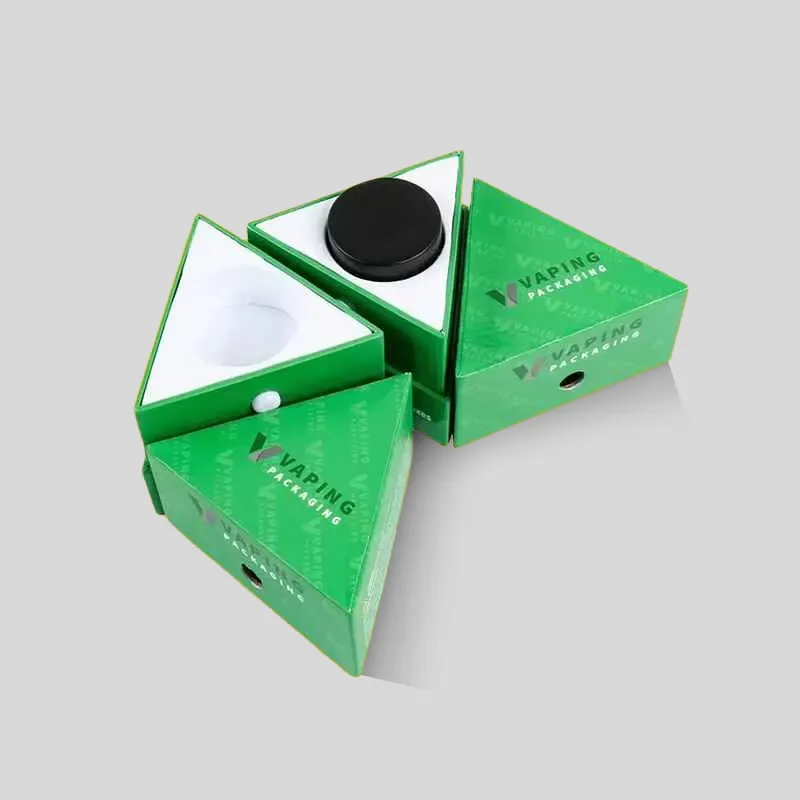
Paperboard packaging is typically unfluted. It can be die cut, creased, folded, glued, and printed into a variety of compact formats. The most familiar example is the folding carton used for cosmetics, supplements, candles, retail food items, small electronics accessories, and personal-care products.
Brisk’s Custom Folding Carton Boxes are a relevant example for brands that need retail presentation, printable panels, and a compact carton format.

Paperboard is often a strong fit when:
- The product is lightweight or already supported by its own container.
- The package will sit on a retail shelf, counter, or display tray.
- The box must carry fine typography, ingredient panels, barcodes, and brand graphics.
- The brand needs a compact format that ships flat before assembly.
- The product will be transported in an outer corrugated case rather than mailed by itself.
The main weakness is structural protection. A folding carton can protect against dust, scuffs, and light handling, but it is not normally intended to act as the only parcel-shipping container. Fragile glass, heavy jars, electronics, or multi-part kits may need an insert, a sturdier board, or an outer corrugated package.
What corrugated packaging is best for
Corrugated packaging uses linerboard and a wavy medium called flute. The Fibre Box Association explains that the flutes act like arches; when bonded to liners, they help resist bending and pressure while keeping the liner sheets separated. That construction gives corrugated board a useful strength-to-weight ratio for shipping and storage.
Brisk’s Custom Corrugated Cardboard Mailer Boxes and Custom Corrugated Cardboard Shipping Carton pages show practical ecommerce and transit-focused structures.

Corrugated packaging is usually considered when:
- The box will move through fulfillment, courier, or warehouse handling.
- The product is heavier, more fragile, or sold as a kit.
- Stacking strength matters during storage or shipping.
- The brand needs a mailer, shipper, subscription box, display box, partition, or insert.
- The package needs more clearance around the product for protection.
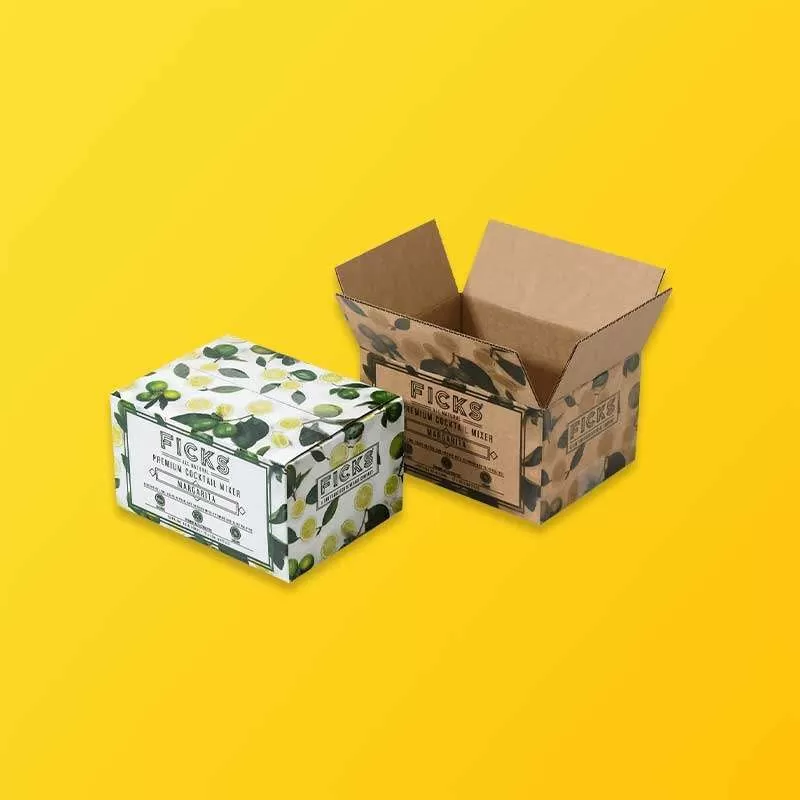
Corrugated is not automatically rough or plain. White liners, E-flute, full-color printing, inside printing, coatings, and litho-laminated top sheets can all improve presentation. Still, the flute, liner color, and board surface affect how detailed artwork reproduces, so samples matter.
Strength and protection: start with the product journey
The most important question is not “which material is premium?” It is “what must the box survive?” A lipstick carton in a retail case, a candle shipped to a customer, and a subscription kit with several items all face different risks.
Paperboard is appropriate when the carton is a primary package for presentation and labeling. It can keep a product organized and branded, but it usually travels inside a larger shipper. Corrugated is appropriate when the package itself must handle stacking, compression, bumps, and carrier handling.
For fragile items, corrugated alone may still not be enough. The product should not rattle inside the box. Consider a paperboard, corrugated, molded pulp, or foam insert depending on product weight, finish sensitivity, and sustainability goals. The insert creates separation from the outer wall and keeps the item from striking corners during movement.
A practical workflow is:
- Identify the product’s weight, dimensions, fragility, and orientation.
- Decide whether the customer sees the same package that ships.
- Choose the primary retail package, outer shipper, or combined structure.
- Add inserts only where they solve fit, presentation, or protection problems.
- Request samples before scaling a new structure.
Print quality and finishing differences
Paperboard often has the smoother surface for close-up graphics. Coated paperboard can support detailed artwork, small text, color gradients, and specialty finishes. That matters for cosmetics, personal care, food, supplements, and other retail categories where shoppers compare products on a shelf.
Corrugated printing depends more heavily on liner, flute, and print method. Kraft liner creates a natural look but changes color appearance. White liner improves contrast. Smaller flutes can create a smoother surface than larger flutes. For premium corrugated graphics, litho lamination can place an offset-printed sheet over corrugated board, combining a refined print layer with more structural board.
Finishes should be chosen as a system rather than as decoration added at the end. Matte lamination can reduce glare. Gloss lamination can increase shine. Foil stamping, embossing, debossing, and Spot UV can highlight a logo or key panel. Each finish affects cost, lead time, artwork setup, recyclability, and sometimes fold or glue behavior.
If you are comparing finish choices, Brisk’s related guides on foil stamping vs Spot UV, matte vs gloss lamination, and embossing vs debossing can help after the base material is selected.
Cost factors that change the right answer
Paperboard can use less material for a compact folding carton, but it is not always cheaper for the complete packaging system. Corrugated can cost more per unit in some structures, but it may reduce damage risk or remove the need for a separate outer shipper in ecommerce. The fair comparison is the delivered cost per usable package that meets the job.
Include these factors in the quote:
- Internal dimensions and flat size.
- Board grade, caliper, flute, liner color, and recycled-content requirements.
- Quantity per design, not only total quantity.
- Print method, ink coverage, inside printing, and color targets.
- Lamination, coating, foil, Spot UV, embossing, or window details.
- Insert material and assembly requirements.
- Packing method, storage space, freight class, and delivery destination.
- Sample, proofing, and testing needs.
- Expected reorder pattern and artwork changes.
Avoid choosing a material from a generic unit-price rule. A paperboard carton plus corrugated shipper may be the correct system for retail and ecommerce. A printed corrugated mailer may be simpler for a direct-to-consumer product that does not need separate shelf packaging. A packaging specialist can price both scenarios if the quote request includes the same dimensions, artwork, quantity, and shipping assumptions.
Sustainability and recyclability considerations
Both paperboard and corrugated are fiber-based and can be designed for paper recycling in many markets, but broad claims should be used carefully. Local rules differ, and features such as plastic windows, heavy laminates, foil layers, magnets, foam, food contamination, or barrier coatings can make recycling more complicated.
A better sustainability question is: what is the lightest practical structure that protects the product and avoids unnecessary replacement shipments? Underbuilt packaging can create waste through damage. Overbuilt packaging can add material, cube, and freight impact. Right-sizing matters as much as the material label.
Ask your supplier about recycled content, responsible sourcing, coating choices, ink systems, and whether decorative components are easy for customers to separate. If you plan to print recyclability language on the box, confirm the claim with the markets where the product will be sold.
When to use both materials together
Many packaging projects are not either-or. Paperboard and corrugated often work together:
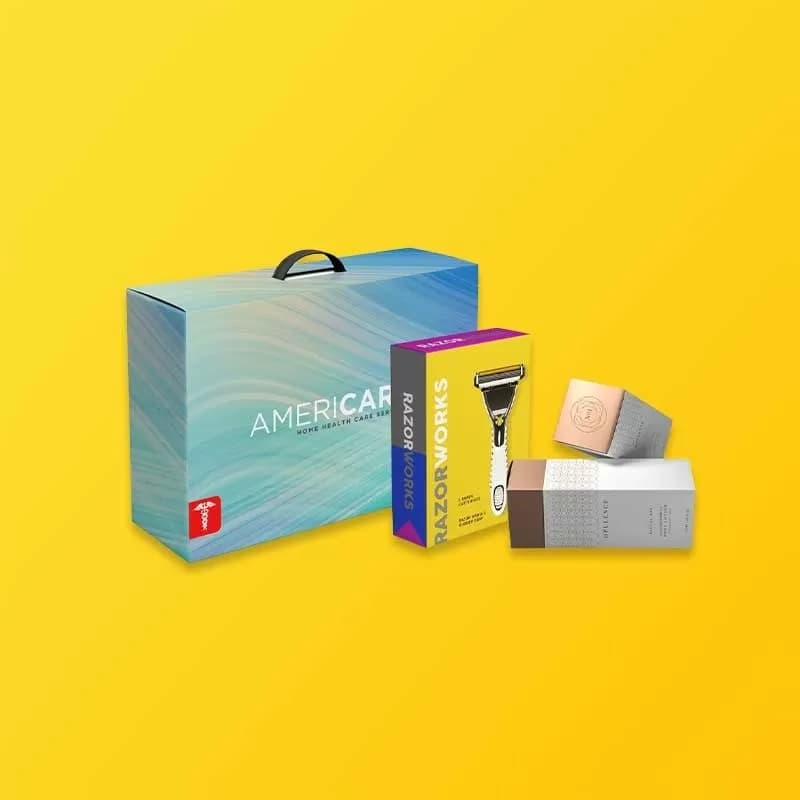
- A cosmetic bottle sits inside a printed paperboard carton, then ships in a corrugated mailer.
- A food product uses a paperboard retail carton, then moves to retailers in corrugated master cases.
- A subscription kit uses a corrugated mailer outside and paperboard sleeves or dividers inside.
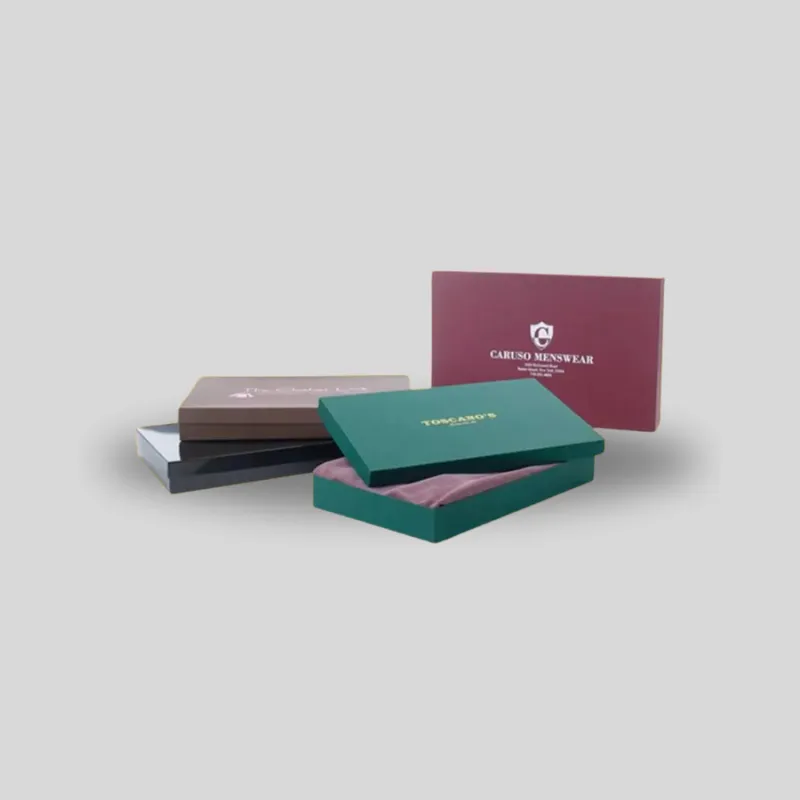
- A premium retail set uses a wrapped rigid box and corrugated shipping protection.
This layered approach lets each material do its best job. The inner paperboard package provides branding, product information, and shelf appeal. The outer corrugated structure handles transit protection and stacking. Inserts connect the two by controlling movement and presentation.
Common mistakes to avoid
The first mistake is using a folding carton as a parcel shipper without enough protection. If the product goes through courier handling, design for that route from the start.
The second mistake is overbuilding every unit because one channel needs extra strength. If the same item sells in stores and online, separate retail and ecommerce packaging may be more efficient.
The third mistake is approving artwork before the material is final. Kraft corrugated, white corrugated, coated paperboard, and recycled paperboard can all shift color and detail. Proof the design on a comparable substrate.
The fourth mistake is ignoring inserts. The box wall is only part of protection. Movement inside the package often causes damage or poor presentation.
The fifth mistake is requesting a quote with missing specifications. “Small custom box” is not enough. The estimator needs dimensions, quantity, material direction, print coverage, finish, product weight, packing method, and destination.
Quote checklist for paperboard vs corrugated packaging
Send Brisk one clear specification so paperboard, corrugated, or hybrid options can be compared fairly:
- Product dimensions, weight, fragility, and sales channel.
- Whether the package ships alone, inside a mailer, or inside a master carton.
- Preferred structure: folding carton, mailer, shipping carton, sleeve, display box, or custom format.
- Internal box dimensions and product orientation.
- Quantity per SKU and expected reorder frequency.
- Material preference: SBS-style paperboard, kraft, white liner, corrugated flute, or recycled-content goal.
- Print requirements: outside only, inside and outside, CMYK, spot color, or white ink.
- Finish requirements: matte, gloss, aqueous coating, foil, Spot UV, embossing, window, or no finish.
- Insert needs: paperboard, corrugated, molded pulp, foam, or no insert.
- Sample, dieline, proofing, and design support requirements.
- Delivery destination, target timeline, and packing method.
Use Brisk’s quote form when the dimensions and quantity are ready. If you still need help selecting the structure, use contact to ask a packaging specialist for material samples, dieline support, and a side-by-side recommendation.
FAQ
Is paperboard the same as cardboard?
People often use “cardboard” casually for many paper-based boxes, but packaging teams usually separate paperboard and corrugated board. Paperboard is typically a solid sheet used for folding cartons and similar retail formats. Corrugated board includes a fluted medium between liners for added structural performance.
Is corrugated packaging always stronger than paperboard?
Corrugated usually provides better stacking and transit performance because of its fluted construction, but strength depends on board grade, flute, box design, product weight, humidity, and packing method. A poorly sized corrugated box can still fail, while a paperboard carton can work well in the right retail use case.
Which material has better print quality?
Coated paperboard often provides the smoother surface for fine retail graphics. Corrugated can still look professional, especially with white liners, smaller flutes, digital printing, or litho lamination. Always review samples using a similar material and print method.
Can I ship a product in a paperboard folding carton?
Usually not by itself unless the product and route have been specifically tested for that use. A folding carton is commonly placed inside a corrugated mailer or shipping carton for ecommerce delivery.
Which is better for ecommerce packaging?
Corrugated mailers and shipping cartons are usually better starting points for ecommerce because they handle transit and stacking better. Some ecommerce brands still use a paperboard inner carton for retail presentation or product information inside the shipper.
Which is more sustainable: paperboard or corrugated?
Neither material is automatically the more responsible choice for every job. The better option depends on product protection, right-sizing, recycled or certified content, coatings, inserts, shipping cube, and local recycling rules. Avoid broad environmental claims unless they are supportable.
Do I need inserts with corrugated packaging?
Not always, but inserts are useful when the product is fragile, irregular, heavy, or sold as a kit. The insert controls movement, protects vulnerable areas, and improves presentation when the customer opens the box.
What should I request before ordering?
Request a dieline, material recommendation, relevant samples, print proof, and a quote that lists structure, board, print, finish, quantity, insert, and shipping assumptions. For important launches, test the package with the actual product before placing a full order.
Choose the material around the job, not the label
Paperboard is ideal for compact retail presentation, detailed graphics, and folding cartons that travel inside protective outer packaging. Corrugated is better for ecommerce mailers, shipping cartons, displays, and products that need more stacking and handling protection. The strongest packaging plan may combine both.
If you are deciding between paperboard and corrugated packaging, send Brisk your product size, weight, channel, quantity, artwork goals, and delivery needs. A packaging specialist can compare structures, provide samples, review dielines, and prepare a custom quote without forcing the wrong material into the job.