



How to choose custom shipping boxes
Shipping boxes carry weight. The decisions that matter are how much the box has to hold, how it will be stacked, and whether anyone will see it. Get the board grade right first; print and finish come second.
Sizes and styles
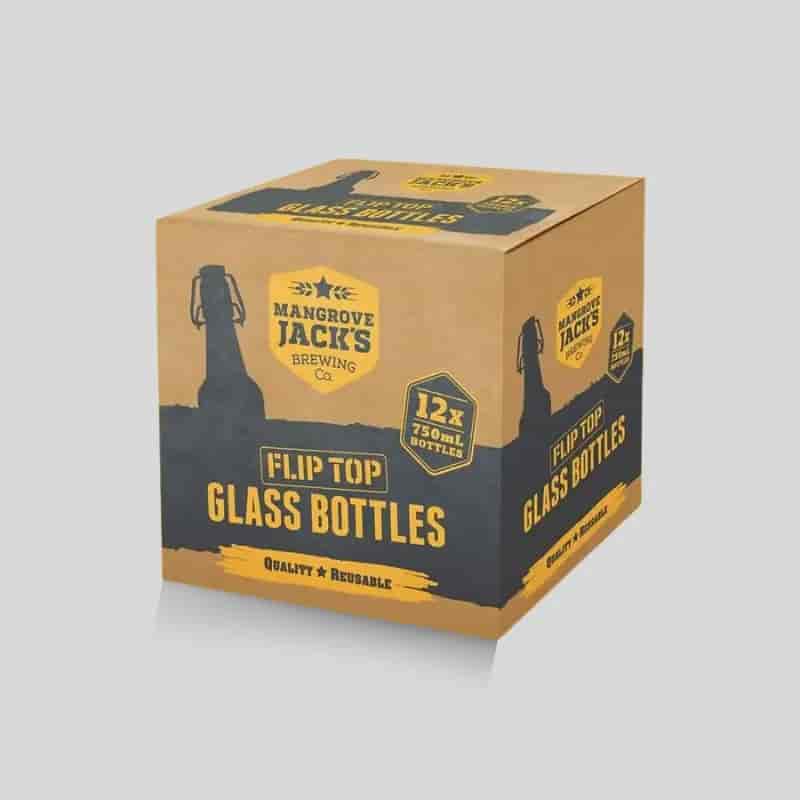
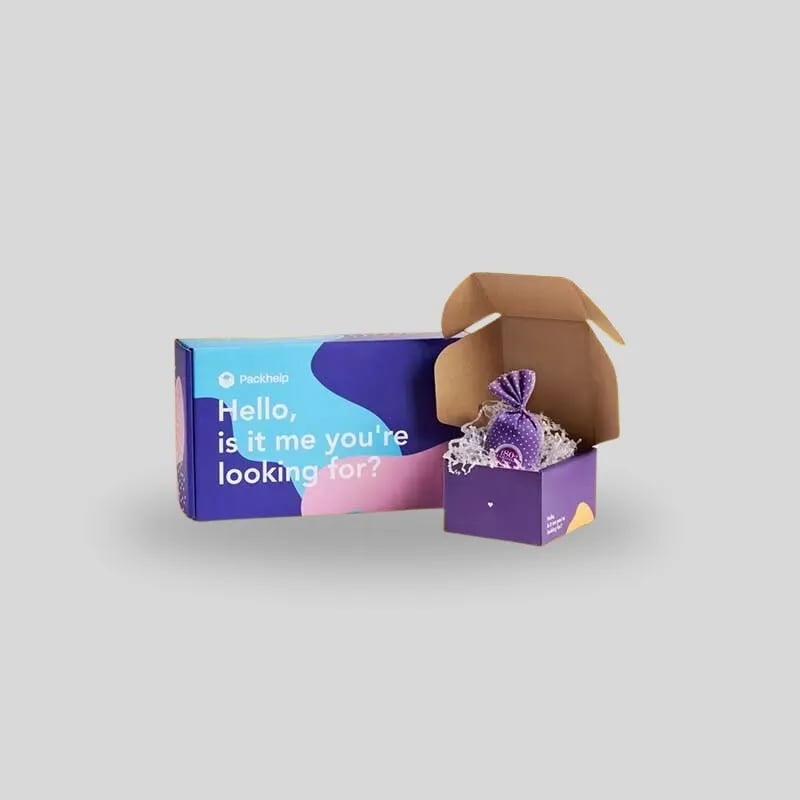
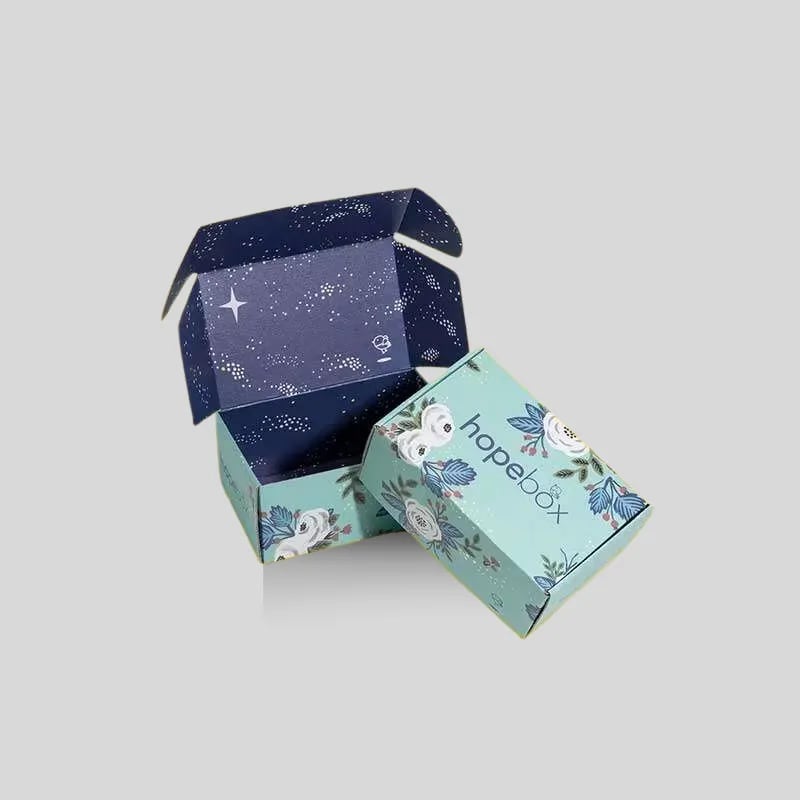
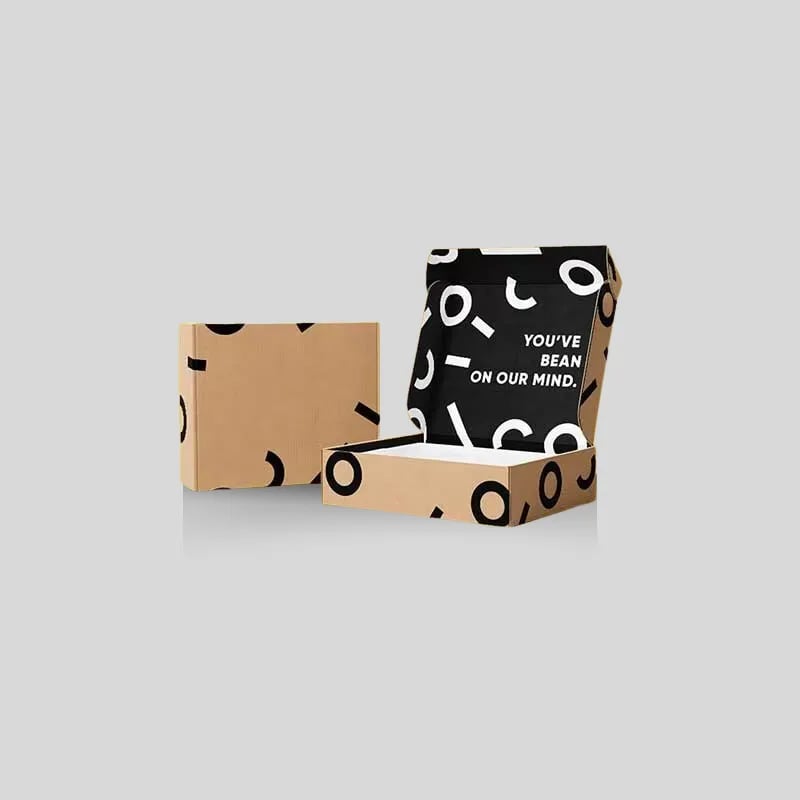
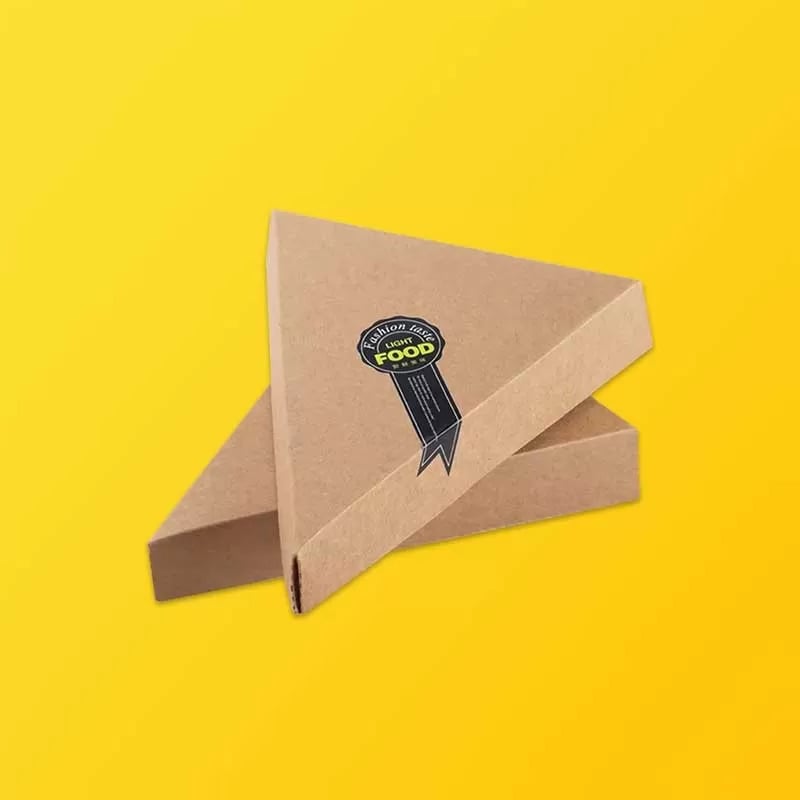
Most shipping boxes are regular slotted cartons: four flaps top and bottom, closed with tape. They are the most efficient use of board and the easiest to pack on a line. For orders that should look branded on arrival, choose printed shipping boxes; for a box that opens like a mailer, choose roll-end shipping boxes. Products with unusual shapes may suit triangle shipping boxes.
Materials
Corrugated board is rated by flute and wall count. Single-wall B- or C-flute covers most e-commerce shipments. Double-wall is for heavy contents, long transit or pallet stacking. Recycled board and plain kraft liners keep cost down when the box doesn't need bright print.
Finishes that work best
Shipping boxes rarely need lamination. One- or two-colour flexo printing of a logo on kraft is the most economical branded option; full-colour printing on white board suits brands that want the outside to sell. Aqueous coating adds light scuff resistance without affecting recycling.
Pricing drivers
Board grade and box size drive most of the cost, then quantity and print coverage. Right-sizing the box usually saves more on shipping than it costs in board, because a smaller box can drop into a cheaper dimensional-weight tier.
Before you order
- Weigh a packed box. The board grade depends on the total weight, not just the product. Include void fill, inserts and paperwork.
- Know how boxes are stacked. Boxes on a pallet or in a warehouse rack carry the weight of everything above them. Tell us the stack height and we will check the board can take it.
- Measure the inside, not the outside. Box sizes are quoted as inside dimensions so the product fits. Board thickness adds to the outside size, which matters for carrier limits.
- Plan the label area. Leave a plain panel for the shipping label and any handling marks so print and labels don't fight for space.
- Think about returns. If customers send products back in the same box, a stronger board or a second tape strip saves you replacing damaged stock.
Minimum order and lead time
Most styles start at 100 units; some specialty styles have a higher minimum, shown on each product page. Production takes 7–10 business days after you approve the digital proof, and US shipping adds 5–7 business days. Rush production in 5–7 business days is available for an additional fee. Every quote includes a free 3D design and dieline, so you can check the structure before you order.
See how to package products for shipping and paperboard vs corrugated.


