To choose cosmetic packaging boxes, start with the exact product dimensions and sales channel, then select a structure, material, insert, print method, and finish that support how the item will be displayed, shipped, and opened. A slim concealer carton, a skincare jar set, and a glass fragrance bottle should not use the same solution. The right choice fits closely, protects vulnerable parts, communicates product information clearly, and stays practical to assemble and reorder.
This guide gives beauty brands a step-by-step way to compare options before requesting a quote. If you already know your product measurements and quantity, explore Brisk's custom cosmetic boxes or speak with a packaging specialist about a suitable structure.
Start with the product, not the decoration
A foil logo or soft-touch surface can improve presentation, but neither can correct a poor fit. Begin by recording the product's maximum length, width, and height in its sale-ready form. Measure the cap, pump, dropper, lid, applicator, and any projecting feature—not only the main container. For a set, sketch the intended arrangement and measure every component.
Also consider the product's physical behavior:
- A glass bottle needs movement control and protection around vulnerable edges.
- A tall, narrow bottle may need a base or neck support so it remains upright.
- A tube can need a compact folding carton with enough clearance at the crimped end.
- A compact or palette benefits from a snug structure that limits rattling and pressure on hinges.
- A jar set may need an insert that creates equal spacing and a deliberate opening sequence.
- A product with a pump or dropper should not carry load on that component.
Measure physical samples from the actual production run whenever possible. Supplier drawings are useful, but real containers can reveal tolerances, labels, seals, or closures that affect the final fit. Ask your packaging supplier to leave practical clearance rather than making the box either tight or unnecessarily large.
Match the structure to the sales channel
Cosmetic packaging often works as a system. The primary container holds the formula. A folding carton or rigid box presents it. An ecommerce mailer or shipping carton protects it through delivery. Trying to make one layer perform every job can create avoidable cost or damage.
Folding cartons for individual retail products
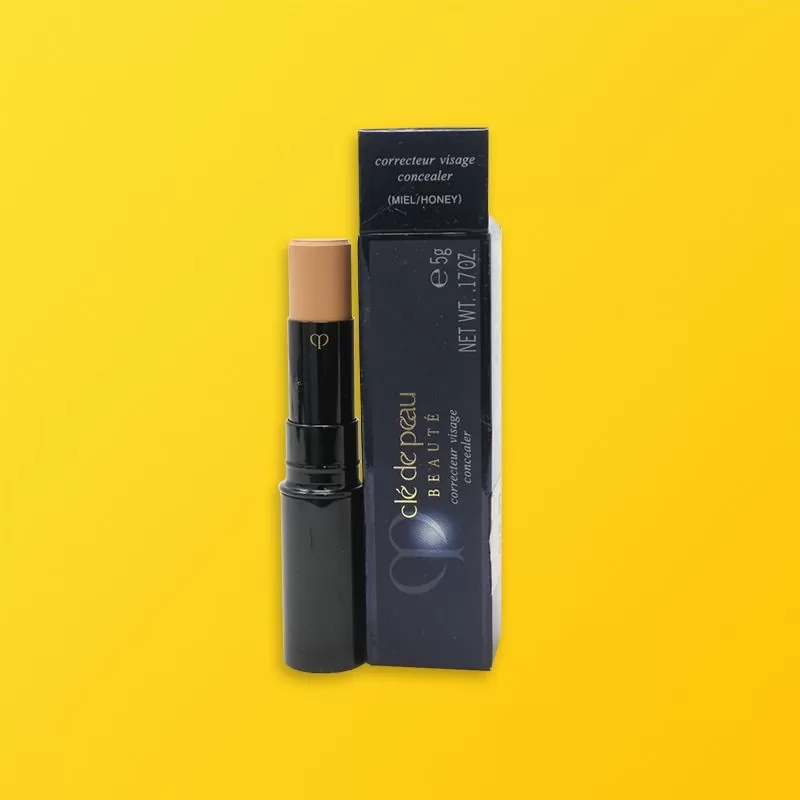
Folding cartons are a practical starting point for lipstick, concealer, serum, cream, soap, lotion, small jars, and many other single retail products. They ship flat before packing, provide a useful printable surface, and can be sized closely around the container.
A straight-tuck or reverse-tuck carton is familiar and efficient for many lightweight products. Auto-bottom or lock-bottom structures can help when the item is heavier or the packing team needs faster setup. Window cartons can reveal a shade or container, but the opening, film, and reduced board area must be considered during structural testing.
Brisk's custom makeup boxes illustrate the range available within printed cosmetic cartons. The right style depends less on a trend and more on product weight, opening direction, shelf display, and packing method.
Rigid boxes for sets, gifts, and premium presentation
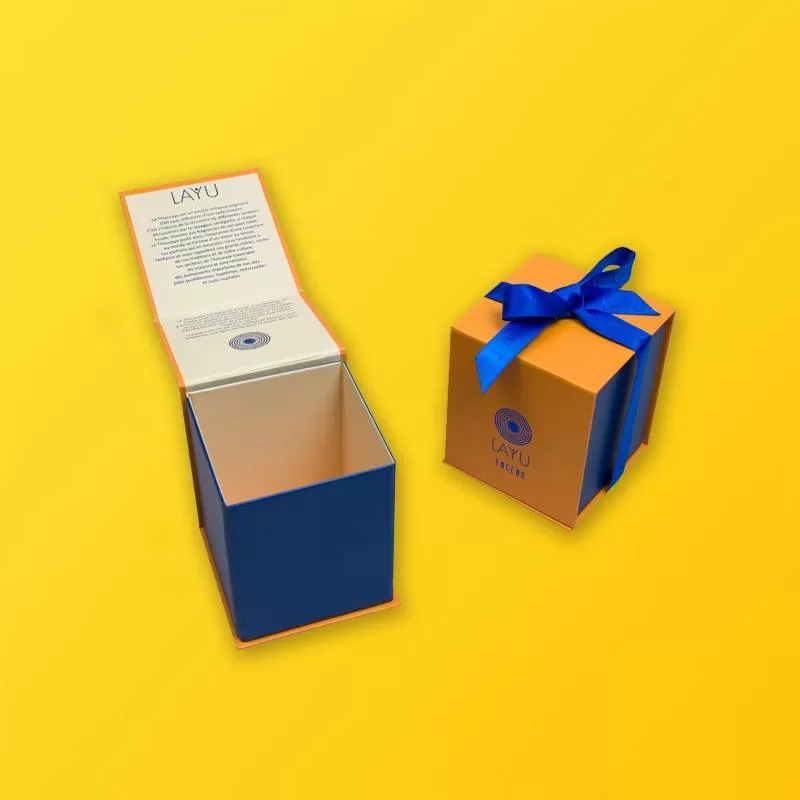
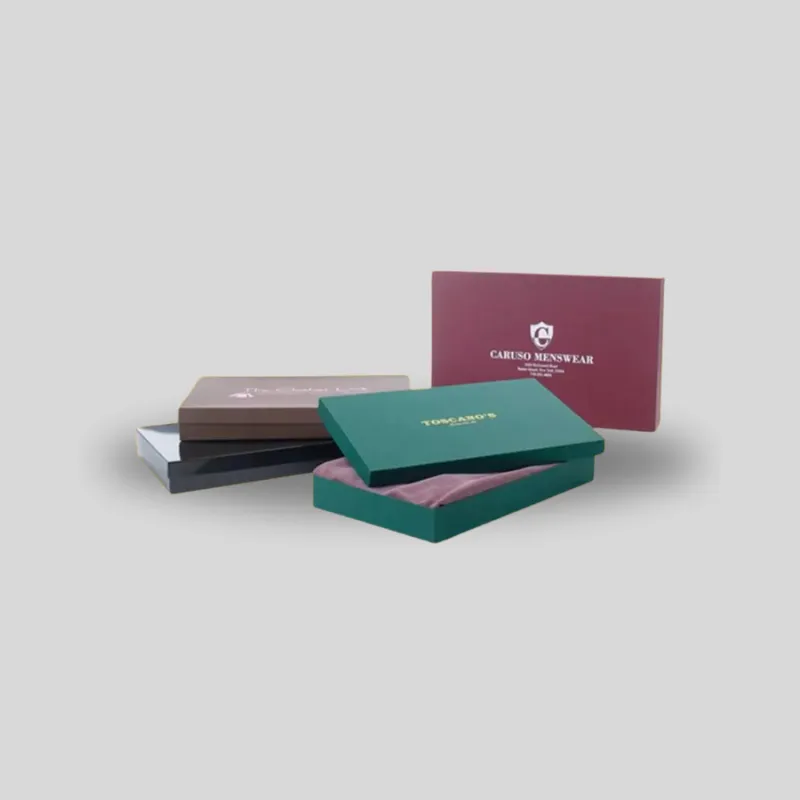
Rigid boxes use a denser board and arrive assembled rather than flat in the way a standard folding carton does. They are well suited to launch kits, fragrance presentations, skincare routines, influencer mailers, and multi-product gift sets where the opening experience is part of the product proposition.
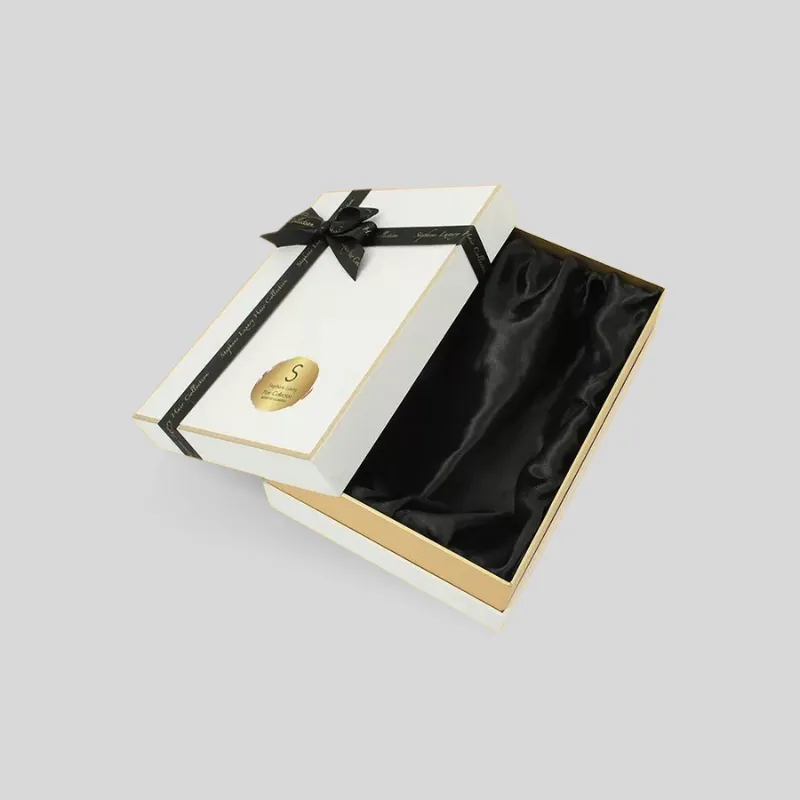
A rigid box can support a separate lid, hinged lid, drawer, ribbon pull, or magnetic closure. It also creates space for a fitted insert. The tradeoff is greater material use, storage volume, assembly complexity, and usually a higher unit cost than a simple folding carton. Use it where the product value, set format, or customer experience justifies that construction—not as an automatic definition of “premium.”
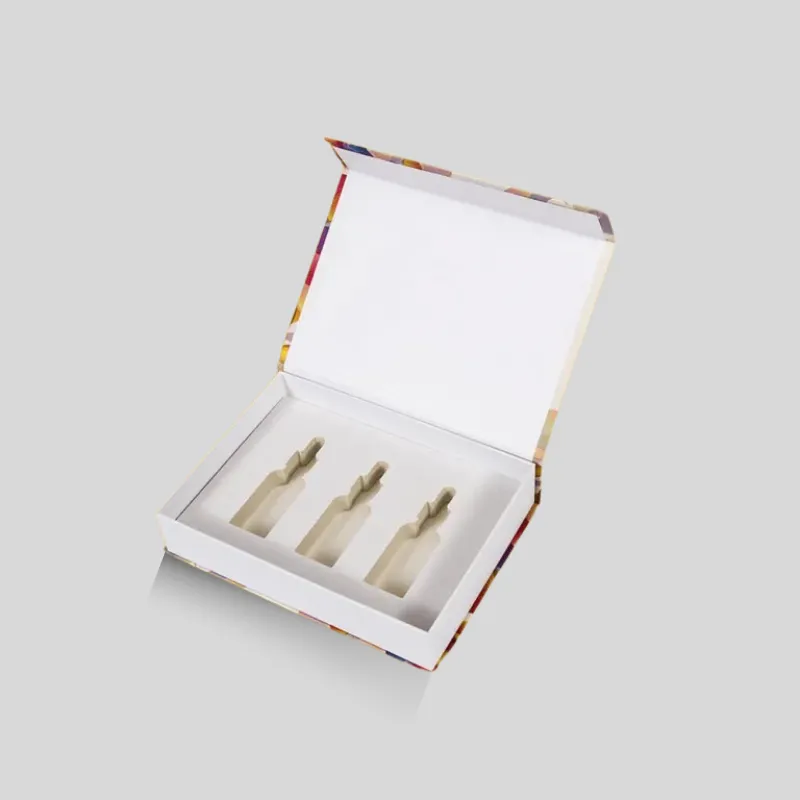
See Brisk's custom cosmetics rigid boxes when comparing presentation structures, inserts, and closures.
Ecommerce outer packaging for delivery
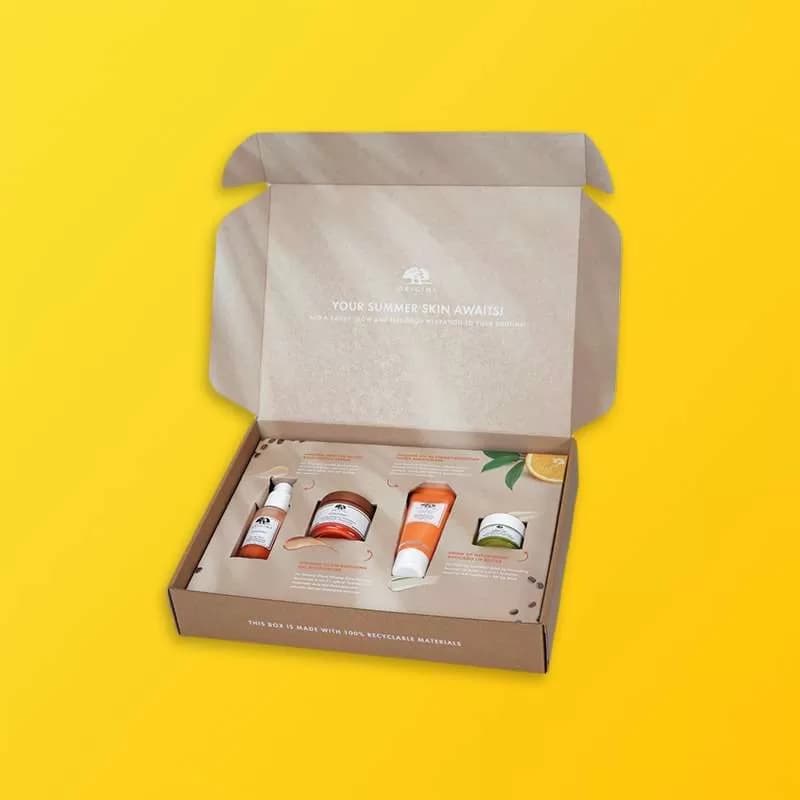
A retail carton is not automatically a shipping box. If an order goes through a parcel network, assess whether it needs a corrugated mailer, shipping carton, paper cushioning, dividers, or another protective outer layer. The printed cosmetic box should reach the customer clean and undamaged rather than being expected to absorb every impact itself.
For ecommerce, test the complete pack: product, insert, retail carton, outer box, closure, and void fill. This reveals whether the customer experience and protective performance work together.
Choose a material based on the job
Material selection affects stiffness, print appearance, finish compatibility, weight, and cost. Ask for recommendations based on the exact box dimensions and product weight; a board that performs well for a lipstick carton may not suit a large jar set.
SBS paperboard and coated art card
A white, smooth board is useful when artwork requires bright color, fine typography, or accurate photography. Brisk's live cosmetic product options include SBS paperboard and coated art card for retail-focused printing. These materials are common directions for folding cartons, though the final grade and thickness should be selected after structural review.
Kraft paperboard
Kraft can support a natural, restrained brand identity and works well with simple artwork. Its brown base changes how ink colors appear, so request a printed proof or material sample if color accuracy matters. Do not assume that a kraft appearance alone proves every sustainability claim. Confirm recycled content, certification, coatings, adhesives, and local disposal guidance before making specific statements on the pack.
Rigid chipboard with a printed wrap
Rigid chipboard provides the body for presentation boxes and is covered with a printed or specialty paper wrap. It offers strength and a substantial feel, while the wrap carries color and finish. Because construction, wrapping, inserts, and closure all contribute to the result, evaluate a complete sample instead of judging only a loose material swatch.
Metallic and specialty papers
Metallic paper can create an all-over reflective base without applying foil to every area. Specialty stock can be effective, but it can also affect legibility and color. Use a physical proof to check small text, barcodes, shade labels, and contrast under realistic retail lighting.
Decide whether the product needs an insert
An insert is functional when it controls movement, supports vulnerable parts, organizes multiple items, or presents the product in a specific position. It should not be added only because luxury packaging often has one.
Paperboard inserts can be folded and die-cut to cradle bottles, jars, tubes, or sets. Corrugated inserts can add protection to heavier ecommerce packs. Foam or covered presentation inserts may suit fragile or high-value products, but material choice should reflect protection, appearance, budget, and the brand's end-of-life goals.
Give the packaging specialist physical product samples or accurate CAD drawings when an insert is required. Important checks include:
- Can the packing team load the product without forcing it?
- Does the item stay in place when the closed box is turned or gently shaken?
- Can the customer remove it without digging under the product?
- Does the insert avoid pressure on pumps, droppers, caps, mirrors, and hinges?
- Are tolerances suitable for normal variation between containers?
- Can different materials be separated for disposal if that matters to the brand?
A well-designed insert protects and presents. An overcomplicated insert slows packing, wastes space, and makes reordering harder.
Select printing for color consistency and information clarity
CMYK process printing is useful for full-color graphics, gradients, and imagery. PMS spot colors can help when a brand relies on a specific signature color. The right approach depends on artwork, quantity, substrate, and the acceptable color tolerance.
Remember that the same ink can look different on white SBS, brown kraft, metallic stock, and a laminated surface. Request proofs and, for color-critical work, compare against an approved physical reference under consistent lighting.
Build the artwork on the final supplier dieline. Keep small text away from cuts, folds, glue areas, windows, and seams. Separate design layers for white ink, spot UV, foil, embossing, and cut lines according to the printer's artwork requirements. A digital mockup can show placement, but a physical sample is better for evaluating color, texture, fit, and opening behavior.
Use finishes with a clear purpose
Finishes should reinforce hierarchy and withstand expected handling. They do not need to cover every panel.
- Matte lamination reduces glare and supports a restrained appearance.
- Gloss lamination increases shine and can make strong colors feel more vivid.
- Soft-touch lamination adds a velvety feel, but should be tested for scuffing, fingerprints, and interaction with other effects.
- Foil stamping creates metallic accents and is most effective when used selectively on a logo, border, or key detail.
- Spot UV adds localized gloss contrast, especially over a matte surface.
- Embossing raises an element; debossing presses it inward for tactile emphasis.
- Window patching lets customers see the product or shade, while adding structural and material considerations.
Combining many upgrades does not automatically produce a better box. One strong material and one deliberate finish can communicate more clearly than foil, embossing, spot UV, and a window competing on the same front panel. Ask for finish samples and confirm how details line up with printing and die cutting.
Plan the information hierarchy early
Cosmetic cartons often need to carry branding, product identity, shade or variant, net contents, directions, ingredients, warnings, company information, batch details, and machine-readable codes. The exact requirements depend on the product and markets where it is sold, so confirm current obligations with qualified regulatory guidance rather than relying on a generic packaging template.
From a design standpoint, prioritize what a shopper must recognize first:
- Brand and product name
- Product type or purpose
- Shade, scent, size, or variant
- Essential differentiator
- Supporting and required information on appropriate panels
Reserve quiet zones for barcodes and variable data. Test the smallest text at final printed size. Check contrast on specialty stocks and finishes. If the line includes multiple shades or formulas, create a controlled system for color coding and SKU changes so variants remain recognizable without redesigning every panel.
Test a sample before full production
A sample is where structure and artwork meet reality. Brisk offers a packaging sample request, and brands should use samples to evaluate decisions that a screen cannot confirm.
Run a practical review with the product and fulfillment team:
- Assemble the box and record how long and how many steps it takes.
- Load the actual product, close it, reopen it, and check for stress at folds and tabs.
- Inspect fit in multiple orientations and watch for rattling or pressure points.
- Rub and handle the printed surfaces to assess scuffing and fingerprints.
- Scan the barcode and any QR code from the final printed sample.
- View colors under office, retail, and daylight conditions where relevant.
- Pack the complete ecommerce configuration and conduct handling tests appropriate to the shipping risk.
- Confirm that lot codes, labels, seals, and fulfillment stickers have enough space.
Document the approved board, dimensions, dieline revision, colors, finishes, and sample photos. That specification becomes the baseline for production and future reorders.
Understand what changes cosmetic packaging cost and MOQ
A useful quote depends on specifications. Price and minimum order quantity can change with box style, dimensions, material, print process, number of colors, finish coverage, insert complexity, closure, quantity, proofing, assembly, packing, freight, and timeline.
A simple printed folding carton generally has fewer cost drivers than a wrapped rigid box with a custom insert and magnetic closure. An unusual die-cut shape can require more setup and produce more material waste than a standard structure. Large boxes use more board and occupy more freight and warehouse space. Several SKUs may also price differently from one design printed at the combined total quantity.
Ask for options rather than demanding one unexplained number. For example, compare the same carton with standard matte lamination versus soft-touch and foil, or compare a paperboard insert with a foam presentation insert. The related custom packaging cost guide explains why specification quality matters when comparing quotes.
Common cosmetic packaging mistakes
Choosing appearance before structure
Starting with a visual reference and forcing the product into it can lead to poor fit, damage, and slow packing. Approve structure first, then refine artwork.
Using an oversized box
Extra space can make a small product look lost, require more insert material, and increase shipping volume. Size the package to the product and the protection it genuinely needs.
Treating a retail carton as transit protection
A beautiful folding carton may still need an outer mailer and cushioning. Test the complete delivery system.
Adding too many finishes
Multiple effects can compete for attention and complicate production. Assign each finish a purpose and request a physical sample.
Forgetting fulfillment
A box that is awkward to fold, load, label, or seal can create avoidable operational friction. Include the packing team in sample approval.
Finalizing artwork before content review
Late changes to ingredients, warnings, variants, barcodes, or required copy can disrupt layout and delay approval. Create the information architecture before polishing decorative elements.
Cosmetic packaging quote checklist
Send the following information to obtain a more comparable and useful quote:
- Product type and sales channel: retail, ecommerce, wholesale, gift, launch kit, or subscription
- Exact product dimensions and weight, including cap, pump, or applicator
- Physical product sample or accurate technical drawing when available
- Preferred box style or a description of the required opening experience
- Internal box dimensions if already engineered
- Quantity per SKU and total quantity
- Number of artwork versions, shades, scents, or language variants
- Material preference and desired strength or presentation level
- Printing requirements: CMYK, spot colors, inside print, or double-sided print
- Finish requirements and the panels or artwork areas they cover
- Insert type and the intended product arrangement
- Window, magnetic closure, ribbon, seal, or label requirements
- Flat-packed or pre-assembled delivery preference
- Shipping destination, packing requirements, and target in-hand date
- Artwork status and whether dieline or design support is needed
- Proof and sample expectations before production
When you provide these details, a packaging specialist can recommend alternatives instead of guessing. Contact Brisk Packaging for structural guidance, dieline support, samples, and a quote based on your product rather than a generic box size.
FAQ
What is the best material for cosmetic packaging boxes?
There is no single best material. SBS or coated paperboard is a strong direction for many printed retail cartons; kraft supports a natural visual style; rigid chipboard suits presentation boxes and sets; corrugated board is useful for protective ecommerce outers. Product weight, dimensions, printing, finish, and sales channel should determine the final grade.
Do cosmetic boxes need inserts?
Not always. Use an insert when a bottle, jar, tube, compact, or set needs movement control, component separation, or a planned presentation. A closely fitted lightweight folding carton may not need one. Test the actual product in the sample before deciding.
Which finish works best for makeup boxes?
Choose by purpose. Matte or soft-touch can support a restrained premium feel; gloss can emphasize vibrant artwork; foil can highlight a logo; spot UV adds localized contrast; embossing creates tactile emphasis. The best choice is the one that supports the design hierarchy and performs well during handling.
Should a cosmetic retail box also be used for shipping?
Usually the retail carton should be evaluated as one layer of a shipping system. Parcel delivery may require a corrugated outer box, cushioning, or dividers. Test the complete packed order rather than assuming the retail carton alone provides enough transit protection.
How can a brand compare cosmetic packaging quotes fairly?
Give every supplier the same dimensions, quantity per SKU, material direction, print colors, finishes, insert requirements, delivery format, shipping destination, and timeline. Ask what is included in proofing, tooling, assembly, packing, and freight. Compare specifications and samples, not only the unit price.
When should artwork begin?
Brand exploration can begin early, but production artwork should use the approved dieline. Confirm structural dimensions, glue areas, folds, windows, finish layers, copy, and variable-data zones before releasing print-ready files.
Build the box around the real product
The most reliable cosmetic packaging decision is practical: measure the product, define the sales channel, choose a suitable structure, control movement, select materials and finishes with a purpose, and test a physical sample. That process creates a box that is easier to pack, clearer to shop, and more credible in the customer's hands.
Browse Brisk custom cosmetic boxes, request samples, or talk to a packaging specialist for a tailored structure, dieline, and quote.