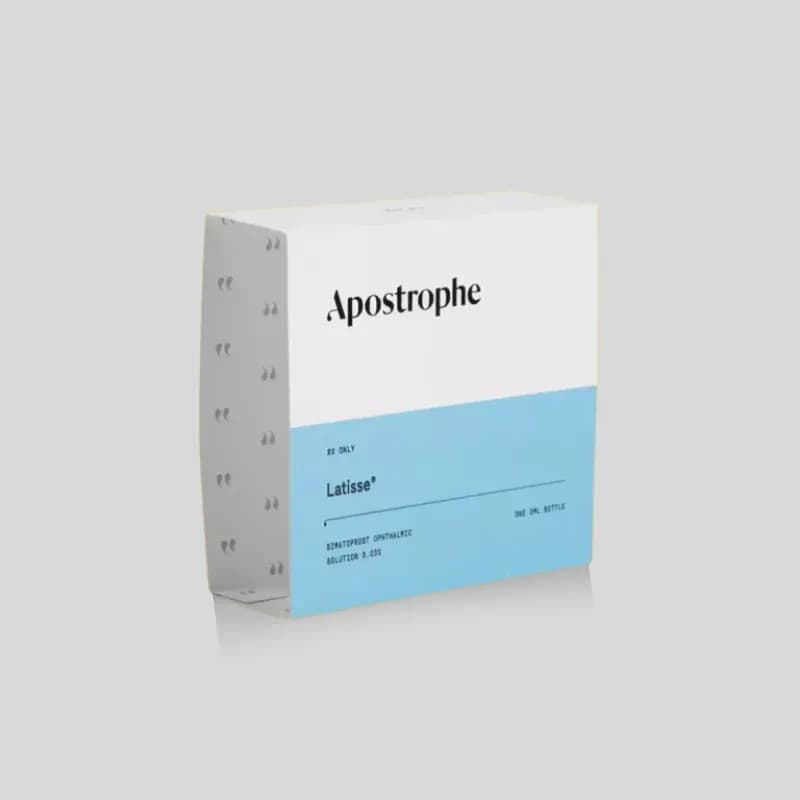
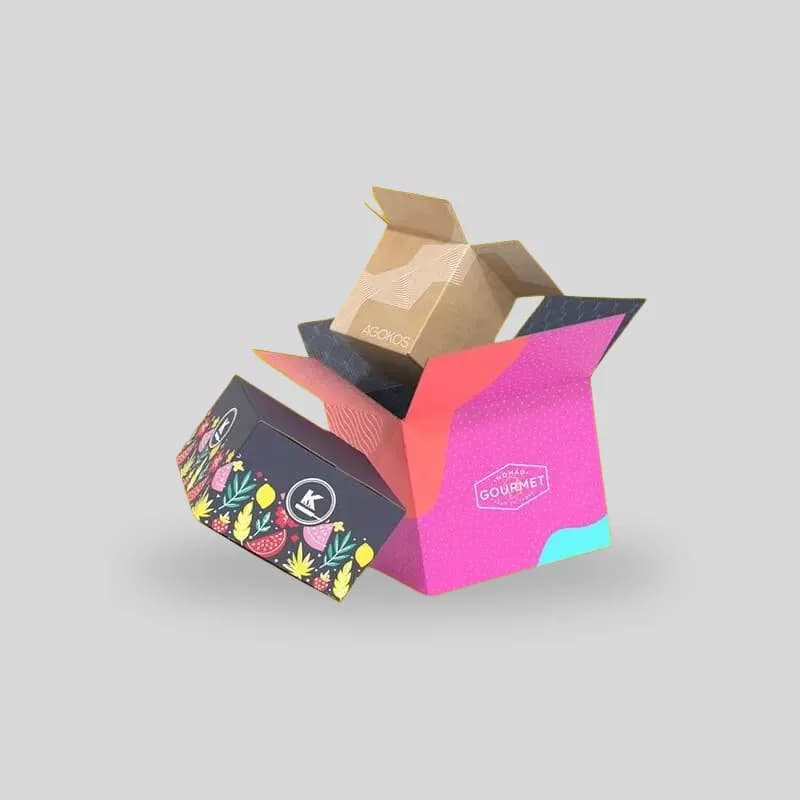
Anyone who has assembled thousands of folding cartons on a packing line knows the difference an auto-lock base makes. Instead of tucking four bottom flaps by hand or waiting for a glue-bottom carton to cure flat, an auto-lock box snaps open into a fully rigid base in a single motion. That speed advantage — and the structural reliability it brings — makes auto-lock boxes one of the most widely specified folding carton styles in food, beauty, and retail packaging.
If you are evaluating folding carton styles for a new product or line extension, this guide covers how auto-lock bases work mechanically, which situations call for them versus alternative closure styles, what materials and sizes are available, and what your print vendor needs from your dieline file.
How Auto-Lock Bases Work
An auto-lock base — also called a crash-lock base or self-erecting base — uses a pre-glued interlocking panel arrangement at the bottom of a folding carton. During manufacturing, the printer applies adhesive to specific bottom flap areas and glues the panels together while the carton is still flat. The adhesive bond holds the panels in a collapsed position during shipping and storage.
When a packer draws the carton open — simply pulling the sides apart — the pre-glued panels unfold and lock into place automatically. The interlocking geometry of the panels prevents them from separating under load. The result is a fully closed, rigid base that requires no manual tucking, no tape, and no additional closing step before filling.
The key structural element is the interlocking flap design. The outer bottom panel and inner locking panel are sized so that when the carton is squared, the inner panel wraps around the outer panel edge and the two lock mechanically as well as adhesively. This double-action closure — adhesive plus mechanical interlock — gives auto-lock bases significantly higher bottom-load resistance than a simple tuck-end closure.
Auto-Lock vs. Tuck-End vs. Glued Bottom: Which to Choose
Folding carton base styles differ in assembly time, structural strength, cost, and suitability for specific products. Understanding the trade-offs before briefing your vendor prevents expensive re-tooling later.
Auto-Lock (Crash-Lock) Base Pre-glued during manufacturing; opens automatically on the packing line; no manual assembly of the bottom. Best for: medium to heavy products (glass bottles, jars, canned goods, hardware), high-speed automated packing lines, retail products where bottom-fall failure would cause damage or brand liability. Cost: slightly higher per unit due to the bottom gluing step, but frequently offset by labor savings on fast lines.
Straight Tuck End (STE) Top and bottom tuck in the same direction. Bottom is assembled by hand: insert four flaps in sequence. For a comprehensive look at tuck-end orientation choices, see our guide on straight-tuck vs. reverse-tuck boxes. Best for: lighter products, lower-speed manual packing, situations where cost per unit is the primary driver. Limitation: tuck-end bottoms open under sustained load or if the tuck is assembled incorrectly.
Reverse Tuck End (RTE) Top and bottom tuck in opposite directions. Similar assembly to STE with slightly better resistance to accidental opening. Same applications as STE with a marginally more tamper-evident bottom appearance.
Glued Bottom (Seal End) All four bottom flaps are glued shut at the vendor's factory. The strongest bottom closure for a flat-pack folding carton. Best for: liquids, heavy food products, and applications where bottom integrity is critical. Trade-off: the carton must be shipped in flattened form and cannot be opened and reclosed at the bottom — contents must enter through the top only.
| Style | Assembly speed | Bottom strength | Cost per unit | Best for |
|---|---|---|---|---|
| Auto-lock (crash-lock) | Fastest (single motion) | High | Moderate | Medium-heavy products, fast lines |
| Straight tuck end | Manual (4-flap insert) | Moderate | Lowest | Light products, cost-sensitive runs |
| Reverse tuck end | Manual (4-flap insert) | Moderate | Lowest | Light products, slight tamper evidence |
| Glued bottom (seal end) | Fast (pre-closed vendor) | Highest | Moderate | Liquids, heavy food items |
If your product weighs more than 300–400 grams, or if bottom failure during retail handling would damage the product or brand experience, auto-lock or glued-bottom bases are the correct shortlist. Auto-lock wins when you need flat-pack shipping (for storage density) with fast line-side assembly.
Common Auto-Lock Box Styles and Sizes
Auto-lock bases are available across a wide range of standard and custom folding carton configurations.
Standard Straight-Wall Auto-Lock Rectangular carton with auto-lock base and tuck-in or lock top. The most common format for food products, supplements, software, and retail merchandise. Available in sizes from small cosmetic cartons (50 mm × 30 mm × 100 mm) to large retail boxes (200 mm × 150 mm × 300 mm and beyond).
Auto-Lock with Display Lid The top panel is replaced with a lift-off lid, partial front opening, or header card for peg-hook display. Common in toy, hardware, and point-of-sale retail packaging where the product needs to be visible while still protected on three sides.
Auto-Lock Tray A shallow auto-lock base without a full top enclosure. Often used as a shelf-ready secondary packaging unit that slides open to expose product. The auto-lock base ensures the tray holds its shape under the weight of multiple filled retail units.
Gable-Top with Auto-Lock Base The top forms a peaked gable closure for easy carrying; the base is auto-lock. Common in food service and takeaway applications that combine top strength with a fast-opening bottom for line filling.
Materials and Board Caliper Options
Auto-lock boxes are produced from folding carton board stock. The two most common substrates are SBS (solid bleached sulfate) and CIS (clay-coated news back), with corrugated auto-lock trays produced in E-flute or F-flute corrugated board for heavier-load applications.
SBS (Solid Bleached Sulfate) Premium white board with a uniform clay-coated printing surface on both sides. The industry standard for cosmetics, food, pharmaceutical, and luxury retail cartons. Available in calipers from 14 pt (0.355 mm) to 24 pt (0.61 mm). For auto-lock bases carrying loads above 500 grams, 18–22 pt is the typical specification range.
CIS (Clay-Coated News Back) Clay-coated on the front for print quality, with a recycled grey news back. Lower cost than SBS; widely used for general retail and consumer goods. Print quality on the front face matches SBS for most applications. The grey back is not suitable for products where the interior of the box is visible to the consumer.
E-Flute Corrugated Micro-flute corrugated board (approximately 1.6 mm thick) provides cushioning and stacking strength beyond what folding carton board can deliver. Auto-lock trays and outer shipper boxes in E-flute carry significantly heavier unit loads. For more detail on corrugated material selection, see our corrugated cardboard boxes guide.
Board caliper selection rule of thumb:
- Products under 200 g: 14–16 pt SBS
- Products 200–500 g: 16–18 pt SBS
- Products 500 g–1.5 kg: 18–22 pt SBS or E-flute corrugated
- Products above 1.5 kg: E-flute or B-flute corrugated auto-lock tray
Print and Finish Options for Auto-Lock Boxes
Auto-lock boxes are standard folding carton constructions and support the full range of offset and digital printing options.
Printing processes: Offset lithography is the production standard for runs above 1,000–2,000 units, delivering consistent color and sharp detail. Digital printing is used for short runs, personalization, and color variants where the economics of offset plate setup are unfavorable.
Lamination: Matte and gloss lamination protect the printed surface and add a tactile finish. Soft-touch lamination raises perceived luxury significantly and is increasingly common for beauty, wellness, and premium food products. For a detailed comparison, see our guide to matte vs. gloss lamination for packaging.
Spot UV varnish: A clear, high-gloss UV coating applied selectively to logos, product imagery, or graphic elements against a matte-laminated background. The contrast between gloss and matte creates depth and shelf standout without foil cost.
Foil stamping: Metallic foil applied via a heat die to selected areas. Gold, silver, and holographic foils communicate premium positioning at retail. Foil is most cost-effective on logos and borders rather than large solid fills.
Embossing/debossing: Raises or recesses selected design elements using a custom metal die. Often combined with foil for foil-embossed logos. Adds tactile dimension that reinforces brand quality at the point of handling.

Dieline Requirements and Artwork Specs
Auto-lock boxes require a specific dieline that accounts for the pre-glued bottom flap geometry. Unlike a simple tuck-end carton where the bottom resembles the top in reverse, auto-lock bottoms include overlapping flap panels with glue-application zones marked separately.
What your vendor needs:
- Vector dieline file — Adobe Illustrator (.ai) or PDF with all layers separated: artwork, cut line, fold/score lines, glue application zones, and perforation (if any)
- Color mode — CMYK for process printing; Pantone swatches in a separate spot-color layer for Pantone-matched runs
- Bleed — minimum 3 mm on all cut edges; 5 mm preferred for large-format cartons
- Safe zone — all text and logos at least 4 mm inside the cut line
- Glue flap areas — mark glue panels in a clearly labeled layer; the vendor applies adhesive within these bounds during manufacturing
- Score and fold lines — shown as dashed lines in a separate layer; do not merge with artwork
- Resolution — embedded raster artwork at 300 DPI minimum at final print size; 350 DPI preferred for photographic imagery
If you do not have an auto-lock dieline, request one from Brisk before beginning artwork. Brisk provides free custom 3D digital designs and precision vector dielines — your designer can build directly onto the confirmed dieline profile, ensuring print-ready artwork without dimensional revisions.
Industries That Use Auto-Lock Boxes Most
Food and Beverage Auto-lock bases are standard in cereal, snack, supplement, condiment, and specialty food packaging. The bottom holds under the filled weight of dry goods and glass jar units alike. For products with FDA or food-safety labeling requirements, the structural reliability of an auto-lock base ensures the carton survives retail handling without bottom failure that could compromise product or label integrity. Always confirm specific regulatory requirements with a compliance specialist for your product category.
Beauty and Personal Care Cosmetics, skin care, and hair care cartons frequently specify auto-lock bases to protect heavier glass and ceramic primary containers. The pre-glued base eliminates any risk of the bottom opening under the weight of a glass perfume or serum bottle. For more detail on cosmetics-specific packaging choices, see our cosmetic packaging boxes guide.
Retail and Consumer Electronics Lightweight electronics accessories, batteries, and hardware components use auto-lock cartons for shelf displays because the base holds reliably when the box is stocked face-out on a hook or shelf bracket without additional tape.
Pharmaceutical and Supplement Medicine and supplement cartons commonly use auto-lock bases with tuck-in tops or reclosable tear strips. The auto-lock bottom ensures the bottom does not accidentally open during distribution, which could compromise a child-resistant top or tamper-evident seal.
Toy and Game Packaging Retail toy packaging uses auto-lock bases for reliability at scale. A toy falling through a carton bottom during shelf restocking creates a significant loss and return exposure that auto-lock bases prevent.
MOQ and Cost Factors
Auto-lock box pricing is driven by substrate, board caliper, box size, print complexity, finish, and quantity.
Substrate and caliper are the baseline material cost drivers. SBS 18 pt is the most-specified caliper for mid-weight products; stepping up to 22 pt adds cost proportional to board weight. E-flute corrugated auto-lock trays cost more per unit than folding carton board at equivalent sizes because the corrugated board manufacturing process has higher material and infrastructure costs.
Bottom gluing — the step that makes an auto-lock base — adds a modest per-unit cost over a comparable tuck-end carton in the same substrate and size. On large-volume runs, this premium is often recovered in packing labor savings.
Print and finish add costs in layers: 4/4 CMYK offset on matte lamination is the baseline; spot UV, foil stamping, and embossing each add a one-time die cost and incremental per-unit press cost.
Quantity is the dominant per-unit pricing variable. Most custom auto-lock folding carton runs start at 500–1,000 units minimum; per-unit cost falls significantly between 1,000 and 5,000 units and then grades more gradually above that.
Request a project-specific quote and free 3D design to get accurate pricing for your chosen substrate, caliper, size, finish, and quantity before committing to artwork production.
FAQ: Frequently Asked Questions
What is the difference between an auto-lock box and a crash-lock box?
They are the same thing. "Auto-lock" and "crash-lock" are interchangeable trade terms for a folding carton base that uses pre-glued interlocking panels to self-erect when the carton is pulled open. Some manufacturers also call them "self-erecting bases." The structural mechanism and dieline geometry are identical regardless of the term your vendor uses.
Can auto-lock boxes be printed on all four sides?
Yes. Auto-lock boxes are standard folding cartons with the same printable panel layout as any other style. All four side panels plus the top and the exterior face of the bottom panels can carry artwork. The only area that is not primarily a print surface is the interior of the bottom, which is the glued-panel assembly zone.
Do auto-lock boxes need to be assembled with any tools?
No. The entire point of an auto-lock base is that it self-erects with a single motion. A packer pulls the two side panels of the flat carton apart; the pre-glued bottom panels unfold and lock automatically. No tools, tape, or manual flap-folding are required at the bottom. The top can be a tuck-in, lock-top, or glued closure depending on the specified carton style.
What weight of product can an auto-lock base support?
It depends on board caliper, box footprint, and bottom panel geometry. As a general guideline: 14–16 pt SBS auto-lock boxes handle products up to 200–300 grams reliably; 18–22 pt SBS handles 300 grams to 1.5 kg. For heavier products (bottled liquids, hardware kits, multi-item gift sets above 1.5 kg), specify E-flute corrugated auto-lock trays. Always validate load capacity with a sample run at your expected fill weight before committing to a full production order.
Can I use auto-lock bases for food packaging?
Auto-lock folding cartons are widely used for dry food, confectionery, cereal, and supplement packaging. For direct food-contact applications, specify food-safe board grades and confirm that all inks, varnishes, and laminations your vendor uses are food-safe for the product category. Regulatory requirements vary by market and product type; confirm specifics with a compliance specialist rather than relying on packaging supplier representations alone.
Is a custom dieline required, or can I use a standard dieline template?
For a standard rectangular auto-lock box in a common size, a vendor-supplied standard dieline template may be available. For unusual dimensions, unusual aspect ratios, or any design with custom die-cut features (windows, perforations, tear strips, display headers), a custom dieline is required. Brisk provides free custom 3D designs and precision vector dielines so your artwork can be built on the confirmed die profile from the start.
How long does production take for custom auto-lock boxes?
For folding cartons with standard finishes (4/4 CMYK, matte or gloss lamination), production typically runs 10–15 business days after artwork approval. Adding foil stamping, embossing, or unusual die-cut features extends press and bindery time; confirm lead times with your Brisk packaging specialist at the quote stage.
Ready to spec your custom auto-lock boxes? Request a free custom 3D design and precision vector dielines from Brisk's packaging team. Share your product type, approximate dimensions, fill weight, and target finish, and you'll receive a design and dieline within 24–48 hours — free, with no production commitment required.