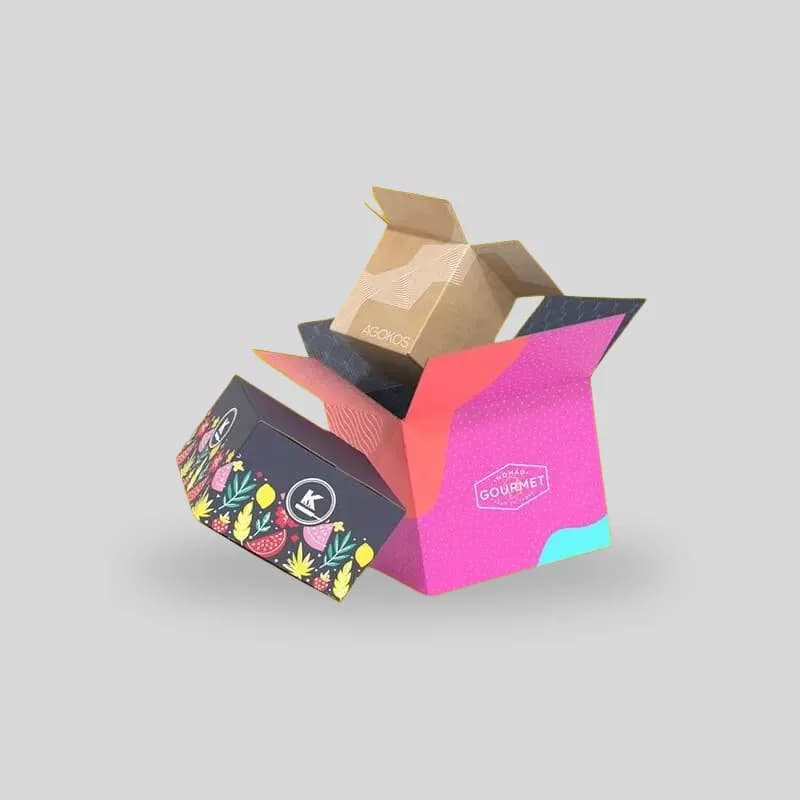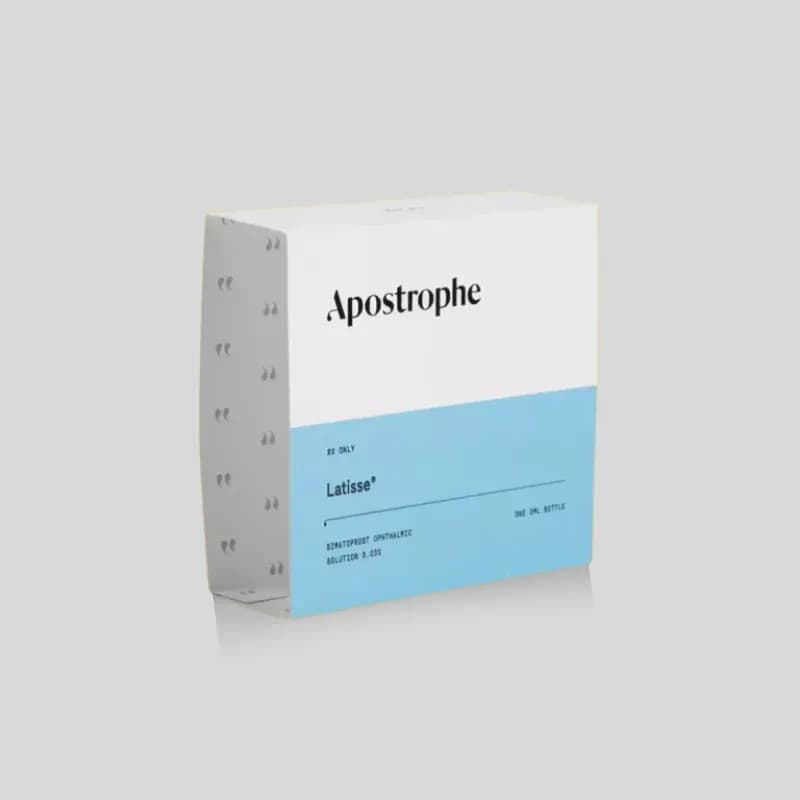
Custom belly band packaging wraps a printed paper or board band around an existing box, bundle, or product—labeling it, reinforcing brand identity, and adding a premium unboxing moment without the cost of a full custom carton. When you need to differentiate a product on shelf, consolidate a gift bundle, or upgrade plain stock packaging, belly bands deliver print surface exactly where it matters.
This guide covers when to use belly bands, how to size them correctly, which materials and finishes hold up in retail and e-commerce environments, and what your print vendor needs from you at the brief stage.
What Is Belly Band Packaging?
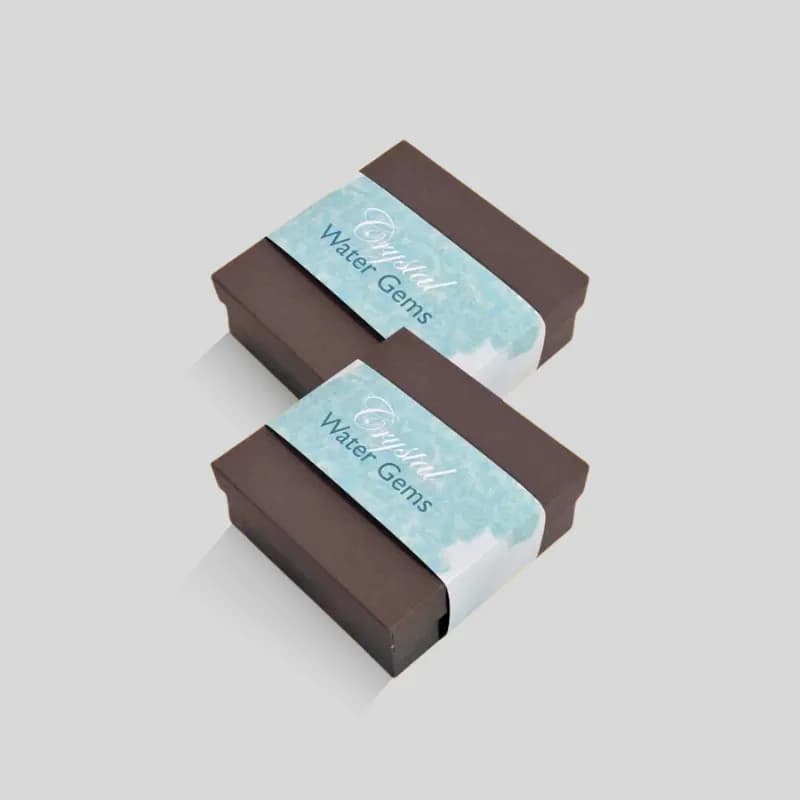
A belly band (also called a packaging sleeve band or box band) is a strip of printed paper or board that wraps around the circumference of a box, bottle, gift set, or product. It is held in place by the tension of the wrap itself, by a glue tab, or—for lighter paper stocks—by the snug fit of the band's inner diameter against the item it encircles.
Unlike a full custom sleeve box, which slides over the entire product and acts as a primary structure, a belly band sits at one zone—typically the center or upper third—and leaves the rest of the package visible. That distinction matters: a sleeve box replaces or encloses; a belly band complements and brands.
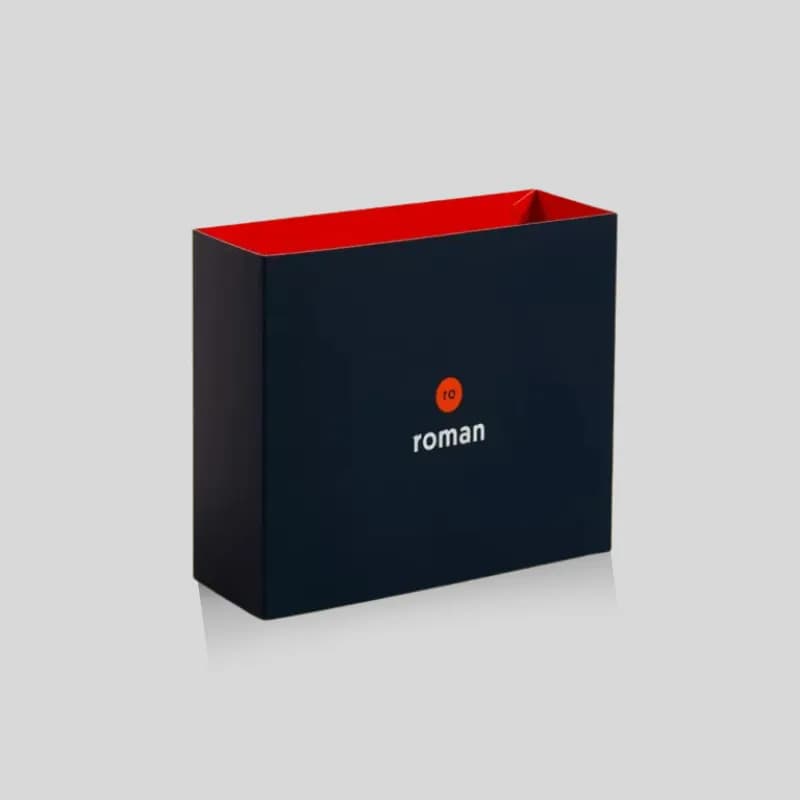
Types of Belly Band Packaging
Belly bands are produced in three broad material categories. Each behaves differently on press, wraps differently around curved or rectangular surfaces, and holds differently after the band is seated.
Paper and Coated Board Bands
The most common option. Weights run from 100 gsm (lightweight, flexible) to 350 gsm (stiff, luxury). Coated one-side (C1S) board—glossy print face, uncoated inner—is the standard for retail bands because the inner uncoated surface grips the outer box while the external coated surface accepts sharp four-color lithographic printing.
For products that need a supple band that conforms to curved surfaces, 130–160 gsm is the practical range. For rigid, stand-alone presentation bands—often seen in luxury cosmetics or high-end spirits—300–350 gsm board gives a structured feel that reads as premium in-hand.
Kraft Bands
Unbleached kraft paper in 120–200 gsm weights suits brands that want an artisanal or sustainable aesthetic. Kraft takes flexographic and digital printing well, though the natural brown tone shifts inks, so bright whites and saturated colors need adjustment at the proof stage. Kraft belly bands pair naturally with e-commerce mailer boxes, artisan food products, and hand-crafted goods.
Specialty and Foil Material Bands
For ultra-premium applications—jewelry boxes, limited-edition gift sets, luxury apparel—belly bands can be produced on metallic laminated board, fabric-laminated paper, or soft-touch laminated stock. These materials carry a higher per-unit cost and typically require a larger minimum order, but they lift retail perceived value significantly.
When Belly Bands Outperform a Full Box
The practical decision point is whether a full custom carton is cost-justified for your SKU volume and margin.
| Scenario | Belly Band | Full Custom Box |
|---|---|---|
| Low-volume or seasonal SKU | Preferred — band a stock box | High tooling cost per unit |
| Gift bundling (2–4 items) | Band holds the bundle cleanly | Box would need redesign |
| Subscription or monthly variation | Swap the band each cycle | New box stock each cycle |
| Existing box already branded | Add a promotional band | Reprint entire stock |
| Regulatory labeling update only | Replace band with compliant version | Full box reprint |
Belly bands also work as promotional overwraps for promotional pricing, seasonal editions, and co-branded collaborations, where you need a temporary visual change without retiring existing box inventory. For a comparable analysis of how retail packaging tiers interact with channel requirements, see the custom retail packaging guide.
How to Size a Belly Band Correctly
Incorrect sizing is the most common production mistake. A band that is too loose slides and rotates; one that is too tight buckles or stresses the score lines.
The Basic Sizing Formula
For a rectangular box:
Band circumference = (2 × L) + (2 × W) + 6–8 mm overlap allowance
Band height       = target coverage zone (typically 60–80 mm for a standard retail box)
For a cylindrical container (jars, bottles):
Band circumference = π × outer diameter + 6–8 mm overlap allowance
Band height       = desired label zone height
The 6–8 mm overlap is the glue tab or mechanical interlock zone. For snap-fit bands with no adhesive, the circumference should equal the box perimeter within ±2 mm—test a prototype before committing to a full print run.
Accounting for Material Caliper
Board thicker than 250 gsm adds measurable caliper (typically 0.3–0.5 mm per 100 gsm) that affects the inner circumference as the band wraps. For thick coated board, calculate your inner circumference from the outside of the box and subtract twice the board caliper to get the true inner fit.
Your print vendor's dieline template will incorporate these offsets if you supply them with accurate box outer dimensions and the board weight you have selected. For a refresher on how to measure your product box before ordering bands, see how to measure a box for custom packaging.
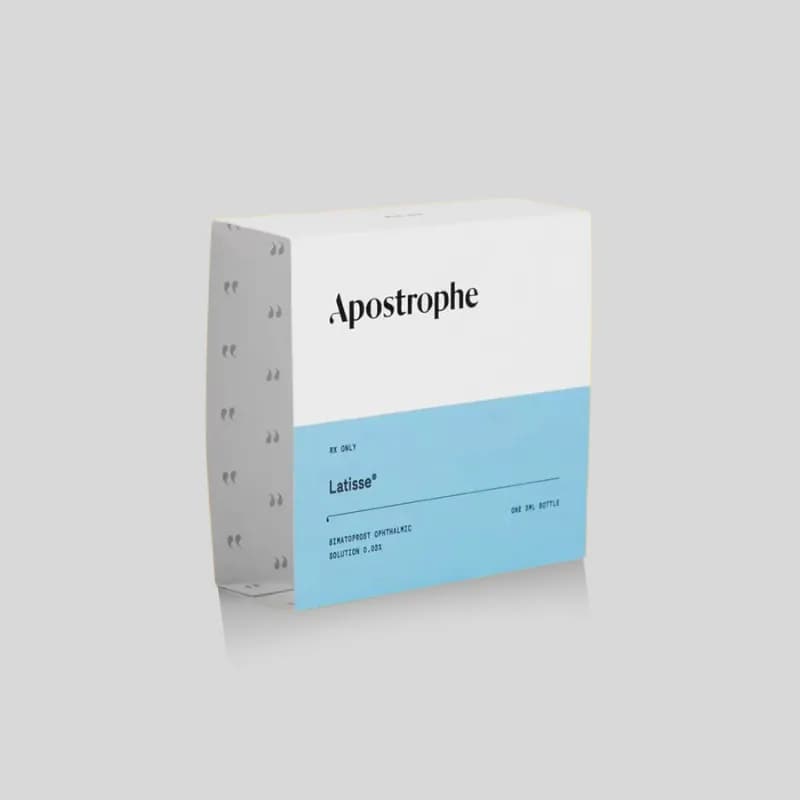
Material and Finish Options
Surface finish on the print face defines the visual register of the band and its durability in the retail chain.
Lamination
- Matte lamination — tactile, reduces glare, suits premium lifestyle and cosmetics bands. Susceptible to scuffing on unprotected edges; request soft-touch matte for maximum durability.
- Gloss lamination — vivid color, high contrast, resists fingerprints better than unlaminated stock. The default for food, health, and household products.
- Soft-touch matte — velvety feel, top-tier luxury signal. Higher cost; pairs with spot UV for contrast highlighting.
For a full comparison of how lamination choices affect packaging cost and visual shelf impact, the matte vs gloss lamination guide covers both applications in detail.
Foil and Spot UV
- Hot foil stamping — metallic or holographic foil applied under heat and pressure. Available in gold, silver, rose gold, copper, and holographic. Excellent on logos and wordmarks; adds cost per impression area.
- Spot UV — clear UV varnish applied selectively over specific design elements, creating gloss contrast against a matte background. Ideal for product photography areas or key brand icons on belly bands.
- Emboss / Deboss — three-dimensional texture pressed into the band. Works best on heavier board (280 gsm+). Pairs with foil stamping for maximum shelf presence.
For print finishing trade-offs beyond belly bands, foil stamping vs spot UV packaging breaks down cost and application criteria in detail.
Print Specifications and Dieline Requirements
Belly bands require precise dieline files regardless of which print process your vendor uses.
Mandatory file deliverables:
- Vector dieline in AI or PDF format, with scores (fold lines) on a separate layer from the cut path
- Bleed: minimum 3 mm on all live edges
- Safe zone: keep text and critical design elements 5 mm inside the cut line
- Color mode: CMYK for process printing; supply Pantone references if the brand standard requires matched spot color
- Resolution for raster elements: 300 dpi minimum at final print size
Important: If your band includes a glue-tab zone, mark it clearly on the dieline—print vendors need to know whether ink extends into that zone (which can interfere with adhesive bonding). Request a physical prototype or a digital soft-proof before approving the full run.
For artwork preparation standards that apply to all Brisk packaging products, including belly bands, the packaging artwork file preparation guide covers color modes, layer conventions, and preflight requirements.
Industries and Products That Use Belly Bands Most
Apparel and textile. Folded garments wrapped with a printed band ship flat without a full box, reducing dimensional weight. Custom apparel boxes benefit from bands when a retailer wants a premium touch on folded items shipped in plain shipping mailers.
Gourmet food and specialty beverage. Holiday gift bundles, artisan condiment sets, and premium chocolate assortments use belly bands to group multiple items at point of sale without structural repackaging.
Cosmetics and personal care. Sets of complementary products—serum, moisturizer, eye cream—are banded together as a retail bundle or promotional offer. The band surface carries SKU descriptions, promotional claims, and barcode data.
Gifts and corporate packaging. A belly band transforms a plain kraft box into a branded gift without a full custom carton. The band can be printed with a personalized message, seasonal theme, or event branding. For luxury gift applications, see the custom gift boxes guide for complementary structural options.
Stationery and books. Notebooks, journals, and boxed stationery sets use belly bands to bundle components and carry ISBNs or barcode data across a consistent product family.
Cost and MOQ Factors
Belly bands are among the most cost-effective ways to add branded packaging surface. Cost per unit is driven by:
- Print process. Offset lithography is most cost-efficient at volumes above approximately 1,000 units. Digital printing suits runs of 100–500 units with no plate cost.
- Board weight and finish. Heavier stocks and added finishes (foil, emboss, soft-touch) increase material and processing cost.
- Band dimensions. Wider and longer bands use more substrate per unit.
- Glue/closure type. Self-sealing snap-fit bands eliminate adhesive cost; glued-tab bands require application equipment or hand assembly.
MOQ at Brisk Packaging varies by configuration. A standard coated paper band in quantity runs significantly lower than a structurally complex box, making belly bands a strong option for emerging brands that need premium branding without minimum order commitments for full cartons.
Request a quote through Brisk's packaging specialist team to get sizing-specific pricing and a free custom 3D digital design showing how your brand will look wrapped around your product.
FAQ: Frequently Asked Questions
What is the difference between a belly band and a box sleeve?
A belly band wraps partially around a product—typically covering only a horizontal zone—and is sized to grip through tension or a small glue tab. A box sleeve (also called a pull-out sleeve) slides over the entire box as a secondary enclosure. Belly bands are lighter, lower cost, and often used as promotional overwraps; box sleeves provide full structural coverage and branding on all four sides.
Can belly bands work on round or cylindrical products?
Yes. Belly bands for cylinders use the same concept: the band wraps the outer circumference of the container and is sized so it holds by tension or a glued overlap. Sizing requires the outer diameter (OD) of the container, not box dimensions. Jars, bottles, and canister tins are common cylindrical applications.
What paper weight should I choose for a belly band?
For lightweight retail applications where the band grips a box and does not need to be self-supporting, 130–160 gsm coated one-side is a practical range. For premium or structured presentation bands intended to convey a luxury feel, 280–350 gsm board is more appropriate. Your Brisk packaging specialist can recommend the right weight for your specific product dimensions and handling requirements.
Do belly bands require a dieline, and can Brisk provide one?
Yes, belly bands require a precise dieline file to ensure the cut, score, and bleed are correctly positioned. Brisk provides free custom dielines for all orders. When you request your free 3D box design, the team includes a print-ready dieline that accounts for your box's outer dimensions, chosen board weight, and overlap or glue-tab configuration.
What finishes are available for belly bands at Brisk?
Available finishes include matte lamination, gloss lamination, soft-touch matte, hot foil stamping (gold, silver, rose gold, copper, holographic), spot UV coating, and embossing or debossing on heavier board stocks. Combinations—such as matte lamination with spot UV and gold foil—are possible and commonly used in luxury cosmetics and gift packaging.
How long does production take for a belly band order?
Standard production timelines for belly bands depend on print process, quantity, and finish complexity. Digital runs typically complete faster than offset runs. As a general guideline, allow time for digital proof approval, plate preparation if applicable, print, finish, and quality inspection before ship date. Brisk's team can provide an accurate lead time estimate at the quoting stage once dimensions, quantity, and finish are confirmed.
Ready to design your custom belly band packaging?
Request your free custom 3D digital box design and precision vector dielines from Brisk Packaging. Our design team produces a photorealistic preview of your belly band wrapped around your product—delivered within 24–48 hours, at no cost, with no obligation. Get your free design or speak to a packaging specialist to discuss materials, MOQ, and production timelines.