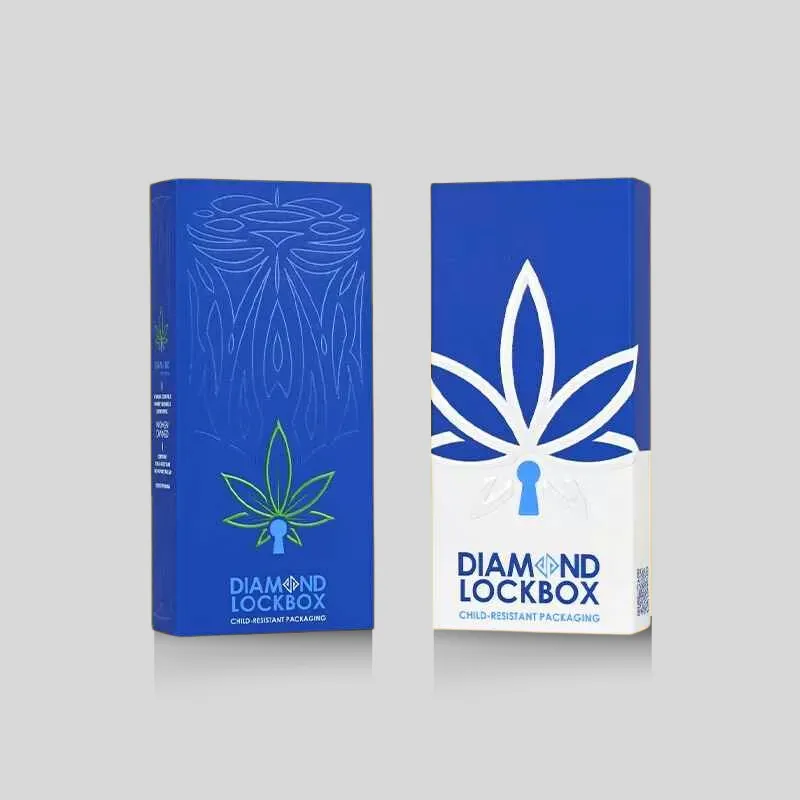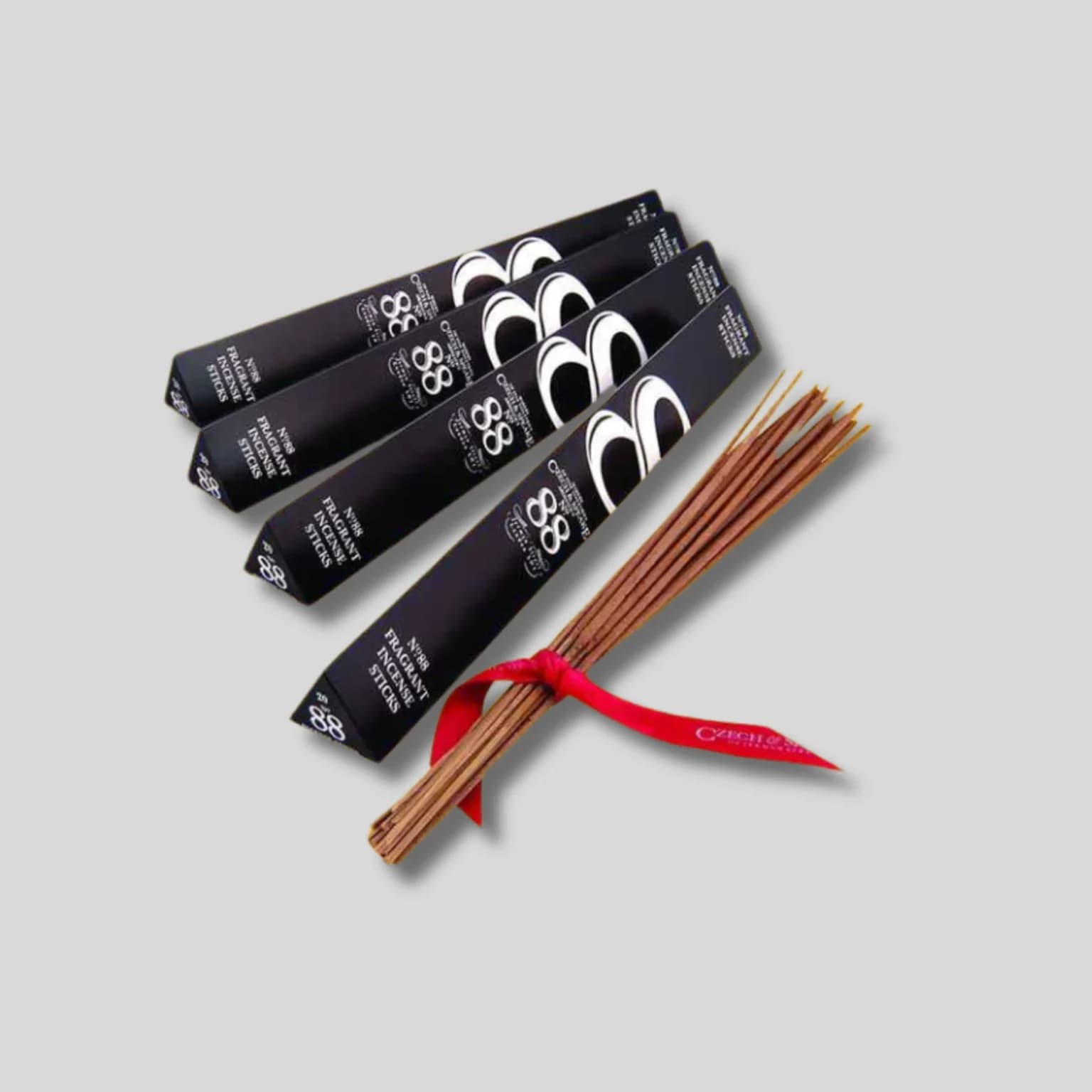
Choosing custom incense boxes starts with four decisions: the incense format, the finished product dimensions, how much aroma protection you need, and where the box will be sold. Stick packs usually need long, slim cartons with tight fit and dust control. Cone packs need cavity inserts or compact trays. Gift sets need stronger board, cleaner interior presentation, and more room for fragrance names, barcode panels, and usage notes.
Incense packaging is not just a printed sleeve around a fragrant product. It has to keep fragile sticks aligned, reduce broken tips, control loose powder, protect fragrance character, and present a calm retail experience that matches meditation, wellness, aromatherapy, home fragrance, or spiritual product positioning. The right structure also makes quoting easier because your packaging specialist can match your exact stick count, inner wrap, retail channel, and production quantity to the correct board and dieline.
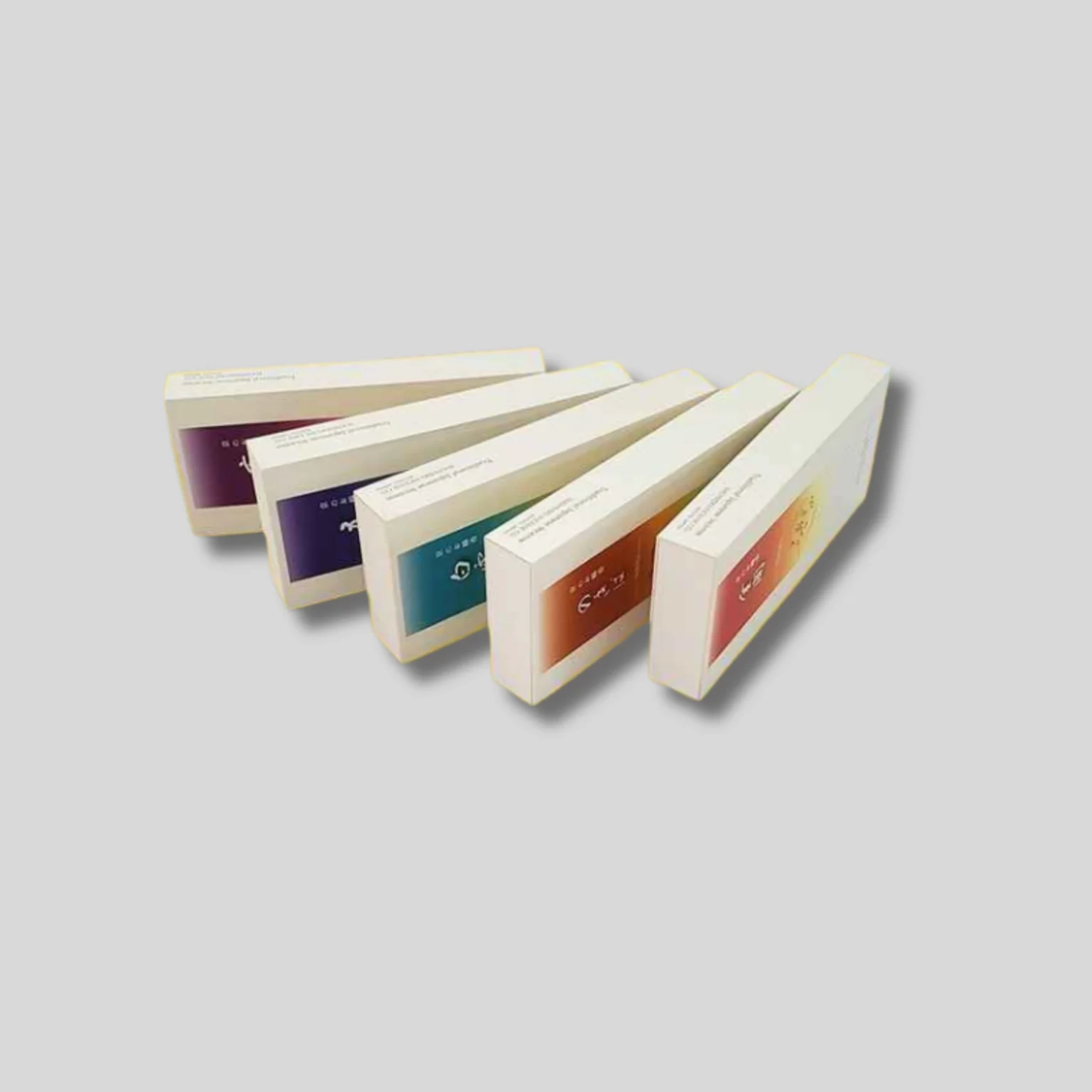
Incense Box Format Matrix
The best incense box format depends on whether you sell sticks, cones, samplers, refills, or gift sets. Use the matrix below as a starting point before requesting a dieline.
| Packaging format | Best for | Key packaging goal | Buyer note |
|---|---|---|---|
| Straight tuck or reverse tuck carton | Standard incense stick packs | Low-profile retail packaging with efficient flat storage | Good for everyday lines and high SKU counts |
| Sleeve and tray box | Premium sticks, cone assortments, samplers | Controlled reveal with better interior organization | Useful when the unboxing experience matters |
| Window box | Color-coded sticks, cones, or branded inner wraps | Product visibility without opening the carton | Confirm window film and glue area before artwork |
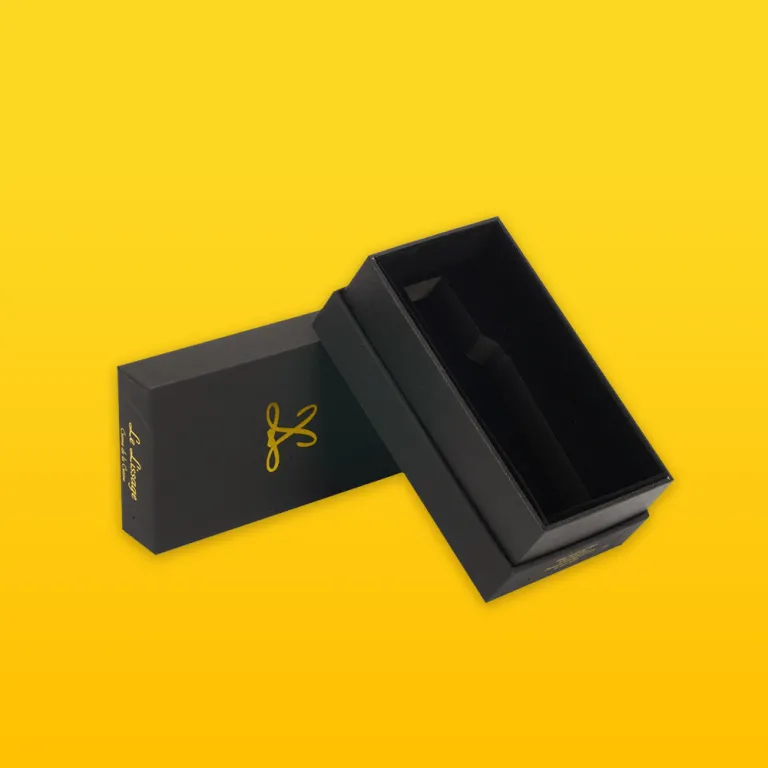
| Two-piece rigid or gift box | Luxury incense collections and wellness gift sets | Strong presentation and higher perceived value | Best when inserts and multi-item layouts are needed |
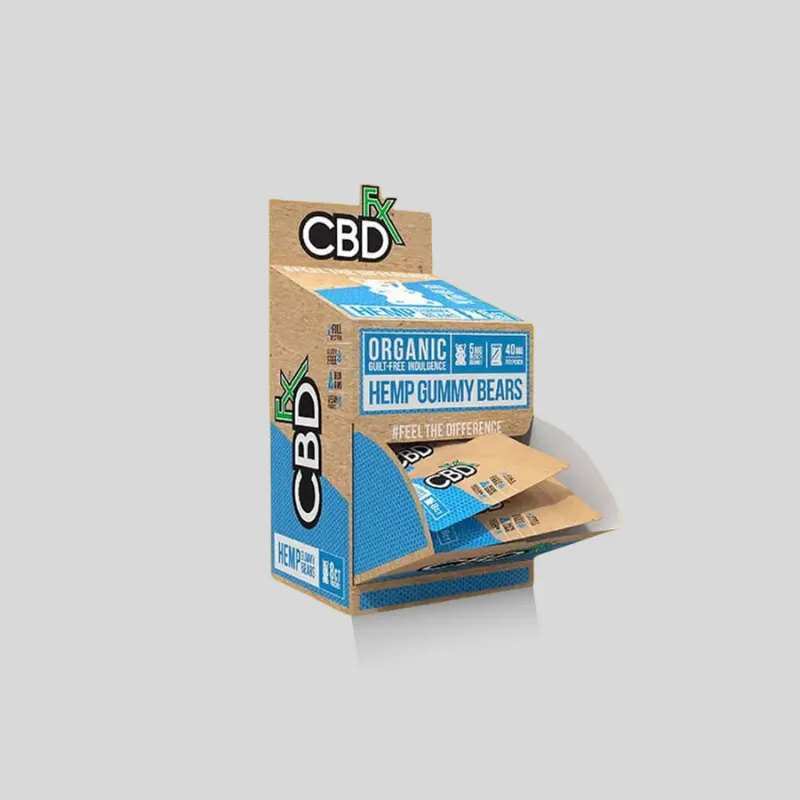
| Counter display box | Multi-SKU retail presentation | Holds multiple packs at checkout or shelf edge | Supports retail sell-through without replacing primary packaging |
| Flat mailer or shipper | Ecommerce refill packs and subscription shipments | Transit protection and shipping label area | Pair with an inner retail carton or wrap when needed |
A buyer selling one scent in long sticks may only need a clean tuck carton. A brand selling a seven-scent sampler should consider a tray or insert system so each fragrance remains organized and easy to identify. If the incense is part of a gift bundle with a holder, matchbox, instruction card, or wellness accessory, move from a simple carton to a rigid or sleeve-and-tray structure.
Measure the Incense Before Designing the Dieline
Many incense packaging problems start with rough measurements. Before ordering custom incense boxes, measure the real packed product, not only the stick length listed by the supplier. Include the inner wrap, printed band, protective paper, product dust allowance, and any header card.
For stick incense, confirm:
- Finished stick length and diameter.
- Number of sticks per pack.
- Whether sticks are loose, bundled, sleeved, or wrapped in paper.
- Clearance needed at both ends so tips are not crushed.
- How the consumer will remove the first stick without breaking adjacent sticks.
For cone incense, confirm:
- Cone diameter at the base and overall height.
- Count per box and whether cones touch each other.
- Need for cavities, dividers, paper cups, or a folded insert.
- Whether dust or fragrance oils may transfer to printed surfaces.
For sampler sets, confirm:
- Number of fragrances.
- Whether each scent needs a printed label or separator.
- If a usage card, warning card, or brand story insert is included.
- Whether the box will be opened repeatedly like a storage case.
A custom dieline should match the packed product with enough tolerance for filling, closing, and normal handling. If the fit is too tight, workers may crush sticks during loading. If it is too loose, sticks can rattle, shed powder, or break during shipping.
Material Choices for Incense Packaging
Most incense boxes use paperboard because it prints well, folds cleanly, and works for slim retail cartons. SBS paperboard is a strong choice for premium full-color artwork because the white surface keeps gradients, botanical illustrations, and soft wellness palettes clean. Kraft paperboard works well when the brand wants a natural, handmade, or eco-conscious look. Recycled paperboard can support sustainability positioning, but the surface and color variation should be checked with a physical sample before final artwork approval.
For ecommerce or bulk shipments, corrugated mailers or protective shippers may be needed around the retail carton. The retail box can look delicate and premium, while the outer mailer handles carrier abuse. If your incense box will sit in a countertop display, ask whether the same paperboard can be used for both the primary pack and the display tray, or whether the tray needs heavier board.
Coatings also matter. Matte lamination gives a calm, premium feel and reduces glare on wellness packaging. Gloss coating can make high-color artwork more vibrant. Soft-touch coating can fit luxury incense gift sets, but it should be tested for scuffing during handling. For any fragrance product, ask your packaging specialist whether the board and coating are suitable for the way the incense is wrapped, stored, and shipped.
Aroma Protection, Dust Control, and Product Separation
Incense is a fragrance product, so packaging must account for scent transfer and powder residue. The primary box alone may not be the full barrier system. Many brands use an inner paper wrap, glassine-style wrap, poly sleeve, or sealed pouch inside the printed carton. The printed box then becomes the retail and brand presentation layer while the inner wrap does more of the fragrance containment work.
If you sell multiple scents in one gift set, separation becomes more important. Strong fragrance families can influence each other if packed too closely without inner wraps or dividers. A tray insert, divider wall, or individual sleeves can help each scent remain identifiable and organized. This also improves the consumer experience because the box does not become a loose mix of sticks after the first opening.
Dust control is another practical detail. Incense sticks and cones can shed small particles during transit. A box with a loose interior may arrive with visible residue around windows or folds. Inserts, wraps, and tighter compartment design help reduce this problem. If you use a clear window, place it where dust buildup is less noticeable and confirm that the window does not weaken the carton around the longest panel.
Printing, Finishes, and Brand Presentation
Incense brands often rely on atmosphere: calm typography, botanical graphics, spiritual symbolism, color-coded scents, and tactile finishes. Packaging should make the fragrance family easy to understand while still giving the shopper enough practical information to buy with confidence.
CMYK printing is suitable for most full-color artwork, illustrations, and lifestyle branding. Pantone matching may be useful when each scent line has a specific brand color or when the same color must match labels, display trays, and ecommerce inserts. Foil stamping can highlight a logo, scent name, moon/sun motif, mandala pattern, or premium collection badge. Embossing or debossing can make a simple kraft or white box feel more considered without overloading the artwork.
Keep the front panel clean. Incense boxes are often slim, so too much copy can crowd the design. Reserve the front for the brand, scent, product type, count, and one clear benefit or identity line. Use side or back panels for ingredients, burn guidance, barcode, batch code area, warnings where relevant, and company details. If you sell through retail stores, confirm barcode size and quiet zones before the print proof is approved.
Retail Display and Shelf Planning
Incense boxes may be sold hanging, stacked, laid flat, or placed in countertop displays. Each option changes the dieline. A hanging pack may need a reinforced hang tab or Euro slot. A slim stackable carton needs consistent spine artwork so the scent name remains visible when boxes sit side by side. A countertop display tray needs a front lip, easy replenishment, and enough structure to hold multiple packs without bowing.
For wellness shops, yoga studios, gift boutiques, and smoke shops, shelf visibility can matter as much as the primary pack. If you expect retailers to display several scents together, consider a family system: same box size, consistent logo placement, and color-coded scent panels. That approach helps the retail buyer merchandise your line neatly and helps customers compare scents quickly.
If your incense line also ships direct to consumer, test the retail box inside the mailer. A beautiful slim carton can still fail if it bends in transit. Brisk Packaging can help compare paperboard thickness, mailer options, and flat-pack storage requirements before you commit to a production run.
Cost and MOQ Factors to Discuss Before Quoting
Custom incense box pricing depends on more than the number of boxes. Structure, board thickness, print coverage, finish, window film, inserts, setup requirements, and production quantity all affect the quote. A simple one-color kraft tuck carton will price differently than a soft-touch sleeve-and-tray gift set with foil stamping and a custom insert.
Prepare these details before requesting a quote:
- Incense type: sticks, cones, coils, samplers, refills, or gift set.
- Product dimensions after inner wrapping.
- Count per box and number of fragrance SKUs.
- Preferred structure: tuck carton, sleeve, tray, rigid, window, display, or shipper.
- Material preference: SBS, kraft, recycled board, corrugated, or rigid board.
- Finish requirements: matte, gloss, soft touch, foil, embossing, debossing, Spot UV, or window.
- Artwork status: final files, rough concept, or need for design support.
- Sales channel: retail shelf, ecommerce, subscription, wholesale, or gift market.
- Estimated order quantity and delivery location.
A packaging specialist can use this information to recommend a dieline, sample path, and material plan. If you are not sure which structure fits your product, ask for samples before approving the final run.
Common Mistakes to Avoid
Do not design the box from artwork first. Structure should come before decoration. A beautiful incense box that is too short, too wide, or hard to fill will slow packing and frustrate customers.
Do not assume a clear window is always better. Windows can help shoppers see the product, but they may also show dust, reduce printable area, and add material decisions. Use windows when visibility helps the sale, not only because competitors use them.
Do not ignore the inner wrap. If aroma retention matters, the printed paperboard box may need support from a sealed wrap or sleeve. Build the full packaging system, not just the outer carton.
Do not use the same layout for every scent if the shopper needs clear differentiation. A consistent template is good, but scent names, color panels, and side labels should be readable when boxes are stacked or displayed.
Do not skip a physical sample for premium lines. Soft-touch coatings, foil details, windows, and drawer friction all feel different in hand than they look on screen.
Recommended Brisk Packaging Path
For an everyday incense stick line, start with a custom printed tuck carton using SBS or kraft paperboard. Add clean scent color coding, barcode-ready back panels, and enough end clearance to protect stick tips. For a premium line, consider a sleeve-and-tray box with an insert that separates scents or holds cones in place. For gift sets, use a rigid or two-piece structure with custom cavities for incense, holders, and instruction cards.
Brisk Packaging can help with dieline review, design support, material samples, and quote planning for custom incense boxes. Share your packed product dimensions, scent count, artwork files, and preferred retail channel, and a packaging specialist can recommend the best structure before production.
FAQ
What is the best material for custom incense boxes?
SBS paperboard is a strong choice for full-color premium printing, while kraft paperboard works well for natural and handmade brand positioning. For ecommerce shipments, pair the retail box with a corrugated mailer or shipper when extra transit protection is needed.
Should incense boxes use inserts?
Use inserts when you sell cones, samplers, fragile sticks, or multi-scent gift sets. Inserts reduce movement, help separate fragrances, and make the box easier to use after opening.
Can custom incense boxes include windows?
Yes. A clear window can show sticks, cones, or inner wraps, but it should be placed carefully so it does not weaken the structure or highlight dust. Ask for a dieline review before finalizing window size and position.
How do I prepare artwork for incense packaging?
Prepare print-ready artwork on the approved dieline with bleed, safe zones, barcode space, scent names, product count, and any required usage or warning copy. If your artwork is not ready, request design support before production.
What should I send Brisk Packaging for a quote?
Send the incense format, packed product dimensions, count per box, number of scent SKUs, preferred structure, material or finish preferences, artwork status, quantity, and shipping destination. If possible, request a sample or dieline review before approving a full production run.