Store flat folding cartons in a clean, dry, stable indoor environment, protected from floor moisture, leaks and crushing. Keep deliveries in their protective shipping packaging while they acclimatize, follow the converter's written storage conditions, and inspect a representative selection before releasing a lot to packing. Do not assume one humidity limit, waiting period or shelf life applies to every paperboard, coating and adhesive combination.
This guide is for teams receiving printed cartons before product filling. If you are still selecting a structure, start with Brisk's custom folding carton boxes. The storage procedure should support the approved box specification, not substitute for choosing the right material or checking fit.
Ask for a storage specification before delivery
Paperboard exchanges moisture with surrounding air. Changes in its moisture balance can alter flatness and dimensions, making a previously acceptable blank harder to feed, fold or close. Temperature differences also matter when a cold delivery enters a warmer warehouse: opening the protective wrap immediately can expose the material to an abrupt environmental change.
KLUG's paper and board storage guidance explains this hygroscopic behavior and recommends acclimatizing material in its original shipping packaging. Its temperature, humidity and timing recommendations concern its own products. Treat them as evidence that handling conditions matter, not as universal acceptance limits for Brisk cartons.
Ask your packaging supplier to document the approved storage range, wrapping arrangement, stacking restrictions and release procedure for your specific order. Record the board grade, surface treatment, glue construction and any window material. A carton with a glued window or special finish may need considerations that do not apply to an uncoated blank.
Also agree how long the supplier expects the stock to remain usable under those conditions and what inspection is required after extended storage. A purchasing forecast is not a shelf-life specification.
Inspect the delivery before putting it away
Receiving is the easiest point to separate transport damage from later warehouse damage. Photograph the unopened pallet from several sides and capture its labels. Check for wet wrap, torn covers, leaning stacks, crushed corners, punctures and evidence of contact with dirty surfaces. Note whether the delivery arrived unusually cold or hot compared with the receiving area.
Match the order number, artwork revision, product code and carton quantity to your purchase records. Similar-looking boxes for different sizes, languages or ingredients should not share an unidentified storage location. Preserve batch labels even when you split a pallet into smaller handling units.
| Receiving check | Record to retain | Action if something is wrong |
|---|---|---|
| Wrap and outer protection | Arrival photographs and delivery note | Isolate affected stock and notify the supplier |
| Pallet stability and corners | Damage position and affected bundle count | Avoid unsafe handling; request an agreed inspection |
| Product and artwork identity | SKU, revision and batch reference | Hold mismatched stock away from the packing line |
| Signs of moisture | Location, time and visible condition | Quarantine rather than mixing with dry stock |
| Incoming versus storage conditions | Available temperature and humidity readings | Follow the supplier's acclimatization procedure |
Do not reject or accept an entire delivery from one photograph alone. Agree an inspection scope that reflects where the damage occurred and how the shipment was packed. Keep suspect bundles identifiable until the decision is documented.
Acclimatize without creating a new exposure problem
Move acceptable pallets into the designated storage area and leave protective packaging in place while the material adjusts, unless the supplier instructs otherwise. Do not use an arbitrary overnight wait as proof that a pallet has equilibrated. Starting temperature, pallet size, wrap and warehouse conditions all affect the process.
A practical release record includes arrival time, storage location, available environmental readings and the person authorizing opening. Where incoming conditions differ substantially, ask the converter what evidence is sufficient before unpacking. Avoid opening every bundle just to check it: that can defeat the protection provided by the shipping pack.
Wet wrapping requires a different response from intact wrapping around clean, cold stock. Do not simply seal wet material back inside and treat it as acclimatized. Segregate it and obtain instructions for assessment. Similarly, never attempt to rescue suspect cartons with heaters, direct sunlight or improvised drying unless a qualified supplier has approved the method.
Choose a stable warehouse position
Keep cartons off the floor on suitable, clean supports. Avoid locations next to exterior doors, leaking roofs, poorly insulated walls, heating outlets or other sources of abrupt environmental change. A location can look dry during receiving and still be unsuitable during cleaning, overnight cooling or seasonal weather changes.
Use racking and pallet arrangements approved for the load. Do not invent a universal number of pallets that can be stacked: the safe arrangement depends on the pallet, protective packaging, load distribution, carton construction and warehouse equipment. Heavy items placed above carton bundles can deform edges even when the outer wrap appears intact.
Keep the storage area clean and separate cartons from strong odors, spills and contamination sources. Food, cosmetic and other sensitive applications may require additional controls set by your own quality system. Printed packaging alone does not establish suitability for direct product contact or compliance with a particular regulation.

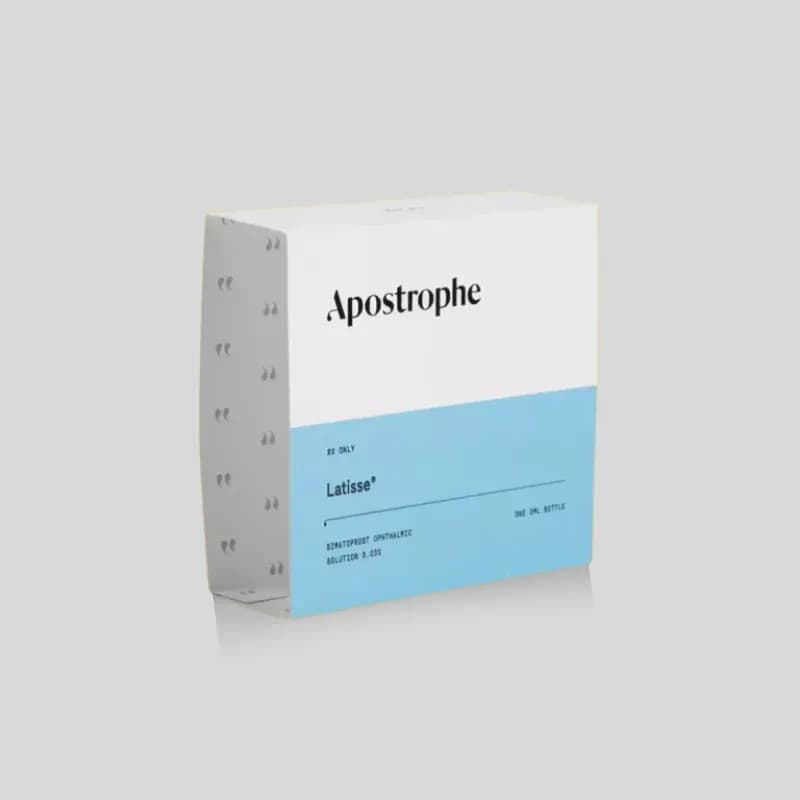
The catalog example above illustrates the packaging type; it is not a storage trial or a photograph of a tested warehouse arrangement.
Control partial pallets and stock rotation
Once a pallet is opened, the remaining stock still needs protection. Open only the quantity needed for the planned packing run, retain suitable protective covers, and re-cover unused bundles according to the supplier's instructions. Keep labels readable rather than wrapping them inside an unidentified bundle.
Track receipt date and lot identity when rotating stock. First-in, first-out can be a useful starting rule, but it must not override revision control: an older artwork version may no longer be approved. Where the supplier specifies a usable storage period, include that date in the inventory record and review stock before it becomes overdue.
Avoid returning exposed, damaged or mixed leftovers directly into an unopened lot. Create a separately labeled return location with a clear inspection status. This prevents a later shift from treating unverified leftovers as untouched incoming stock.
Release cartons with a small packing check
Before committing a whole lot to production, inspect a representative selection using a sampling plan agreed with your quality team or converter. Look for changes in flatness, damaged edges, sticking surfaces and unexpected odor. Compare against the approved reference rather than relying on memory of a previous delivery.
Erect the cartons using the intended process and fit the actual product or an agreed equivalent. Confirm that panels align, closures operate and the pack does not require unusual force. If cartons run on equipment, trial them under the intended operating setup and record any feeding problem. A hand-erected sample cannot prove automated-line performance.
Keep storage-related checks distinct from other quality investigations. Abrasion testing answers questions about printed surface durability; seam testing investigates a bond; a storage release confirms that the lot is suitable to enter your packing process after handling. Combining these into one vague visual pass can leave the real cause of a problem unresolved.
Respond to a storage incident with traceable evidence
If a leak, humidity excursion or unexpected feeding problem occurs, stop mixing the affected stock with other lots. Record when the condition was discovered, which pallets were exposed and where they were located. Retain photographs and available environmental logs, including readings from unaffected locations where useful.
Compare exposed stock with an identified reference or unaffected lot under the same checking procedure. Do not conclude that humidity caused every warp or closure issue: converting variation, compression damage and equipment setup may produce similar symptoms. Send the supplier the evidence and ask for a structured assessment.
Document the disposition: approved for use, restricted to an agreed trial, returned, or rejected. A verbal instruction to use the boxes slowly is not a replacement for an acceptance decision. Record who authorized the action and keep the suspect stock's identity through any trial.
Include storage needs in your next packaging brief
A useful quote request should describe both the product and the route the empty packaging will take before filling. Send product dimensions and weight, expected order quantity, planned packing method, approximate storage duration and any known environmental constraints. Include the shipping format you need, available warehouse space and whether deliveries will be split across locations.
Ask the supplier to distinguish the costs of board selection, printing, finishes, protective shipping materials and delivery arrangements. Ordering more stock may change unit pricing, but additional inventory also creates handling and storage obligations. Compare realistic replenishment options rather than selecting a quantity from unit price alone.
Browse Brisk's packaging product range when choosing a commercial structure. For early design work, request a Free Custom 3D Digital Box Design & Vector Dielines. The offer is digital, not a mailed physical sample kit. A digital mockup supports artwork and layout decisions; it does not validate moisture resistance, storage life or packing-line behavior. Discuss any required physical pre-production proof with the team as part of order approval.
FAQ: Frequently Asked Questions
What humidity should flat folding cartons be stored at?
Use the written range approved by the converter for your carton specification. Paperboard, finishes, adhesives and the intended process influence handling requirements. Generic paper-storage numbers can provide context but should not replace order-specific instructions or an agreed acceptance procedure.
How long should cartons acclimatize before opening?
There is no universal waiting period for every shipment. The temperature difference, pallet size, wrapping and storage conditions matter. Keep appropriate protective packaging intact and follow the supplier's release procedure rather than assuming that a fixed number of hours proves readiness.
Can unused cartons stay in the warehouse indefinitely?
Do not assume indefinite storage is acceptable. Ask for a usable storage period and inspection requirements, track receipt and batch details, and check that artwork remains approved. Reinspect older or previously opened stock before returning it to the packing line.
Should wet cartons be dried and used?
Isolate wet or suspect stock and ask the supplier to assess it. Surface drying does not establish that board, adhesive, print or cleanliness requirements are still met. Do not use improvised heating or mix affected cartons back into an accepted lot without a documented decision.
Does a digital box design confirm storage performance?
No. A digital design shows proposed appearance and layout, not the behavior of physical materials in your warehouse. Storage suitability needs an agreed material specification, handling instructions and any physical checks appropriate to the application.