Choose custom medicine boxes only after the product, approved primary container, closure, leaflet or instructions, required information, coding method, packing process, distribution route, sales channel, and destination market are defined. The folding carton is usually secondary packaging: it can organize, communicate, protect against ordinary handling, and support tamper-evidence features, but it does not automatically provide the primary container's barrier or prove regulatory compliance. Validate the complete pack with qualified quality, regulatory, packaging, and operations reviewers.
Brisk's Custom Health Boxes category is the canonical commercial destination. This guide supports that page by helping healthcare, over-the-counter, wellness, pharmacy, private-label, and contract-packaging teams prepare a controlled sample request and quotation rather than treating the article as medical or legal advice.
Define the product and market before designing the carton
A tablet bottle, blister pack, dropper bottle, tube, sachet set, device accessory, and multi-component kit create different carton requirements. Record the exact product classification, intended use, primary-container specification, closure, quantity, shelf-life program, storage conditions, handling risks, and markets before selecting a style. Requirements vary by product type, claim, channel, age group, and jurisdiction, so a box copied from another brand is not a reliable specification.
Build one pack brief that identifies:
Approved primary container, closure, dimensions, weight, tolerances, and orientation;
Blisters, bottles, droppers, measuring devices, sachets, applicators, or other components;
Leaflet, instructions for use, medication guide, coupon, or supporting document;
Required identity, strength or concentration, quantity, directions, warnings, business details, and other reviewed copy;
Lot, batch, expiry, serial, barcode, data carrier, and variable-print needs where applicable;
Child-resistant, senior-friendly, tamper-evident, authentication, or accessibility objectives that require specialist assessment;
Manual or automated cartoning, leaflet insertion, coding, inspection, aggregation, case packing, and palletizing;
Pharmacy, clinic, retail, hospital, direct-to-consumer, sample, institutional, or other distribution channel;
Languages, countries, pack sizes, formulations, customers, and artwork versions.
Freeze the approved primary pack before finalizing carton dimensions. A different cap, blister lidding format, label stock, bottle shoulder, leaflet fold, or measuring device can change fit and line behavior. Use production-representative components across their allowed tolerances, not a rendering or one ideal sample.
Separate primary-container duties from carton duties
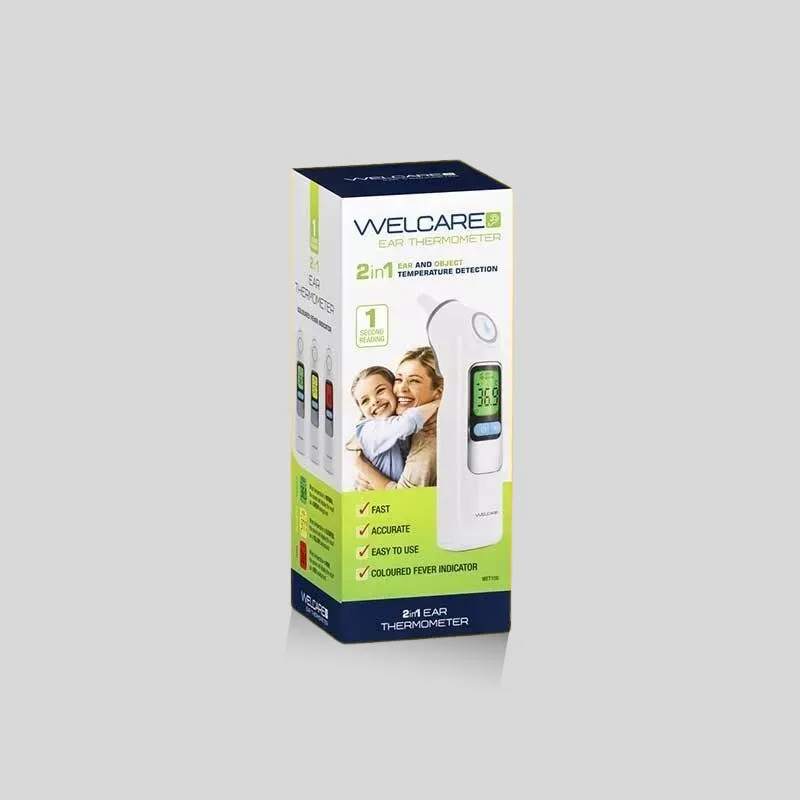
Assign each performance requirement to a named component. The primary container and closure may be responsible for direct contact, containment, moisture or oxygen barrier, light protection, seal integrity, and product stability. The carton may provide printable area, component organization, physical separation, stacking support, handling protection, and evidence of opening when engineered with a validated system. A leaflet carries approved instructions; a label may carry variable data; the shipping case handles grouped distribution loads.
Do not assume that paperboard thickness, a coating, lamination, or a foil finish makes the carton a moisture barrier, child-resistant package, sterile barrier, or temperature-control system. Those outcomes depend on the exact complete construction and evidence. Likewise, the availability of a perforation or glued closure does not itself establish tamper evidence. The opening feature must be designed, produced, inspected, and validated for the intended pack and market.
If the product is sensitive to temperature, humidity, oxygen, light, contamination, shock, or vibration, define the control strategy with the product owner and qualified specialists. Packaging tests can support decisions, but only an approved stability and distribution program can establish suitability for the specific product and shelf life.
Measure the complete pack, not just the container
Follow Brisk's box measurement guide and state whether dimensions are internal or external. Measure several production-representative primary packs at maximum expected dimensions. Include label overlap, cap features, blister curvature, leaflet thickness, instruction fold, tray, divider, measuring device, security label, and any applicator.
Controlled clearance should permit reliable loading and closing without crushing a leaflet, scraping a label, disengaging a cap, bending a blister, or allowing excessive movement. Too little clearance can bow panels, spring flaps, damage components, and jam equipment. Too much clearance can create rattle, abrasion, poor presentation, or a larger shipping cube. There is no universal allowance: board caliper, scores, folds, component tolerances, packing speed, insertion direction, and equipment determine the practical fit.
Ask for the production dieline only after the material, structure, closure, and internal arrangement are selected. Prototype with all components and worst-case tolerances. If multiple products share a footprint, confirm every combination independently; similar bottle volumes do not necessarily have the same cap height, label diameter, leaflet count, or coding area.
Select structure and board for the workflow
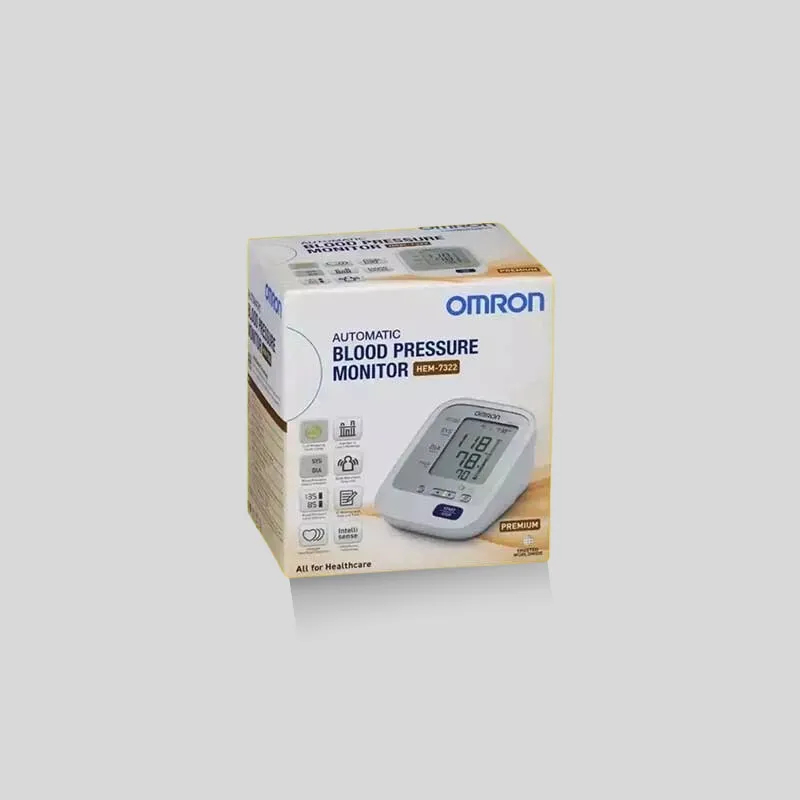
Straight-tuck or reverse-tuck cartons can suit many lightweight bottles, tubes, and blister packs. Compare opening direction, glue seam location, dust-flap interaction, component insertion, panel sequence, and closure security. The choice should support the cartoner and information layout, not just visual preference.
Seal-end cartons may support line-packed products where glued ends and controlled compression fit the process. Equipment owners and the converter should approve glue areas, end geometry, opening method, coding position, and inspection plan before artwork release.
Auto-bottom or crash-lock styles can speed manual assembly for some heavier packs, but they add folds and glue operations. Test bottom flatness, component retention, packing motion, and failure behavior. A convenient setup feature is useful only if it remains compatible with the product, line, inspection, and distribution system.
Dividers, paperboard inserts, and molded components may separate bottles, devices, or accessories and control orientation. Use Brisk's packaging inserts guide to compare fit and material directions. An insert should retain without damaging labels, closures, blisters, or instructions and should not conceal required information or frustrate removal.
The verified Brisk product record for Custom Health Care Medicine Boxes lists SBS paperboard, art card, and Bux board as available directions. SBS provides a smooth white printing surface; coated art card can support sharp graphics; heavier board may help some larger formats. Final grade and caliper must follow component weight, dimensions, crease performance, packing line, stacking, distribution, and validation—not a generic material claim.
Coordinate tamper evidence, opening, and accessibility
A useful opening system makes intended access clear without creating accidental damage. Potential directions include glued flaps, perforated tear features, labels, seals, or other mechanisms, but the correct approach depends on the product and market. Define what visible, irreversible, or inspectable evidence is required, who applies it, how the line verifies it, and how a user recognizes it. Do not call a package tamper evident until the exact finished system has passed the applicable review and validation.
Accessibility and security can pull in different directions. Small tabs, high opening force, low-contrast instructions, glossy glare, and tightly packed leaflets can create difficulty for users with limited dexterity or vision. Conversely, easy opening may conflict with security or child-resistance objectives. Treat child resistance and senior friendliness as system-level performance requirements requiring appropriate protocols and specialists; graphics or a carton lock alone are not proof.
Test the opening sequence with representative users where appropriate. Confirm that instructions remain available, components are presented in a logical order, and opening does not tear critical copy or scatter small parts. If a perforation creates paper fibers near a sensitive component, assess that behavior in the complete packaging process.
Build controlled artwork and variable information
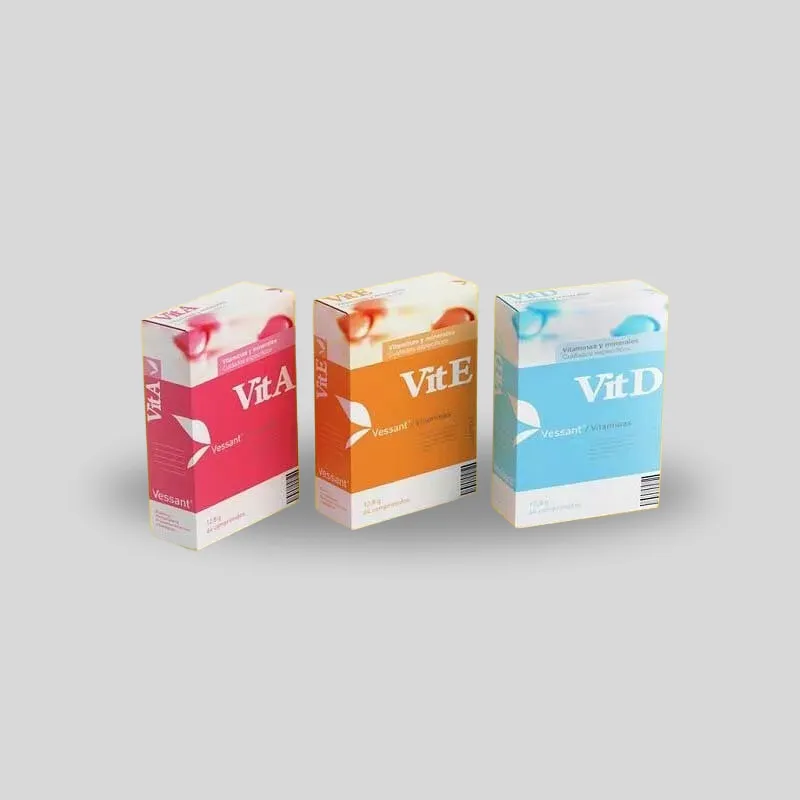
Create an approved information map before decorative design. Reserve named panels for product identity, strength or concentration, dosage form, quantity, directions, warnings, storage, ingredients or active information, business details, market-specific statements, and other reviewed content as applicable. The exact content, prominence, language, and placement must come from qualified reviewers for the product and destination.
Use Brisk's artwork preparation guide with the approved production dieline. Protect bleed, safe zones, folds, glue flaps, perforations, code areas, quiet zones, small type, and inspection marks. Keep variable codes away from seams, coatings, foil, embossing, high-gloss areas, and panel curvature unless coding and verification trials prove readability.
Create a version matrix connecting every formulation, strength, count, language, country, customer, barcode, leaflet, primary label, carton, and revision. Similar artwork is a mix-up risk. Use controlled identifiers, named approvers, documented change control, and line-clearance procedures appropriate to the operation. Color can help users distinguish variants, but never rely on color alone; use clear text, codes, and hierarchy.
CMYK supports images and broad multi-color artwork. Spot colors may help manage selected brand or variant colors, but output still depends on substrate, ink, coating, and process. Review Brisk's CMYK versus Pantone guide, approve material-specific proofs, and evaluate color under realistic lighting. Specialty finishes should not interfere with legibility, code adhesion, scanning, glue, opening, or inspection.
Prototype packing, coding, scanning, and distribution
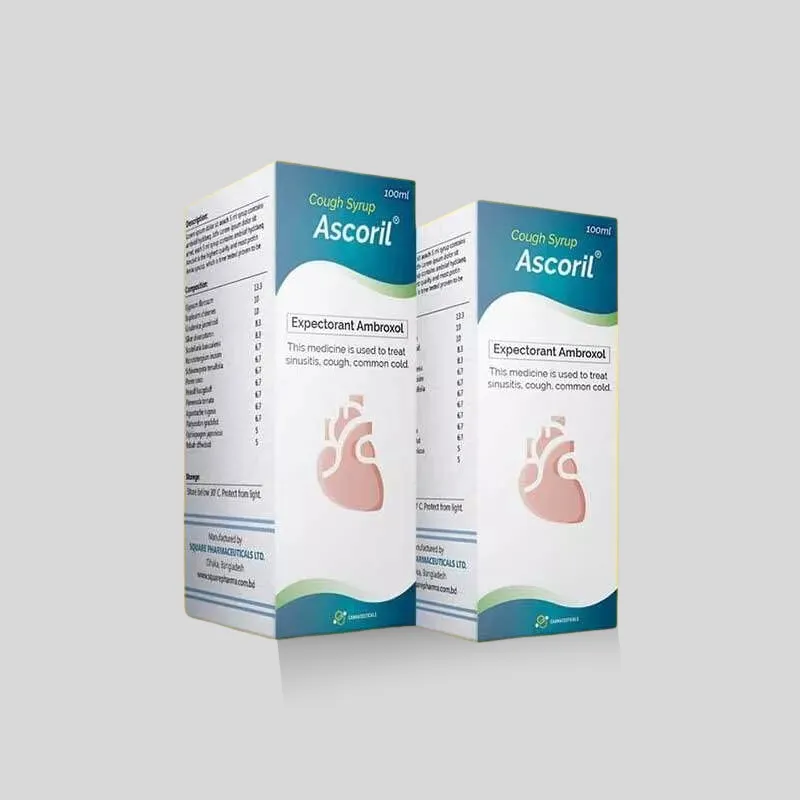
A screen proof cannot reveal a crushed leaflet, unreliable flap, unreadable date code, or scanner glare. Run a controlled physical trial:
Form cartons using the proposed board, scores, glue, print, coating, and opening features.
Load representative primary packs, leaflets, devices, and inserts across their tolerances.
Observe manual or automated erection, insertion, closing, and rejection behavior.
Apply variable data with the intended coder at realistic line speed.
Verify human-readable text, barcodes, data carriers, and vision-system checks.
Inspect glue, perforations, labels, tamper features, component orientation, and leaflet presence.
Pack cartons into the proposed shipping case and pallet pattern.
Conduct handling, compression, vibration, environmental, and distribution tests appropriate to the route.
Reinspect components, seals, print, codes, carton shape, and opening features against approved criteria.
Simulate receiving, storage, picking, dispensing, opening, use, and disposal as relevant.
Document acceptance criteria before testing. Record equipment settings, sample construction, lots, conditions, deviations, and approvals. If the carton changes after validation—board, adhesive, coating, printer, dieline, supplier, code location, or leaflet—use formal change assessment to decide what must be reviewed or repeated.
What affects custom medicine-box cost?
Cost depends on finished dimensions, board grade and caliper, quantity, blank yield, carton style, gluing, printing method, ink coverage, coatings, specialty finishes, perforations, inserts, leaflet handling, number of artwork versions, variable printing, inspection, proofing, tooling, bundling, cases, freight, destination, and schedule. A small carton can still be complex when it has many versions and controlled coding requirements.
Request quantity tiers against one frozen specification. Ask whether the quote includes structural design, dielines, proofs, dies or plates, coatings, gluing, inserts, coding trials, packing configuration, freight, and applicable taxes or duties. MOQ, lead time, and commercial terms vary by project; rely on the written quotation rather than generic page claims.
Reduce avoidable complexity through compatible shared footprints, disciplined artwork templates, controlled version planning, and coordinated production quantities. Never remove necessary information, product protection, validated security features, inspection, or testing merely to lower unit price.
Quote checklist for custom medicine boxes
[ ] Product type, classification, intended use, market, channel, and storage conditions
[ ] Approved primary container, closure, label, dimensions, tolerances, weight, and samples
[ ] Blisters, leaflet, instructions, device, applicator, insert, and component orientation
[ ] Internal dimensions, clearance, opening direction, closure, and board specification
[ ] Reviewed information map, languages, variants, barcodes, and revision matrix
[ ] Lot, expiry, serial, data carrier, coding equipment, and verification requirements
[ ] Tamper-evidence, authentication, accessibility, or child-resistance objectives for specialist review
[ ] Manual or automated cartoner, line speed, insertion, gluing, inspection, and rejection needs
[ ] Printing, coating, finish, glue, perforation, code, and quiet-zone requirements
[ ] Samples, proofs, line trial, tests, quantity tiers, cases, destination, and target date
FAQ: Custom medicine boxes
What is the best material for a medicine carton?
There is no universal best board. SBS can provide a smooth white print surface, while other coated or heavier boards may suit different loads and structures. Select grade and caliper after testing the real components, folds, line, coding, stacking, and distribution route.
Does a folding carton protect medicine from moisture or light?
Not automatically. The approved primary container usually carries core containment and barrier duties. The carton can add handling protection and opacity, but barrier and stability claims require evidence from the complete product-pack system.
How much clearance should a carton have?
Use enough controlled clearance for component and process tolerances without crushing leaflets, scraping labels, jamming the line, or allowing excessive movement. Prototype several representative packs; do not apply a universal gap.
Can a perforated carton be called tamper evident?
A perforation alone is not proof. Define the intended evidence, complete construction, manufacturing controls, inspection, user recognition, and applicable validation with qualified reviewers before making the claim.
Can several strengths share one carton size?
They may share a structural footprint if every container, leaflet, code, closure, and line requirement fits, but each artwork version must remain unmistakably controlled. Use text and identifiers in addition to color and maintain a version matrix.
What should I send for a medicine-box quote?
Send the approved primary-pack samples, component list, internal dimensions, structure and board direction, reviewed information plan, version matrix, coding requirements, line details, test plan, quantities, destination, and schedule.
Request a controlled sample and quote
Bring Brisk production-representative primary containers, leaflets, devices, inserts, the reviewed information map, version matrix, coding method, packing-line requirements, quantity tiers, and distribution route. A packaging specialist can help compare folding-carton structures, board grades, print methods, coatings, opening features, prototypes, and dielines while the Health Boxes category remains the transactional owner.
Review Custom Health Boxes and the Custom Health Care Medicine Boxes product, then request a sample, dieline review, and a project-specific quote. Release production only after qualified teams have approved the product, primary pack, carton, copy, codes, line process, tests, and market requirements.