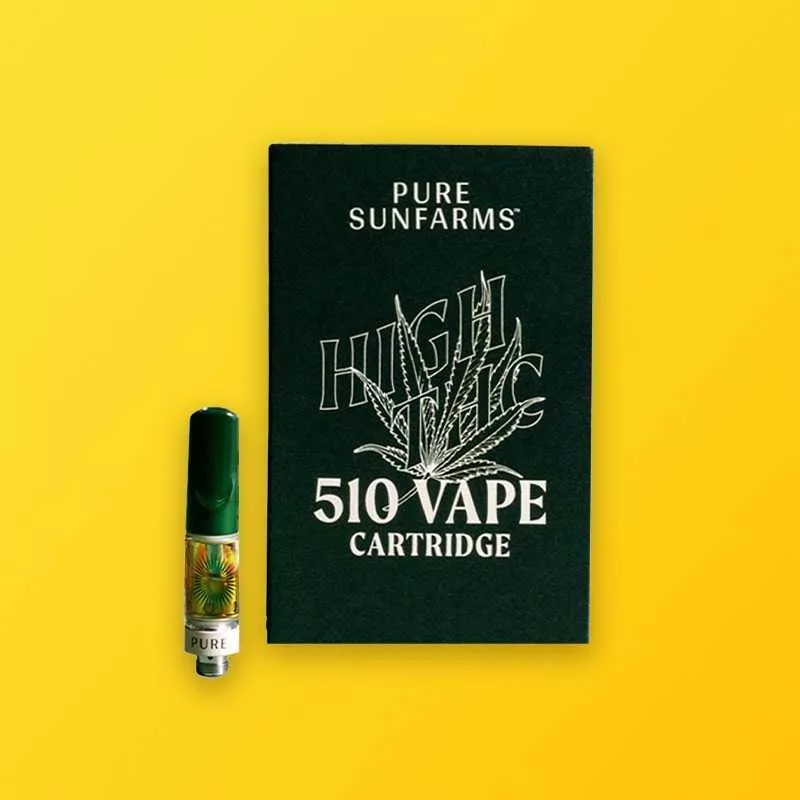
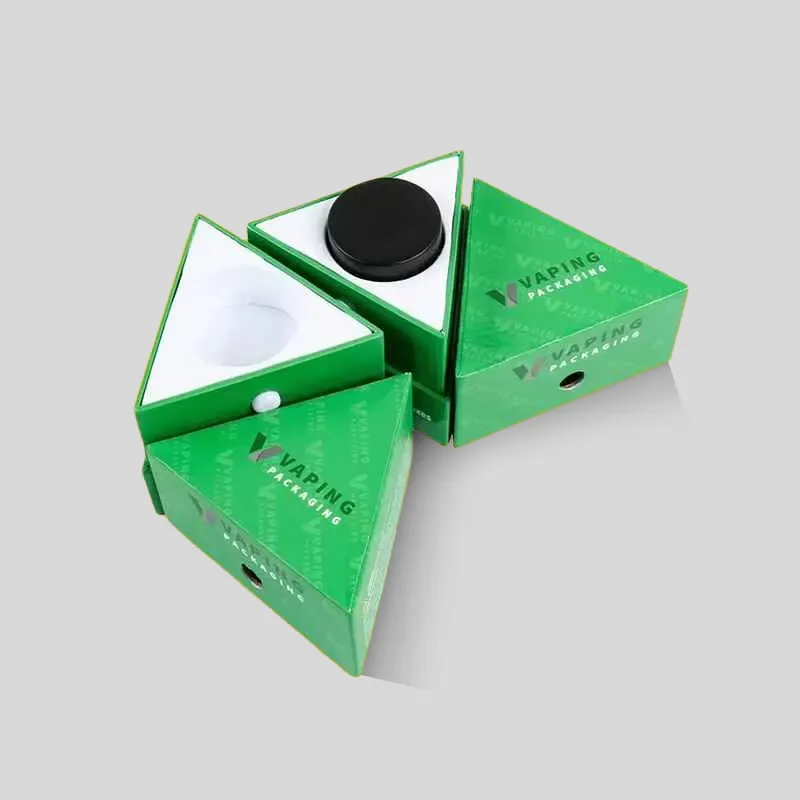
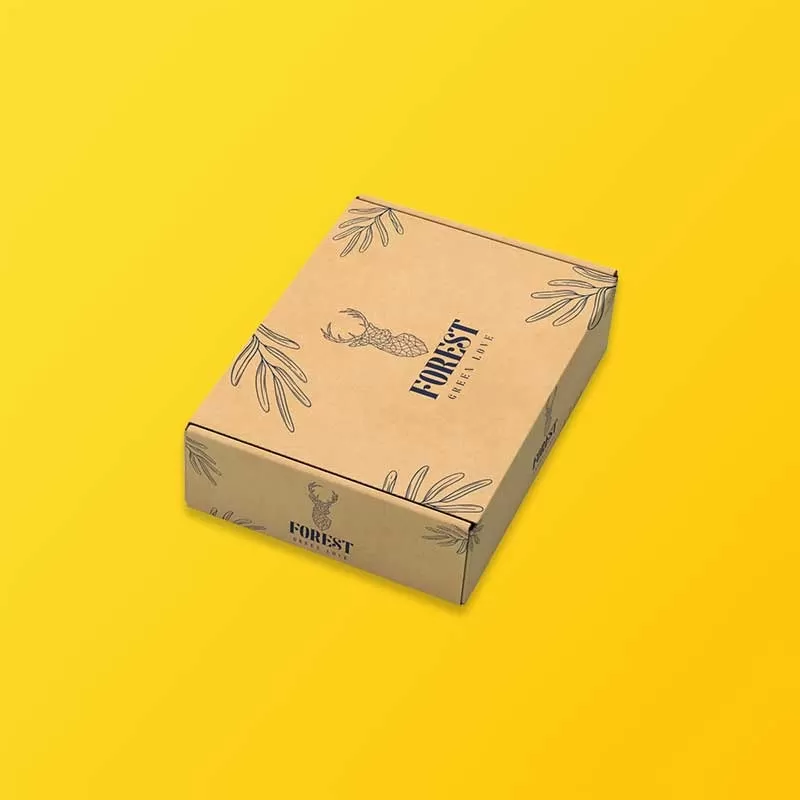
Custom packaging boxes are product boxes made around your product size, brand identity, shipping needs and customer experience. The right box protects the item, looks professional in the customer's hand, and gives your brand a cleaner first impression than a plain stock box.
But the best custom box is not always the most expensive one. A growing brand needs the box style that matches the product, the sales channel and the budget. An ecommerce brand may need a strong mailer box. A beauty brand may need a printed paperboard carton. A premium gift product may need inserts or a rigid-style presentation box. A retail product may need a structure that looks good on shelf and communicates the product quickly.
This guide explains how to choose custom packaging boxes properly before you request a quote from Brisk Packaging.
Start with the job the box must do
A packaging box has three jobs: protect the product, present the brand and make handling easier.
If you only think about design, you can end up with a beautiful box that is too weak for shipping. If you only think about cost, you can end up with a plain box that makes the product feel cheaper than it really is. If you only copy a competitor, you may choose a box that looks good online but does not fit your product dimensions or fulfillment process.
Before choosing a box style, answer these questions:
- Will the box ship directly to customers or sit inside another shipping carton?
- Is the product fragile, heavy, liquid, small, luxury, food-related or regulated?
- Does the customer open the box at home, in a retail store, at an event or as a gift?
- Does the box need inserts, compartments, a window, a hanger tab or a locking flap?
- How much printing is needed: outside only, inside printing, full colour, simple logo or premium finish?
- What quantity do you need now, and how might that quantity change later?
These answers decide the structure before the artwork does.
Choose the right box style first
The box style is the foundation. Design can improve a box, but it cannot fix the wrong structure.
Mailer boxes for ecommerce and subscription brands
Mailer boxes are a strong choice for ecommerce products because they are built for shipping, opening and brand presentation in one structure. They usually use corrugated material and a self-locking style, so the box feels more intentional than a basic shipping carton.
Use a custom mailer box when:
- the product ships directly to the customer;
- the unboxing experience matters;
- you want branding on the outside or inside of the box;
- the product needs more protection than a thin folding carton;
- you sell subscription boxes, apparel, accessories, cosmetics, small gifts or lifestyle products.
Brisk's custom mailer box product page highlights corrugated construction, easy assembly, protective design, full-colour printing and free design assistance. That makes this structure useful for brands that want shipping protection and a branded customer experience together.
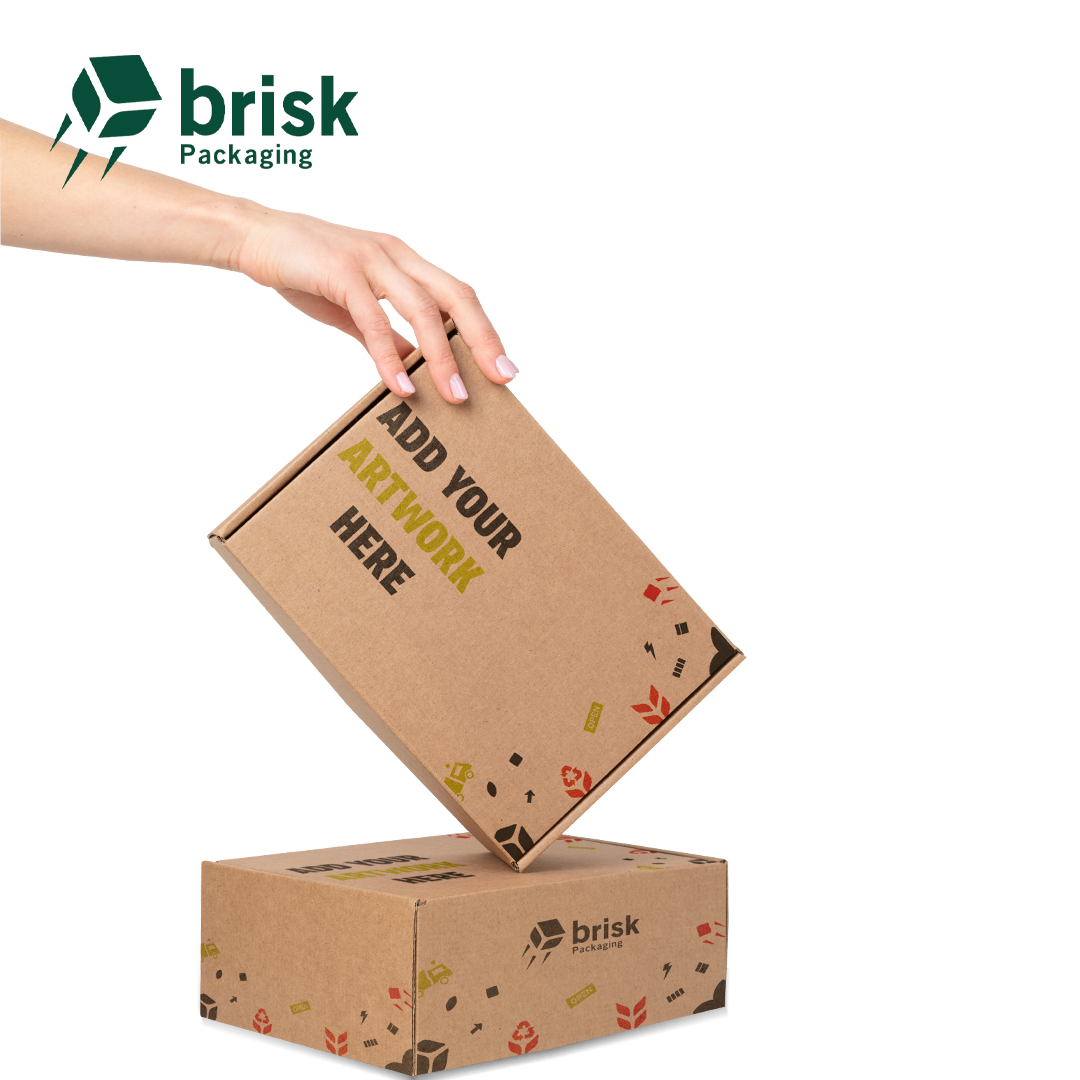
Related product page: Custom Mailer Boxes.
Paper boxes for lightweight retail products
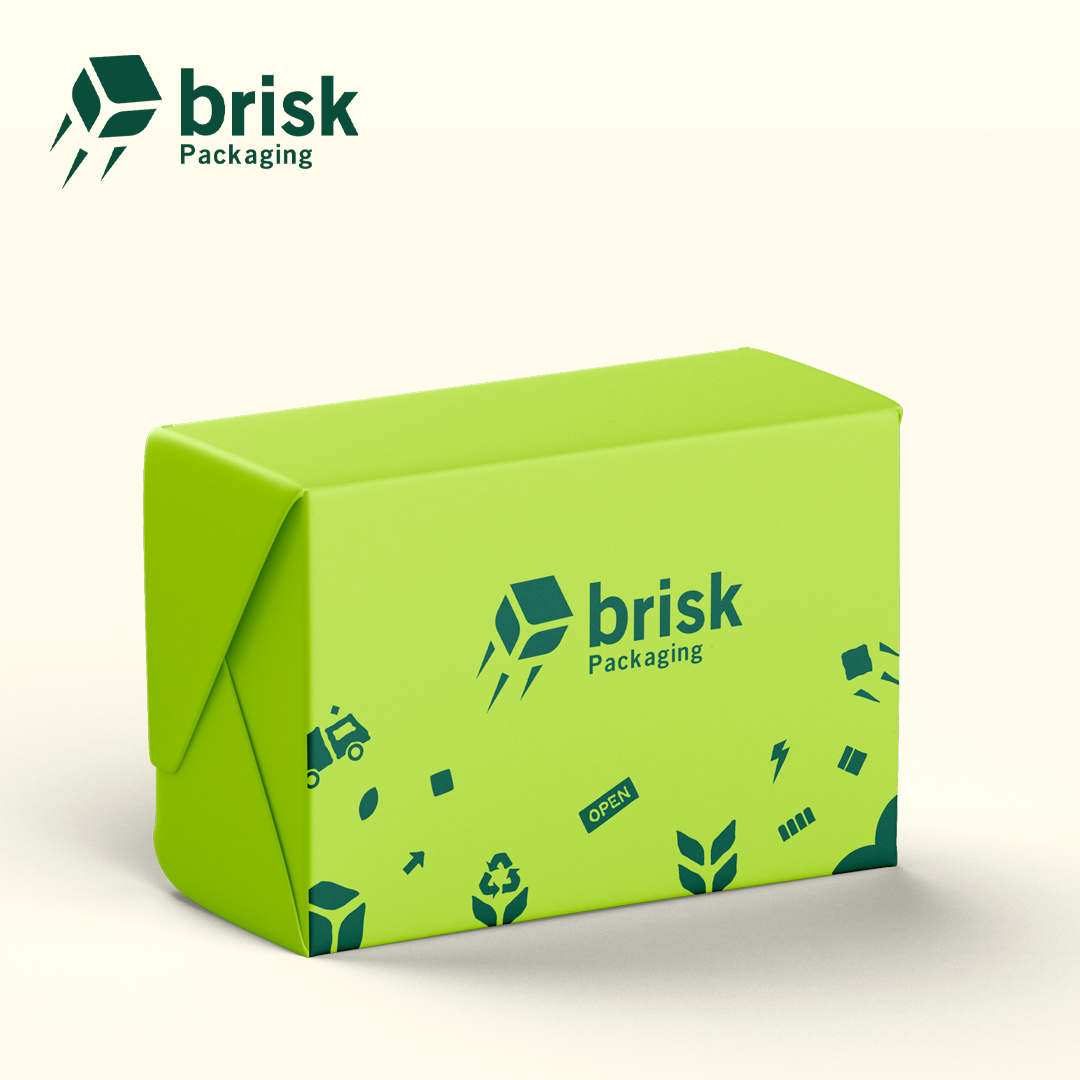
Paperboard or cardboard product boxes work well when the product needs a clean retail presentation but does not need the same shipping strength as a mailer. These are common for cosmetics, soaps, supplements, small electronics, accessories, candles and lightweight retail goods.
Use a paper box when:
- the product will be displayed on a shelf;
- you need a clean printable surface;
- the product is not too heavy for the board grade;
- you want a professional branded carton around the item;
- the box will go inside a shipping mailer or outer carton.
A paper box is often the right choice when the goal is shelf presentation rather than direct shipping protection. The structure can stay simple while the printing, finish and layout carry the brand.
Related product page: Custom Paper Boxes.
Boxes with inserts for protection and presentation
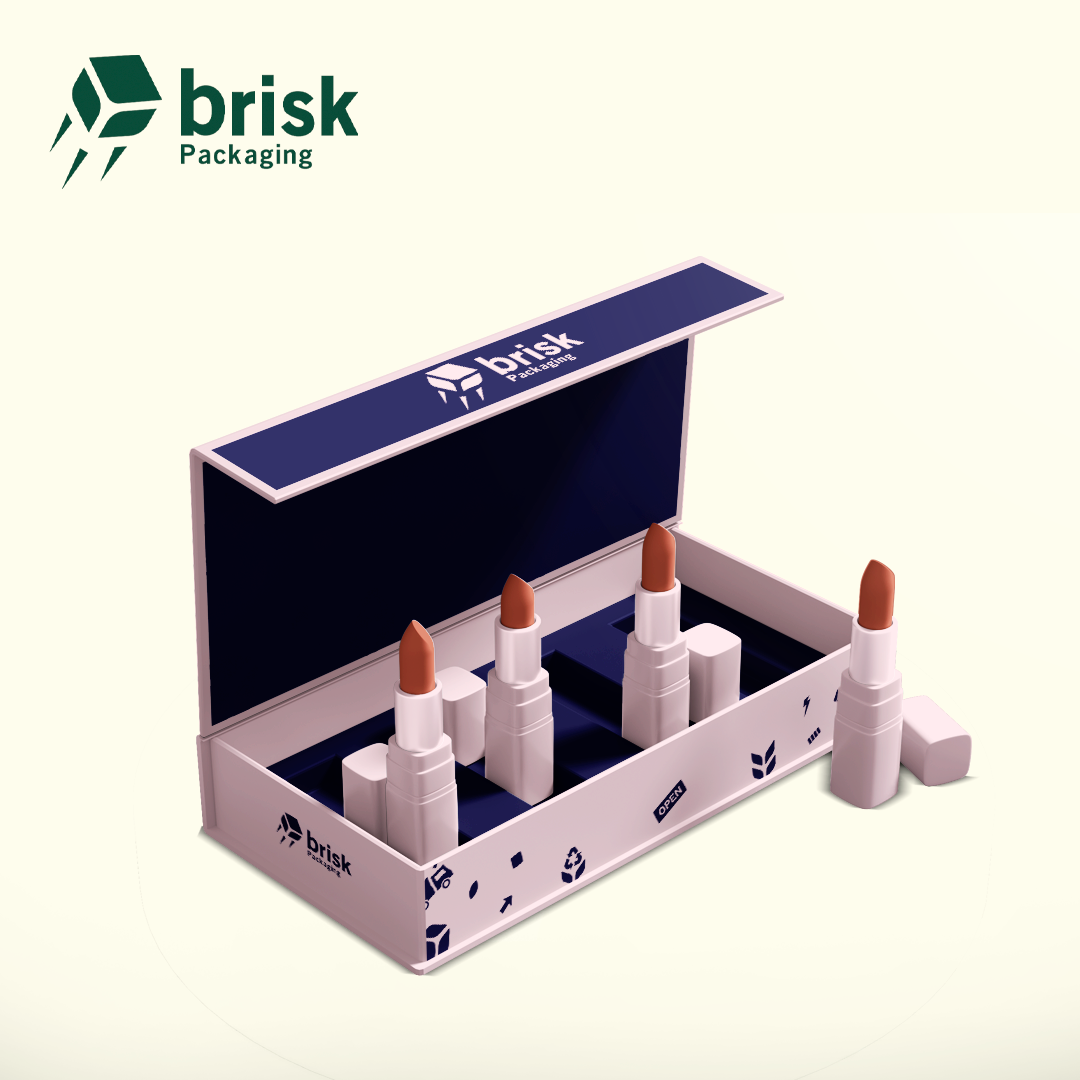
Inserts are useful when the product needs to stay in position. They can hold bottles, jars, cosmetics, glass items, electronics, sample kits, gift sets and multi-piece products. Inserts also make the inside of the box feel planned instead of empty.
Use boxes with inserts when:
- the product can move around inside the box;
- the product is fragile or has multiple parts;
- the customer should see the product arranged neatly when the box opens;
- the brand wants a premium presentation without wasting space;
- the box must support bottles, tubes, accessories or sample items.
The biggest mistake with inserts is treating them as decoration only. A good insert should support the product, improve presentation and still be practical for assembly.
Related product page: Custom Boxes with Inserts.
Kraft boxes for natural and eco-conscious positioning
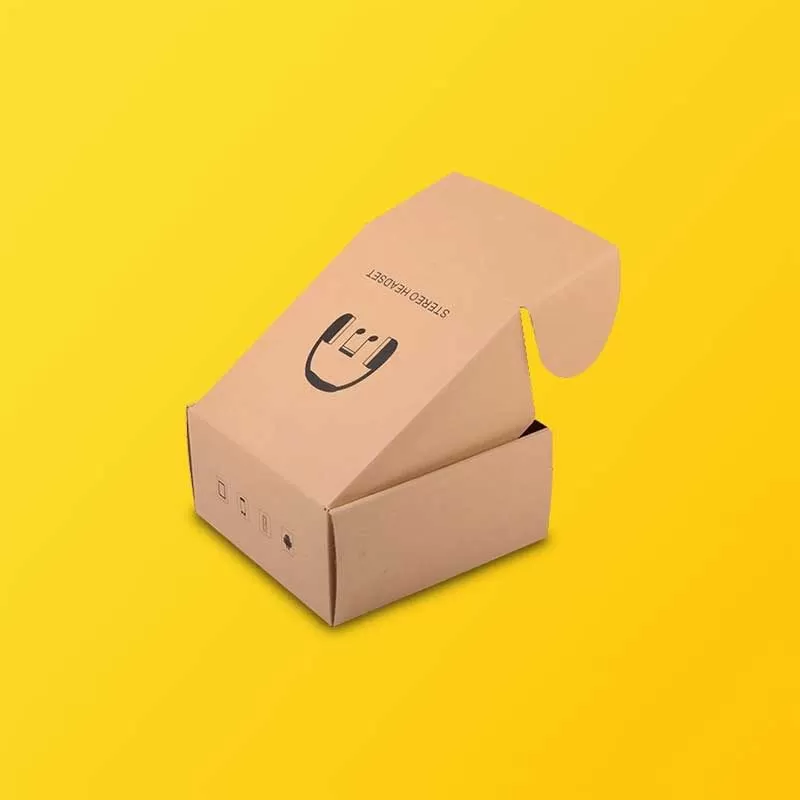
Kraft boxes are popular for brands that want a natural, simple or eco-aware presentation. The brown kraft look works well for organic products, handmade goods, food items, apparel, wellness brands and minimalist ecommerce packaging.
Use kraft packaging when:
- the brand identity is natural, earthy or minimal;
- the packaging should feel less glossy and more grounded;
- simple one-colour printing is enough;
- the product suits a recycled or rustic visual style;
- the customer expects practical packaging rather than luxury shine.
Kraft is not automatically the best choice for every brand. If the product needs bright colour accuracy or a premium cosmetic look, white or coated stock may print better. But for many direct-to-consumer brands, kraft makes the package feel honest and practical.
Related product page: Custom Kraft Mailer Boxes.
Match material to product risk
Material choice should follow product risk. A lightweight skincare tube, a glass jar, a folded shirt and a set of candles do not need the same board or structure.
Common packaging material decisions include:
- corrugated board for shipping strength and mailer boxes;
- kraft paperboard for a natural or recyclable look;
- paperboard/cardboard for printed retail cartons;
- rigid board for premium gift and luxury presentation;
- inserts or partitions for fragile or multi-part products;
- food-safe or coated materials when the product requires it.
If the product is fragile, heavy or shipped through multiple carriers, choose strength before decorative finishes. If the product sits on a shelf, choose print quality and structure that make the offer clear. If the product is a gift, focus on opening experience and internal presentation.
A good quote request should include the product weight, dimensions and shipping method because those details affect the box recommendation.
Think about printing before finishes
Printing is the main way your box communicates the brand. Finishes are the extra layer.
For many brands, strong design starts with:
- clear logo placement;
- readable product name;
- simple colour system;
- enough contrast between text and background;
- clean panels without overcrowding;
- product claims or instructions placed where customers actually look.
Once the basic design works, then consider finishes such as matte lamination, gloss, soft-touch coating, foil stamping, embossing, debossing, spot UV or window cutouts. These can make a box feel more premium, but they should support the brand rather than distract from it.
For example, a luxury skincare box may benefit from foil and embossing. A natural soap brand may look better with kraft stock and simple black ink. A subscription box may need inside printing more than outside shine because the customer sees the interior during unboxing.
Use packaging to remove friction for the customer
Good packaging does not only look nice. It makes the customer experience easier.
For ecommerce, that can mean the box opens cleanly and protects the product during shipping. For retail, it can mean the product type and key benefit are clear within a few seconds. For premium products, it can mean the item sits securely in an insert and feels considered when opened. For food, cosmetics or CBD categories, it can mean label space, ingredient information, compliance-related areas and tamper-evident features are considered early.
This is why packaging should be planned with the full journey in mind:
- Product is packed by your team or fulfillment partner.
- Product is shipped, stored or displayed.
- Customer sees the outside of the package.
- Customer opens the package.
- Customer decides whether the product felt worth the price.
- Customer stores, shares, reorders or discards the packaging.
Every step can create friction or confidence.
Cost factors to understand before asking for a quote
Custom packaging pricing depends on more than the box name. A quote can change based on size, material, quantity, printing, finish, inserts, special structure, proofing and delivery requirements.
The main cost factors are:
- box dimensions and board thickness;
- order quantity;
- printing coverage and number of colours;
- inside printing vs outside-only printing;
- custom inserts, windows, sleeves or dividers;
- premium finishes such as foil, embossing or spot UV;
- packaging complexity and assembly requirements;
- shipping destination and timeline.
Avoid requesting a quote with only “I need custom boxes.” A packaging supplier can respond faster when you include product dimensions, product weight, target quantity, preferred style, artwork status and deadline.
If you are not sure which structure you need, Brisk Packaging can help compare options before production. That is better than choosing a box only because it looks good in a competitor's photo.
Common custom packaging mistakes
Choosing the box before measuring the product
Always measure the product first. Guessing dimensions can lead to extra empty space, poor insert fit or unnecessary shipping costs.
Making the design too busy
A box does not need every benefit, icon and claim on the front. Clean design usually feels more professional than overcrowded design.
Ignoring the inside of the box
For ecommerce and gift products, the inside can be part of the brand experience. A simple insert, printed message or cleaner arrangement can make the package feel more complete.
Using weak packaging for direct shipping
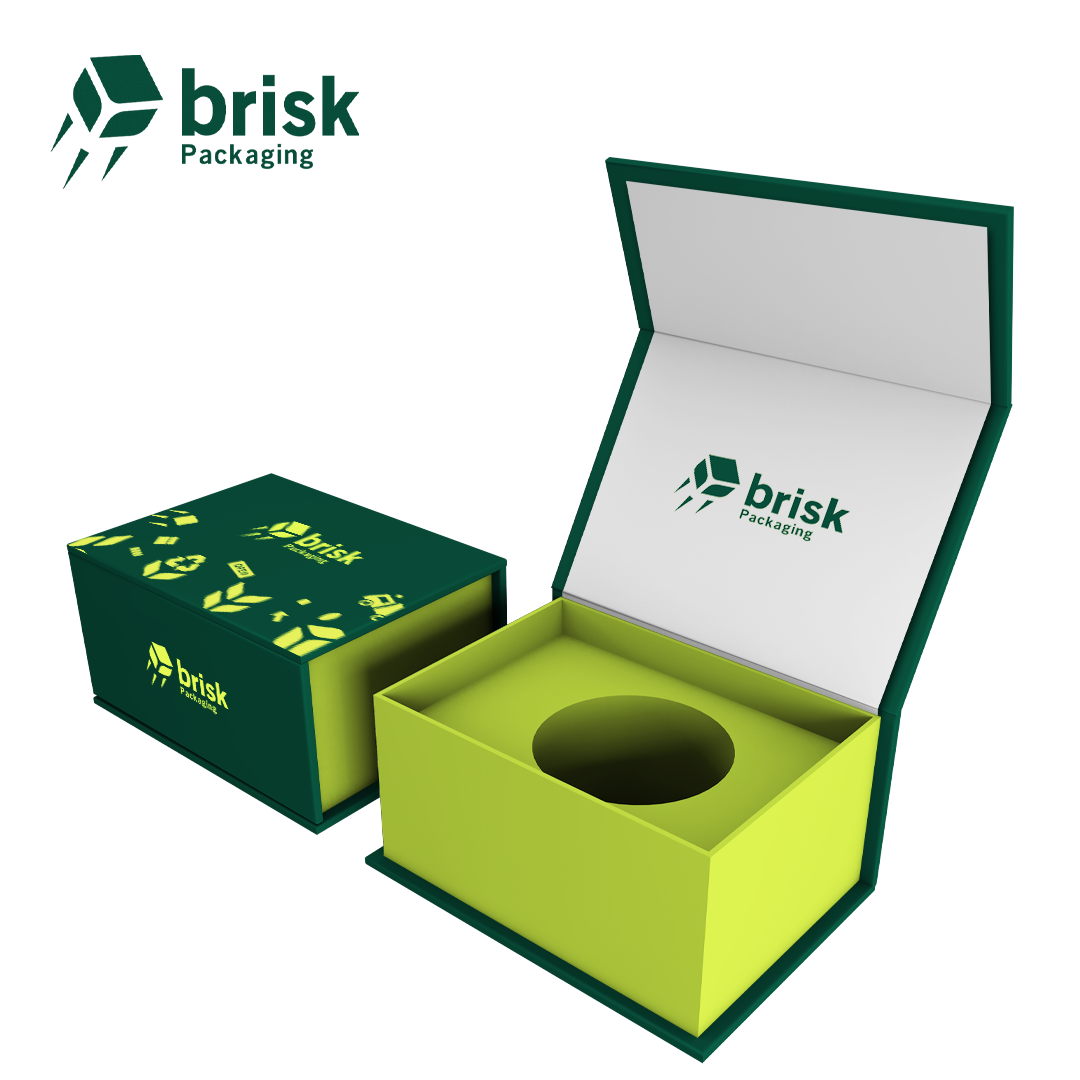
If the box goes through shipping carriers, structure matters. A retail carton may still need an outer mailer or shipping box.
Adding premium finishes without a reason
Foil, embossing and special coatings can help, but they should match the product price point and brand style. Do not add finishes just to make the box feel expensive.
Forgetting fulfillment speed
A beautiful package that is slow to assemble can create operational problems. Ask how the box folds, locks, packs and stores.
What to prepare for a Brisk Packaging quote
To get a useful custom packaging quote, prepare these details:
- product type;
- product dimensions and weight;
- box style you are considering;
- order quantity;
- shipping destination;
- preferred material;
- printing requirements;
- finish ideas;
- insert or window needs;
- target timeline;
- artwork files or design direction.
If you do not know the answer to every item, that is fine. The important part is to explain the product and goal clearly. Brisk can help you compare custom mailer boxes, kraft mailers, paper boxes, boxes with inserts and other packaging structures based on what you are selling.
For the next step, request a custom packaging quote and include product photos or dimensions. A packaging specialist can then recommend the structure, material and print approach that fits your brand.
FAQ
What are custom packaging boxes?
Custom packaging boxes are boxes made with your chosen size, material, structure, print design and finish. They can be used for ecommerce shipping, retail display, gift packaging, product cartons, subscription boxes and specialty packaging.
What is the best box style for ecommerce brands?
Many ecommerce brands start with custom mailer boxes because they combine shipping protection and branded presentation. If the product is fragile or premium, inserts may also be useful. If the product is lightweight and goes inside a separate mailer, a printed paper box may be enough.
Are kraft boxes better than printed white boxes?
Kraft boxes are better when the brand wants a natural, simple or eco-conscious look. White or coated boxes are often better when the design needs brighter colour, cleaner product photography or a more polished retail feel.
Do I need inserts inside my custom box?
You need inserts if the product may move inside the box, if it is fragile, or if presentation matters when the customer opens the package. Inserts are common for bottles, cosmetics, electronics, samples, gift sets and multi-piece products.
What information should I send for a packaging quote?
Send your product dimensions, product weight, quantity, box style preference, material preference, printing needs, finish ideas, shipping destination and timeline. If you have artwork, include it. If not, ask for design support before production.