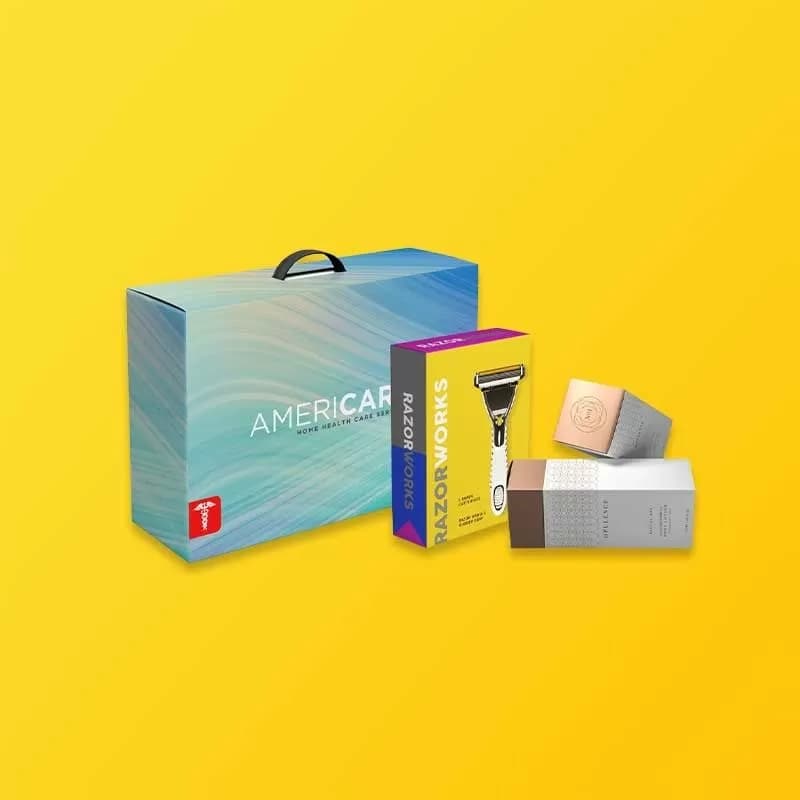
Folding cartons are the workhorses of retail packaging. Walk through any pharmacy, grocery aisle, or cosmetics department and nearly every shelf unit — the cereal box, the supplement bottle box, the blush compact sleeve — is a folding carton. They are printed flat on paperboard, die-cut and scored at the plant, and then glued, folded, and shipped flat to your facility where they pop into shape when filled.
For brands ordering packaging for the first time, the terminology can be confusing: folding carton, tuck box, set-up box, paperboard carton — these terms get used interchangeably online even though they describe meaningfully different structures. This guide covers everything you need to know to choose the right folding carton style, material, finish, and print spec before you request a quote.
What Makes a Folding Carton Different from Other Box Types
A folding carton is defined by two characteristics: it is made from paperboard (not solid wood, metal, or corrugated fiberboard), and it folds flat for storage and shipping. This distinguishes it from:
- Rigid (set-up) boxes — assembled at the factory and shipped nested, not flat; heavier, premium, and significantly more expensive per unit.
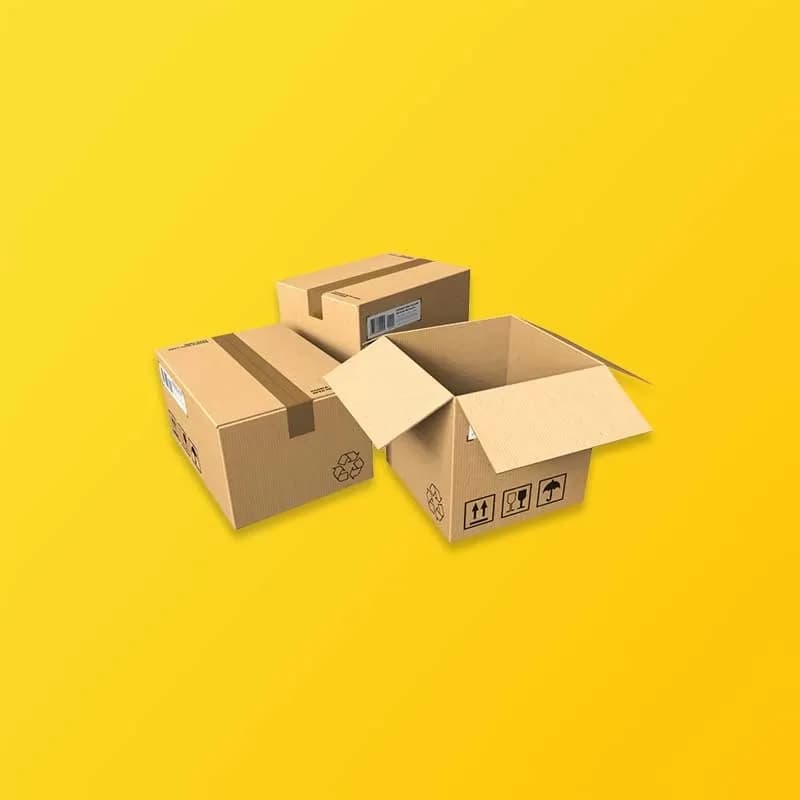
- Corrugated shipping boxes — made with a fluted inner layer for crush resistance; optimized for transit, not retail shelf display.
- Mailer boxes — a sub-category of corrugated designed for direct-to-consumer shipping.
Folding cartons sit squarely in the retail packaging category. They ship flat, assemble fast on a filling line, and take printing beautifully. MOQs are also friendly for growing brands — typically 100 units and up.
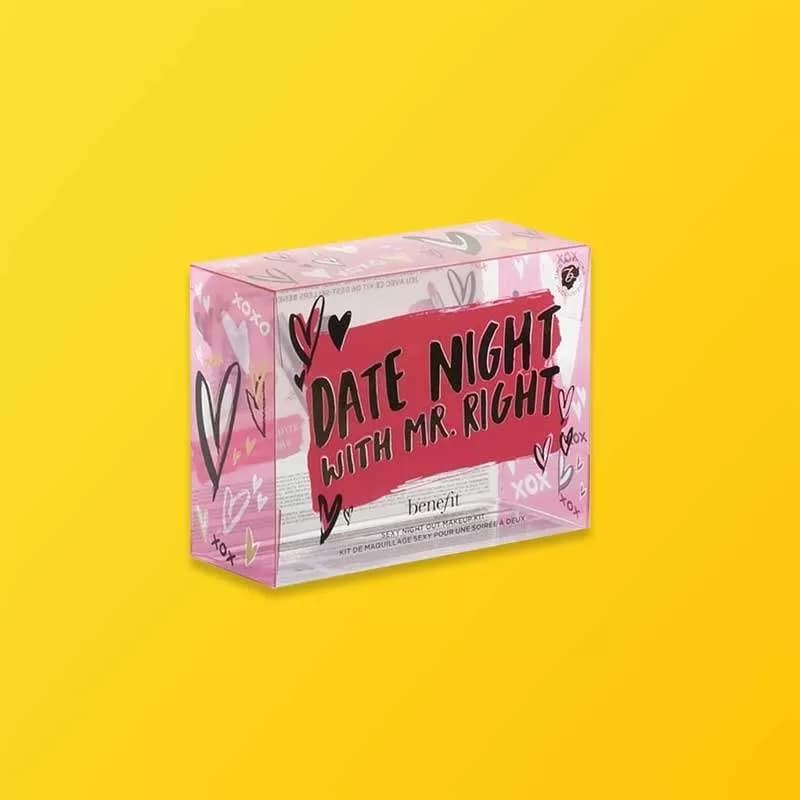
How Folding Cartons Are Made
Understanding manufacturing helps you make smarter spec decisions.
Board selection: Paperboard is the starting point. The mill calenders (calendars) and coats raw fiber into sheets. Solid Bleached Sulfate (SBS) produces a pure-white printing surface. Coated Recycled Board (CRB) uses recycled fiber but can still deliver a clean print when coated on one side. Kraft board retains a natural brown color prized for eco and artisanal aesthetics.
Printing: Sheets go through offset lithography or digital presses. Full-color CMYK builds from four process inks. Pantone (PMS) spot colors are mixed to formula for precise brand-color accuracy. High-build UV flood coats and metallic inks are added during or after printing.
Finishing: After printing, inline or offline UV varnish, matte or gloss lamination, foil transfer, embossing, debossing, and soft-touch coatings are applied.
Die-cutting and scoring: A steel-rule die punches the printed sheet into the flat blank — the net of the box with all fold lines and glue tabs pre-scored.
Gluing: One or more sides or tabs are glued at the folding carton plant, producing the flat-knock-down (FKD) form you receive. You or your filling line pops the carton open, fills, and closes.
Folding Carton Box Styles: The Complete Guide
Choosing the wrong closure costs you money at the filling line and creates consumer frustration at shelf. Here is every major style and when to use each:
| Style | How it closes | Best use | Speed on filling line |
|---|---|---|---|
| Straight Tuck End (STE) | Top and bottom tucks in the same direction | Pharmaceuticals, personal care, lightweight retail | Fast — single-direction tuck |
| Reverse Tuck End (RTE) | Top and bottom tucks in opposite directions | Cosmetics, small consumer goods, display-friendly | Fast; more tamper-evident appearance |
| Auto-Lock / Crash-Lock Bottom | Bottom locks automatically when popped open | Heavy products: food pouches, supplements, bottles | Very fast — no hand-fold bottom |
| Sleeve and Tray | Outer sleeve slides over an inner tray | Premium skincare, gift sets, electronics accessories | Moderate — two-piece assembly |
| Snap-Lock (Houghland) Bottom | Manually interlocked tabs, no glue | Dry goods, powders, hardware | Moderate; no glue line cost |
| 1-2-3 Bottom (Suitcase) | Sequential tab fold, no glue | Light-duty retail, promotional packaging | Moderate |
| Tuck Top Snap-Lock Bottom | Tuck top + snap-lock base combo | Mid-weight retail, food boxes | Fast top; moderate base |
| Full Overlap Seal End (FOSE) | Both major flaps overlap completely | Heavy-duty retail, produce, freezer items | Moderate; excellent compression strength |
For a deeper look at the two most common styles, see our guide on straight-tuck vs reverse-tuck boxes, and for automated line considerations, see custom auto-lock boxes.
Board Materials and Grades
The board grade determines printability, rigidity, moisture resistance, and cost per unit.
Solid Bleached Sulfate (SBS) is the premium standard for folding cartons. The white interior and exterior take ink cleanly, and the smooth surface is ideal for cosmetics, pharmaceuticals, food-grade cartons, and luxury personal care. Caliper (thickness) typically runs from 12 pt to 24 pt depending on product weight requirements.
Coated Recycled Board (CRB) uses post-consumer recycled fiber with a clay-coated surface on one or both sides. The printing face is white and receptive to lithographic inks. Interior gray or mottled coloring is hidden inside. CRB is the right call for brands that need to show sustainability credentials without sacrificing print quality.
Kraft (Natural Board) retains the natural brown character of unbleached fiber. It prints beautifully in both offset and digital, but because the substrate is not white, colors appear richer and earthier rather than punchy and bright. Perfect for artisan food brands, organic personal care, craft beverages, and eco-forward consumer goods.
C1S (Coated One Side) designates any board coated on one face only. Typically used for labels and light-duty cartons where the interior is not customer-facing.
Printing and Finishing Options
Printing and finishing are where folding cartons earn their premium on shelf.
CMYK Offset Lithography delivers the most cost-effective route to full-color printing at volume. Four process inks — Cyan, Magenta, Yellow, and Key (Black) — combine to reproduce photographic imagery and brand graphics at consistent quality. For how CMYK interacts with brand colors, see CMYK vs Pantone for packaging.
Pantone (PMS) Spot Colors are pre-mixed ink formulations matched to a standardized swatch system. When your brand color must be exact across every carton in every print run, PMS is the correct choice. Spot colors are typically added alongside CMYK — a four-color-plus-one-spot setup covers most brand requirements.
Matte and Gloss Lamination bonds a thin film to the printed surface. Gloss lamination boosts color saturation and protects against scuffing. Matte lamination creates a soft, sophisticated tactile surface that photographs cleanly and signals premium positioning. For a detailed comparison, see matte vs gloss lamination for packaging.
Foil Stamping applies a metallic or holographic film to selected areas under heat and pressure. Gold, silver, rose gold, and holographic foils add shelf presence without covering the entire carton in metallic ink.
Embossing and Debossing create raised or recessed impressions in the board — typically used on logos, brand names, or decorative patterns. Embossing lifts the element toward the viewer; debossing presses it in. Both can be combined with foil for a foil-emboss effect.
Spot UV Varnish applies a high-gloss clear coat only to selected areas — a logo, a pattern, a tagline — creating tactile contrast against a matte background. It is cost-effective and visually impactful.
Soft-Touch Matte Lamination is a premium variant that produces a velvety, skin-like surface. It elevates packaging into a sensory experience, widely used in cosmetics and spirits packaging.
How to Spec Your Folding Carton Dimensions
Folding carton dimensions are always expressed as Length × Width × Depth of the interior cavity in inches or millimeters. The correct measurement protocol:
- Measure your product at its widest point in each axis.
- Add clearance — typically 1/8 inch (3 mm) on each dimension — so the product seats without force and removes cleanly.
- Account for insert or tray thickness if one is included.
- Specify caliper (board thickness) separately from dimensions — the caliper adds to the exterior measurement but not to the interior cavity you declared.
For a full walkthrough including measuring irregular-shaped products, see how to measure a box for packaging.
MOQ, Turnaround, and Quote Checklist
Brisk Packaging's folding carton MOQ is 100 units, with production running approximately 10 business days from approved artwork. Rush timelines are available depending on current capacity at quote time.
Before you request a quote, have the following ready:
Structural spec:
- Box style (straight tuck, auto-lock, sleeve-and-tray, etc.)
- Interior dimensions: L × W × D
- Product weight (determines minimum caliper)
- Quantity range (100 / 500 / 1,000 / 5,000+)
Print and finish:
- Number of print colors (CMYK, + any PMS spots or metallics)
- Finish preference (matte lam, gloss lam, soft-touch, spot UV, uncoated)
- Foil or emboss required (yes / no / area to be specified)
- Interior printing needed (yes / no)
Artwork status:
- Artwork ready in vector format (AI / EPS / PDF with bleeds and safe zones)?
- Or design support needed (Brisk offers free custom 3D digital box design and vector dielines)?
Compliance:
- Any regulatory panel requirements (food, pharmaceutical, OTC, child-resistant)?
- Country or region of sale?
When Folding Cartons Are Not the Right Choice
Folding cartons are excellent — but not for every application:
- Heavy products (over 5 kg): Paperboard cartons are not rated for heavy transit loads. Use corrugated shipping boxes.
- Ultra-premium gifts: If unboxing theater and reusability are central to the brand promise, a rigid set-up box or a two-piece rigid with ribbon pull delivers a better experience.
- Liquids and wet products: Standard SBS cartons are not waterproof. Poly-coated or liquid-resistant board, or switching to a rigid or corrugated format, is required.
- Extremely irregular shapes: Folding cartons are optimized for rectangular forms. Bottles, tools, or curved products may be better served by a sleeve over a tray, or a custom-formed rigid base.
FAQ: Frequently Asked Questions
What makes Brisk Packaging's Custom Folding Carton Boxes stand out from competitors?
Brisk Packaging combines premium materials, precision printing, and luxury finishing options in folding carton production. Free design support, no die plate charges, competitive pricing at low MOQs, and fast turnaround from approved artwork to shipment make the process accessible for brands at all stages.
Can you print full-color graphics on folding carton boards with corrugated structure?
Yes. Brisk offers direct digital printing (vibrant colors on the corrugated surface), litho lamination (premium offset print laminated to the board), and flexographic printing for larger production runs. For standard SBS folding carton boards, full CMYK offset lithography and PMS spot colors are standard.
What is the maximum weight a folding carton can hold reliably?
For double-wall corrugated folding carton variants, Brisk's BC-flute boxes handle up to 50 kg per unit, making them suitable for heavier goods. Standard SBS folding cartons for retail are designed for lighter products — typically under 3–5 kg. If your product is heavy, specify your weight when requesting a quote so the correct caliper and structure can be recommended.
Is corrugated and recycled-content board available for folding carton orders?
Yes. Recycled-content board (CRB) is available and is recyclable in most US curbside programs. Brisk can supply full sustainability documentation on request, including board certifications for FSC-certified or recycled-content material.
Can I see a physical sample before committing to a full production run?
Brisk's sampling offer is a Free Custom 3D Digital Box Design and Vector Dielines — a photorealistic digital render of your exact carton and structural dieline — delivered within 24–48 hours at no cost. Physical pre-production proofs on your chosen stock are produced upon order approval for bulk production runs, not as a free generic mail-out.
Custom folding carton boxes are the most versatile and cost-effective packaging format for brands selling on retail shelves, e-commerce shelves, or in specialty retail. Choosing the right style, board, and finish up front prevents costly reprints and filling-line slowdowns.
Request your free custom 3D digital box design and vector dielines from Brisk Packaging — no die plate charges, no commitment, and your dieline delivered within 24–48 hours.