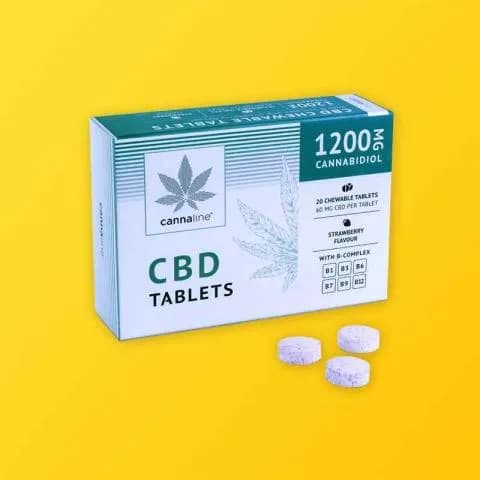
Supplement packaging is one of the most competitive categories on retail shelves and e-commerce listings. A protein powder tub surrounded by identical plain labels, a vitamin strip with no tactile finish, or a herbal capsule carton that telegraphs commodity pricing — any of these can cost a health brand a sale before a customer reads an ingredient panel.
Custom supplement boxes let growing brands control the story. The right carton communicates brand quality, accommodates regulatory label requirements, survives warehouse and shipping handling, and gives a retailer or direct-to-consumer buyer confidence in the product inside. This guide covers how to choose the correct box structure for your supplement product, which materials and finishes work best for health and wellness brands, how to plan your label panels when you run multiple SKUs, and exactly what to include in a quote request.
What Types of Products Need Custom Supplement Boxes
The term "supplement" covers a wide range of product forms, and each has packaging requirements that drive the box structure you choose.
Capsule and tablet products inside rigid bottles or jars are typically sold in 60-count, 90-count, 120-count, and 180-count sizes. The standard retail presentation puts the bottle inside a printed folding carton. The carton serves as a display and information panel while adding a tamper-evident layer.
Protein and collagen powders sold in pouches or bags often go into a printed outer box or shipper. For single-serve sachets, a multi-cavity insert inside a gift-style or drawer box creates an opening experience that works well for subscription sampling formats.
Softgels and gummies in flexible, pouched formats can be packed into a sleeve-and-tray structure or a rigid-style box for a premium retail or specialty health store presentation.
Pre-workout and powdered drink mixes in tubs do not use a folding carton box, but tub over-box cartons for gifting, retail displays, or multi-pack configurations are a growing format.
Herbal and botanical capsules, liquid tinctures in glass bottles, and topical wellness products each have sizing and weight considerations that affect the correct board weight and box base style.
Box Styles and When to Use Each
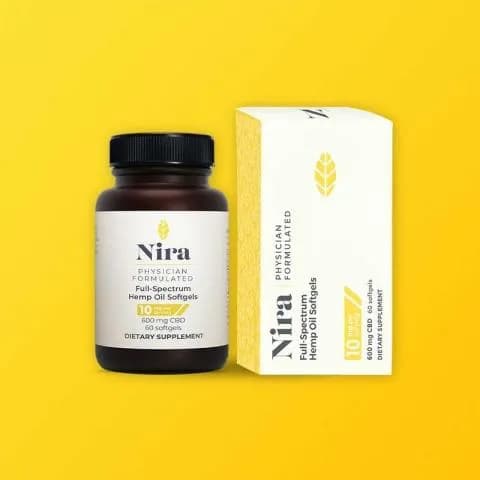
The box structure is the foundation of your packaging decision. Four styles cover the majority of supplement applications.
| Box Style | Best For | Pros | Cons |
|---|---|---|---|
| Straight-tuck or reverse-tuck folding carton | Capsule/tablet bottles, single-product retail | Low cost, fast to pack, ships flat | Lighter base; not ideal for heavy glass bottles |
| Auto-lock crash-lock base | Heavier bottles, kits, glass-jar products | Pre-glued base pops open automatically; stronger than tuck-bottom | Slightly higher unit cost |
| Sleeve-and-tray | Multi-pack sets, gifting, subscription boxes | Premium unboxing experience; reusable | Higher cost; requires two carton pieces |
| Rigid box (set-up box) | Ultra-premium supplements, DTC gift offerings | Highest shelf presence; does not collapse | Shipped assembled; higher freight cost |
For most supplement brands shipping direct-to-consumer or entering retail, a tuck-end folding carton in 18pt or 20pt SBS paperboard is the cost-effective entry point. If your product is a heavy glass jar or a multi-product kit, an auto-lock base adds meaningful structural support without the cost jump of a rigid box.
Materials: Board, Kraft, and Corrugated
The three primary materials for supplement cartons have distinct trade-offs.
SBS (Solid Bleached Sulfate) paperboard is the default choice for printed supplement cartons. It has a bright white surface that reproduces color accurately, takes lamination evenly, and gives spot UV and foil stamping a clean surface to adhere to. Standard caliper ranges for supplement cartons are 16pt to 24pt, with 18pt handling most single-bottle retail cartons and 24pt adding stability for heavier products.
Kraft paperboard signals natural, organic, and eco-conscious positioning. Earthy tones print differently than SBS: CMYK on unbleached kraft shifts warm, so logos and color blocks designed on white stock should be re-proofed on kraft before approving. Kraft works particularly well for herbal supplements, adaptogens, and plant-based brands.
E-flute corrugated is a thin corrugated board — approximately 1/16 inch — that looks and cuts nearly like a folding carton but adds structural strength and a cushioning layer. It is well suited for glass bottle retail cartons (reduces breakage risk) and direct-to-consumer shipping cartons that double as display packaging.
Finishes That Work on Supplement Shelves
Supplement brands compete on trust and aspiration. The finishes you choose carry an immediate sensory signal about quality.
Matte lamination communicates sophistication and science-forward positioning. The flat, smooth feel reads as "clinical premium" rather than consumer mass market. It pairs well with sans-serif typography, minimal layouts, and muted color palettes.
Gloss lamination maximizes color vibrancy. High-energy pre-workout, sports nutrition, and performance supplement brands often use gloss to amplify bold greens, electric oranges, and gradients.
Soft-touch matte is a step above standard matte — the velvety tactile finish is distinct to the touch and consistently associated with premium health and wellness products. It is one of the most requested upgrades for supplement brands moving from generic to branded packaging.
Spot UV applies a transparent, high-gloss varnish coat to selected design elements — a logo, a product claim, a graphic panel — while the rest of the surface stays matte. The contrast between a soft matte field and a high-gloss spot UV element catches retail light and draws attention.
Foil stamping creates metallic or holographic accents. Gold and silver foil on a dark matte background is a strong combination for premium supplement brands or limited-edition product lines.
See foil stamping vs. spot UV and matte vs. gloss lamination for deeper comparisons on how these finishes behave at scale.
Sizing Guide for Common Supplement Products
Accurate box dimensions are essential for a clean, retail-ready carton that does not rattle or buckle. These are typical internal dimensions — confirm your actual product measurements before finalizing a dieline.
| Product Form | Typical Internal Box Dimensions (W × D × H inches) | Notes |
|---|---|---|
| 60ct capsule bottle | 2.5 × 2.5 × 4.5 | Allow 0.125 in clearance per side |
| 90ct capsule bottle | 2.75 × 2.75 × 5.0 | |
| 120ct capsule bottle | 3.0 × 3.0 × 5.5 | |
| 180ct capsule bottle | 3.5 × 3.5 × 6.5 | |
| Single-serve sachet (12-pack) | 5.5 × 2.0 × 4.0 | Divider insert holds sachets upright |
| 1 oz glass tincture bottle | 2.0 × 1.5 × 5.0 | Foam or pulp insert recommended |
| 60g sample pouch | 4.0 × 2.0 × 6.0 |
Always measure your filled product to account for label thickness, foil seal, and cap overhang. Oversized cartons shift product during shipping and look poor on shelf.
Label Panel Strategy for Multi-SKU Lines
Most supplement brands run multiple formulas — different flavors, strengths, or product types — from one base formula. Custom cartons let you print a shared base design and leave a dedicated label panel where SKU-specific information is applied:
- formula name or flavor
- net weight or count
- batch number and best-by date
- QR code linking to lab results or certificate of analysis
This approach reduces per-SKU plate costs. Brisk can print the base carton in a longer run, and short-run digital or label-printed SKU panels are applied per formula. Confirm label bleed and registration tolerances when specifying the label panel opening on your dieline.
Auto-Lock Base for Heavy Supplement Products
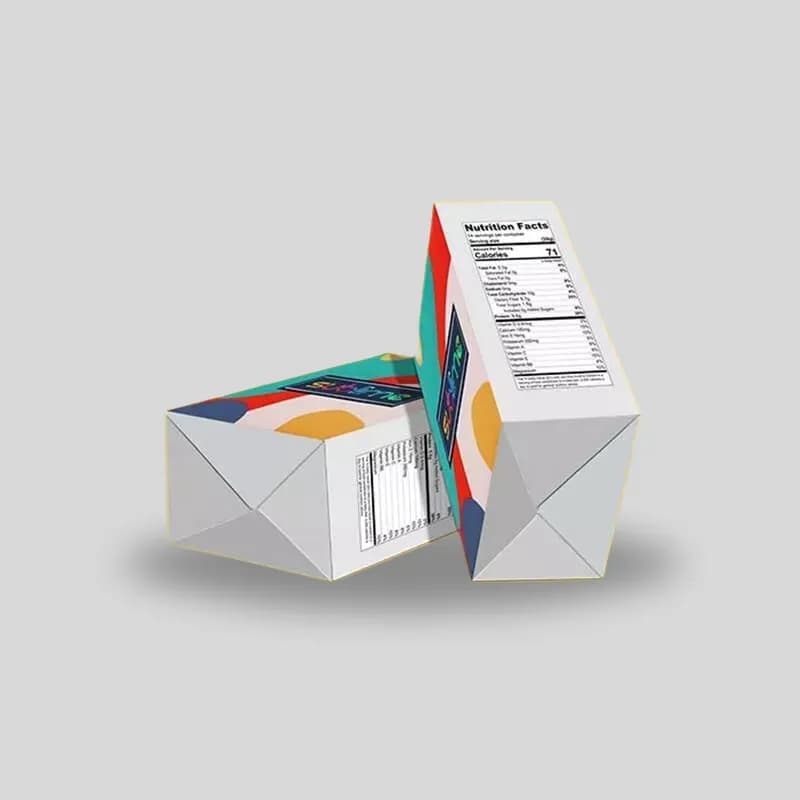
For supplement products with heavier glass bottles or multi-item kits, an auto-lock crash-lock base significantly improves line-packing speed and structural reliability. The pre-glued base opens automatically when the carton sides are spread — packers do not assemble a base tab-by-tab, which matters on high-volume production runs.
Auto-lock cartons are available in the same material and finish options as standard tuck-end cartons. They ship flat like all folding cartons, keeping inbound freight and storage costs comparable. See how the auto-lock base mechanism works for a full comparison with other base styles.
Regulatory Awareness for Supplement Packaging
Dietary supplements sold in the United States are regulated under FDA jurisdiction as food products, not drugs. The label requirements — Supplement Facts panel, net quantity of contents, manufacturer information, and ingredient disclosures — apply to the primary container label, not necessarily the carton, but brands typically mirror required information on the outer carton for retail transparency.
A folding carton is not inherently child-resistant. If your supplement falls under child-resistant packaging requirements — certain iron-containing products, for example — specify a child-resistant closure on the primary container and confirm the outer carton design accommodates it. Consult a regulatory specialist to confirm your product's specific obligations before finalizing packaging specs. Brisk's role is producing printed folding cartons; regulatory compliance decisions rest with the brand.
Quote Checklist: What to Send to Brisk
Requesting an accurate quote for custom supplement boxes requires specific information. Collecting this before reaching out saves rounds of back-and-forth:
- Product form and primary container type (bottle, pouch, jar, tub — material and dimensions)
- Filled product weight
- Desired box style (tuck-end, auto-lock, sleeve-and-tray, rigid)
- Quantity range (typical ranges: 500, 1,000, 2,500, 5,000+)
- Number of SKUs that will share the same dieline
- Print specification: number of print colors or full CMYK + any spot colors
- Desired finish: matte lamination, gloss lamination, soft-touch matte, spot UV, foil stamp
- Any window, hang tab, or insert requirement
- Target unit cost, if any
- Timeline and destination warehouse
Providing artwork files or a design brief at quote stage is helpful but not required. Brisk's design team can create a custom 3D digital box design and vector dieline for free before production begins.
FAQ: Frequently Asked Questions
What is the standard paper weight for custom supplement boxes?
Most retail supplement cartons use 18pt SBS paperboard for light-to-medium bottles and 20pt to 24pt for heavier products. E-flute corrugated is used when extra structural strength or cushioning is needed for glass.
Can I use one box style for multiple supplement SKUs?
Yes. A shared dieline and base print allows you to produce the core carton in longer runs. SKU-specific information — formula name, flavor, count — is applied via a dedicated label panel or short-run digital print run for each variant.
How is a supplement box different from a medicine box?
Supplement boxes hold dietary supplements regulated as food products, not as OTC or prescription drugs. While both categories carry label requirements, the Supplement Facts panel differs from the Drug Facts panel. The structural carton formats are often identical; the difference lies in labeling content and regulatory oversight. See custom medicine boxes for pharmaceutical-specific packaging considerations.
Does Brisk produce child-resistant supplement packaging?
Brisk produces printed folding cartons. Child-resistant functionality is a property of the primary container closure (for example, a child-resistant bottle cap or a child-resistant pouch zipper), not the outer printed carton. Confirm child-resistant requirements with a regulatory specialist for your specific product.
What minimum order quantity applies to custom supplement boxes?
MOQ varies by box style, substrate, and print specification. Tuck-end folding cartons typically start at 500 to 1,000 units. Rigid set-up boxes have higher minimums. Requesting a 3D design and dieline from Brisk is free and comes before production commitments.
How long does it take to produce custom supplement boxes?
Standard production timelines depend on complexity, but most printed folding cartons are produced within 10–15 business days after artwork approval. Request a specific timeline at quote stage based on your launch date.
What finish gives supplement boxes the most premium shelf presence?
Soft-touch matte lamination with spot UV accents is consistently cited by supplement brands as the most effective combination for premium retail positioning. The tactile contrast between the velvet-matte field and high-gloss UV panel is immediately perceptible in the hand and on shelf.
Ready to get started? Request a free custom 3D digital box design and vector dielines for your supplement line. Brisk delivers digital design proofs within 24–48 hours at no cost before any production commitment.