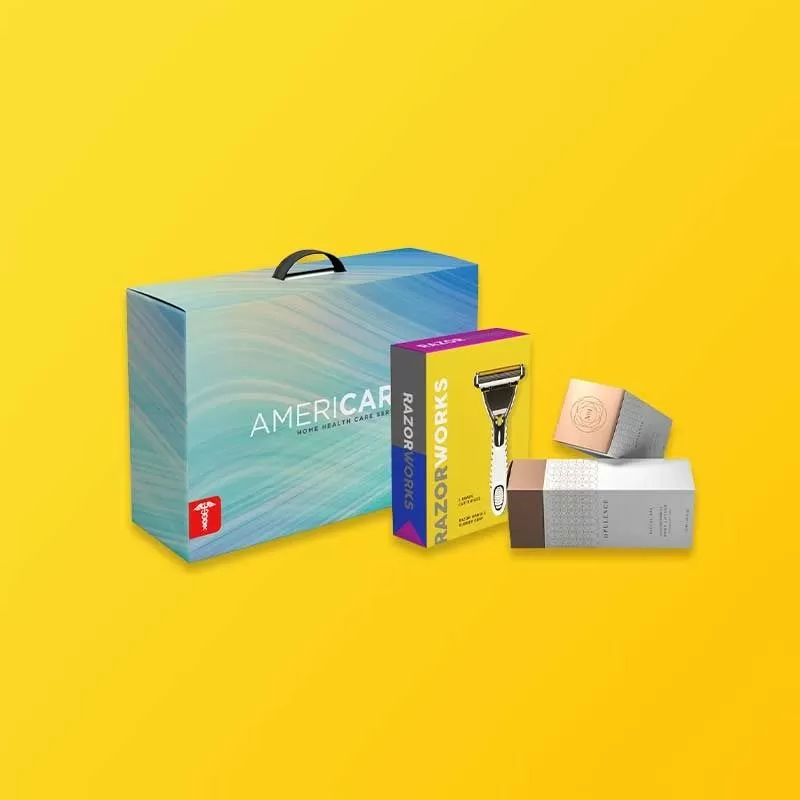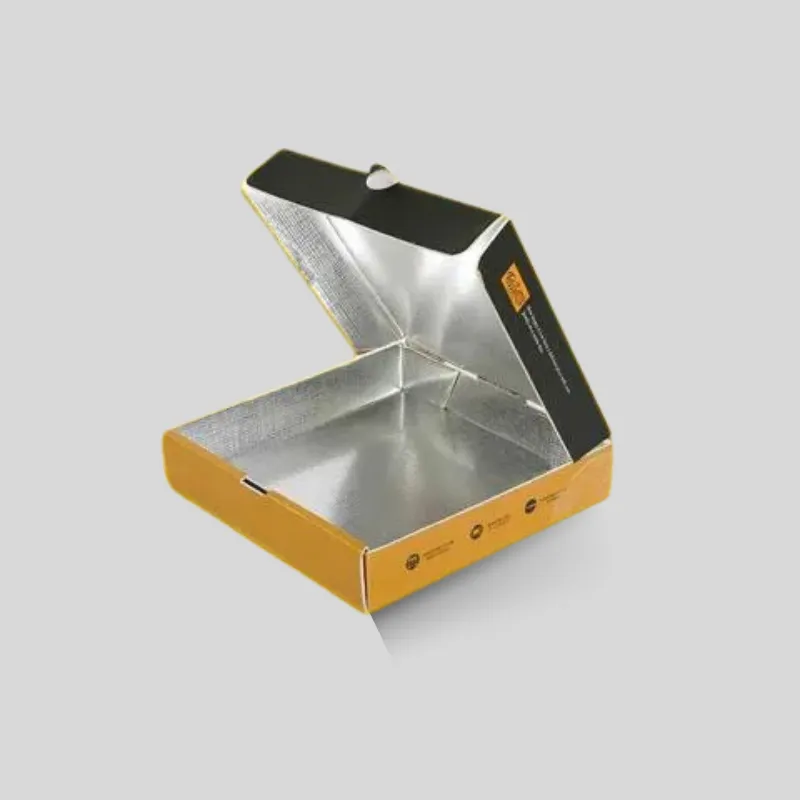
Choose custom jewelry boxes by starting with the piece being protected: ring, earring pair, bracelet, necklace, watch, charm, or gift set. The right box is not only the one that looks premium; it must hold the item still, protect delicate surfaces, support retail or ecommerce handling, and feel appropriate for the price point. For most jewelry brands, the decision comes down to structure, insert, material, finish, and proofing. Confirm those details with a loaded sample before approving a dieline or bulk order.
Brisk's luxury and jewelry packaging page is the best commercial destination for broad jewelry packaging needs. This guide supports that page by turning the buyer's question—"which jewelry box should we order?"—into a practical specification that a packaging specialist can quote and prototype.
Match the box structure to the jewelry type
Jewelry packaging carries more emotional weight than many other retail boxes. A customer may keep the box in a drawer, display it on a dresser, reuse it for storage, or include it in a gift moment. That means the structure has to match both protection and presentation.
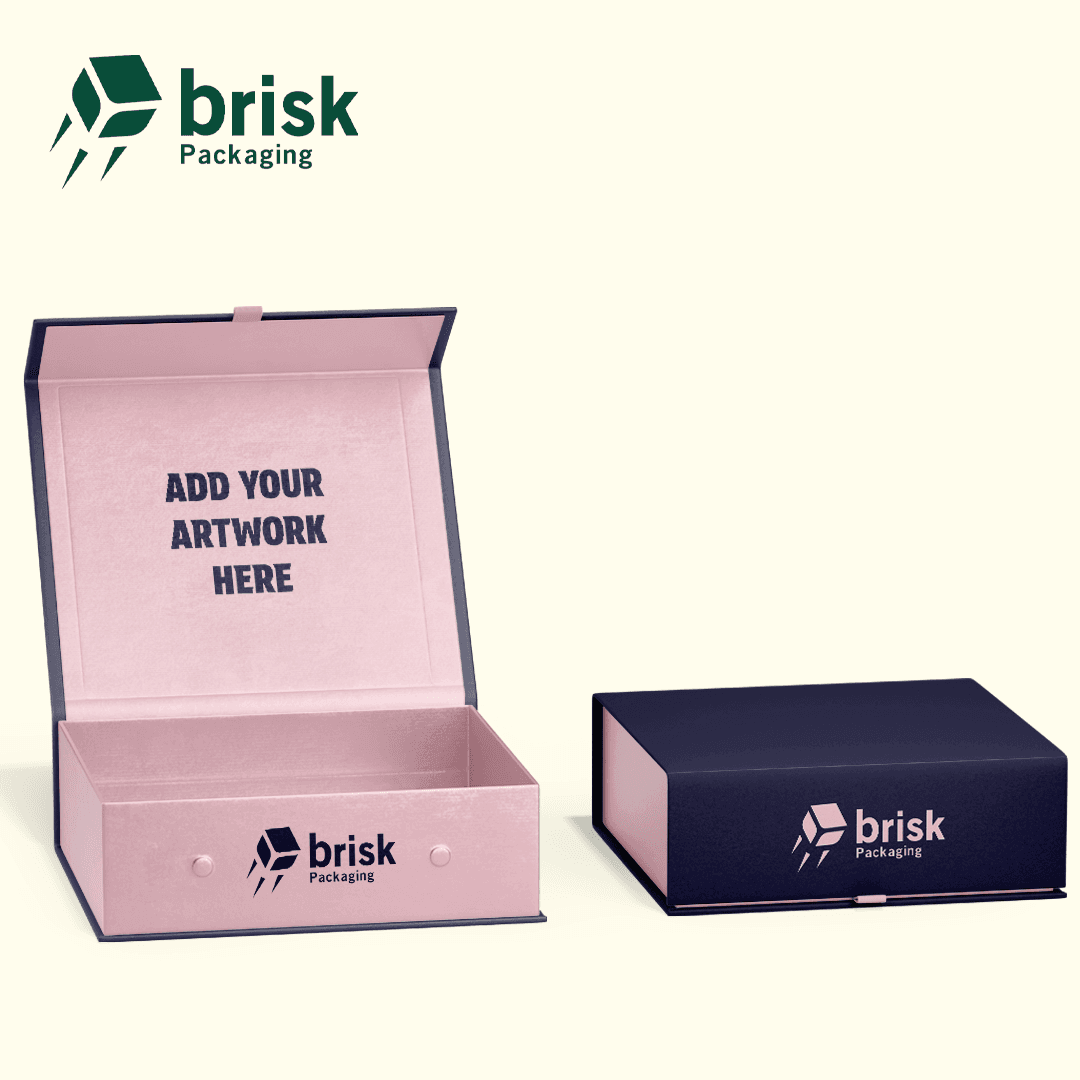
Magnetic closure rigid boxes work well when the opening moment matters. Brisk's custom magnetic closure boxes use a premium rigid structure with a secure flap, making them a strong option for fine jewelry, watch accessories, luxury gift sets, and higher-value items that need a deliberate reveal.
Drawer boxes create a sliding reveal. Brisk's custom drawer boxes pair an outer sleeve with an inner tray, which can help a ring, necklace, bracelet, or small set feel organized and gift-ready. The inner tray also creates a natural location for a fitted insert.
Two-piece rigid boxes use a separate lid and base. Brisk's custom 2-piece boxes can feel classic and formal, especially for gift packaging, limited collections, and premium retail presentation. The lid lift also gives space for inner-lid messaging or care instructions.
Folding cartons and pillow boxes may suit lighter fashion jewelry, charms, small accessories, event favors, or promotional pieces when budget, flat storage, and quick assembly matter more than rigid-box heft. They can still look refined with the right print and finish, but they usually need careful retention so the jewelry does not rattle.
The safest choice is the structure that solves the item's actual risks. A heavy watch, delicate chain, sharp earring post, or loose charm set may need a very different box even if the brand style is the same.
Build the insert around the product, not the box
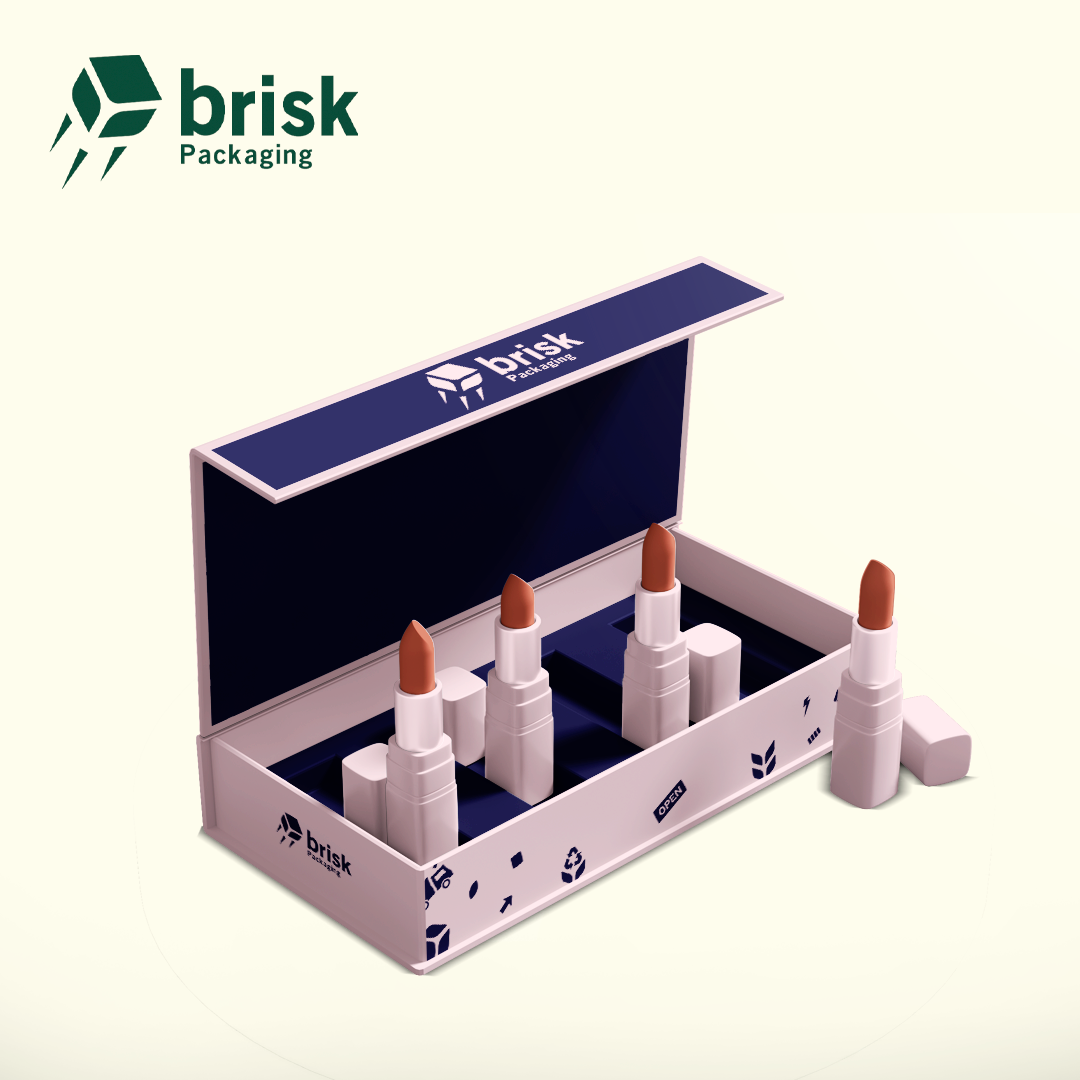
The insert is often the difference between a box that looks good in a mockup and a box that works in a customer's hand. Brisk's custom boxes with inserts are relevant for jewelry because the product is usually small, reflective, and easy to shift during handling.
Plan inserts by product type:
- Rings: use a slot, pillow, pad, or raised display that keeps the ring upright and centered when the lid opens.
- Earrings: control both pieces so posts, hooks, and backs do not scratch the finish or disappear under tissue.
- Necklaces and chains: manage tangling with tabs, slits, cards, or a shaped pad that controls the pendant and chain path.
- Bracelets and bangles: use a pillow, elastic retention, die-cut board, or molded cavity that prevents side-to-side movement.
- Watches: specify a padded pillow or holder that supports the band and keeps the face visible without pressure points.
- Gift sets: separate items so metal surfaces, glass bottles, polishing cloths, cards, and accessories do not collide in transit.
The insert material should reflect the brand and risk level. Paperboard inserts can be efficient, recyclable in some systems, and useful for fashion jewelry. Foam, flocked surfaces, velvet-style coverings, satin lining, molded pulp, or specialty board can create a more premium presentation. Avoid choosing a plush insert only for appearance if it sheds fibers, grips the item poorly, or makes the box too tall.
Use Brisk's packaging inserts guide to compare retention options before deciding. Send the packaging specialist actual product samples whenever possible, because jewelry often has protrusions and delicate surfaces that are hard to judge from dimensions alone.
Choose materials for protection, feel, and storage
Jewelry boxes are often handled gently by customers but stressed during fulfillment, retail stocking, gifting, and storage. Rigid chipboard is usually the premium direction for fine jewelry because it gives weight, shape stability, and a high-end feel. Folding carton paperboard can work for lighter items and larger rollouts where flat storage and assembly speed matter. Kraft or recycled-content board can support a natural brand style, but the final sustainability language should be based on verified material attributes rather than appearance.
Ask specific material questions early:
- Does the box need rigid chipboard, folding carton board, corrugated protection, or a combination?
- Will the jewelry touch paper, foam, fabric, coating, tissue, card, adhesive, or printed surfaces?
- Does the metal, plating, stone, enamel, or finish require special storage conditions?
- Will the customer keep the jewelry inside the box for months or years?
- Does the ecommerce packout need an outer mailer or shipping carton?
- Does the brand need FSC-certified, recycled, or other documented material options?
For silver, plated, pearl, stone-set, or sensitive items, confirm contact-material suitability with the jewelry maker's own care requirements. Packaging can be designed to reduce movement and surface contact, but it should not be presented as a universal anti-tarnish or conservation solution unless the complete material system has been tested and documented.
Plan artwork for a small, high-value surface
Jewelry packaging often has less copy than food, cosmetics, or electronics packaging. That makes every design decision more visible. A tiny logo, thin foil line, monogram, pattern, or inner-lid message can define the box, but small details also expose production limits.
Keep the main logo in a clean, testable area. Leave enough space from edges, folds, magnetic closure zones, drawer pull cuts, insert seams, and lid overlaps. If the logo will be foil stamped, embossed, debossed, or printed on textured paper, ask whether the line weight and spacing are suitable. Very fine details may look sharp on a screen but fill in, break up, or lose contrast in production.
For ecommerce jewelry brands, include the unboxing sequence in the artwork plan. The outside may be minimal, while the inside lid, tissue, care card, product card, or insert carries the story. For retail, consider what the customer sees inside a display case or on a shelf: front logo, box color, product category, barcode placement, and whether the packaging must stack neatly.
Review the packaging artwork file preparation guide before sending files. Use the supplier-approved dieline, include bleed and safe zones, package fonts or outline text, separate finish layers, and label specialty operations clearly.
Select finishes that support the brand promise
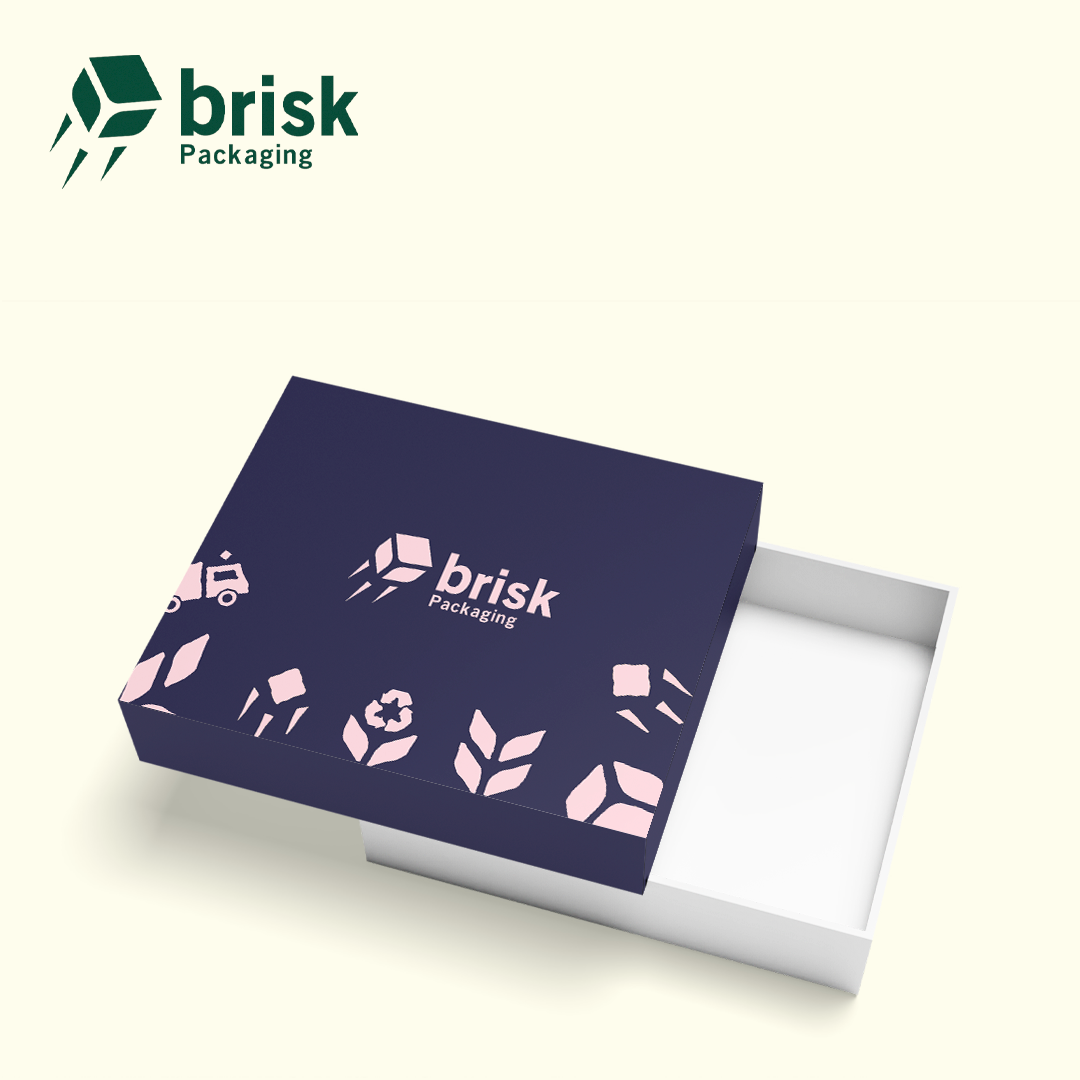
Finishes should make the jewelry feel more intentional, not simply more decorated. A matte black box with foil may fit a fine jewelry brand; a soft pastel carton may fit handmade earrings; a textured wrap may suit artisan metalwork; a white rigid box with a subtle deboss may suit bridal pieces.
Common finish directions include:
- Matte lamination for a quieter luxury surface and reduced glare;
- Gloss lamination or coating for brighter color and a polished retail look;
- Soft-touch finish for a tactile feel, with scuff and fingerprint testing;
- Foil stamping for logos, borders, monograms, or limited accents;
- Spot UV for selective gloss against a matte base;
- Embossing or debossing for tactile brand marks on lids, sleeves, or wraps;
- Specialty papers such as linen, pearlescent, metallic, or textured wraps for rigid boxes.
Brisk's foil stamping vs Spot UV guide and matte vs gloss lamination guide can help narrow finish choices. Always evaluate finishes on the chosen material. A foil mark on smooth coated stock will not behave exactly like foil on textured wrap, and soft-touch surfaces should be rubbed and handled before approval.
Test ecommerce, retail, and gift performance
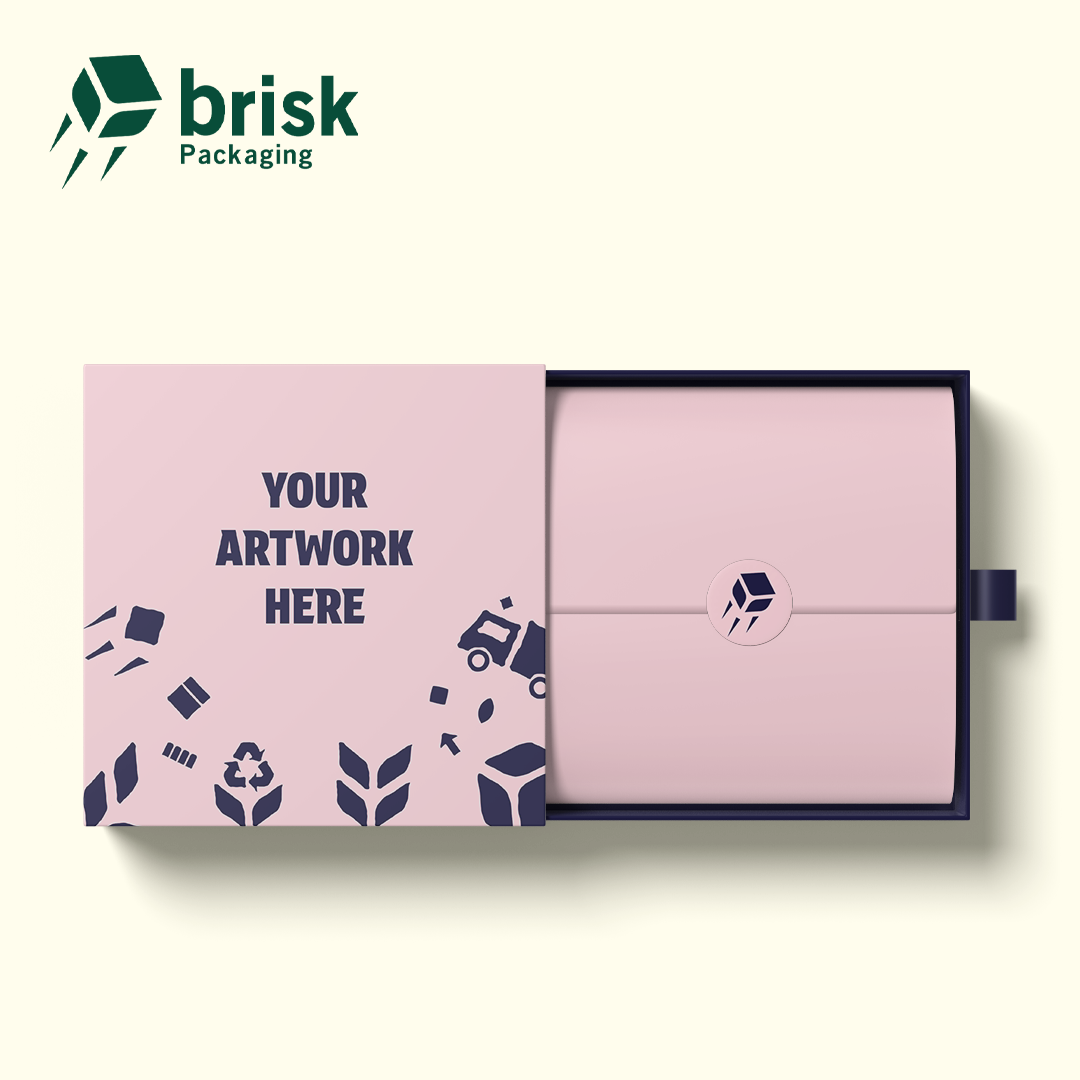
Jewelry packaging should be tested as a complete system: jewelry, insert, box, tissue, card, pouch, outer mailer, and shipping carton. A box that looks beautiful open on a desk may still fail if the chain tangles, the insert releases the ring, the drawer slides open, or the outer shipper crushes the presentation box.
Run practical checks before approving production:
- Load the heaviest and most delicate SKU in the intended insert.
- Shake, rotate, open, close, and re-open the box.
- Check whether the jewelry remains centered after handling.
- Confirm that clasps, posts, chains, and charms do not scratch each other.
- Test the drawer, lid, magnet, ribbon pull, or flap repeatedly.
- Rub finished surfaces to check scuffing, fingerprints, and foil adhesion.
- Confirm barcode and label placement if the box goes to retail.
- Pack the jewelry box inside the planned ecommerce shipper.
- Compare the first opening experience with the repacking experience for returns or exchanges.
If the product will be sold through retailers, ask about display requirements, hang tags, shelf trays, security labels, barcode placement, and whether boxes are handled by staff or customers. If the product is sold online, focus on outer protection, unboxing order, return usability, and whether the box should survive delivery as a keepsake.
What affects custom jewelry box cost?
Jewelry-box pricing depends on finished size, structure, material thickness, quantity, print coverage, specialty paper, insert complexity, fabric or foam lining, magnetic closures, ribbon pulls, foil, embossing, Spot UV, samples, assembly labor, individual wrapping, master cartons, and delivery destination.
A rigid magnetic box with a flocked insert, foil logo, inner-lid printing, and specialty wrap will usually be a different project than a printed paperboard carton with a simple product card. Neither is automatically right or wrong. The best choice depends on product value, order quantity, expected reuse, sales channel, and how much protection the item needs.
To compare quotes fairly, keep the specification consistent. If one quote includes a printed sample, fitted insert, tissue, and outer shipper while another includes only the box, the unit price comparison is misleading. Ask what is included, what is optional, and which choices are driving the cost.
Quote checklist for custom jewelry boxes
Send this information when requesting samples, dieline review, and pricing:
- [ ] Jewelry type: ring, earrings, necklace, bracelet, watch, charm, set, or mixed SKU range
- [ ] Product dimensions, weight, photos, and physical samples if available
- [ ] Delicate surfaces, stones, plating, sharp posts, clasps, or chain-tangle risks
- [ ] Sales channel: retail, ecommerce, wholesale, gift, subscription, or event
- [ ] Preferred structure: magnetic closure, drawer, two-piece, folding carton, pillow, or supplier recommendation
- [ ] Insert direction: card, pillow, foam, molded pulp, velvet-style surface, satin lining, or paperboard retention
- [ ] Box color, wrap, board, sustainability requirements, and documentation needs
- [ ] Logo placement, inner-lid message, care card, barcode, label, or retail copy
- [ ] Finish options: matte, gloss, soft touch, foil, Spot UV, embossing, debossing, or specialty paper
- [ ] Quantity tiers, launch date, reorder expectations, and SKU variants
- [ ] Ecommerce outer packaging, retail display, master-carton, and delivery destination
- [ ] Required proof: digital mockup, white sample, printed sample, or production-representative sample
FAQ: Custom jewelry boxes
What is the best box style for jewelry?
The best style depends on product value, fragility, and presentation goals. Magnetic closure rigid boxes often suit premium pieces, drawer boxes create a strong reveal, two-piece rigid boxes feel classic, and folding cartons or pillow boxes can work for lighter fashion jewelry.
Do custom jewelry boxes need inserts?
Most jewelry boxes benefit from some form of retention. Rings, earrings, necklaces, watches, and bracelets can shift, tangle, scratch, or look poorly presented without an insert, card, pillow, slot, or tray that is designed around the actual item.
Which materials are used for premium jewelry packaging?
Premium jewelry packaging often uses rigid chipboard wrapped with printed or specialty paper, plus foam, paperboard, fabric-style, flocked, satin, or molded inserts. Folding carton board may suit lighter or more cost-sensitive projects.
Can jewelry boxes be eco-friendly?
They can use FSC-certified, recycled, paper-based, or reusable components when those options fit the product and brand. Avoid broad claims unless the materials, coatings, and documentation support them.
How do I prevent necklaces from tangling inside the box?
Use an insert card, tabs, slits, a shaped pad, or a tray that controls the pendant and chain path. Test the package after shaking and shipping simulation so the chain stays positioned through handling.
Should ecommerce jewelry packaging use a rigid box?
A rigid presentation box can improve the customer experience, but it still needs an appropriate outer mailer or shipping carton. Test the complete packout so the decorative box arrives clean, square, and ready to gift.
What information is needed for a jewelry box quote?
Prepare product dimensions, item type, quantity tiers, sales channel, structure preference, insert needs, material direction, artwork, finish options, proofing needs, ship-to destination, and target date.
Request jewelry box samples and a quote
Bring Brisk the actual jewelry dimensions, photos, insert requirements, sales channel, artwork direction, finish preferences, order quantity, and delivery destination. A packaging specialist can compare magnetic closure, drawer, two-piece, insert, and paperboard options before production.
Start with Brisk's luxury and jewelry packaging solutions, then request jewelry box samples, a dieline review, material and finish guidance, and a custom quote. A loaded prototype is the clearest way to confirm that the box protects the piece, presents it beautifully, and supports the customer's first opening experience.