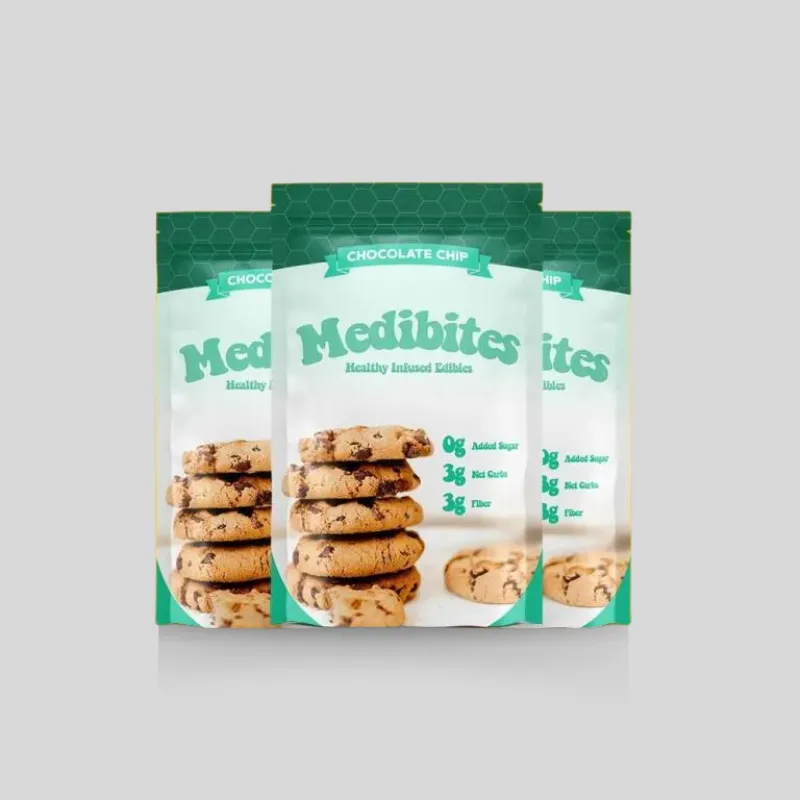
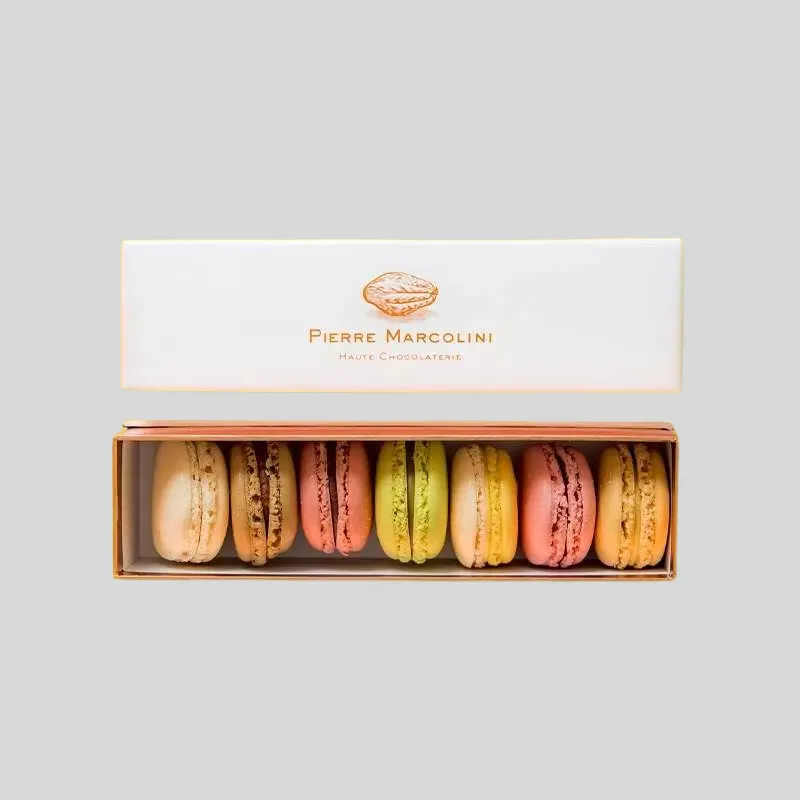
To choose custom takeout boxes, match your food's moisture and sauce levels to the right barrier coating (polyethylene, aqueous grease-resistant barrier, or natural bio-wax), select a leak-proof folded structure such as a one-piece folded pail or interlocking tab carton, and choose the handle and venting design suited for hot delivery. Liquid-heavy dishes like noodles, curry, and stir-fry require seamless web-corner folded bottoms to eliminate corner leaks, while fried appetizers need precision steam venting to preserve crispness. Choosing food-grade SBS or unbleached kraft paperboard guarantees structural rigidity, heat retention, and high-impact custom branding during transit.
When diners order takeout or food delivery, the packaging serves as the physical dining table and the primary ambassador of your culinary brand. A soggy box bottom, an accidental sauce spill in a courier's thermal bag, or a steamed-out limp fried crust instantly degrades an otherwise exceptional culinary creation. Conversely, well-engineered custom takeout boxes protect meal temperature, preserve food texture, prevent leaks, and deliver a memorable unboxing experience right at the customer's dining table.
This comprehensive guide breaks down everything culinary operators, ghost kitchens, quick-service restaurants (QSR), and food brand managers need to know to specify, engineer, and order custom printed takeout packaging.
---
1. Primary Structural Styles for Restaurant Takeout Packaging
Choosing the right structural silhouette depends on your kitchen assembly workflow, menu density, and how customers consume the food.
A. Classic Folded Pails (Pagoda-Style Chinese Takeout Boxes)
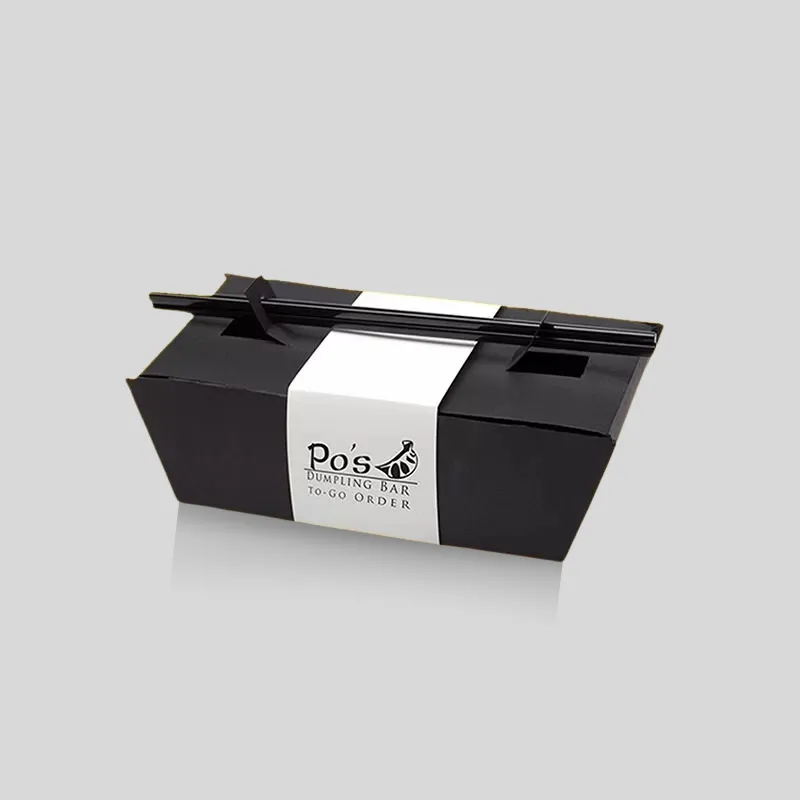
The iconic one-piece folded food pail—commonly associated with Asian cuisine and noodle dishes—is one of the most reliable food containers ever engineered.
- Construction: Die-cut from a single continuous sheet of paperboard with folded web corners. Because there are no cut bottom seams or glued bottom joints, liquids and oils cannot seep out through the base.
- Handling: Available with traditional wire handles for classic aesthetic appeal or paperboard/handle-free designs for microwave compatibility.
- Dining Functionality: Unfolds flat into a makeshift paper dining plate when the side tabs are released, offering unmatched on-the-go convenience.
- Best For: Noodles, fried rice, saucy stir-fries, pasta dishes, salads, and confectioneries. Explore our canonical custom Chinese takeout boxes for standard volume configurations (8 oz, 16 oz, 26 oz, and 32 oz).
B. Fold-Flat Interlocking Tab Cartons
For operations with limited back-of-house storage, pre-folded nested pails can consume substantial shelf space. Fold-flat interlocking cartons solve this constraint.
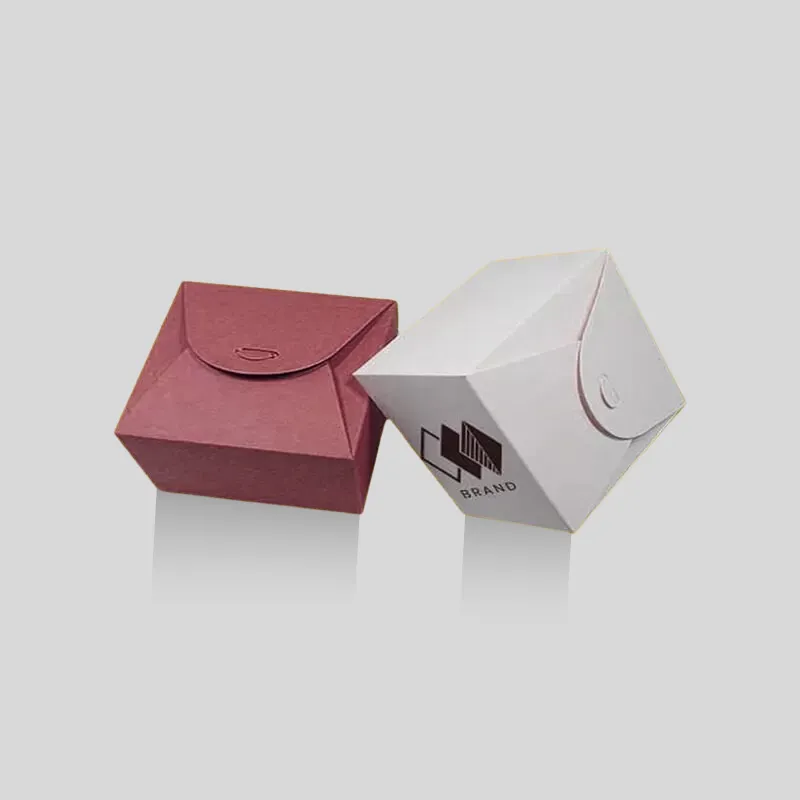
- Construction: Delivered flat and erected in seconds using pre-creased auto-lock corners or side tuck-in tabs.
- Closure: Features overlapping top flaps secured with friction tabs or slot closures that resist popping open during transit.
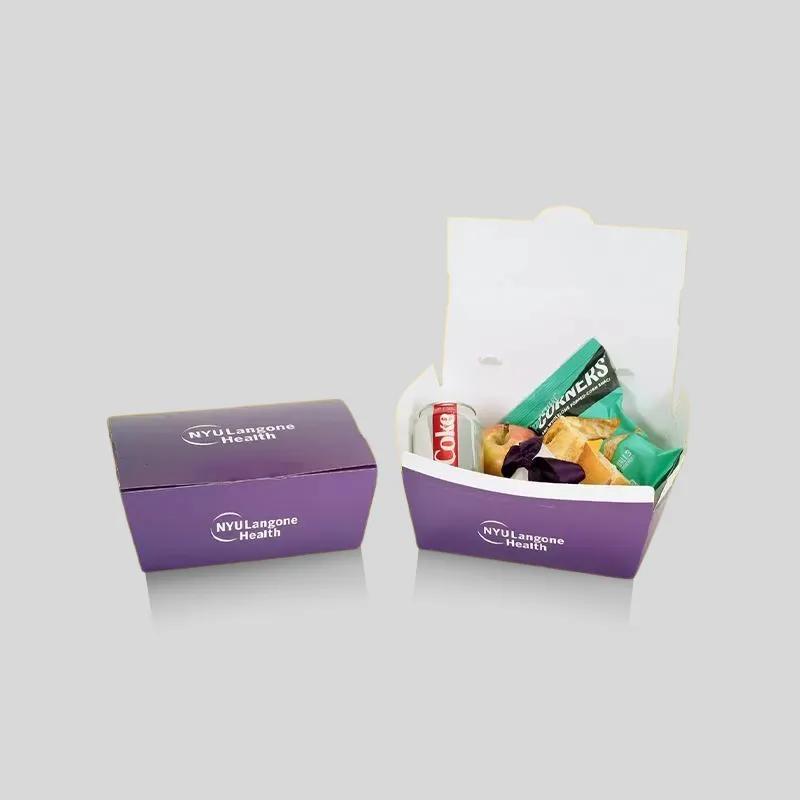
- Best For: Sandwiches, loaded sides, baked pastries, combo platters, and dry entrees. Check out our custom folded takeout boxes for space-efficient kitchen setups.
C. Handled Takeout Boxes and Meal Carriers
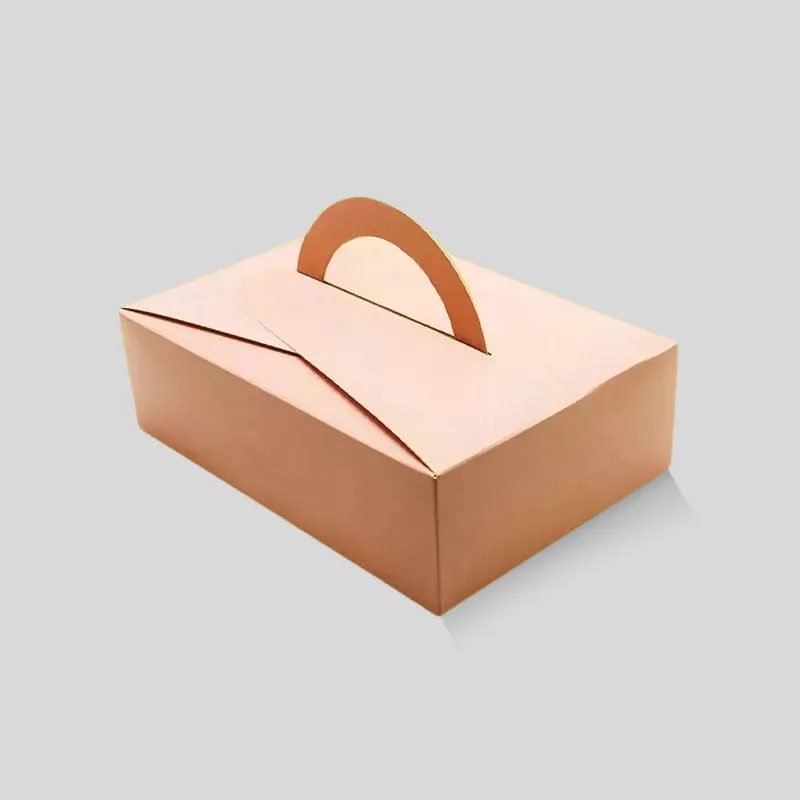
When packaging multi-item family meals, catering orders, or heavy combo sets, integrated carry handles eliminate the need for secondary plastic shopping bags.
- Construction: Reinforced top handles integrated into the die-cut pattern, providing balanced center-of-gravity carrying strength.
- Best For: Fried chicken family buckets, barbecue platters, meal prep kits, and corporate lunch catering. Learn more about our custom handled takeout boxes.
D. Hinged Clamshell Cartons
Popular across fast-casual burger, sandwich, and barbecue joints, single-piece clamshells provide rapid one-motion closure on busy pack lines.
- Construction: Hinged lid with front locking notches. Pairs well with custom greaseproof deli paper inserts for enhanced grease management.
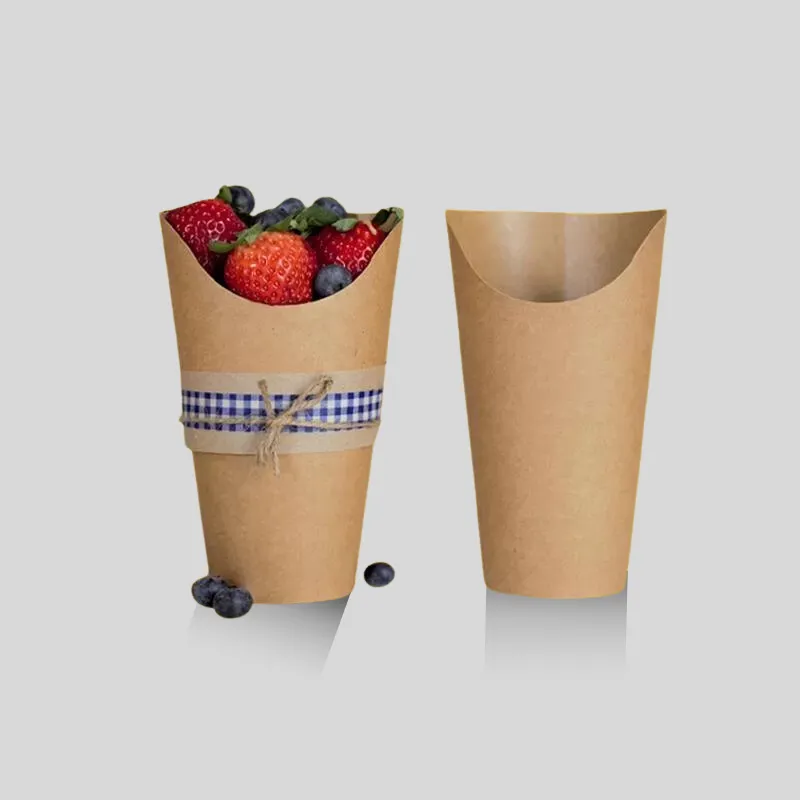
- Best For: Burgers, hot sandwiches, loaded french fries, and wings. For specialized burger and fry setups, see our related guides on custom food packaging.
---
2. Liquid and Sauce Containment: The Physics of Leak-Proof Packaging
Food delivery couriers carry orders on bicycles, scooters, and cars, subjecting boxes to vibration, tilting, and sudden acceleration. To prevent messy spills and customer complaints, your takeout container must address three leak vectors:
Seamless Web-Corner Construction
Standard folding retail cartons have die-cut corner slits that are glued along the side. If liquid pools in the bottom, hydrostatic pressure forces sauce through these slits.
- In contrast, authentic leak-proof takeout pails utilize continuous web-folded corners. The paperboard is creased and folded inward like an accordion, creating a solid, unbroken basin capable of holding liquid gravies, dressings, and broths without edge seepage.
Interlocking Flap Tension
The top closure must maintain positive downward pressure on the sidewalls so that sauce splashes during transit do not escape under the lid. Look for die-cut closure slits with angled locking hooks that resist accidental opening when stacked inside a delivery bag.
Stacking Ridge Engineering
When stacking multiple hot orders in a delivery bag, bottom containers bear vertical load. Reinforced rolled rims or double-folded sidewalls increase top-to-bottom compression resistance, preventing the lid from caving into the food below.
---
3. Barrier Coatings: Matching Food Chemistry to Interior Linings
Raw paperboard is inherently porous and will rapidly absorb oils and moisture, leading to structural softening and exterior staining. Applying the correct interior barrier coating is crucial.
| Coating Type | Grease Resistance (Kit Level) | Moisture / Liquid Barrier | Microwave Safe? | Environmental Profile | Ideal Menu Items | | :--- | :--- | :--- | :--- | :--- | :--- | | PE (Polyethylene) Lamination | Kit 10–12 (Extreme) | Complete liquid seal | Yes (without metal wire) | Recyclable in specialized facilities | Heavy curries, oily noodles, gravy, wet salads | | Water-Based Aqueous Dispersion | Kit 7–9 (High) | Moderate-High resistance | Yes (100% microwave safe) | Fully repulpable & curb-side recyclable | Rice bowls, pasta, stir-fries, baked goods | | Natural Bio-Wax / PLA Coating | Kit 6–8 (Moderate-High) | High moisture hold | Limited (low heat tolerance) | Commercially compostable | Cold salads, sushi rolls, deli sandwiches, room-temp treats | | Uncoated Food-Grade Kraft | Kit 1–3 (Low) | Minimal | Yes | 100% biodegradable & recyclable | Dry bakery, breadsticks, dry pretzels, wrapped items |
For high-oil and saucy recipes, explore our custom grease repellent takeout boxes engineered specifically with continuous interior barrier linings.
---
4. Heat Retention vs. Steam Venting: The Delivery Texture Dilemma
The greatest packaging challenge in hot food delivery is balancing heat retention with moisture release. When hot, freshly prepared food is sealed inside a non-vented container:
- Steam evaporates off the hot food surface.
- The moisture hits the cooler interior lid and condenses into water droplets.
- Condensation drips back down onto the food, transforming crisp fried batter, tempura, or roasted potatoes into a soggy, unappetizing mush.
How to Engineer the Perfect Thermal-Venting Balance
- For Fried and Crispy Foods (Wings, Fries, Dumplings, Fried Chicken):
- For Broths, Soups, Saucy Curries, and Steamed Rice:
- Flute and Caliper Selection:
Specify containers with micro-perforated steam relief vents along the upper sidewalls or lid shoulders. The vents allow humid steam to escape while the heavy paperboard sidewalls insulate the meal and retain core heat.
Select non-vented, tightly interlocking folded pails. Heat retention takes precedence, and high moisture levels are necessary to keep grains and noodles succulent.
Thicker paperboard calipers (18pt to 24pt SBS or Kraft) provide higher thermal insulation (R-value), keeping meals hot over typical 25-to-40-minute delivery radiuses. For ultra-heavy catering orders, consider micro-flute corrugated options as discussed in our paperboard vs corrugated packaging guide.
---
5. Material Options: Solid Bleached Sulfate vs. Natural Kraft
Selecting the right paperboard substrate influences both your brand aesthetic and structural performance.
Solid Bleached Sulfate (SBS) Paperboard
- Appearance: Crisp, bright white surface on both exterior and interior.
- Print Quality: Excellent color fidelity, sharp photographic detail, and high vibrancy. Ideal for multi-color logos, modern typography, and complex branded graphics.
- Best For: Contemporary dining brands, premium fast-casual franchises, and restaurants emphasizing clean, vibrant presentation.
Natural Unbleached Kraft Paperboard
- Appearance: Organic, earthy brown texture with visible natural wood fibers.
- Brand Perception: Conveys farm-to-table freshness, rustic craftsmanship, and environmental responsibility.
- Print Performance: Best paired with bold, high-contrast black, deep green, or warm earth-tone vector graphics.
- Best For: Organic cafes, artisan noodle shops, vegan eateries, and sustainable meal delivery brands. Discover our custom kraft takeout boxes and read our in-depth analysis on custom kraft boxes.
---
6. Microwave Safety and Handle Selection
A crucial operational decision is choosing between traditional wire handles and microwave-safe paperboard handles.
Metal Wire Handles
- Pros: Classic vintage takeout aesthetic, sturdy one-hand carrying convenience, and rigid perimeter support.
- Cons: Not microwave safe. If customers reheat leftovers directly in the container, metal wire creates electrical arcing and fire hazards. Additionally, metal wire containers cannot nest as tightly, increasing freight footprint.
Die-Cut Paperboard Handles & Handle-Free Designs
- Pros: 100% microwave safe. Diners can place the entire container directly into the microwave to reheat noodles, rice, or stew. Containers stack tightly for efficient shipping and kitchen storage.
- Cons: Requires slight care when carrying very heavy liquid meals by hand (usually packed inside an outer kraft paper shopping bag).
---
7. Branding, Color Management, and Food-Safe Inks
Your takeout packaging is a traveling billboard seen by couriers, office colleagues, family members, and social media followers. Maximizing visual impact requires adherence to food packaging standards.
Food-Contact Compliant Inks
Commercial food packaging requires vegetable-based (soy) or water-based low-migration inks. These inks cure completely without emitting volatile organic compounds (VOCs) or residual chemical odors that could taint the aroma or flavor profile of your delicate culinary dishes.
CMYK vs. Pantone for Restaurant Packaging
- CMYK Process Printing: Cost-effective for multi-color artwork, intricate illustrations, and detailed food imagery.
- Pantone Matching System (PMS): Essential for maintaining exact brand color consistency (such as an iconic signature red or vibrant orange) across thousands of production runs. For technical guidance on color matching, review our guide on CMYK vs Pantone for packaging and digital vs offset printing for packaging.
Functional Exterior Branding Opportunities
- Social Handles & QR Codes: Print dynamic QR codes on the side flaps leading to your online ordering portal, loyalty rewards program, or customer feedback forms.
- Instructional Callouts: Include reheating guidelines, allergen warnings, dietary badges (Gluten-Free, Vegan, Halal, Kosher), and instructions on how to unfold the pail into a dining plate.
- Tamper-Evident Seals: Integrate custom branded adhesive label zones across top closure flaps to reassure customers that their delivery order remained sealed from kitchen to door.
---
8. Back-of-House Kitchen Logistics: Nested vs. Fold-Flat
Restaurant kitchens operate in high-pressure, fast-paced environments where every second on the packaging line counts.
Pre-Assembled Nested Takeout Pails
- Assembly Time: Zero seconds. The kitchen expediter simply grabs a pail from the stack, fills it with hot food, and closes the four top flaps in two swift motions.
- Storage Impact: Tapered pails nest inside one another, taking up moderate vertical storage on kitchen prep tables.
Flat-Pack Auto-Lock Folding Cartons
- Assembly Time: 2–4 seconds per box. Kitchen staff pop open the folded carton and tuck the base.
- Storage Impact: Shipped completely flat in compact corrugated shipping cases, requiring up to 60% less storage space than pre-formed containers. Ideal for high-rent urban locations and compact food truck operations.
---
9. Sizing & Capacity Reference Guide
Standard takeout volumes are categorized by liquid fluid ounces, though physical portion density varies:
| Size (Volume) | Typical Dimensions (Top L x W x H) | Recommended Menu Applications | Average Portion Weight | | :--- | :--- | :--- | :--- | | 8 oz (Mini) | 2.8" x 2.2" x 2.5" | Dipping sauces, side rice, coleslaw, condiments, dessert bites | 150g – 225g | | 16 oz (Pint / Small) | 3.75" x 3.0" x 3.25" | Single-portion noodles, fried rice, side pasta, steamed veggies | 300g – 450g | | 26 oz (Medium) | 4.0" x 3.5" x 4.0" | Standard lunch entree, noodle bowls, stir-fry combos, salads | 500g – 700g | | 32 oz (Quart / Large) | 4.5" x 3.75" x 4.25" | Shared family entrees, large curries, pasta platters, loaded fries | 750g – 1000g | | 48 oz – 64 oz (Family) | 6.0" x 5.0" x 5.0" | Family meal combos, fried chicken sets, catering portions | 1200g – 1800g |
---
10. Step-by-Step Quote & Dieline Checklist for Food Operators
Before requesting a custom packaging quote from Brisk Packaging, gather the following technical specifications to expedite your dieline proofing and manufacturing timeline:
- Target Food Items & Characteristics: Is the food hot, cold, greasy, liquid-heavy, or steam-generating?
- Required Capacity / Dimensions: Specific volume (8 oz, 16 oz, 26 oz, 32 oz) or custom length x width x depth.
- Substrate Preference: White Solid Bleached Sulfate (SBS) or Natural Unbleached Kraft paperboard.
- Board Caliper / Weight: Standard (16pt–18pt) or Heavy-Duty (20pt–24pt).
- Interior Barrier Coating: Polyethylene (PE) lining, aqueous grease barrier, or natural bio-wax.
- Handle Configuration: Traditional wire handle, integrated die-cut paperboard handle, or handle-free (100% microwaveable).
- Venting Requirements: Solid sealed flaps or micro-perforated steam vents.
- Print & Finish Specifications: 1–4 color process CMYK, PMS spot colors, matte/gloss exterior aqueous coating.
- Order Quantities & Rollout Schedule: Initial launch run vs recurring scheduled production batches.
- Delivery Destination & Storage Constraints: Palletized freight access, dock height, or boxed parcel delivery.
Ready to upgrade your restaurant's takeout experience? Request a custom packaging quote, order a material sample kit, or contact our packaging specialists for free dieline setup and barrier coating guidance.
---
FAQ
What is the best material for custom takeout food boxes?
Solid Bleached Sulfate (SBS) and food-grade unbleached Kraft paperboard are the industry standards. SBS offers a pristine white backdrop for vivid multi-color graphics, while Kraft delivers a natural, eco-friendly look. Both must be paired with an appropriate food-contact barrier coating (such as aqueous dispersion or PE lining) to resist moisture and oil penetration.
Are custom Chinese takeout boxes completely leak-proof?
Yes, authentic pagoda-style folded pails are engineered from a single unbroken sheet of paperboard with folded web corners. Because there are no cut seams or glued openings along the bottom perimeter, liquids, oils, and sauces cannot leak through the base under normal handling conditions.
Can custom takeout boxes be safely heated in a microwave?
Boxes configured without metal wire handles (using either die-cut paper handles or handle-free flap locks) paired with poly-coated or aqueous-lined paperboard are safe for standard microwave reheating. Takeout boxes with traditional metal wire handles must never be placed in a microwave.
How do I prevent fried takeout food from getting soggy during delivery?
To maintain crispness, choose takeout boxes equipped with micro-perforated steam relief vents on the upper sidewalls or shoulder folds. These vents allow hot humid air to escape before it condenses on the container lid and drips back onto the food, while the insulated paperboard walls keep the meal hot.
What is the minimum order quantity (MOQ) for custom printed takeout boxes?
MOQs vary based on structural customization, size, and print complexity. Standard production runs typically begin at accessible quantities for growing independent restaurants, with substantial volume discounts available for multi-unit franchises, ghost kitchens, and regional chains. Contact our packaging team for exact tiered pricing.
Are custom takeout boxes recyclable and biodegradable?
Uncoated kraft boxes and containers coated with water-based aqueous dispersion barriers are curb-side recyclable and biodegradable. Traditional PE-lined containers require specialized recycling infrastructure to separate the plastic film from paper pulp. We recommend discussing your local municipal recycling standards with our team during dieline review.