Custom healthcare boxes should protect the product, communicate required information clearly, and make the item easy to handle in retail, clinic, ecommerce, or wholesale distribution. The right choice depends on the product type, weight, sensitivity, artwork requirements, labeling space, and whether you need tuck cartons, auto-lock bottoms, rigid presentation boxes, display windows, inserts, or bulk shipping support. For regulated products, treat the box as a compliance-ready component and confirm final legal, labeling, and testing requirements with your qualified regulatory advisor before production.
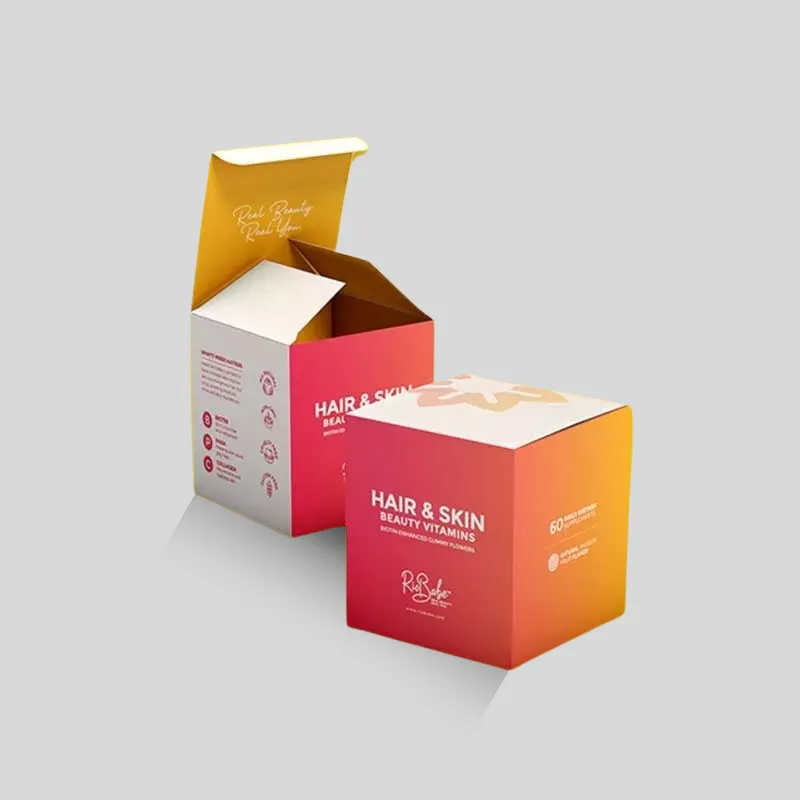
This guide is for healthcare, wellness, supplement, mask, clinic-kit, personal diagnostic, medical device accessory, and pharmacy-adjacent brands comparing custom healthcare boxes before requesting a quote. It is different from a narrow medicine carton guide because the healthcare category includes a wider range of product formats: boxed masks, first-aid kits, wellness devices, creams, diagnostic accessories, sample kits, practitioner packs, and multi-SKU retail programs.
Search intent and topic fit
A buyer searching how to choose custom healthcare boxes is usually not looking for general branding advice. They are trying to decide which package structure can safely hold a product, present it professionally, and leave enough room for product identity, directions, barcode, batch details, warnings, certification marks, and retailer requirements. Competitor pages commonly emphasize custom sizes, tuck-end formats, rigid options, tamper evidence, hygienic materials, and quote forms. The content gap is practical decision guidance: when to use each structure, what details to give the packaging specialist, and what not to assume.
Brisk Packaging can support this informational intent by linking the article to relevant product pages such as Custom Health Care Tuck Boxes, Custom Rigid Health Care Boxes, Custom Healthcare Mask Boxes, and the broader products catalog. The article should help the buyer prepare a cleaner quote request, not replace professional regulatory review.
When custom healthcare boxes are the right choice
Use custom healthcare boxes when plain stock cartons do not provide enough fit, protection, shelf communication, or brand consistency. Healthcare products often need clearer information hierarchy than lifestyle retail items. A shopper, patient, clinician, or buyer may need to identify the product type, variant, quantity, instructions, caution language, lot area, expiration area, barcode, and support contact quickly.
A custom carton is useful when you need:
- A precise fit around bottles, tubes, sachets, masks, devices, test-kit accessories, or bundled wellness products.
- Dedicated panels for instructions, warnings, ingredients, supplement facts, device compatibility, or clinic-use notes.
- Professional retail presence for pharmacy shelves, practitioner offices, wellness stores, and ecommerce unboxing.
- Better internal organization using paperboard dividers, trays, sleeves, or inserts.
- Tamper-evident options such as wafer seals, tear strips, shrink-band coordination, or seal-end structures where appropriate.
- Consistent artwork across product strengths, sizes, scents, flavors, quantities, or kit configurations.
Custom does not automatically mean expensive or complicated. The most efficient healthcare package is often a simple paperboard tuck carton with strong artwork discipline. Add complexity only when the product needs it.
Common healthcare box structures
Tuck-end cartons
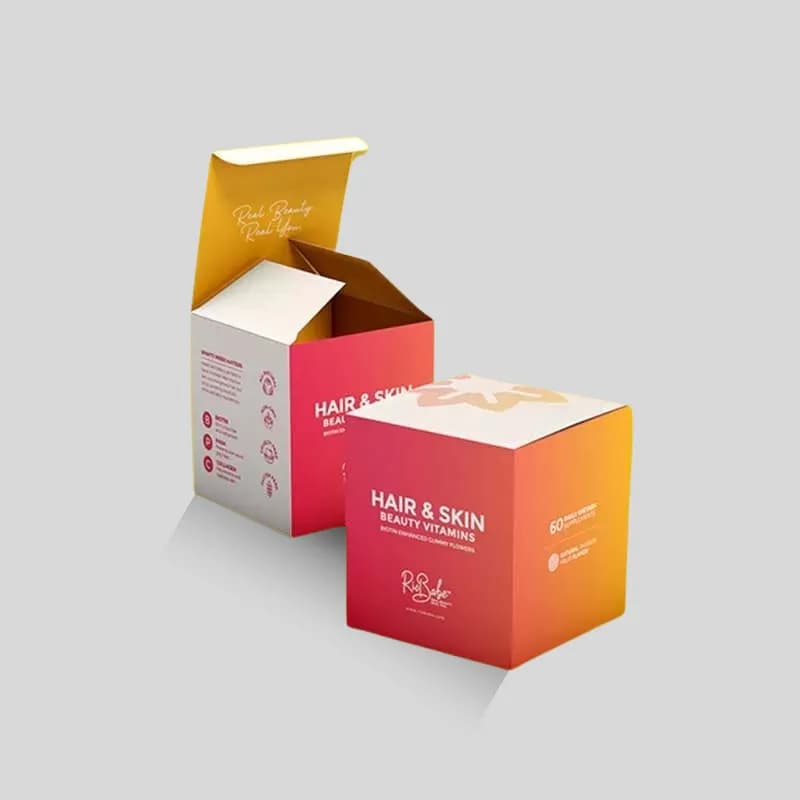
Tuck-end cartons are a common starting point for lightweight healthcare and wellness products. Straight tuck and reverse tuck styles work well for small bottles, creams, dental products, supplement accessories, first-aid components, and small diagnostic items. They ship flat, assemble quickly, and give you four main print panels plus end flaps for lot, expiry, barcode, or recycling information.
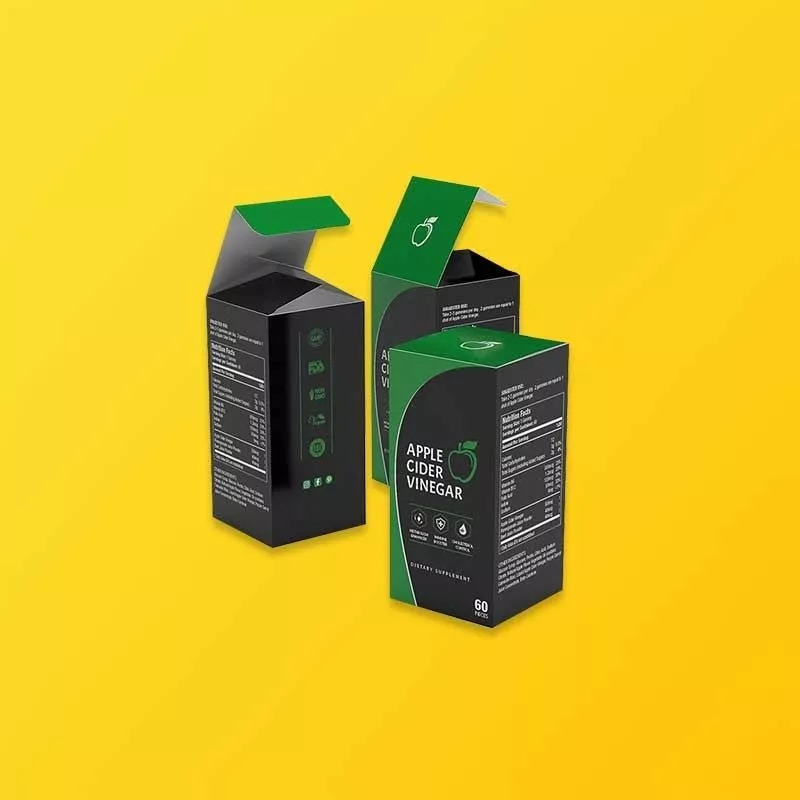
Choose tuck cartons when the product is not too heavy, the primary container already provides protection, and the outer box mainly handles identity, shelf presentation, and secondary protection. Ask for paperboard thickness guidance if the carton will carry a glass bottle, dropper, small device, or multi-count pack.
Auto-lock bottom boxes
Auto-lock healthcare boxes are useful when the product is heavier or the packing line needs faster assembly. The bottom locks into place without manual taping, which can help for kits, multiple small units, heavier bottles, or ecommerce-friendly retail cartons. They are not always necessary for lightweight products, but they can reduce packing friction when volume increases.
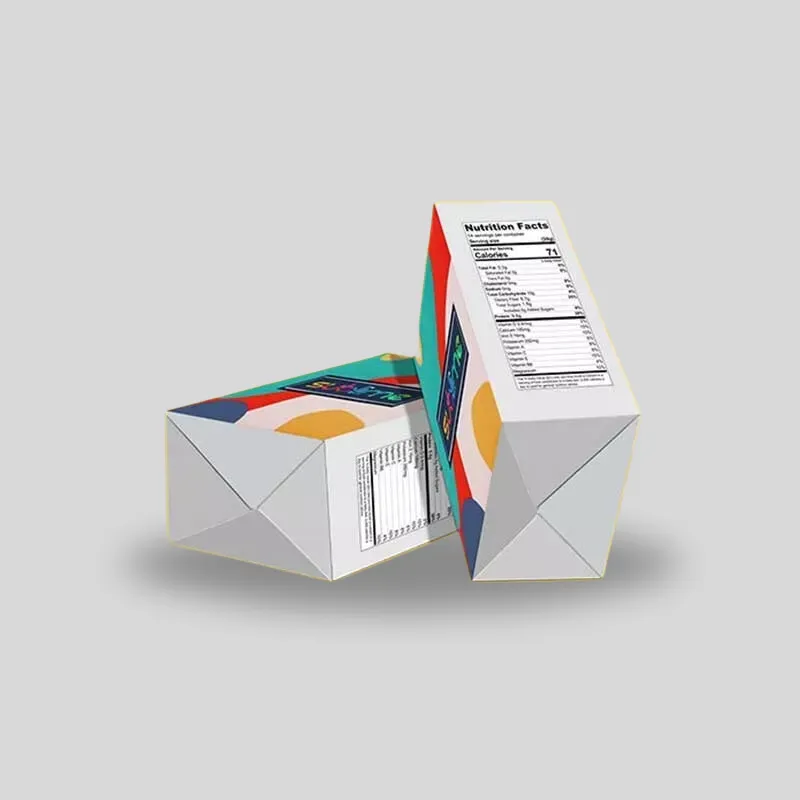
Use auto-lock structures when bottom strength and quick setup matter more than the lowest possible unit cost.
Seal-end and tamper-evident-ready cartons
Seal-end boxes are glued shut on one or both ends and can be paired with tamper-evident labels, tear strips, or security seals depending on the product and compliance needs. They are useful for items where buyers expect stronger closure integrity than a simple tuck flap.
Do not claim a carton is legally tamper proof unless it has been designed, tested, and approved for the specific regulatory context. In a quote request, use language such as tamper-evident option, seal-end closure, or compliance-ready labeling area, then confirm the required standard with qualified counsel or the retailer.
Rigid healthcare boxes
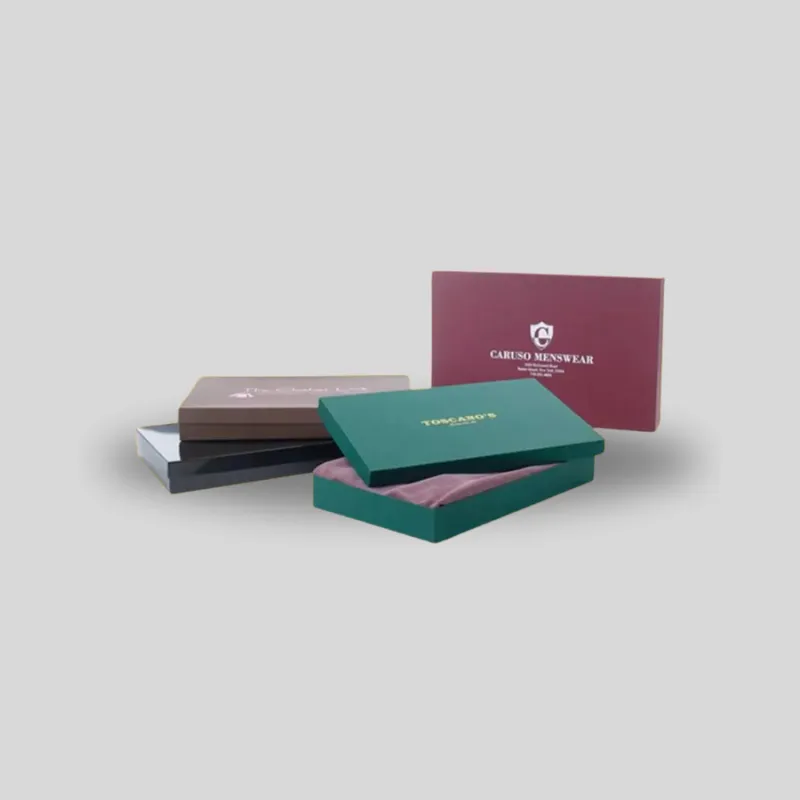
Rigid boxes fit premium wellness kits, medical device starter kits, practitioner sample kits, diagnostics presentation packs, and high-value products where the unboxing experience matters. They cost more than folding cartons and use more storage space, but they can create a durable presentation and hold custom inserts neatly.
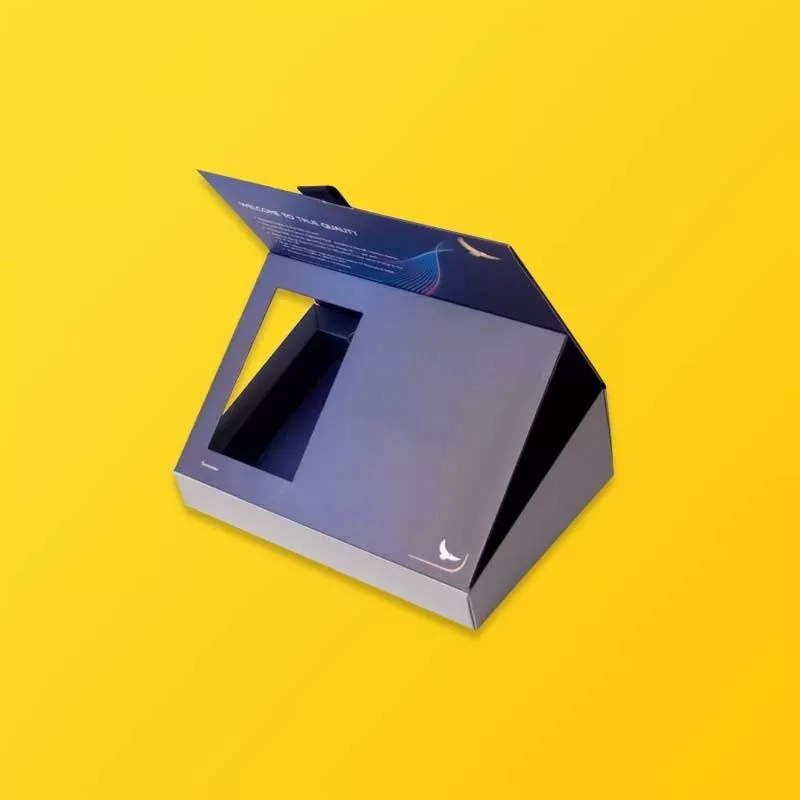
Rigid structures make sense when perceived value, giftability, device protection, or organized kit presentation is central to the sale. They may be excessive for low-cost, fast-moving consumables.
Window healthcare boxes
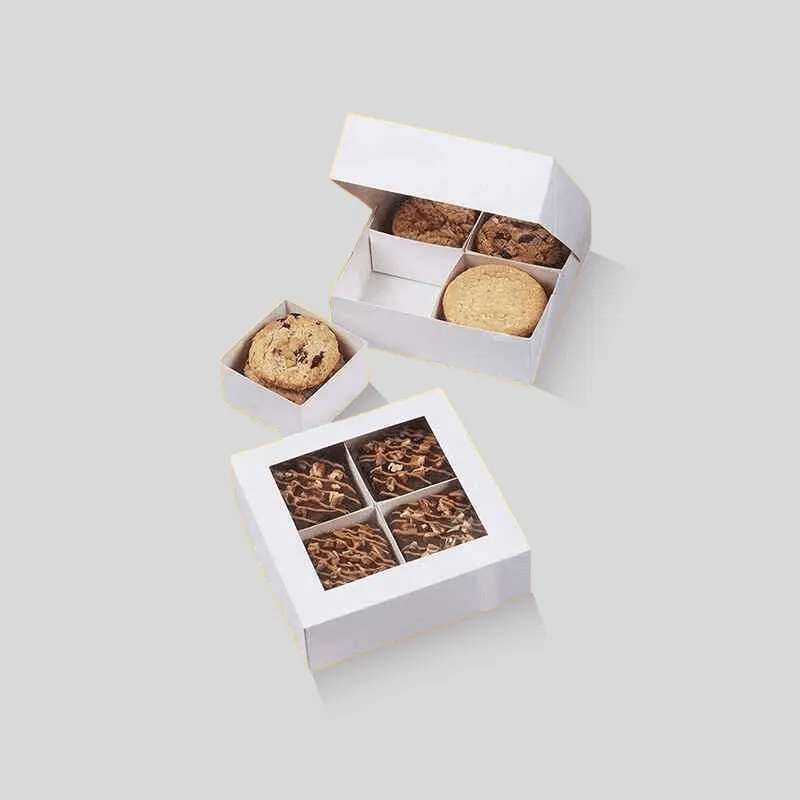
Window boxes help buyers see a visible product, tube, kit component, or mask count presentation without opening the carton. They can improve trust when the appearance of the product matters. However, window film can affect recyclability claims, privacy, light exposure, and artwork layout. If the product is sensitive to light or requires hidden lot information, avoid a window or place it carefully.
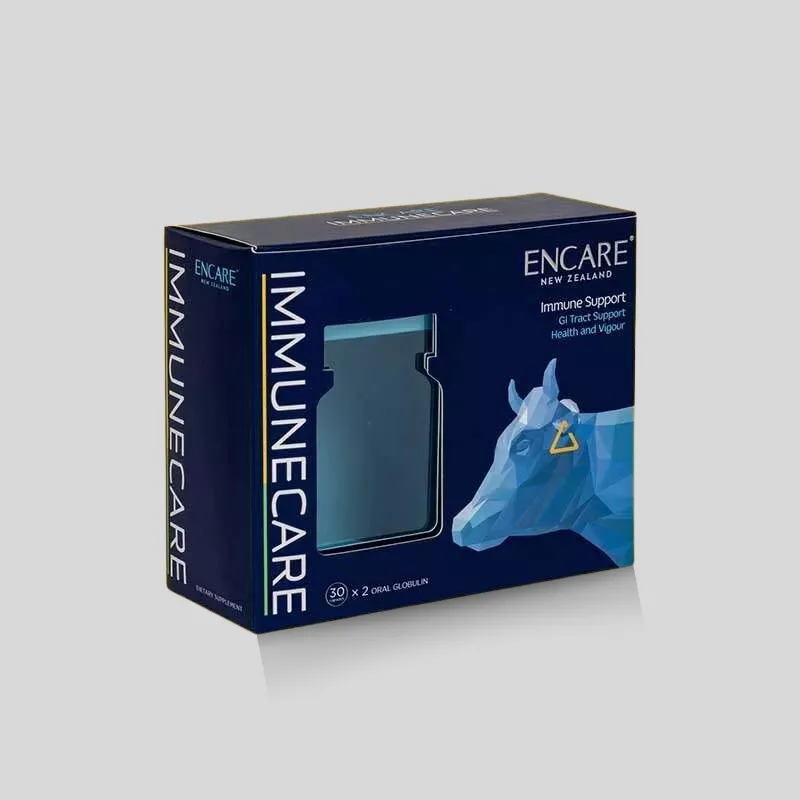
Use window boxes for visual retail confirmation, not for products that should remain fully covered for protection, discretion, or labeling space.
Material choices for healthcare packaging
Most healthcare boxes use paperboard, kraft board, corrugated board, or rigid chipboard wrapped with printed paper. The right material depends on product weight, print quality, shipment method, and shelf environment.
Paperboard is the default for folding cartons. It can be printed sharply, die-cut accurately, and finished with matte, gloss, soft-touch, aqueous coating, or specialty effects. Solid bleached sulfate and coated board are common choices when clean white print quality matters.
Kraft paperboard supports a natural or eco-conscious look, but colors print differently on brown stock. White ink underlays or simplified artwork may be needed for accurate brand color.
Corrugated board is better for heavier kits, ecommerce shipping, multi-packs, or products that need compression resistance. Micro-flute can combine retail print surfaces with better rigidity than standard paperboard.
Rigid board is used for premium boxes and kits. It supports magnetic closures, lift-off lids, sleeves, trays, foam or paperboard inserts, and high-end finishes.
For healthcare products, also consider coating and handling. If the box may face bathroom humidity, clinic handling, refrigeration-adjacent storage, or frequent touch, ask about scuff resistance, moisture-resistant coatings, and surface durability. Avoid unsupported claims such as sterile, antimicrobial, or medical grade unless the material and process are actually certified for that use.
Artwork and information hierarchy
Healthcare packaging needs disciplined layout. A beautiful box fails if the buyer cannot identify the product or if required information is squeezed into unreadable areas.
Plan the panels before design begins:
- Front panel: product name, main benefit or type, variant, count, and brand.
- Side panel: quick usage direction, support contact, QR code, or compatibility note.
- Back panel: longer directions, ingredients, supplement facts, device information, warnings, or storage information.
- End flaps: SKU, barcode, lot area, expiry area, strength, quantity, or internal packing mark.
- Inside panel: onboarding instruction, patient support line, care guide, or brand message if appropriate.
Ask Brisk for a dieline before final artwork. Place safety margins around trim, fold, and glue areas. Keep small text away from creases and avoid putting barcodes on curved folds or glossy high-reflective finishes that may scan poorly.
Printing and finish options
Digital printing works well for short runs, fast proofing, multiple SKUs, seasonal wellness bundles, and early product launches. Offset printing is typically better when order volume is higher and brand color consistency across cartons is more important. For kraft stock, test color results before committing to a full production run.
Healthcare brands often choose clean finishes: matte lamination, aqueous coating, soft-touch coating, spot UV for brand marks, or foil for premium wellness kits. Use high-gloss effects carefully because glare can reduce readability on small text. Embossing or debossing may add trust cues on premium kits, but it should not interfere with required labeling panels.
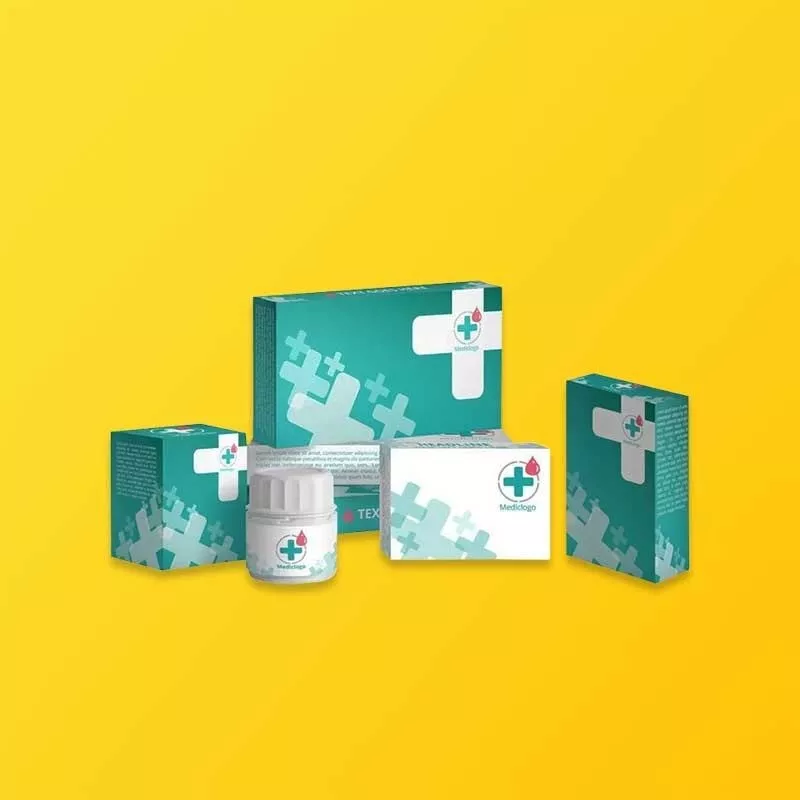
If the product will be handled frequently, prioritize scuff resistance and legibility over decoration. A clinic buyer, pharmacist, warehouse picker, or retail customer needs to understand the product quickly.
Inserts, dividers, and kit organization
Many healthcare products are sold as kits rather than single units. Inserts prevent movement, improve presentation, and reduce confusion when the user opens the box. Options include paperboard trays, corrugated dividers, foam inserts, molded pulp, sleeve-and-tray systems, and compartment cards.
Choose inserts when the box contains:
- Multiple bottles, vials, tubes, or sachets.
- A device plus charging cable, manual, and accessories.
- A mask pack with instructions and support card.
- A clinic sample kit with several SKUs.
- Fragile glass or precision components.
Paperboard inserts are often enough for lightweight products. Foam or molded pulp may be better for devices or fragile kits, but they affect cost, storage, sustainability claims, and assembly steps. Include product dimensions and photos in the quote request so the packaging specialist can recommend the right cavity and tolerance.
Compliance-ready features without overclaiming
Healthcare packaging often touches regulated product categories, but the box supplier should not be treated as a substitute for regulatory counsel. The safe approach is to build compliance-ready features into the structure and artwork, then confirm final requirements with the responsible expert.
Useful features include:
- Clear space for warnings, directions, batch, lot, and expiry information.
- Barcode and serialization zones where applicable.
- Tamper-evident label placement or seal-end closure options.
- Child-resistant coordination when the product requires it, using tested systems where needed.
- Version control for artwork across strengths, sizes, and languages.
- High-contrast typography for readability.
- QR code placement for instructions, support, or product verification.
Avoid saying a package is FDA-approved, child-resistant, sterile, antimicrobial, or compliant unless the specific product, material, and final package have documented support for that statement. For the draft, use phrases like compliance-ready labeling space or tamper-evident options rather than legal guarantees.
Cost and MOQ factors
The cost of custom healthcare boxes depends on structure, dimensions, material thickness, print method, finish, insert complexity, order quantity, number of SKUs, proofing requirements, and shipping destination. A basic paperboard tuck carton is usually more efficient than a rigid box with inserts and specialty finish. A multi-SKU program may also require plate, setup, and color management planning.
To control cost without weakening the package:
- Standardize box dimensions across related SKUs when possible.
- Use paperboard inserts before moving to foam if protection allows.
- Limit specialty finishes to the logo or key panel instead of the full box.
- Group similar artwork versions into one production discussion.
- Choose a structure that matches product weight instead of overbuilding.
- Provide accurate dimensions early to reduce dieline revisions.
The cheapest healthcare box can become expensive if it causes crushed cartons, confusing labeling, packing delays, or retailer rejection. The goal is fit-for-purpose packaging, not simply the lowest per-unit quote.
Mistakes to avoid
The first mistake is starting artwork before the dieline is confirmed. Healthcare packaging has too much information to guess panel sizes. Get the structure, dimensions, and glue area first.
The second mistake is using lifestyle packaging language for serious healthcare products. The box can look premium, but clarity matters more than vague claims. Use exact product identity, quantity, directions, and support information.
The third mistake is ignoring the fulfillment channel. A carton that looks good on a shelf may need a different structure for ecommerce shipping, wholesale case packing, or clinic distribution.
The fourth mistake is treating tamper evidence as an afterthought. If you need seals, tear strips, labels, shrink bands, or closure controls, discuss them before artwork and die-cut tooling.
The fifth mistake is copying a medicine box format for every healthcare product. Masks, wellness devices, supplements, creams, diagnostic kits, and clinic samples can require different structures, inserts, and panel hierarchies.
Quote checklist for custom healthcare boxes
Before requesting a quote from Brisk Packaging, prepare:
- Product type and use case: mask, wellness kit, supplement, device accessory, clinic pack, cream, bottle, or multi-item set.
- Product dimensions and weight, including primary container if one exists.
- Quantity and number of artwork versions.
- Preferred structure: tuck carton, auto-lock bottom, seal-end, rigid box, window box, mailer, or kit box.
- Material preference: paperboard, kraft, corrugated, rigid board, or unsure.
- Required panel information: directions, warnings, barcode, batch, expiry, ingredients, QR code, or retailer marks.
- Insert needs: divider, tray, foam, molded pulp, or paperboard cavity.
- Finish preferences: matte, gloss, soft-touch, aqueous, spot UV, foil, embossing, or simple print.
- Distribution channel: pharmacy retail, clinic, ecommerce, wholesale, subscription, or sample program.
- Any compliance, tamper-evident, child-resistant, or retailer requirements that must be reviewed.
- Desired sample, proof, and production timeline.
- Shipping destination and case-pack requirements.
If you are unsure about structure, send product photos and dimensions and ask a Brisk packaging specialist for sample guidance, dieline review, and a project-specific quote.
Internal links to compare next
For related structure and material decisions, compare custom medicine boxes, custom personal care boxes, child-resistant packaging, paperboard vs corrugated packaging, and packaging inserts. These pages help separate healthcare carton decisions from regulatory packaging, daily personal care retail packaging, and heavy-duty shipping protection.
FAQ
What are custom healthcare boxes?
Custom healthcare boxes are printed packaging structures made for wellness, medical-adjacent, clinic, mask, supplement, diagnostic, and healthcare retail products. They can be folding cartons, rigid boxes, window boxes, auto-lock boxes, seal-end cartons, or kit boxes with inserts.
Which material is best for healthcare boxes?
Paperboard is common for lightweight cartons and retail packaging. Corrugated board is better for heavier kits or ecommerce shipping. Rigid board works for premium presentation kits. Kraft board can support a natural look, but color accuracy needs planning.
Can healthcare boxes be tamper evident?
They can be designed with tamper-evident options such as seal-end closures, tear strips, wafer seals, or shrink-band coordination. The exact requirement depends on the product and regulatory context, so confirm final compliance needs before production.
Should I choose a window box for healthcare products?
Choose a window box when product visibility helps retail trust and does not conflict with protection, light sensitivity, privacy, or labeling space. Avoid windows when the product needs full coverage or when required information needs the front panel.
Are rigid healthcare boxes worth the cost?
Rigid boxes are worth considering for premium wellness kits, device starter kits, sample kits, and products where organized presentation matters. For simple consumables, a folding carton is often more efficient.
What should I send for a custom healthcare box quote?
Send product dimensions, weight, quantity, number of SKUs, preferred structure, artwork requirements, insert needs, finish preferences, distribution channel, timeline, shipping destination, and any compliance or tamper-evident requirements.
Can Brisk help with dielines and samples?
Yes. Request dieline review, material guidance, sample support, and a project-specific quote so the structure, artwork, and protection level match the actual healthcare product before production.