Custom rigid boxes are premium, non-collapsible packaging built from thick chipboard (typically 1.5–3 mm) wrapped with a decorative outer material. They protect high-value products, elevate unboxing, and hold their shape for reuse. To choose the right one, decide on five things in order: structural style (lid-and-base, drawer, magnetic, hinged), chipboard grade (thickness matched to product weight), wrap material (art paper, textured paper, fabric, leather), finish combination (lamination, foil, embossing, spot UV), and insert type (foam, fabric platform, molded pulp). Then request samples and a quote from a supplier that offers free design support and a physical proof before production.
What makes a box "rigid" vs other packaging
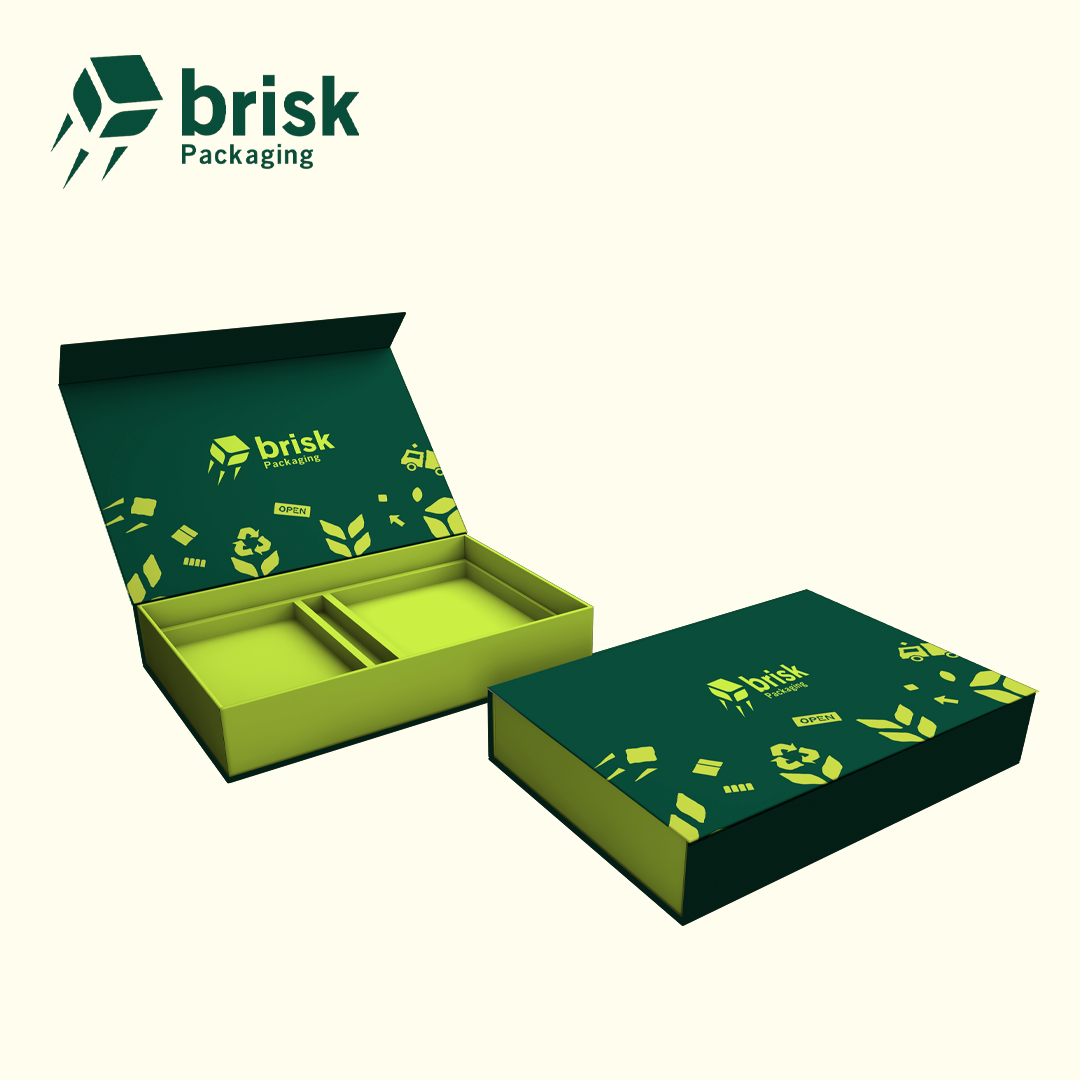
A rigid box (also called a setup box) is constructed from a heavy, pre-cut chipboard base and lid. The chipboard is glued into shape first, then wrapped on the outside — and often the inside — with a decorative paper, fabric, or specialty material. Unlike folding cartons and mailer boxes, rigid boxes do not ship flat. They arrive assembled, which is why they cost more per unit but feel premium in the hand.
The tell-tale signs of a rigid box: the walls are stiff and thick, corners are sharp and square, and the surface has a wrapped seam rather than a printed crease. Think of a classic Apple product box, a jewelry presentation box, or a luxury chocolate box — those are rigid boxes.
Rigid boxes are worth the premium when your product is high-value, gift-focused, or designed to be reused as storage. They are usually the wrong choice when you need ultra-low unit cost, ship in high volumes with tight freight budgets, or need packaging that collapses for storage.
Structural styles for rigid boxes
The structure is the biggest decision, because it changes the unboxing motion, the printable surface, and the cost.
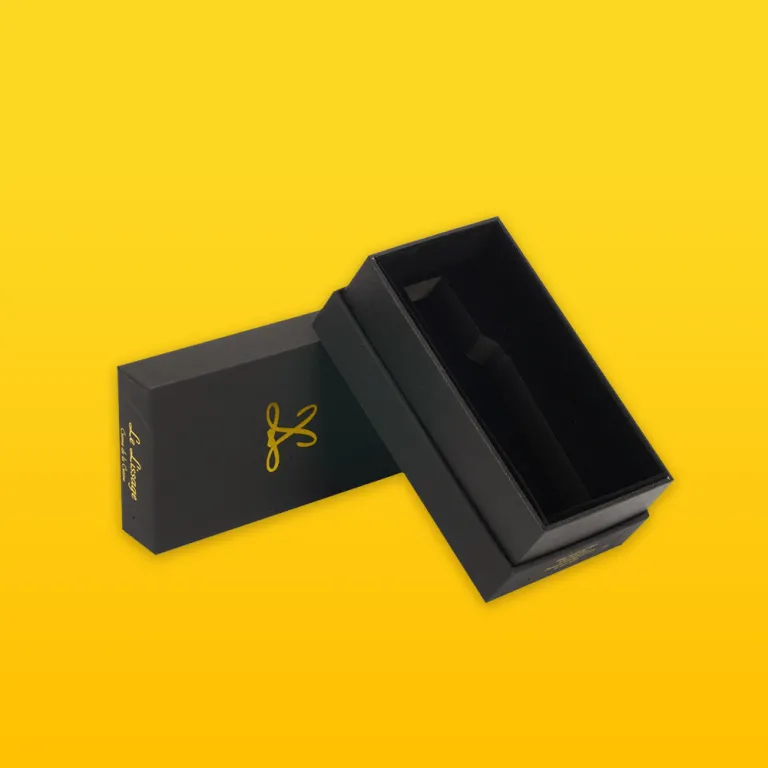
- Lid-and-base (two-piece / telescope): The classic shoebox style. The lid lifts off the base entirely. Best for gifts, apparel, and premium retail. Easy to open one-handed, prints well on both lid top and base sides.
- Drawer / slider (matchbox-style): A tray slides out of an outer sleeve. Great for jewelry, cosmetics, tech accessories, and confectionery. The pull motion feels controlled and premium, and the tray can hold custom inserts.
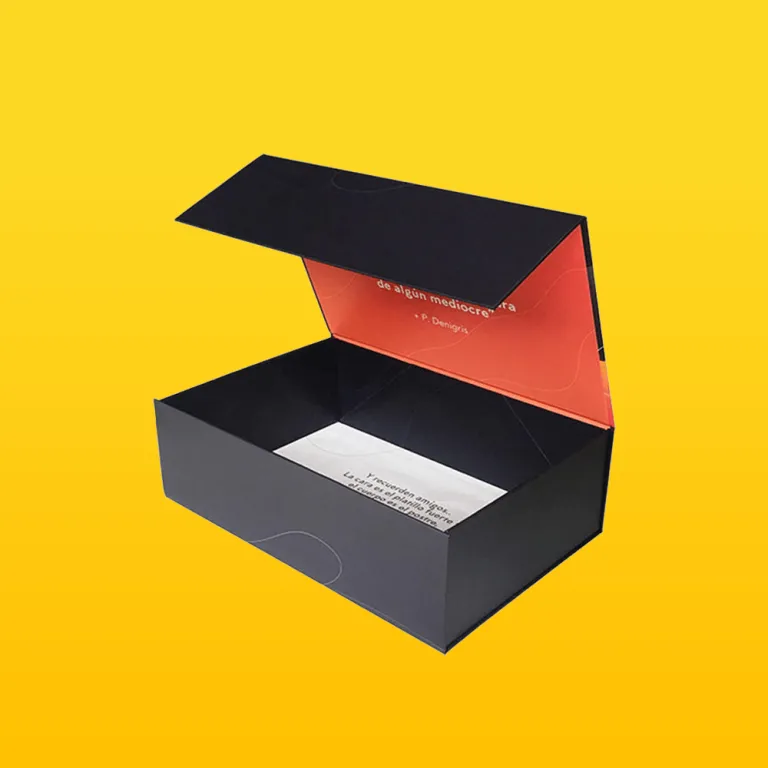
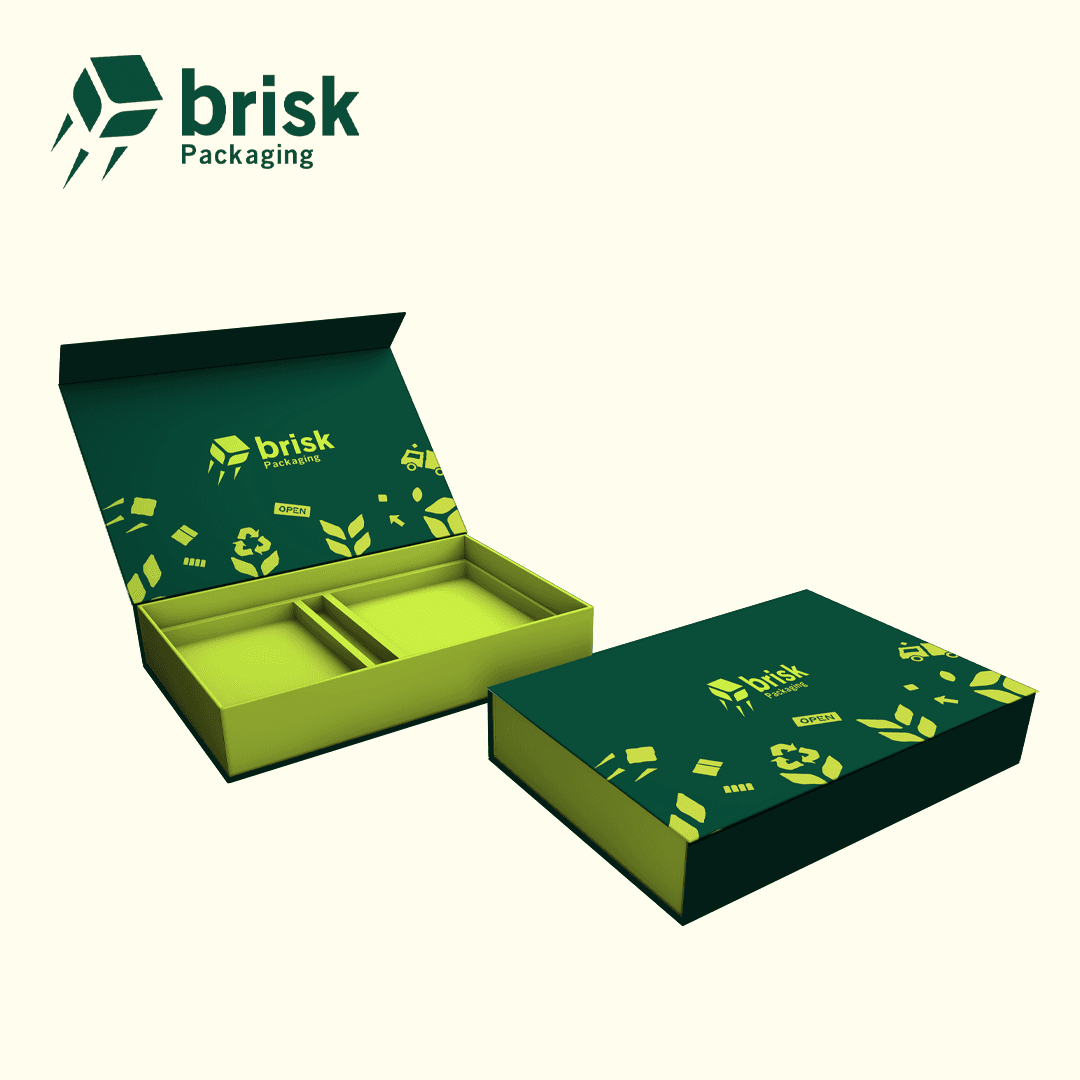
- Magnetic closure (book-style): A hinged lid held shut by hidden magnets. Ideal for high-end gifting, subscription boxes, and product launches. The magnet click is a memorable unboxing cue and the flat inside lid gives you a large printable surface.
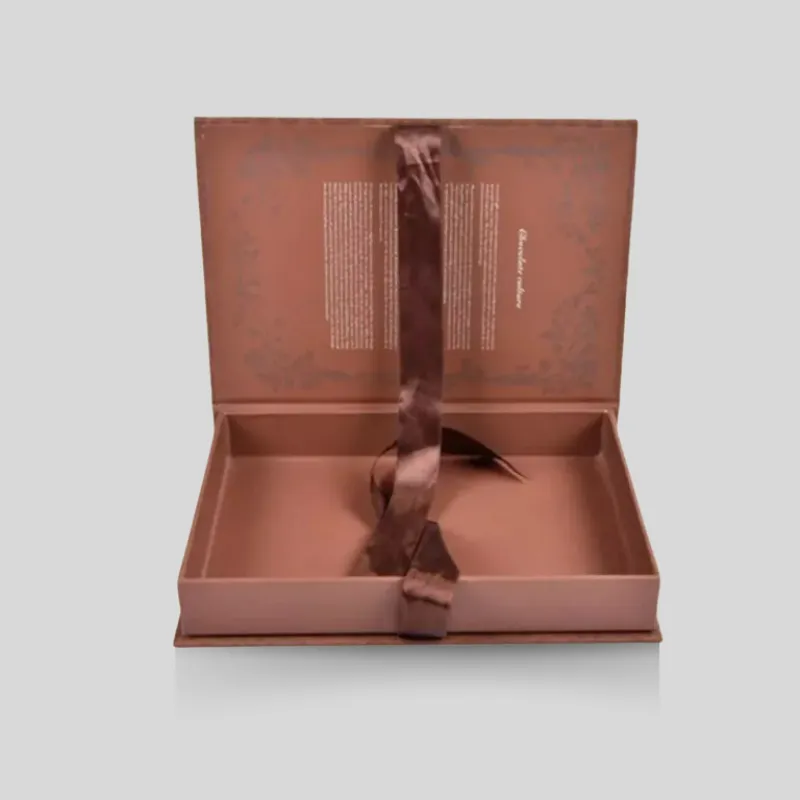
- Hinged / lid-attached: The lid is attached to the base with a fabric or paper hinge, like a cigar box. Good for reusable presentation packaging and product kits.
- Clamshell / neck-and-shoulder: Two-piece with an inner neck that guides the lid onto the base. Common in premium spirits, watches, and cosmetics — the extra structural layer signals luxury.
- Collapsible rigid boxes: A newer hybrid that ships flat and folds up into a magnetic-closure rigid box. Cuts freight cost significantly, but requires precise assembly and has slightly less structural rigidity than a fully setup rigid box.
Wrap materials and chipboard grades
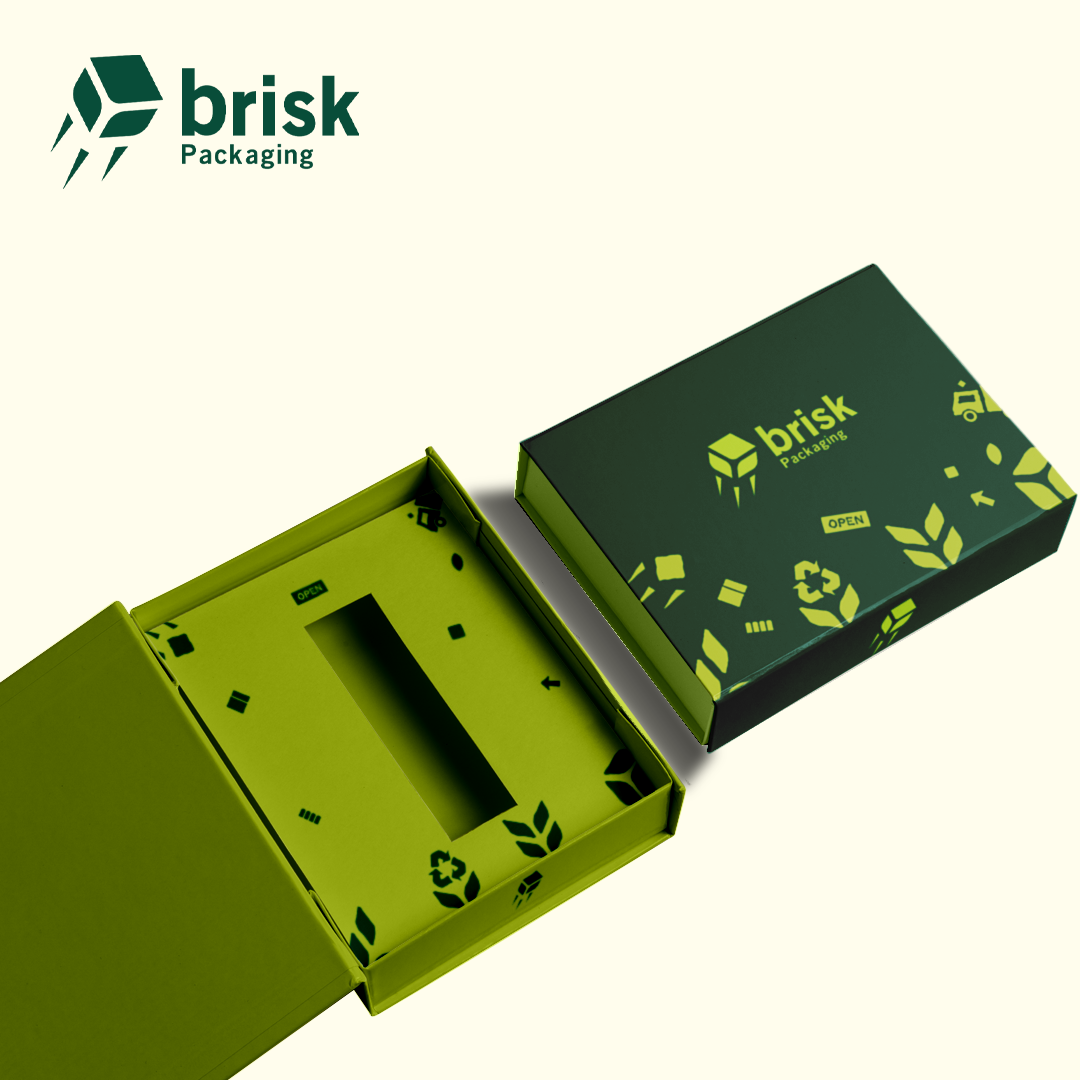
Two engineering decisions sit under the visual design: how thick the chipboard is and what you wrap it with.
Chipboard thickness is chosen based on product weight, box footprint, and how "substantial" you want the box to feel. Common ranges:
- 1.5 mm chipboard: Light rigid boxes for small items — jewelry, cards, cosmetics samples. Feels premium but not heavy.
- 2 mm chipboard: The most common grade. Balances weight, cost, and structural feel for most retail and gifting applications.
- 2.5–3 mm chipboard: Heavy rigid boxes for spirits, watches, electronics, and large gift sets. Communicates high value the moment the box is picked up.
- Above 3 mm: Specialty and luxury applications where the box is intended to be a keepsake.
Larger boxes need thicker chipboard to resist bowing on the top surface. Ask your packaging specialist to recommend a grade based on your interior dimensions and product weight — this is exactly the kind of decision worth a quick dieline review.
Wrap material is what buyers see and touch first. Common options include:
- Coated art paper: Smooth, prints in vivid CMYK or Pantone, laminates well. The default for most branded rigid boxes.
- Uncoated / textured paper: Felt-like, cotton-like, or linen-embossed surfaces. Softer feel, quieter branding — a common pick for beauty, spirits, and premium food.
- Fabric wraps (linen, silk, velvet): Luxury tier. Excellent for jewelry, watches, and high-end gift boxes.
- Faux leather / leather: Serious luxury. Reserved for premium spirits, watches, and executive gifting.
- Specialty papers (metallic, pearlescent, holographic): Adds shimmer without needing foil coverage across the whole box.
Premium finish combinations for rigid boxes
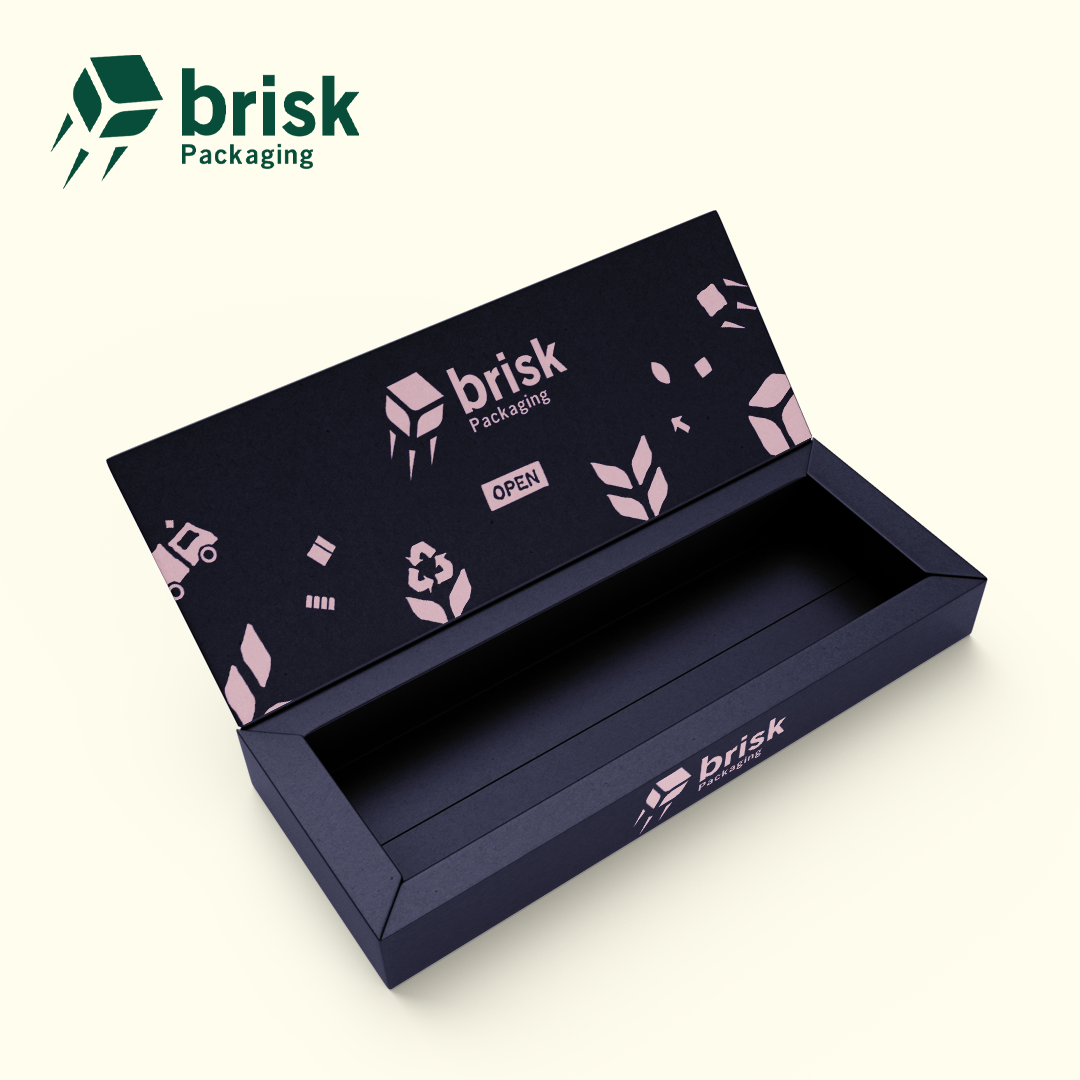
Rigid boxes are the packaging category where finishes earn their keep. Most premium rigid boxes layer two or three finishes rather than relying on one.
- Lamination (matte or gloss): The base layer over printed art paper. Matte lamination gives a soft, sophisticated, smudge-resistant surface — the current default for premium beauty and lifestyle brands. Gloss lamination pushes color vibrancy and works well for bold, high-energy retail. See the deeper trade-off in matte vs gloss lamination for packaging.
- Foil stamping: Metallic foil pressed onto the surface with a heated die. Gold, silver, rose gold, copper, and holographic foils are common. Use foil for logos, monograms, or thin accent lines — not for large fill areas, which look flat and can scuff.
- Embossing and debossing: Raises (emboss) or presses in (deboss) a portion of the surface. Beautiful on textured paper and on fabric wraps where ink doesn't print well. See embossing vs debossing packaging for the visual and cost differences.
- Spot UV: A high-gloss clear coating applied only to specific areas — typically over a matte-laminated background so the contrast pops. Great for logos, patterns, or product names. See foil stamping vs spot UV packaging for how the two compare.
- Screen printing: Direct ink printing on textured surfaces, fabric, or specialty papers that don't take offset printing well. Common on fabric-wrapped luxury boxes.
A production-ready combination might read: 2 mm chipboard, art paper wrap, CMYK + one Pantone, matte lamination base, spot UV on the logo, gold foil on the wordmark, and blind deboss on a border pattern. That single spec sheet tells your supplier almost everything they need.
Inserts for rigid boxes
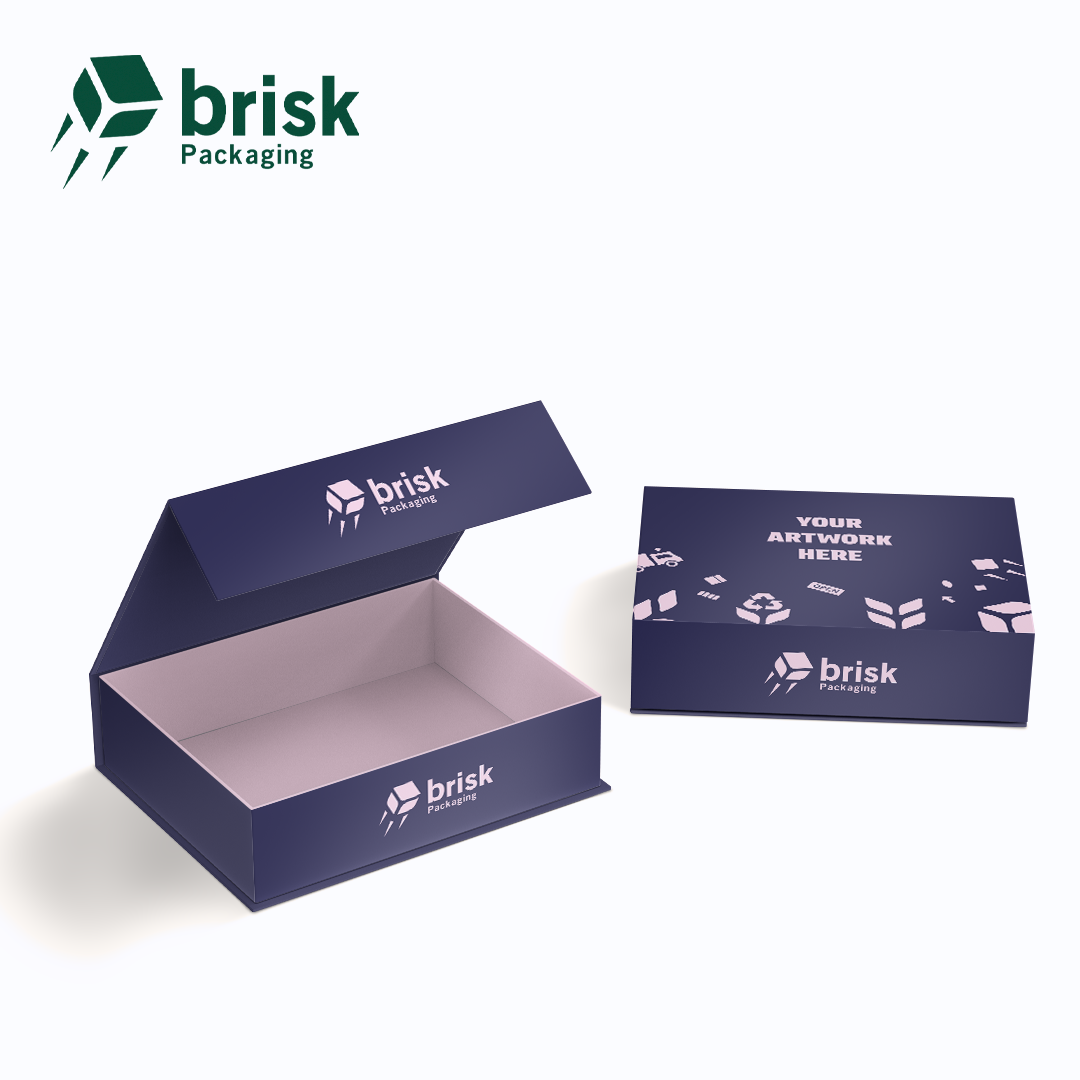
An empty rigid box feels underdressed. Inserts hold the product securely, add visual staging, and make the unboxing feel intentional.
- EVA foam inserts (die-cut cavities): Firm black, gray, or white foam with a cut cavity that fits your product. The most versatile insert for electronics, tools, cosmetics, and product kits.
- Egg-crate foam: Soft protective foam for lightweight, delicate items when a precise cavity isn't needed.
- Fabric-wrapped platforms: Foam or chipboard covered in linen, silk, or velvet, with a cavity or slot for the product. Standard for jewelry, watches, and premium accessories.
- Molded pulp inserts: Recycled paper pulp molded to your product shape. The eco-forward alternative to foam, popular in beauty and consumer electronics.
- Corrugated dividers: Simple, low-cost, and appropriate for gift sets with multiple SKUs.
- Ribbon pulls and satin lining: Small details that turn a good insert into a memorable one.
Match the insert to the product's weight and fragility, not just the aesthetic. For a full walk-through of insert selection, materials, and cost trade-offs, read how to choose packaging inserts.
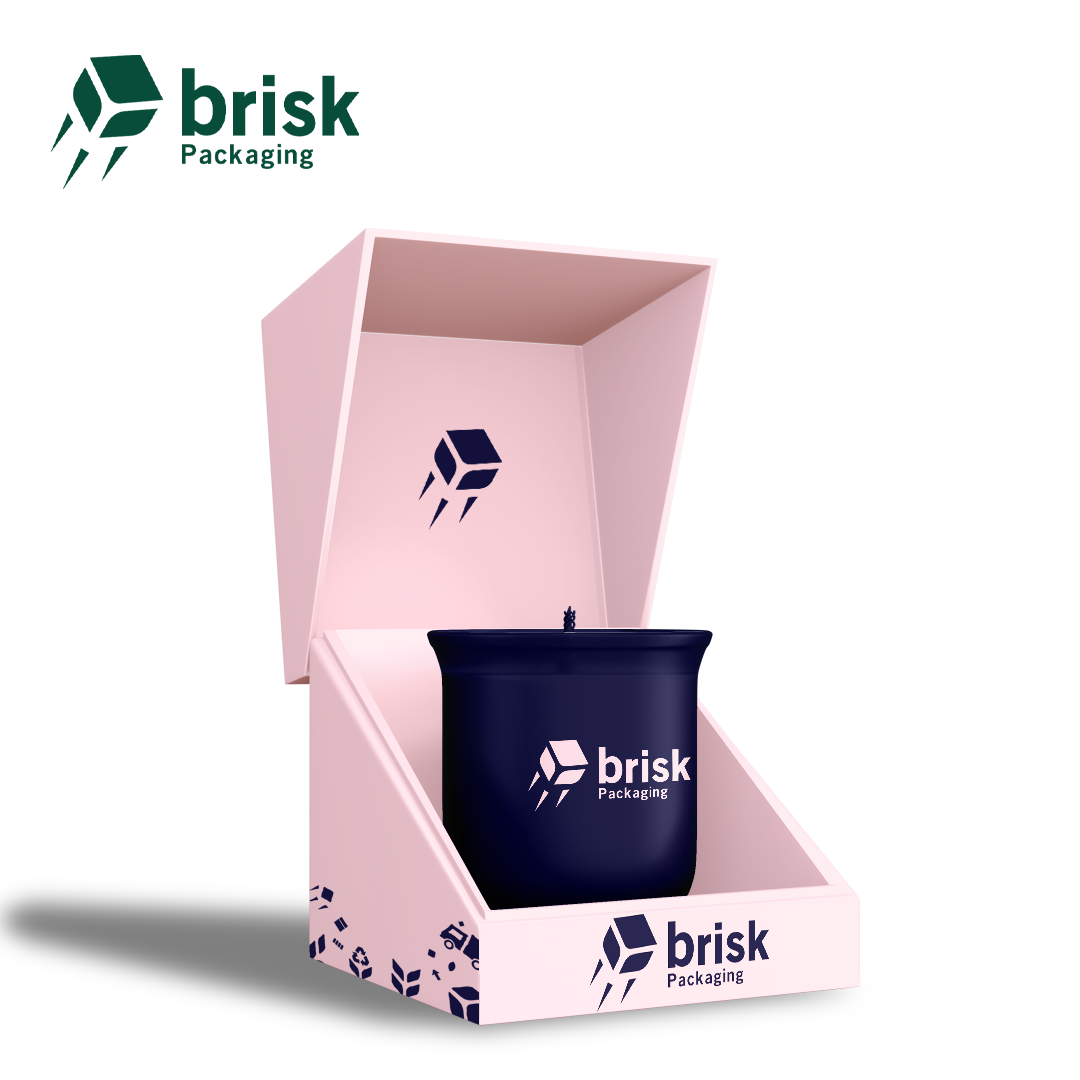
Sustainability in rigid packaging
Rigid boxes are often criticized on sustainability grounds because they combine chipboard, wrap paper, adhesives, and sometimes foam. That criticism is fair, but several levers make rigid packaging meaningfully more responsible:
- FSC-certified chipboard and wrap paper. Confirm that both layers carry the chain-of-custody certification, not just one.
- Recycled-content chipboard. Most grey chipboard already contains high recycled content — ask your supplier for the exact percentage in writing.
- Water-based adhesives. Standard on most modern rigid boxes but worth confirming.
- Soy-based or vegetable-based inks. Available on art paper wraps at no meaningful cost premium.
- Molded pulp inserts instead of EVA foam. The biggest single sustainability upgrade in a rigid box spec.
- Recyclability caveat. Wrapped rigid boxes are technically recyclable in mixed paper streams, but foil stamping, spot UV, and lamination reduce recyclability. If sustainability is a headline claim, keep finishes minimal or use compostable pulp inserts and a simple debossed wordmark.
Cost and MOQ drivers for rigid boxes
Rigid boxes have more cost variables than folding cartons or mailers because so much of the work is manual. The main drivers:
- Chipboard thickness: Heavier board = more material, more labor to score and set up.
- Box size and interior volume: Larger boxes need more chipboard, more wrap paper, and more setup time.
- Wrap material: Art paper is the baseline. Textured paper adds cost; fabric and leather add significantly more.
- Structural style: Lid-and-base is the baseline. Magnetic closure boxes add hardware and assembly time. Hinged and neck-and-shoulder styles add structural complexity.
- Finish complexity: Each added finish (foil, spot UV, emboss) is a separate production pass with its own die or plate.
- Insert type: Fabric-wrapped foam is materially more expensive than plain die-cut foam, which is more expensive than corrugated dividers.
- Quantity breaks: Rigid box unit cost drops noticeably from a few hundred units into the low thousands as setup costs amortize.
Minimum order quantities for rigid boxes are typically higher than for folding cartons because of the manual setup involved. Ask your supplier for their actual MOQ, per-unit pricing at three quantity tiers, and any rush surcharges — those three numbers make comparing quotes straightforward. For a broader look at what shapes packaging pricing, see how much does custom packaging cost.
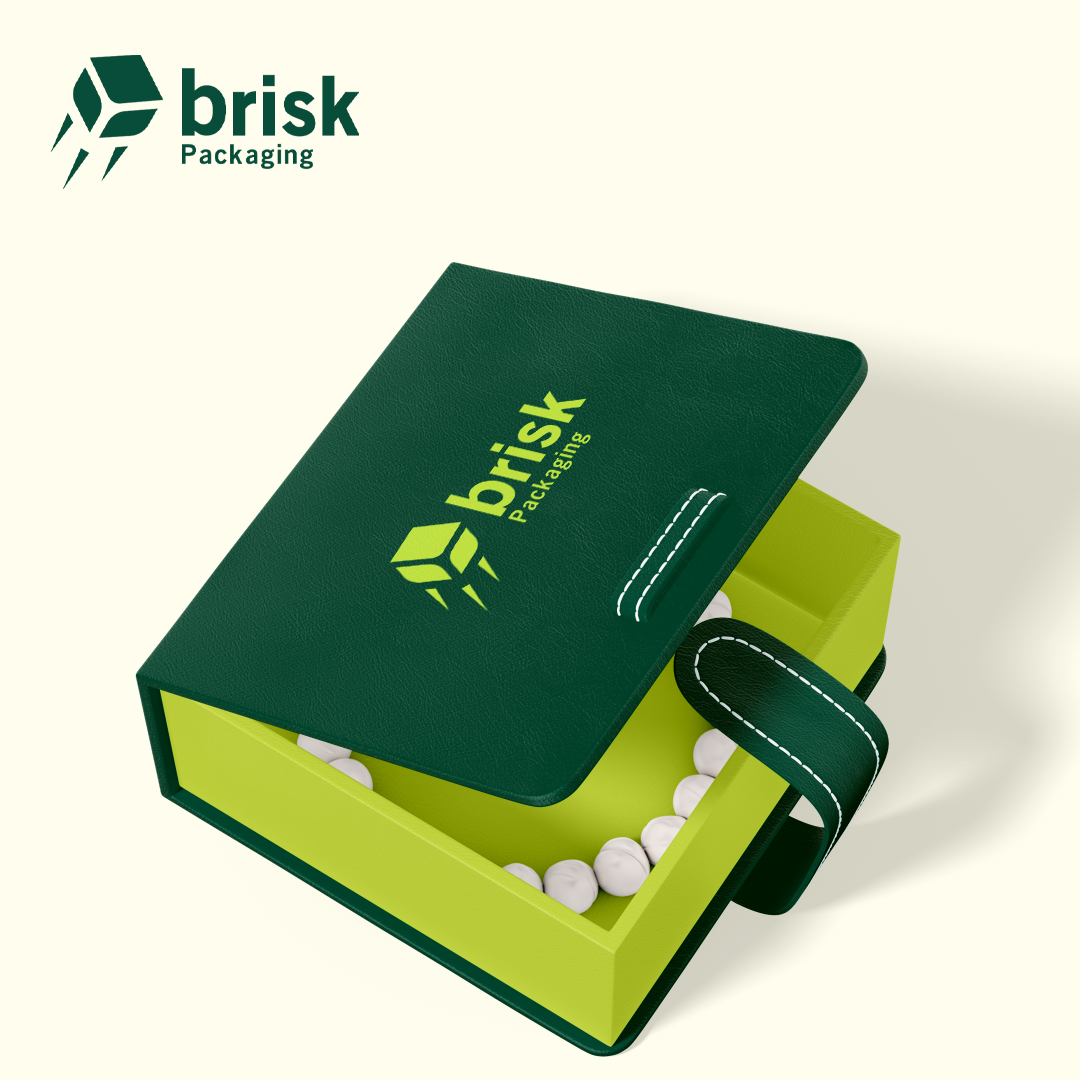
Common mistakes when specifying rigid boxes
- Choosing chipboard by feel alone. A 3 mm box feels great in a showroom, but if your product is a 40 g lip balm, the box will look and ship disproportionate. Match thickness to product weight and box footprint.
- Stacking every available finish. Matte lamination + gloss lamination + foil + spot UV + emboss on one box looks busy and drives cost. Pick a hierarchy: one dominant finish (usually lamination), one accent finish (usually foil or spot UV), one subtle detail (usually deboss).
- Skipping a physical proof. Rigid boxes look very different on screen vs in hand. A pre-production physical proof or "white sample" catches structural, wrap, and finish issues before the full run.
- Under-specifying the insert. The insert is where products get damaged in transit and where unboxing succeeds or fails. Do not treat the insert as an afterthought at quote time.
- Ignoring shipping economics. Rigid boxes ship assembled and take dimensional-weight hits. Confirm the outer master carton pack-out and freight cost per unit before finalizing dimensions.
- Approving artwork without a dieline check. Wrap seams, corner turns, and interior visibility all affect where art can safely sit. Ask for a dieline review with your designer before you sign off.
- Forgetting color mode. Convert brand colors to Pantone where possible for critical hits. See CMYK vs Pantone for packaging for the trade-offs.
Quote-ready checklist for custom rigid boxes
Bring these to your first conversation with a packaging specialist and you'll get an accurate quote quickly:
- Product dimensions (L × W × H) and product weight
- Interior dimensions required, or a description of what the box must hold
- Structural style preference (lid-and-base, drawer, magnetic, hinged)
- Chipboard thickness preference (or ask for a recommendation based on weight)
- Wrap material (art paper, textured, fabric, leather, specialty)
- Print colors (CMYK, Pantone codes, single-color)
- Finish stack (lamination + accents in priority order)
- Insert requirement (type, material, cavity count)
- Quantity tiers you want to price (e.g. 250 / 500 / 1000)
- In-hands date and destination
- Whether you need a physical proof before full production
- Any sustainability requirements (FSC, recycled content, pulp inserts)
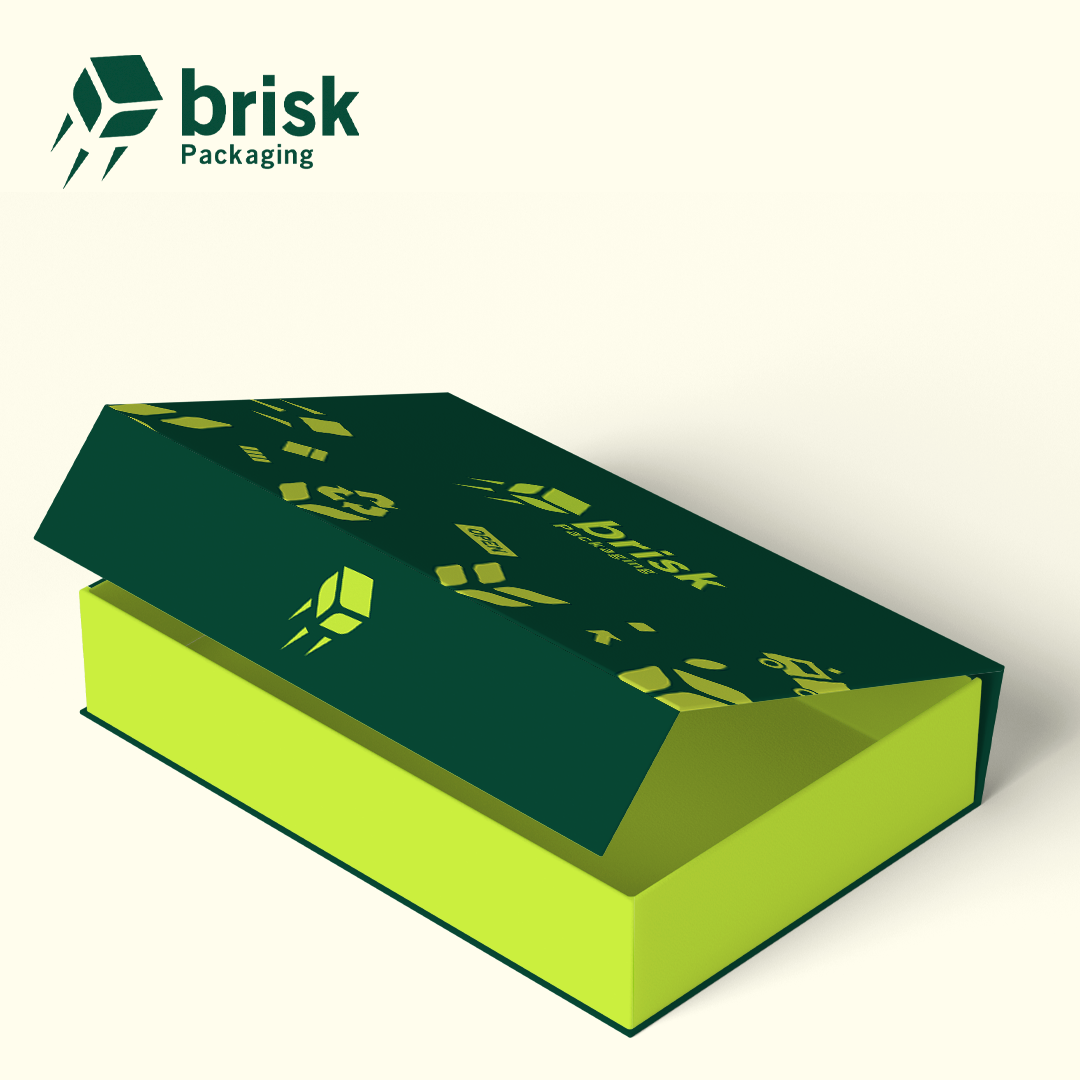
When to ask for a Brisk quote
If your product retails above roughly $30, is gift-focused, or is going into a launch or PR moment, rigid boxes almost always earn their cost back in perceived value and unboxing content. Request material samples so you can feel chipboard thicknesses and wrap textures in person before you commit. A specialist can also recommend structural choices that trim cost without downgrading the finish — for example, moving from magnetic closure to a well-executed drawer style, or specifying a slightly thinner chipboard with a heavier wrap material.
Brisk Packaging supports rigid box projects with free design support, unlimited artwork revisions, a digital proof before production, no die plate charges, and physical samples on request. Reach out with the checklist above and a specialist will price your spec across quantity tiers.
FAQ
What is a custom rigid box?
A custom rigid box is a premium packaging structure made from thick chipboard (typically 1.5–3 mm) that is glued into shape and wrapped with a decorative paper, fabric, or specialty material. It does not ship flat, holds its shape permanently, and is used for luxury retail, gifting, and product launches where presentation matters.
How thick should the chipboard be for a rigid box?
Chipboard thickness should match the product weight and box footprint. Light items in small boxes work well at 1.5 mm. Most retail and gifting applications use 2 mm as a balanced default. Heavier products, larger footprints, and premium spirits or electronics typically use 2.5–3 mm. Above 3 mm is reserved for keepsake and luxury applications.
What is the difference between a rigid box and a folding carton?
A rigid box is pre-assembled from thick chipboard and wrapped with decorative material — it does not collapse. A folding carton is scored, printed paperboard that ships flat and is folded at pack-out. Rigid boxes cost more per unit and are used for premium presentation; folding cartons cost less and are used for higher-volume retail. See rigid boxes vs folding cartons for a full comparison.
Which finish combination looks most premium on a rigid box?
A common premium stack is matte lamination as the base layer, spot UV on the logo for a subtle gloss contrast, and gold or silver foil stamping on the wordmark. Add a blind deboss on a border pattern for tactile depth. This layering reads as intentional and expensive without being noisy.
Can rigid boxes be sustainable?
Yes, to a meaningful degree. Specify FSC-certified chipboard and wrap paper, recycled-content chipboard, water-based adhesives, soy-based inks, and molded pulp inserts instead of foam. Keep finishes minimal to preserve recyclability. Wrapped rigid boxes with heavy foil, spot UV, or lamination are harder to recycle, so match your finish choices to your sustainability claims.
What information do I need to request a rigid box quote?
Provide product dimensions and weight, structural style preference, chipboard thickness, wrap material, print colors, finish stack, insert requirement, quantity tiers, in-hands date, destination, and whether you need a physical proof. Sending this in a single message shortens the back-and-forth and gets you an accurate quote on the first pass.