Choose custom toy boxes by mapping every product and loose component, measuring the complete packed arrangement, and deciding whether the package must sell on a retail shelf, survive parcel shipping, support repeated play, or do all three. Then compare folding cartons, window boxes, rigid game boxes, and corrugated mailers; prototype the insert and opening sequence; reserve artwork space for product information; and test the loaded package before approving production.
Brisk's Custom Toy Boxes category is the canonical commercial page for toy packaging. This guide supports it with a buyer-ready selection and quote process rather than replacing its transactional role.
Start with a complete product and component brief
“Toy” can mean a doll, action figure, card deck, jigsaw puzzle, craft kit, tabletop game, plush character, slime container, electronic play set, or a multi-part collectible. Those products impose different loads and user behaviors. A doll may need posture and accessory retention; a puzzle needs dependable piece containment; a board game needs organized storage after hundreds of openings; and a craft kit may need compartments for materials of different shapes.
Before choosing a box style, document:
Product dimensions, weight, shape, surface sensitivity, moving parts, and protrusions;
Every accessory, game piece, card deck, instruction sheet, token, tool, cable, or refill;
Intended product orientation and what the shopper should see first;
Age audience and the markets where the product will be offered;
Retail shelf, peg, wholesale case, gift, collector, subscription, or e-commerce channel;
Packing sequence, assembly steps, sealing, inspection, storage, and case packing;
Whether the package is discarded after opening or stores the toy between uses;
SKU count, language versions, quantities, destinations, and launch date.
Make a piece inventory and give each component a home. Shake a prototype, turn it upside down, open and reclose it, and check whether items migrate into the window, hide beneath a tray, scratch a decorated surface, or become difficult to remove. A visually impressive concept fails if the customer cannot understand where pieces belong after play.
Choose a structure for the real selling and delivery route
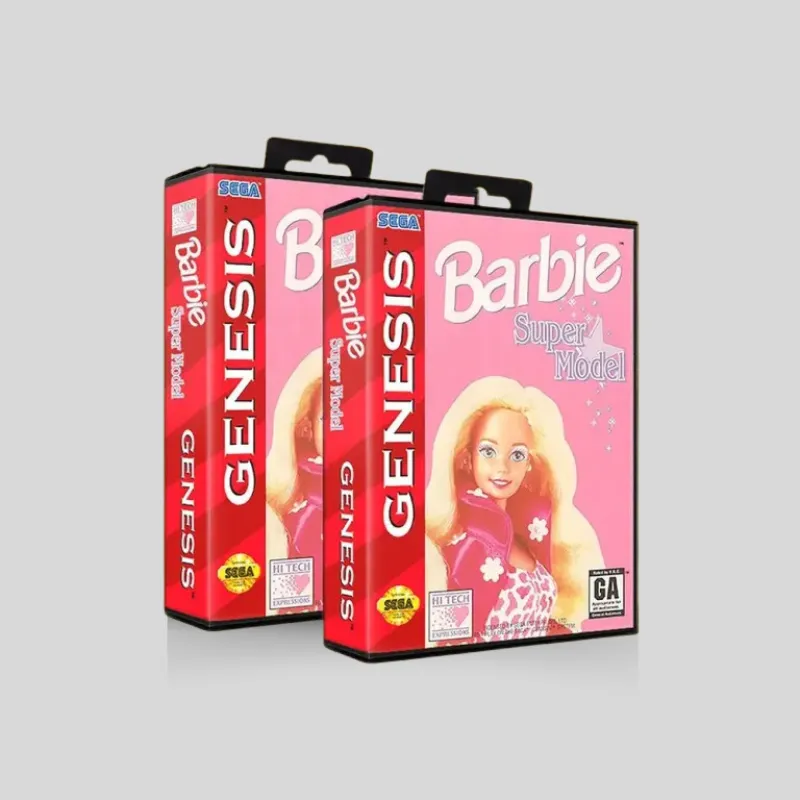
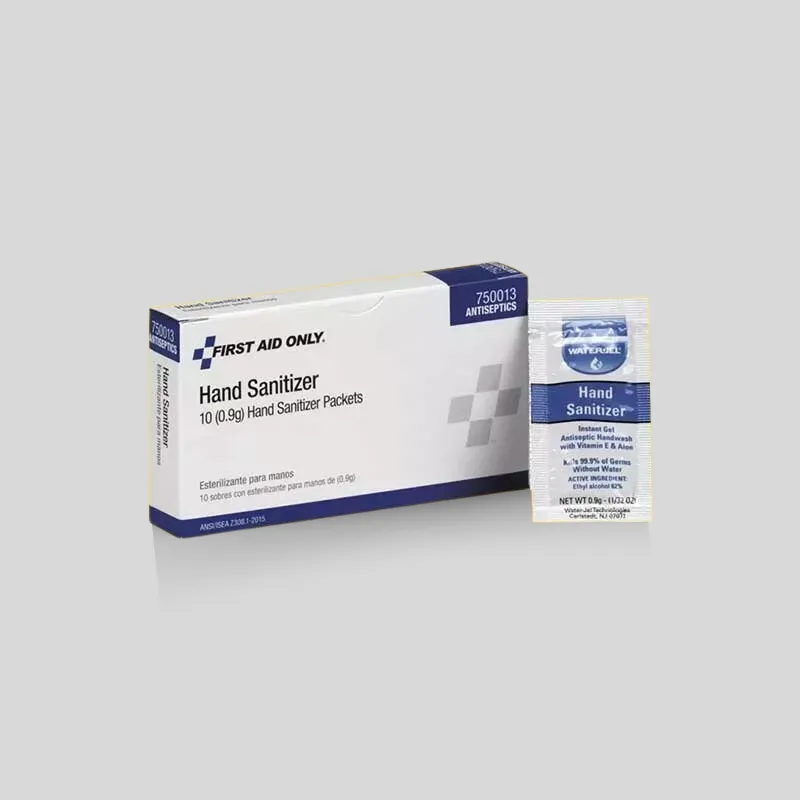
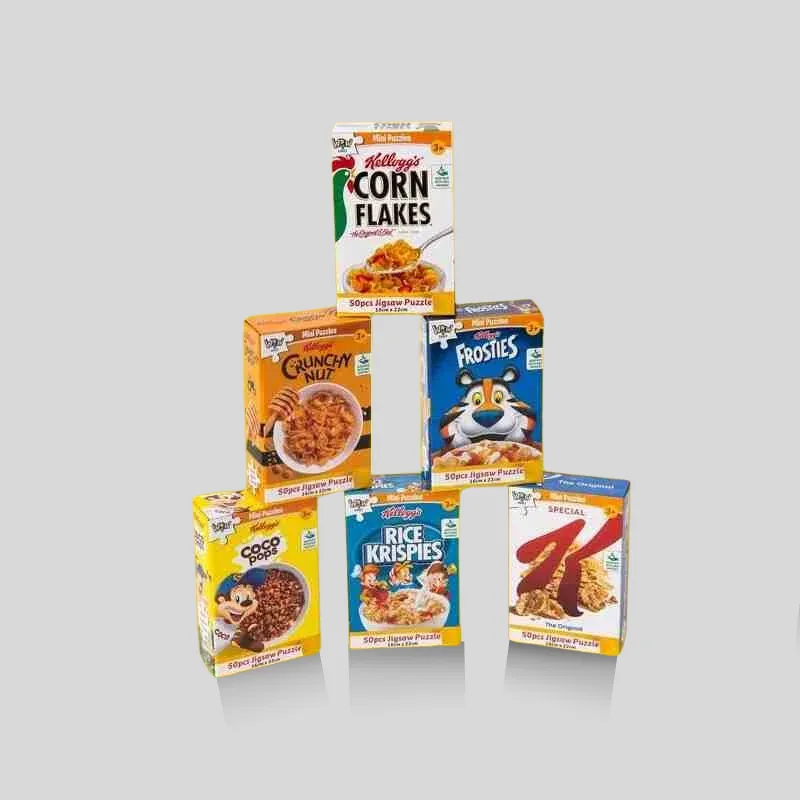
Folding paperboard cartons can suit cards, small toys, compact kits, puzzles, and lightweight retail products. They ship and store flat and provide broad print surfaces. Their success depends on board caliper, panel dimensions, closure, load, insert design, and handling—not simply the material name.
Window cartons let shoppers inspect a figure, doll, color, texture, or set contents. The cutout removes part of a structural panel, while film and adhesive add components to the material system. Define the sightline from the actual shelf height, protect the window from scuffing, and test whether the product remains correctly oriented. Product photography may be a simpler alternative when visibility does not justify the added construction.
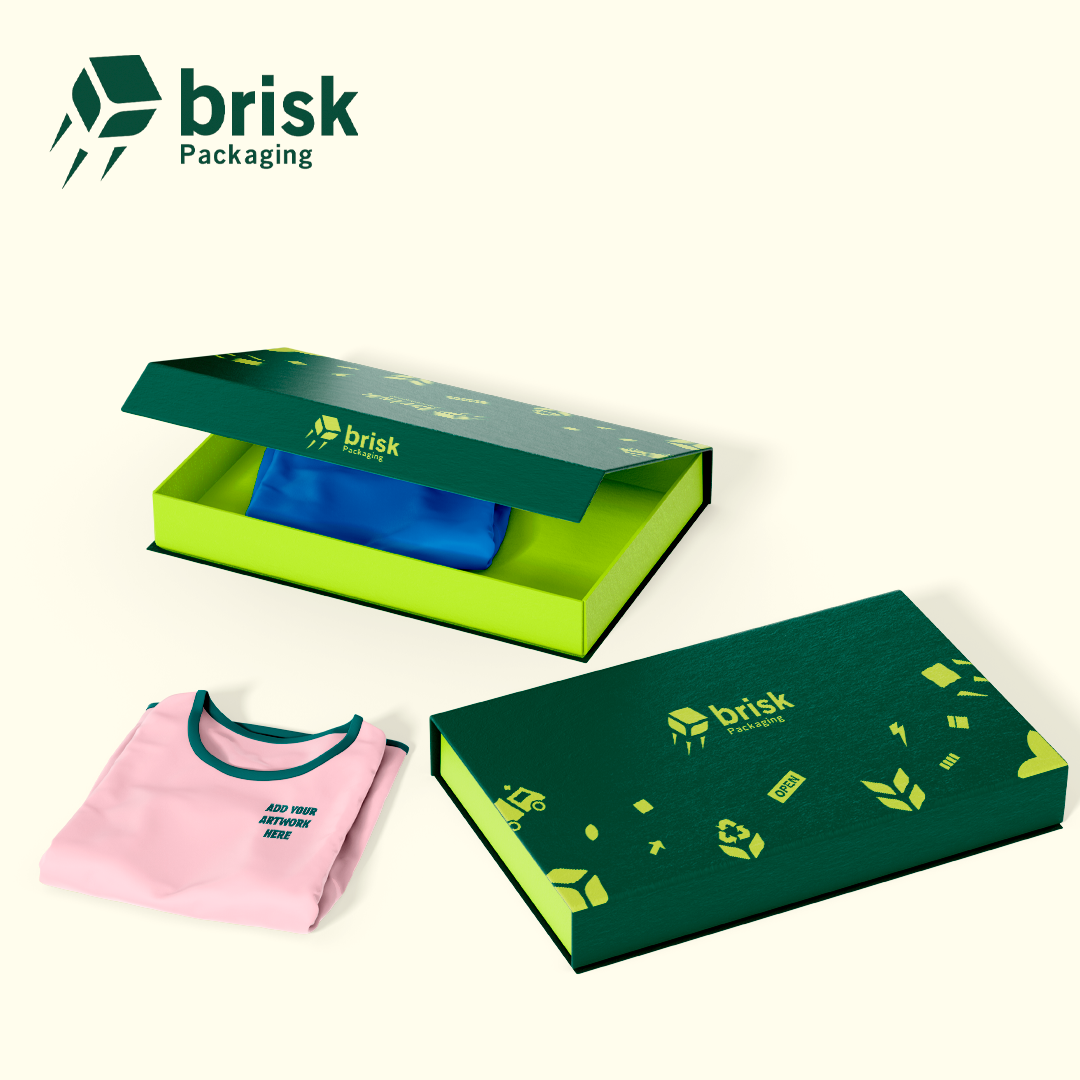
Rigid lid-and-tray boxes can serve board games, premium sets, and collectibles where the package becomes long-term storage. Test corner durability, lid fit, opening force, repeated handling, stacked storage, and component organization. A beautiful first opening is insufficient if the lid binds or the insert collapses after normal play.
Corrugated mailers or shipping boxes add fluted structure for parcel routes, larger kits, and heavier products. A printed retail carton may still need an outer shipper; alternatively, a well-designed mailer may combine shipping and presentation. Compare both systems using actual packed dimensions, carrier exposure, warehouse handling, and acceptable arrival condition.
Cards, blister-style presentations, sleeves, and hanging formats can also be relevant, but attachment, sharp edges, product removal, tamper evidence, and disposal must be evaluated for the specific item. Review Brisk's live Toys & Entertainment industry page as an idea source, then confirm every project claim in the written specification and test plan.
Measure the packed layout, not only the toy
Follow the box measurement guide and state whether dimensions are internal or external. Measure production-representative units at their widest points, including hair, clothing, handles, wheels, controls, assembled parts, protective bags, and anything that can shift. For a game or kit, lay out every component before defining the cavity.
The package must account for:
Product and component manufacturing variation;
Insert walls, folded tabs, platforms, dividers, ties, and instruction pockets;
Loading and removal clearance for packers and customers;
Board caliper, rolled edges, windows, glue areas, and closures;
Movement allowance versus pressure on delicate parts;
Retail shelf footprint, wholesale case fit, and parcel outer dimensions.
Avoid applying a generic clearance to every project. Too tight can bend parts, mark surfaces, bow panels, or slow packing. Too loose lets products collide and creates an untidy display. Build a physical prototype around the intended arrangement, load it using the actual work instructions, and inspect several product samples—not only the ideal display unit.
Design inserts around restraint, access, and cleanup
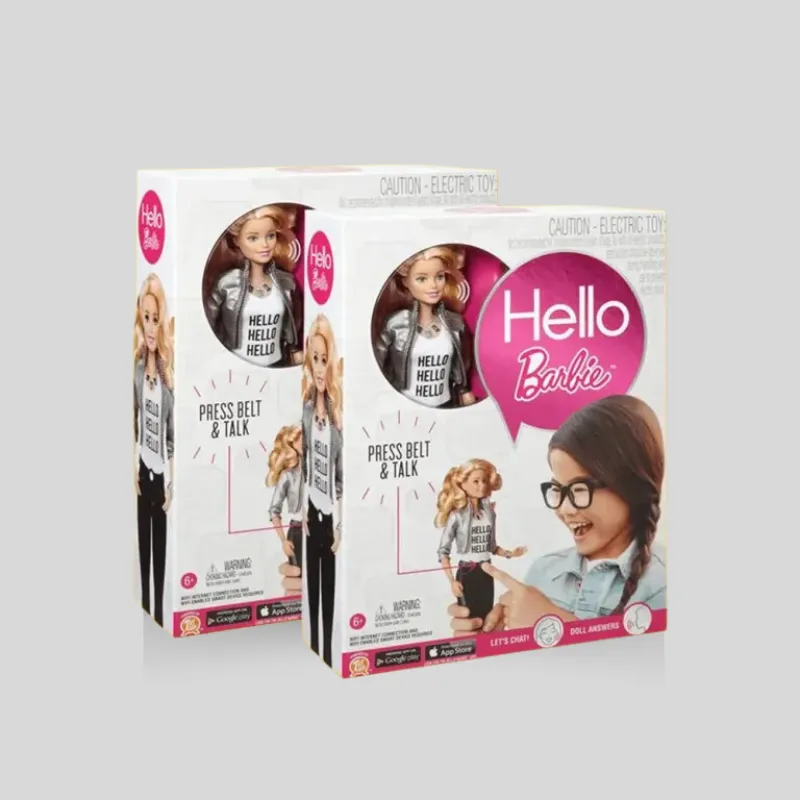
An insert should restrain the product where support is useful without making removal frustrating or hiding components. Paperboard platforms and folded trays can hold lightweight items and provide printable surfaces. Corrugated dividers can separate heavier parts. Molded fiber may suit shaped cavities when the material and geometry meet the project brief. Foam or plastic components may be considered for particular protection needs, but composition, recovery route, product interaction, and destination requirements should be reviewed.
Use Brisk's packaging inserts guide to frame the comparison. Prototype finger access, pull tabs, tie locations, accessory wells, card recesses, and instruction storage. Check for sharp cut edges, pinch points, loose ties, small detachable packaging parts, and adhesives that contact the product. The brand and its qualified safety or regulatory advisers must evaluate hazards for the exact product, audience, and market.
For a game, perform an “after play” test: ask someone unfamiliar with the package to return every component without the original factory arrangement. If the insert only works when pieces are precisely wrapped by trained packers, it may not function as reusable storage. For a collectible, test removal without tearing graphics or stressing the figure, while recognizing that collector preferences vary.
Match material and print to function
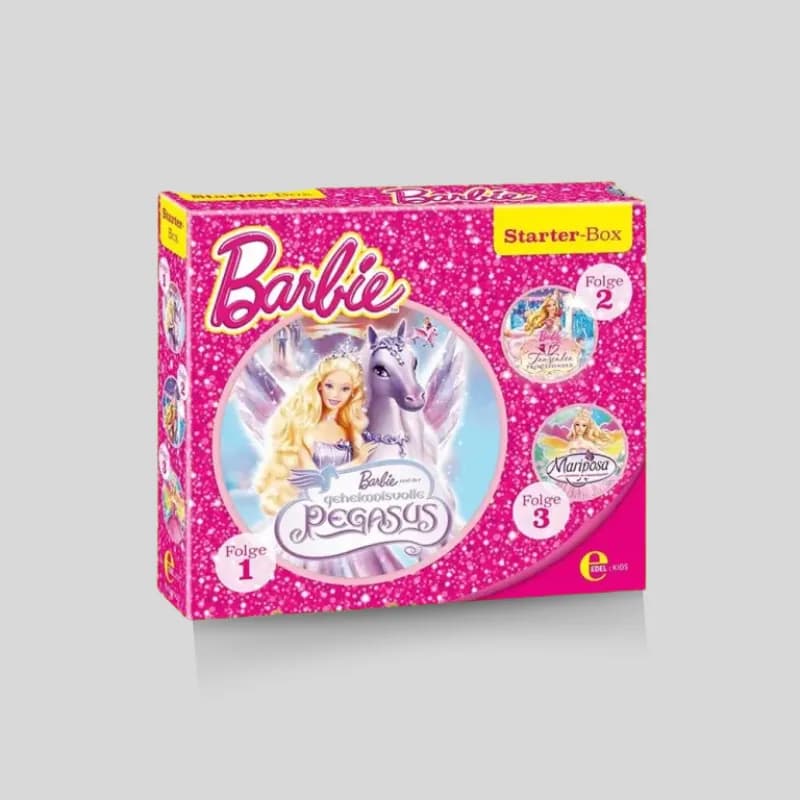
The verified Brisk Barbie Doll Packaging Boxes API record lists SBS paperboard, coated art card, kraft paper, and corrugated cardboard as available directions. That product is one example within the wider toy category; final stock, grade, caliper, structure, and suitability must be confirmed for each project.
SBS paperboard offers a smooth white print surface for illustrated retail cartons and detailed color. Coated art card can support sharp graphics, while its coating and finish affect folding, rub, and appearance. Kraft creates a different natural visual direction, but its shade alters printed color and its appearance alone does not prove a specific environmental benefit. Corrugated board provides fluted structure for larger packs and shipping, with print quality and strength influenced by liners, flute, conversion, and exposure.
Use the paperboard versus corrugated guide for an initial comparison. Request the exact material specification and evidence for any recycled-content, certification, recyclability, ink, coating, or sourcing statement. Windows, laminates, ties, magnets, mixed inserts, and adhesives may change separation and disposal instructions.
Print should make the product and play concept clear without burying practical information. CMYK is useful for illustration and photography; selected spot colors can help control important brand colors. Review Brisk's CMYK versus Pantone guide, then approve proofs on the intended substrate because color differs across white board, brown kraft, corrugated liners, coatings, and print methods.
Reserve artwork space before decoration
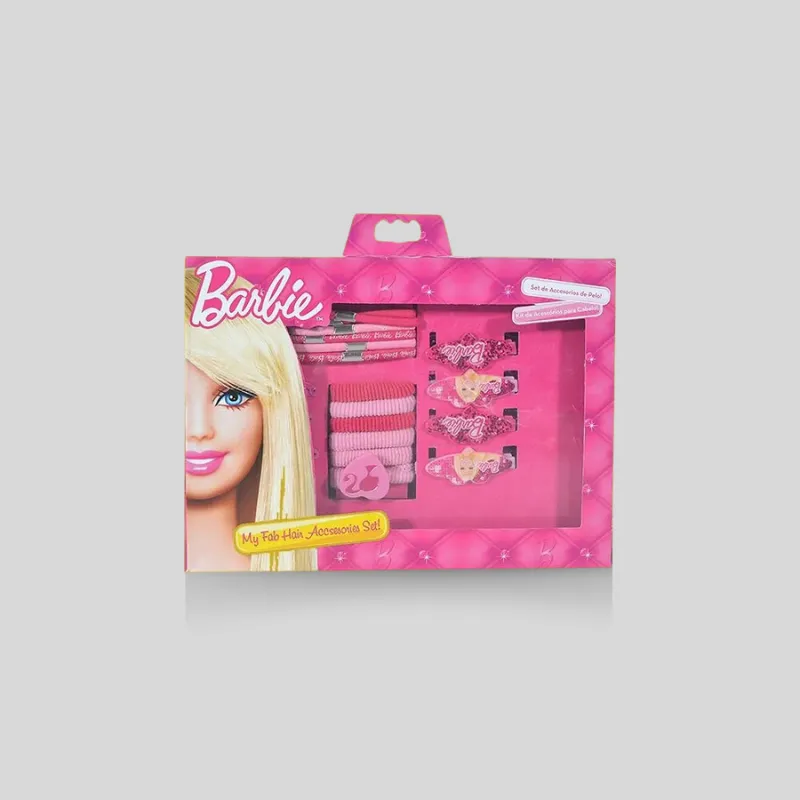
Build an information hierarchy before adding foil, gloss, characters, or background graphics. Reserve deliberate zones for the product name, contents, play explanation, barcode, manufacturer or responsible-party information, age grading, warnings, tracking or batch information, language versions, recycling guidance, and other market-specific content that applies.
Requirements depend on the product, audience, claims, sales destination, and channel. Packaging suppliers can provide dielines and production information, but the brand should have qualified specialists confirm classification, warning language, symbols, tests, documentation, and placement. Do not copy a warning from a competitor box or assume one standard covers every market.
Apply approved artwork to the production dieline using the artwork preparation guide. Keep critical content away from cuts, folds, glue zones, window edges, tuck flaps, and hang holes. Test barcode and QR-code scanning on the real print and curvature. Ensure a window does not reveal an unintended reverse panel or conceal required information when the product shifts.
Finishes should have a defined job. Matte or gloss lamination can alter glare and rub behavior; spot UV can highlight selected art; foil can emphasize a logo or collector detail; and embossing can create tactile hierarchy. Every added process introduces tolerances, cost, and material considerations. Test registration, fold cracking, scuffing, fingerprints, glue adhesion, and readability under retail lighting.
Test the complete package before production
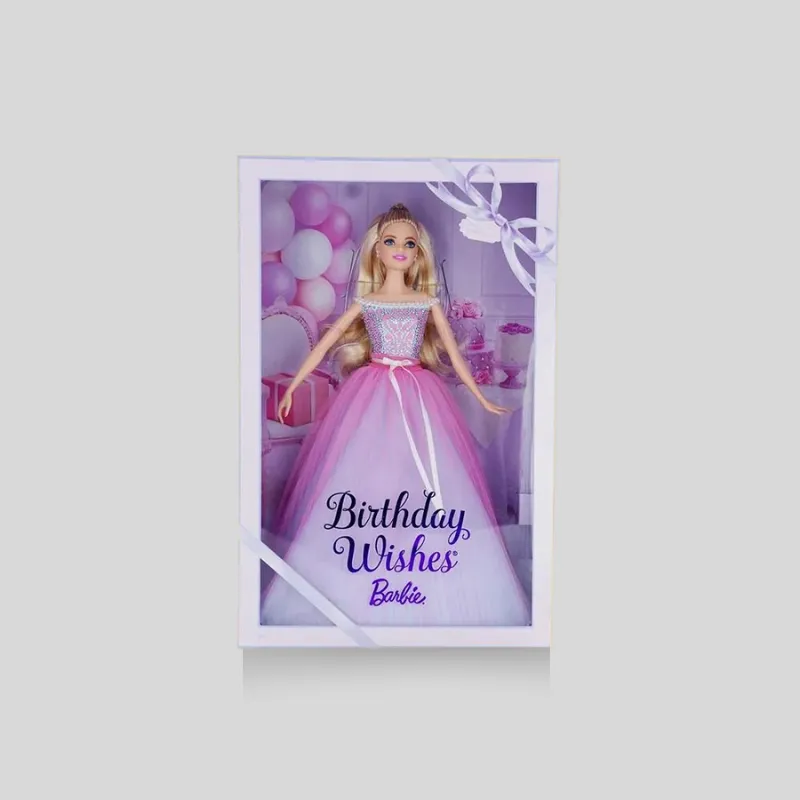
A digital rendering verifies the design direction, not physical performance. Use a production-representative sample and a documented approval sequence:
Confirm the component count and inspect representative product variation.
Pack the toy using the intended insert, ties, instructions, seals, and accessories.
Time assembly and identify awkward loading or inspection steps.
Simulate shelf handling, stacking, case packing, warehouse storage, and the planned transit route.
Apply appropriate compression, drop, vibration, abrasion, puncture, and environmental tests based on product and distribution risk.
Open the pack and inspect product movement, broken or bent parts, surface rub, window damage, insert collapse, print scuffing, and closure condition.
Test customer opening, component removal, instruction access, and repeated storage where relevant.
Record construction, conditions, acceptance criteria, failures, revisions, and final approval.
Testing should reflect the actual route. A retail carton protected inside a distribution case faces different exposure from a box shipped directly by a parcel carrier. For electronic toys or products with batteries, static, moisture, impact, battery transport, and other specialist requirements may apply; obtain product-specific engineering and regulatory advice instead of treating decorative paper packaging as the complete protective system.
What affects custom toy-box cost and MOQ?
Cost depends on dimensions, structure, material grade and caliper, blank yield, quantity, artwork versions, language variants, print process, ink coverage, interior print, window size and film, inserts, ties, coatings, foil, embossing, gluing, hand assembly, tooling, proofs, packing, freight, destination, and schedule. A rigid reusable game box and a folding card carton should not be compared by unit price alone because their functions and supply chains differ.
MOQ and timing depend on the frozen specification and production route. Request quantity tiers against the same construction and ask what the quote includes: structural work, dielines, samples, proofs, tooling, window application, insert assembly, finishing, case packing, freight, duties, and revisions. Avoid relying on generic figures shown on category or competitor pages; obtain project-specific written terms.
Artwork versions can fragment quantities. A shared structure with controlled labels or cards may simplify a product family, but only if it preserves shelf clarity, traceability, correct warnings, and inventory control. Freeze the component list and information architecture before artwork approval to reduce late structural changes.
Quote checklist for custom toy boxes
[ ] Product samples, dimensions, weights, variation, surfaces, and fragile points
[ ] Full component inventory, instructions, accessories, batteries, and protective bags
[ ] Intended arrangement, visibility, opening sequence, and reusable-storage needs
[ ] Internal dimensions, box style, material, caliper, insert, window, and closure
[ ] Retail shelf, hang display, wholesale case, e-commerce, gift, or collector route
[ ] Target markets, audience, languages, and qualified review of required information
[ ] Dieline, artwork versions, barcodes, print colors, coatings, and finishes
[ ] Packing steps, assembly time, seals, inspection, and component-count controls
[ ] Transit, storage, shelf, opening, repeated-use, and acceptance-test requirements
[ ] Quantities, tiers, destinations, samples, proofs, approvals, and launch date
FAQ: Custom toy boxes
What box style is best for toys?
There is no universal best style. Folding cartons can suit lightweight retail toys, window cartons can provide visibility, rigid boxes can support games and collectibles, and corrugated mailers can suit parcel routes. Choose from the complete product, component, channel, and test brief.
Should toy packaging have a window?
Use a window when seeing the actual product materially helps selection and the package can maintain structure, cleanliness, product orientation, and readable information. Compare it with high-quality product photography and test film scuffing, glue, panel strength, and disposal implications.
How do I size a toy box with an insert?
Arrange representative products and every accessory in the proposed insert, account for insert walls and loading clearance, and specify the resulting internal cavity. Confirm fit with a physical sample rather than adding a generic allowance.
Can one box work for several toy SKUs?
Possibly, when products share a tested size range and the insert or label system controls fit and identification. Test the smallest and largest configurations and prevent wrong components, artwork, warnings, or barcodes from being paired.
Does a toy-box supplier certify my final product packaging?
Do not assume so. Responsibility and requirements vary by product and market. Ask what material or production documentation is available, while using qualified product-safety and regulatory specialists to confirm applicable tests, warnings, age grading, tracking, claims, and records.
What should I send for a toy-box quote?
Send product samples or accurate measurements, the full component list, arrangement and insert concept, channel, target markets, material and print direction, artwork versions, quantities, destinations, packing process, test expectations, and launch date.
Request samples, insert review, and a quote
Bring Brisk a production-representative toy, every component, the intended arrangement, retail and shipping route, artwork-information plan, target markets, quantities, packing workflow, and test expectations. A packaging specialist can help compare cartons, window structures, rigid boxes, corrugated mailers, materials, and inserts while the Custom Toy Boxes category remains the commercial owner.
Explore Brisk's Custom Toy Boxes and Barbie Doll Packaging Boxes, then request samples, insert and dieline review, and a project-specific quote. Approve production only after fit, component control, artwork, packing, shelf display, transit, opening, and repeated-use requirements meet documented criteria.