To choose custom ice cream boxes, start with the frozen dessert format: pint, cup, tub, novelty bar, sandwich, multipack, or secondary retail sleeve. Then match the packaging to freezer moisture, condensation, case packing, branding panels, nutrition-label space, and customer handling. Use food-contact-compatible inner packaging where needed, moisture-resistant paperboard or kraft paperboard for sleeves and boxes, and corrugated support when frozen products move through parcel or wholesale distribution. Finalize size from the filled container, lid height, tamper seal, barcode, and cold-chain packing method before requesting a dieline.
Ice cream packaging has a different job than ordinary snack, bakery, or gift packaging. It must keep print readable in freezer cases, resist surface moisture during store handling, support product stacking, and create flavor recognition within seconds. A bright design is not enough if the carton bows, scuffs, or hides the most important information when it sits behind a freezer door.
This guide explains the practical decisions behind custom ice cream boxes so your team can prepare a better quote request, avoid sizing mistakes, and coordinate your artwork with the realities of frozen retail, catering, events, and direct-to-consumer delivery.
Quick Decision Matrix for Ice Cream Packaging
The right custom ice cream box depends on whether the package directly contains the frozen dessert or acts as a branded secondary box around an existing container. A pint sleeve around a sealed tub has different requirements than a folding carton for ice cream sandwiches or a corrugated shipper for multipacks.
Use this selection logic before choosing print finishes:
- Pints and tubs: prioritize exact circumference or box fit, lid clearance, freezer moisture resistance, flavor panels, barcode zones, and nutrition-label space.
- Ice cream sandwiches and bars: prioritize portion count, internal dividers or flow-wrap compatibility, cold handling, opening style, and case packing.
- Multipacks: prioritize compression strength, product-count clarity, freezer display orientation, and easy restocking.
- Retail sleeves: prioritize wrap tolerance, glue seam placement, scuff resistance, and front-panel flavor recognition.
- Gift or event packs: prioritize branded presentation, insert fit, dry ice or gel-pack logistics, and an outer shipper when products move beyond local pickup.
If your brand already uses custom food packaging, an ice cream-specific box should narrow that general system into frozen-dessert requirements: moisture, cold-chain handling, tamper-evidence coordination, freezer shelf presentation, and high-contrast flavor coding. For Brisk's available product options, review custom ice cream boxes and prepare your product dimensions before requesting a sample or dieline.
Match the Box to the Ice Cream Format
A common mistake is ordering packaging around a generic volume such as “one pint” without measuring the real container. Pints, gelato cups, paper tubs, rigid plastic cups, dome lids, flat lids, tamper bands, and foil seals can all change the final fit. Measure the actual filled container or production sample, not only the nominal serving size.
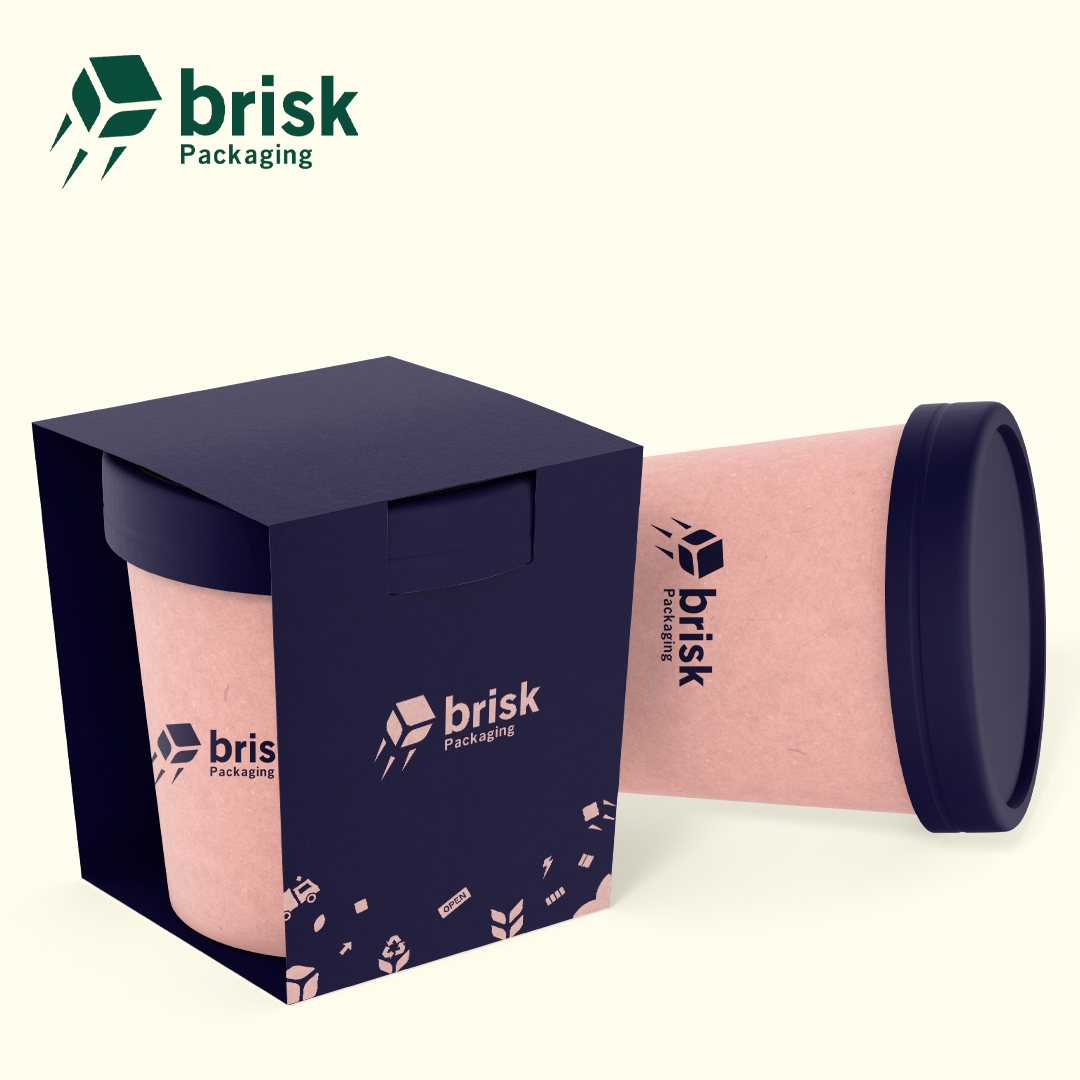
For a pint sleeve, the critical dimensions are container circumference, sleeve height, taper, lid overhang, and where the glue seam will sit. A sleeve that is too tight can buckle during hand application; one that is too loose can slide in the freezer case. If you use multiple suppliers for cups or lids, test the widest and tallest version.
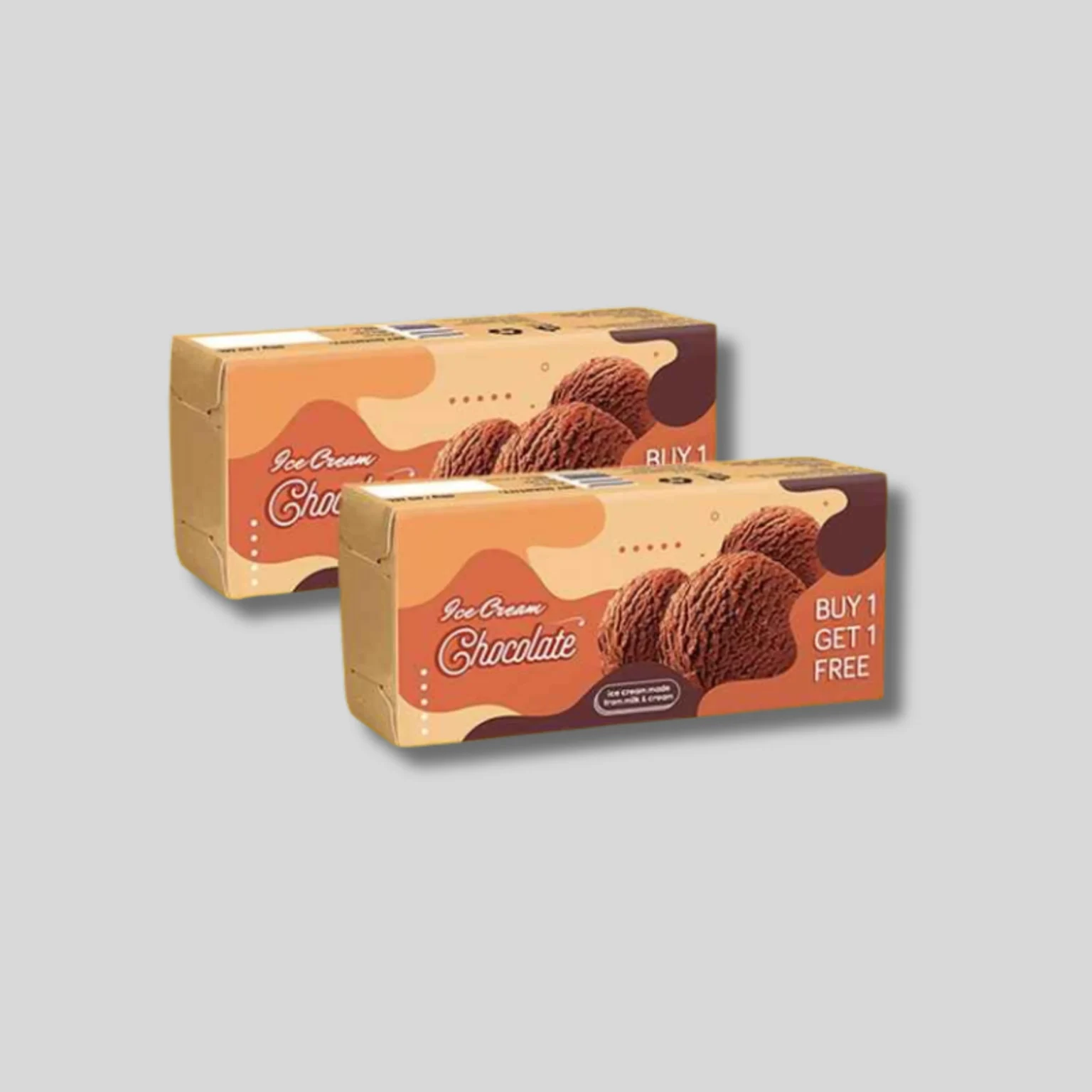
For a folding carton, measure width, depth, height, panel orientation, tuck-flap clearance, and how the product will be loaded. A novelty ice cream sandwich may need a straight tuck or reverse tuck carton, while a multipack may need a larger folding carton with internal room for wrapped pieces.
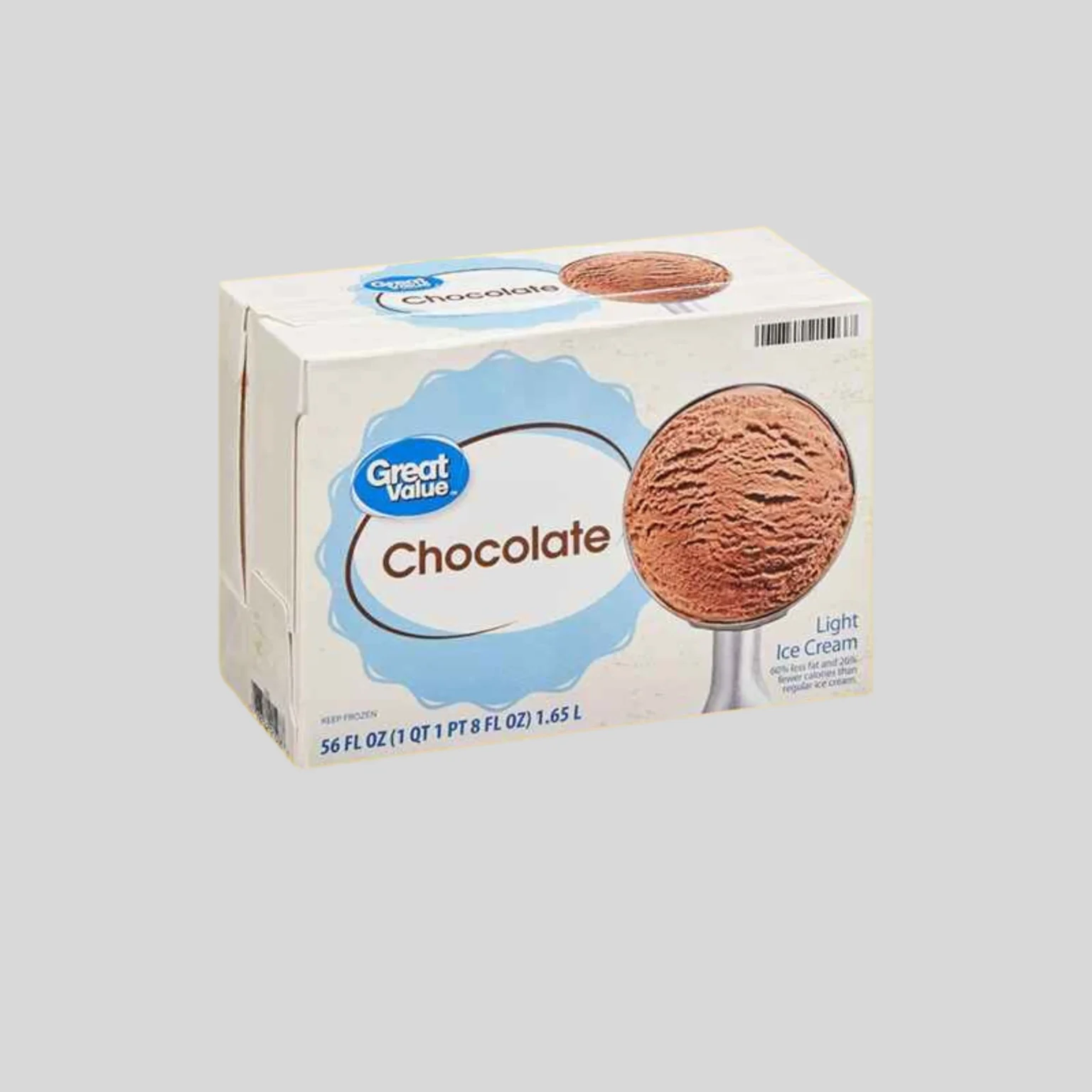
For a display-ready freezer box, check the orientation in the freezer: front-facing, top-facing, or side-facing. Retail freezers often limit the shopper's viewing angle, so flavor name, brand mark, dietary notes, and product count should remain visible from the likely shelf position.
Freezer Moisture, Condensation, and Board Stability
Freezer packaging is exposed to temperature changes whenever cartons move from production to storage, transport, store receiving, freezer stocking, and customer handling. Those transitions can create condensation on the package surface. If the board, coating, ink, or adhesive system is not planned for that environment, the package can soften, curl, scuff, or lose print sharpness.
For most ice cream secondary cartons and sleeves, Brisk can guide you through moisture-resistant paperboard options, protective coatings, and print finishes that are better suited to cold display than uncoated decorative paper. The goal is not to make paperboard replace refrigeration; the goal is to keep the package presentable and structurally reliable while the product stays in an appropriate cold chain.
Ask about these specifications during quoting:
- Board stability: how the substrate performs under cold storage, surface moisture, and case stacking.
- Coating selection: whether a moisture-resistant coating or lamination is appropriate for the visual finish and freezer exposure.
- Adhesive compatibility: whether glue seams, side seams, and sleeve wraps are suitable for cold handling.
- Ink rub resistance: whether printed panels will resist scuffing from cartons rubbing inside freezer cases.
- Stack compression: whether multipacks or cartons need extra board thickness or corrugated support.
If you are choosing between substrates, the guide on paperboard vs corrugated packaging can help you decide when a paperboard retail carton is enough and when an outer corrugated shipper is needed.
Choose the Right Material
The three most common material families for custom ice cream packaging are SBS paperboard, kraft paperboard, and corrugated board. Each serves a different role.
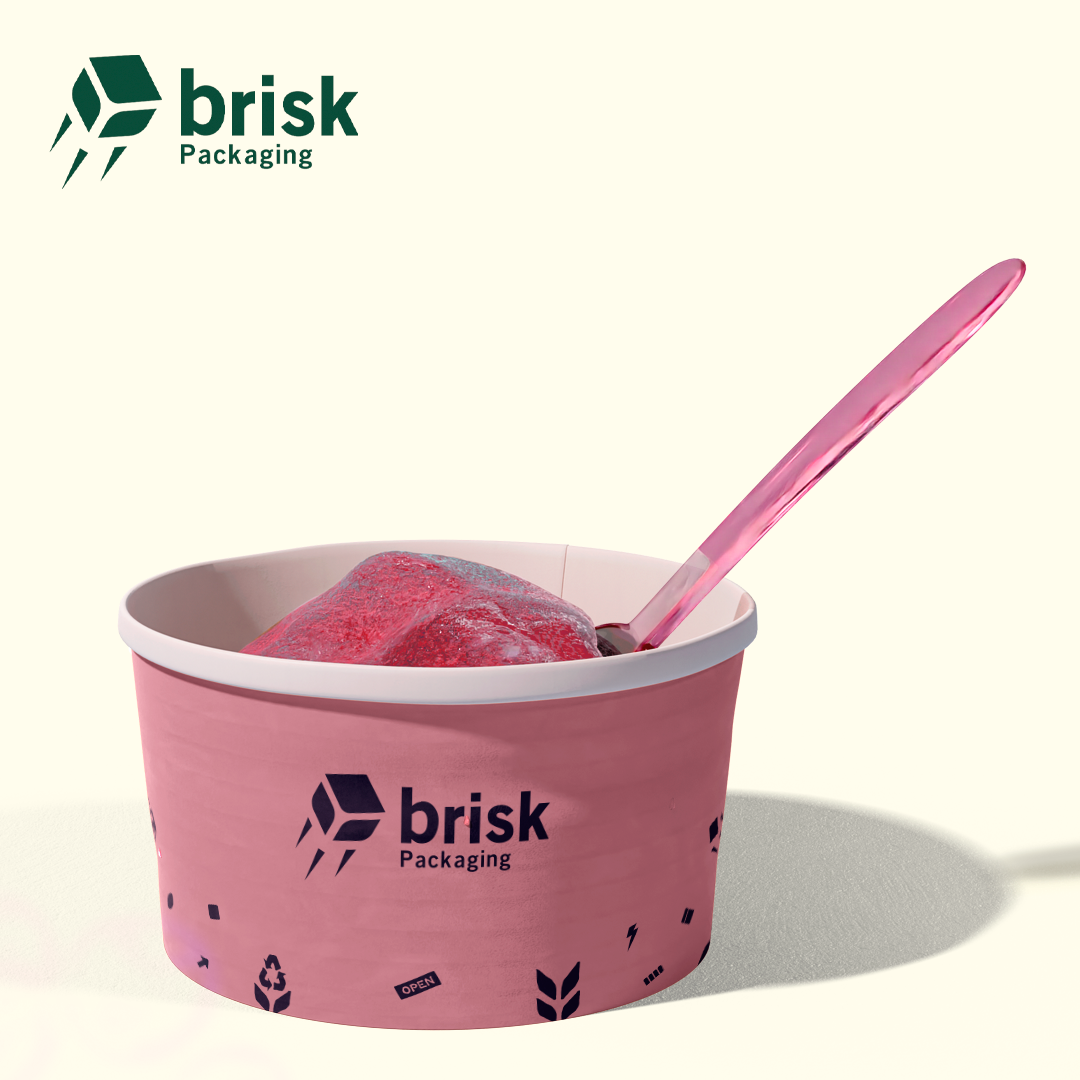
SBS paperboard gives a smooth white printing surface for premium flavor photography, pastel color systems, gradients, and detailed nutrition panels. It is often the strongest choice when brand color accuracy and shelf appeal matter. SBS can work well for retail folding cartons, sleeves, and product boxes when paired with a suitable coating.
Kraft paperboard creates a natural, craft, organic, or farm-style identity. It is useful for artisan ice cream, vegan frozen desserts, gelato shops, and brands that want a warmer look. Dark inks and single-color designs usually print more predictably on kraft than light pastel colors, unless white ink or a white underbase is planned.
Corrugated board is best for outer handling, wholesale movement, event packs, multipacks, and shipment support. Corrugated is not usually chosen because it looks more premium on the shelf; it is chosen because it adds cushioning and compression strength. A brand may use a printed SBS sleeve for retail presentation and a corrugated master carton for transport.
Plan Size, Fit, and Case Packing Together
Sizing should happen in three layers: product fit, retail display fit, and case packing fit. A box that fits the product but wastes space in the freezer case can increase storage friction. A beautiful sleeve that fits one flavor but not another can slow production if container tolerances vary.
Start with a physical sample and record:
- Product container width, depth, height, diameter, or circumference.
- Lid overhang and tamper-band position.
- Space needed for a spoon, insert, coupon, or flavor card if used.
- Number of units per retail case or wholesale case.
- Orientation in freezer display.
- Pallet or shipment requirements if the product moves through distributors.
For pints, the sleeve height should not cover key lid or tamper features unless intentionally designed that way. For tubs, check whether the box must support hand stacking in a scoop shop freezer or only act as a branded gift carton. For multipacks, allow enough internal tolerance for slight wrapper or fill variation without making the carton feel loose.
Before production, request a dieline review and a prototype if the product is new. A small adjustment to a glue flap, tuck depth, or sleeve circumference is easier before print than after filled products are ready to pack.
Printing, Flavor Systems, and Freezer Visibility
Ice cream packaging often carries more visual information than a simple retail box. The front panel needs brand recognition and flavor appeal. Side or back panels may need ingredients, nutrition facts, allergens, certifications, barcode, storage instructions, and batch or best-by coding areas.
Use a disciplined artwork system:
- Keep the logo, product type, and flavor name visible on the main freezer-facing panel.
- Reserve a consistent color band or illustration zone for flavor variants.
- Keep nutrition, barcode, and ingredient areas on panels that will not be hidden by freezer rails or stacked cartons.
- Leave quiet space around legal, allergen, and storage text so it remains legible after coating or lamination.
- Use Pantone spot colors when exact brand colors are critical, and CMYK when full-color flavor imagery is the main driver.
The CMYK vs Pantone packaging guide explains the print-color decision. If you are choosing short-run testing or larger-volume retail production, digital vs offset printing can help frame the tradeoff without assuming one method is always best.
Coatings and Finishes for Ice Cream Boxes
A finish should protect the package and support the brand position. Gloss can make flavor imagery look vivid and cold-case friendly. Matte can make a premium gelato or craft dessert brand feel more refined. Soft-touch can feel luxurious, but it should be evaluated for scuffing, condensation exposure, and freezer handling before selection.
For frozen dessert packaging, ask these finish questions:
- Will the finish resist rubbing inside cases and freezer racks?
- Does the coating affect barcode scanning?
- Will dark colors show scratches or condensation marks more easily?
- Is the finish appropriate for direct food-contact areas, or is it only for secondary packaging?
- Does lamination create recyclability or disposal considerations for your brand positioning?
If you are comparing finishes, review matte vs gloss lamination and ask Brisk for samples that match the board and coating you are considering. Do not judge finish quality only from a digital mockup; freezer lighting, glass doors, and condensation can change the real presentation.
Food-Contact and Labeling Considerations
Ice cream packaging can be primary, secondary, or tertiary packaging. A primary container touches or directly holds the dessert. A secondary sleeve or carton wraps a sealed cup, tub, or individually wrapped frozen item. A tertiary shipper moves cases through storage and distribution. Each level has different material and labeling expectations.
Avoid assuming that any printed paperboard is suitable for direct food contact. If the box or liner will touch the frozen dessert, discuss food-contact-compatible materials, coatings, and ink placement with a packaging specialist. If the product is already inside a sealed cup or wrapper, the outer carton may focus more on moisture resistance, branding, and retail information.
Leave space for required product information your regulatory or QA team approves: ingredient declaration, nutrition facts, allergens, net weight, storage instructions, manufacturer details, batch or lot code, and barcode. Brisk can support packaging structure and print execution, but your brand should confirm final label requirements with qualified regulatory guidance for the markets where the dessert will be sold.
Cost and MOQ Factors
Ice cream box pricing changes with size, substrate, coating, color coverage, print method, finish, die complexity, order quantity, and packing requirements. A simple printed sleeve for one pint size usually has a different cost profile than a multipack folding carton with heavy ink coverage, internal dividers, and specialty coating.
The biggest cost drivers are typically:
- Custom size and tooling or die requirements.
- Board grade and thickness.
- Moisture-resistant coating or lamination.
- Number of printed SKUs or flavor variants.
- Specialty finishes such as foil, embossing, or spot UV.
- Prototype, sample, and testing needs.
- Packing, bundling, and shipping destination.
To keep the quote accurate, provide the physical container, number of flavors, forecast quantity per SKU, artwork status, preferred board, finish expectations, and whether the packaging will be used in retail freezers, local pickup, catering, or shipment. Brisk's team can then recommend a structure, sample path, and dieline instead of pricing a vague generic box.
Common Mistakes to Avoid
Do not design the carton before confirming the container. Ice cream cups and lids vary by supplier, and small differences can affect sleeve fit or box closure.
Do not rely on paperboard to prevent melting. Custom ice cream boxes support presentation, protection, handling, and moisture resistance, but refrigeration, insulated shipping, dry ice planning, and cold-chain procedures still matter.
Do not place the barcode or critical flavor name where freezer rails, case lips, or stacking will hide it. Plan the real display orientation.
Do not use too many flavor-specific dielines if a shared structure with variant artwork will work. Standardizing the structure can simplify ordering and packing.
Do not choose a premium finish without testing it against scuffing, condensation, and freezer handling.
Do not skip a physical sample for a new container, multipack, or sleeve. A printed proof checks artwork; a structural sample checks fit.
Quote Checklist for Custom Ice Cream Boxes
Send Brisk this information for a better recommendation:
- Product type: pint, cup, tub, sandwich, bar, multipack, cone sleeve, or gift pack.
- Exact container dimensions and photos.
- Whether packaging is primary, secondary, or outer shipping packaging.
- Number of flavors or artwork versions.
- Retail freezer, scoop shop, event, wholesale, or ecommerce use case.
- Required nutrition, allergen, barcode, lot-code, and storage-instruction spaces.
- Preferred material: SBS, kraft, corrugated, or open to recommendation.
- Finish preference: gloss, matte, soft-touch, aqueous coating, or other coating.
- Quantity per SKU and target reorder cadence.
- Shipping destination and any case-packing requirements.
If you are ready to compare structures, request custom ice cream box samples, a dieline review, and a project-specific quote. A packaging specialist can help align board, coating, print method, and fit before you commit to production.
FAQ
What material is best for custom ice cream boxes?
SBS paperboard is often best when you need a bright white print surface, strong color reproduction, and premium retail appearance. Kraft paperboard works well for natural or artisan branding. Corrugated board is better for outer shippers, wholesale cases, and multipacks that need more compression support. The right material depends on whether the packaging is a primary container, secondary sleeve/carton, or outer distribution box.
Can cardboard ice cream boxes stop ice cream from melting?
No. Paperboard or cardboard packaging should not be treated as a substitute for refrigeration, insulated shipping, gel packs, dry ice planning, or proper cold-chain handling. Custom ice cream boxes help with branding, handling, structure, display, moisture resistance, and product identification while the dessert remains in the correct temperature-controlled environment.
What should I measure before ordering ice cream packaging?
Measure the actual filled container or wrapped product: width, depth, height, diameter or circumference, lid overhang, tamper-band position, and any spoon, insert, seal, or coupon space. Also measure case-packing requirements and freezer display orientation. If you use more than one supplier for cups or lids, test the largest practical tolerance.
Which printing method is best for ice cream boxes?
Digital printing can be useful for smaller tests, seasonal flavors, and multiple low-volume SKU versions. Offset printing is often preferred for larger runs where color consistency and unit economics matter. CMYK is useful for photography and full-color flavor art, while Pantone helps maintain precise brand or flavor colors.
Should ice cream packaging use matte or gloss finish?
Gloss can make flavor images look vivid in freezer cases, while matte can create a premium craft or gelato-style look. The best finish depends on brand position, moisture exposure, scuff risk, barcode needs, and recyclability goals. Request samples on the same board before final approval.
How do I get a custom ice cream box quote?
Share your container dimensions, product type, flavor count, artwork files, target quantity, material preference, coating needs, and shipping destination. Brisk Packaging can review the details, recommend a structure, prepare a dieline, and provide a project-specific quote for samples or production.